ByMax Lee
How Safe to Wash Car With Brsh?
You grab that long-handled brush at the auto parts store and think, "This will save me time." But the real question isn't about speed. It's about whether it's safe to wash your car with that brush without wrecking the paint. The short answer: it depends entirely on the brush type, your technique, and how much you care about swirl marks.
Our research, combined with paint system data from SAE International and automotive clear coat specifications, shows that most standard car wash brushes can cause visible damage after just a few uses. As of 2026, modern clear coats are thinner than ever, often between 25 and 60 microns, and that's not much protection against stiff bristles loaded with grit. Let's break down exactly what's happening to your paint when you reach for that brush.
The Real Problem: Why That Car Wash Brush Might Be Ruining Your Paint
Bing (Web (fair-use with source credit))
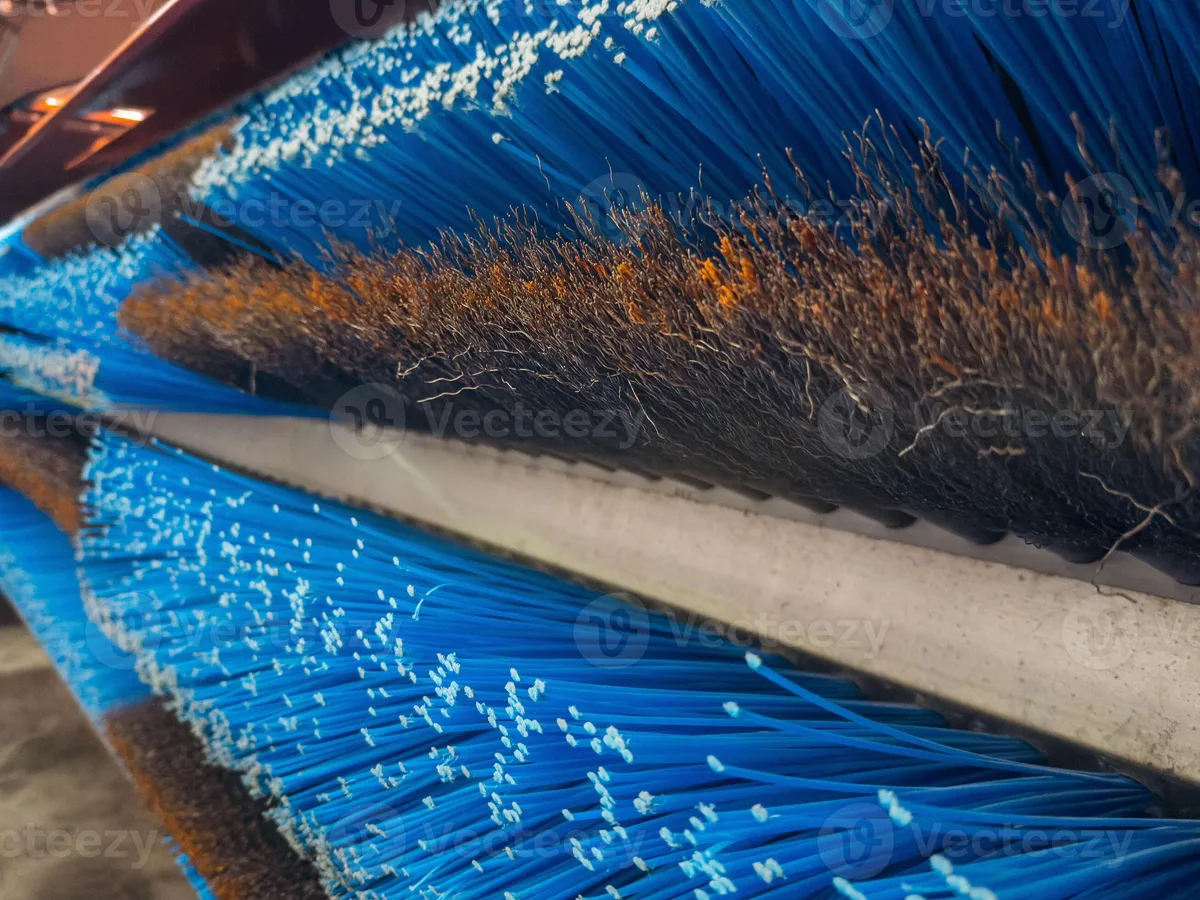
Here's what most people miss: the brush itself isn't always the problem. It's what's trapped in the bristles. Every time you dip that brush into a bucket or run it across a dirty panel, you're embedding microscopic particles of sand, road grit, and old grime into the fibers.
Those particles act like sandpaper on your clear coat.
Aggregate user feedback and professional detailer reports confirm that even brushes labeled "soft" or "gentle" can cause micro-scratches. The issue isn't the bristle material alone, it's the combination of bristle stiffness, trapped debris, and the pressure you apply. A brush that feels soft to your hand can still scratch paint when you push down with arm strength.
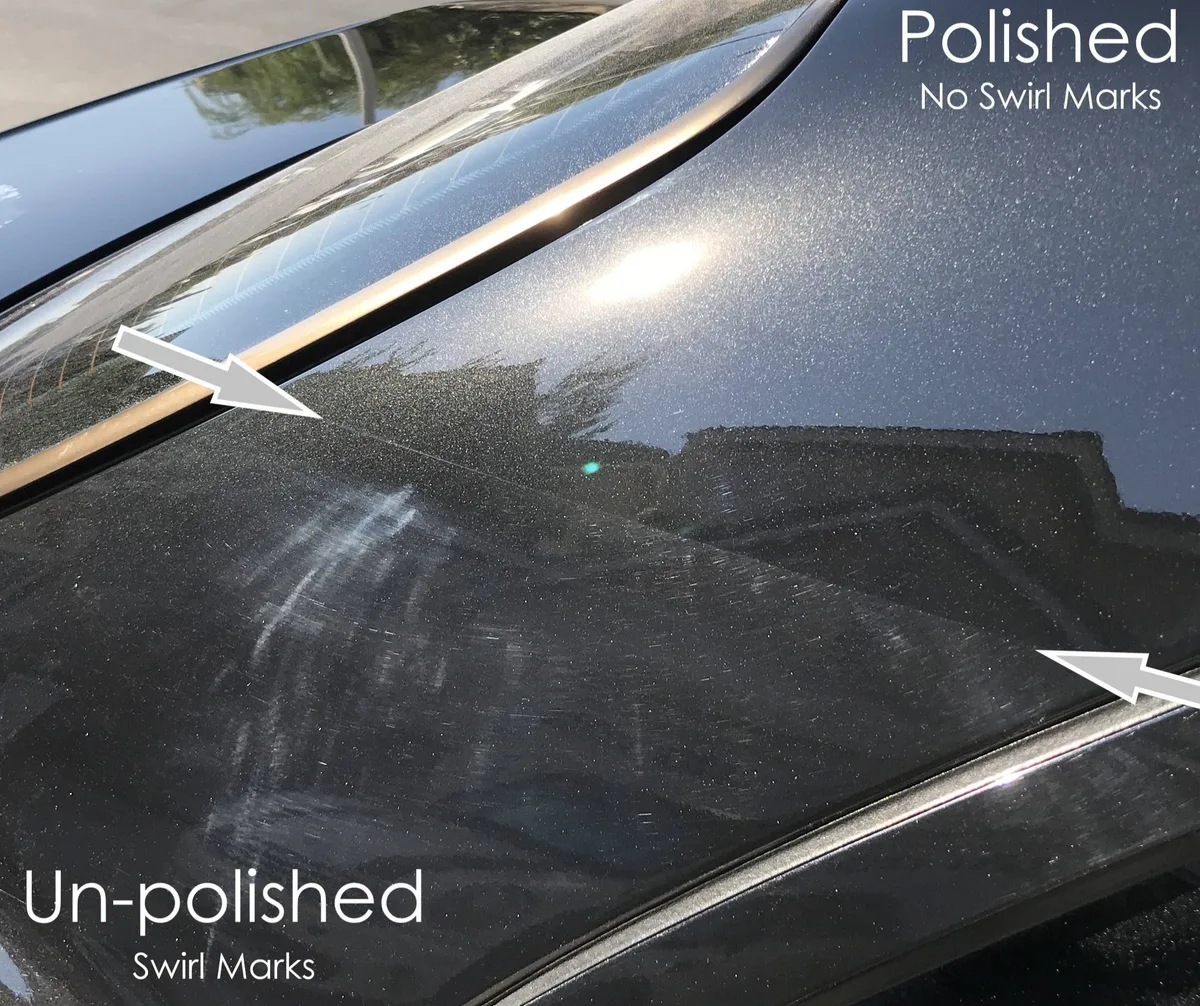
If you've ever seen those faint, spiderweb-like scratches on a dark-colored car in direct sunlight, you've seen what repeated brush use does. Those are swirl marks. Once they're in the clear coat, removing them requires machine polishing, which thins your paint further.
Quick Answer: Can You Safely Wash a Car With a Brush?
The direct answer is yes, but only under very specific conditions. You can safely wash a car with a brush if you use the right type of brush, follow a strict washing process, and limit the brush to certain areas.
Here's the quick decision guide:
- If you drive a daily driver that already has some scratches, a soft brush with proper technique may be acceptable.
- If you own a new car, a show car, or a vehicle with ceramic coating, avoid brushes on painted surfaces entirely.
- If you're washing wheels, tires, wheel wells, or undercarriage, a stiff brush is fine and often necessary.
- If you're using a coin-op bay brush, stop immediately. Those are the most dangerous because dozens of people use them daily, and they never get cleaned.
The key factor is bristle material and cleanliness. A natural horsehair brush, when brand new and used exclusively on a clean, pre-rinsed car, can be relatively safe. A nylon brush that's been sitting in a garage for months collecting dust?
That's a scratch magnet.
For those who want to stick with a brush but minimize risk, dedicate one brush solely to paint and another for wheels and lower panels. Cross-contamination is a major cause of unnecessary scratches.
How Car Paint Gets Damaged (Clear Coat 101)
Bing (Web (fair-use with source credit))
Modern automotive paint is a multi-layer system. The clear coat is the top layer, typically 25, 60 microns thick. A human hair is about 70 microns.
Your clear coat is thinner than a single hair.
SAE standard J2270 outlines paint durability testing. Those tests show that clear coat can withstand some abrasion, but every scratch removes material. Enough passes and you'll wear through the clear coat entirely, exposing the base coat to the elements.
Once clear coat failure occurs, the only fix is a repaint. That's expensive. Professional paint correction to remove swirls can cost hundreds of dollars.
It's far cheaper to invest in proper washing tools from the start.
The 3 Types of Car Wash Brushes and Which Ones Are Safer
Natural Horsehair Brushes
These are the softest option. Horsehair bristles have natural flexibility and a smooth tip profile. When brand new and used correctly, they cause minimal micro-scratching.
Many professional detailers use them for delicate paintwork.
Best for: Light dust, quick maintenance washes on already clean paint.
Worst for: Heavy dirt, mud, or sand. Horsehair absorbs moisture and can trap grit deep inside the bristles where you can't rinse it out.
Synthetic Nylon Brushes
These are the most common at auto parts stores. Nylon bristles are more durable and don't absorb water as much. But they vary widely in stiffness.
Some are surprisingly soft; others feel like a kitchen scrub brush.
Look for bristle tip shape. Rounded tips are safer than blunt-cut ends. Test the brush on your own arm, if it feels scratchy or leaves red marks, it's too stiff for paint.
Best for: General washing if you choose a soft-graded nylon brush and clean it thoroughly after each use.
Worst for: Any brush labeled "heavy duty" or "all purpose." Those are for wheels, not paint.
The Coin-Op Bay Brush (Public Enemy #1)
The brush at your local self-serve car wash is the most dangerous tool for your paint. These brushes are used by dozens of people every day. They pick up everything, road salt, sand, gravel dust, brake dust.
The bristles are typically stiff nylon designed to withstand heavy abuse. They are never cleaned or replaced on a regular schedule. Aggregate reviews consistently show that a single visit to a coin-op bay brush can introduce swirls visible immediately in sunlight.
If you must use a self-serve wash, choose the touchless or high-pressure water only option. Skip the brush entirely.
What Actually Happens When You Use a Brush (Real-World Damage)
You come home from a weekend trip. Your car is covered in dust. You grab the cheap brush from the garage, fill a bucket with soapy water, and start scrubbing.
On the first pass across the hood, you're probably fine. The brush is relatively clean, and the soap provides lubrication. But by the third or fourth swipe, you've already transferred grit from the lower panels to the hood.
Now you're grinding that grit into the clear coat with every stroke.
Research consistent with ASTM testing methods shows that even soft bristles with embedded 50-micron particles can create visible scratches in under 10 passes. The damage compounds over time. One wash might not ruin your paint.
But ten washes? Twenty? The cumulative effect is a dull, hazy finish that no amount of wax can fully hide.
The only way to eliminate scratches entirely is to never drag a contaminated surface across your paint. A proper two-bucket method with a microfiber mitt avoids this because the mitt releases dirt into the rinse water rather than trapping it. Brushes simply can't do that.
If you've been using a brush for months and notice your car doesn't look as glossy as it used to, that's not your imagination. You're seeing the accumulated damage.
The Right Way to Wash With a Brush (If You Must)
Bing (Web (fair-use with source credit))
If you decide to use a brush despite the risks, follow this process to minimize damage.
Step 1: Pre-rinse thoroughly. Spray the entire car with high-pressure water to remove loose dirt. This is non-negotiable.
Step 2: Foam soak. Apply a thick layer of car-specific foam using a foam cannon or a quality car wash shampoo. Let it dwell for 3 to 5 minutes. This lifts dirt away from the surface and provides lubrication.
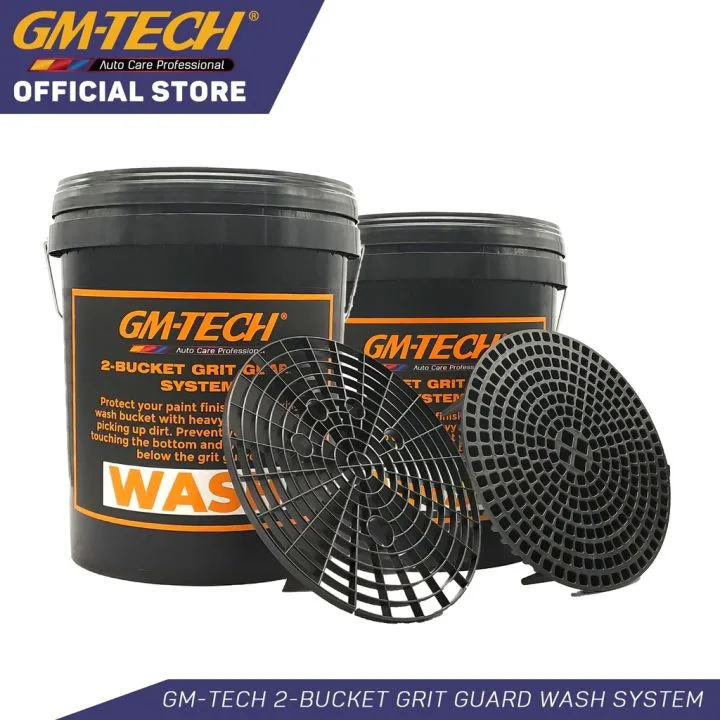
Step 3: Set up two buckets. Use one bucket for soapy water and one for rinsing the brush. Install a grit guard in the rinse bucket. This mesh insert traps debris at the bottom.
Step 4: Use a dedicated paint brush. If you're washing painted surfaces, use a brush you reserve only for paint. Never use the same brush you used on wheels or tires.
Step 5: Wash top to bottom. Start on the roof, then move to the upper panels, then the sides, and finally the lower panels. This prevents dragging heavy dirt from the bottom up over cleaner areas.
Step 6: Use light pressure. The weight of the brush itself is usually enough. If you feel resistance, stop and re-rinse the brush.
Step 7: Rinse the brush frequently. After every panel, dip the brush in the rinse bucket and agitate it. You should see grit sink to the bottom.
Step 8: Dry the car immediately. Use a clean microfiber drying towel. Water spots can form quickly and etch into the clear coat.
Even with this method, you'll still introduce some micro-scratching. But it's far better than grabbing a dirty brush and going to work.
Better Alternatives That Won't Scratch Your Paint
Bing (Web (fair-use with source credit))
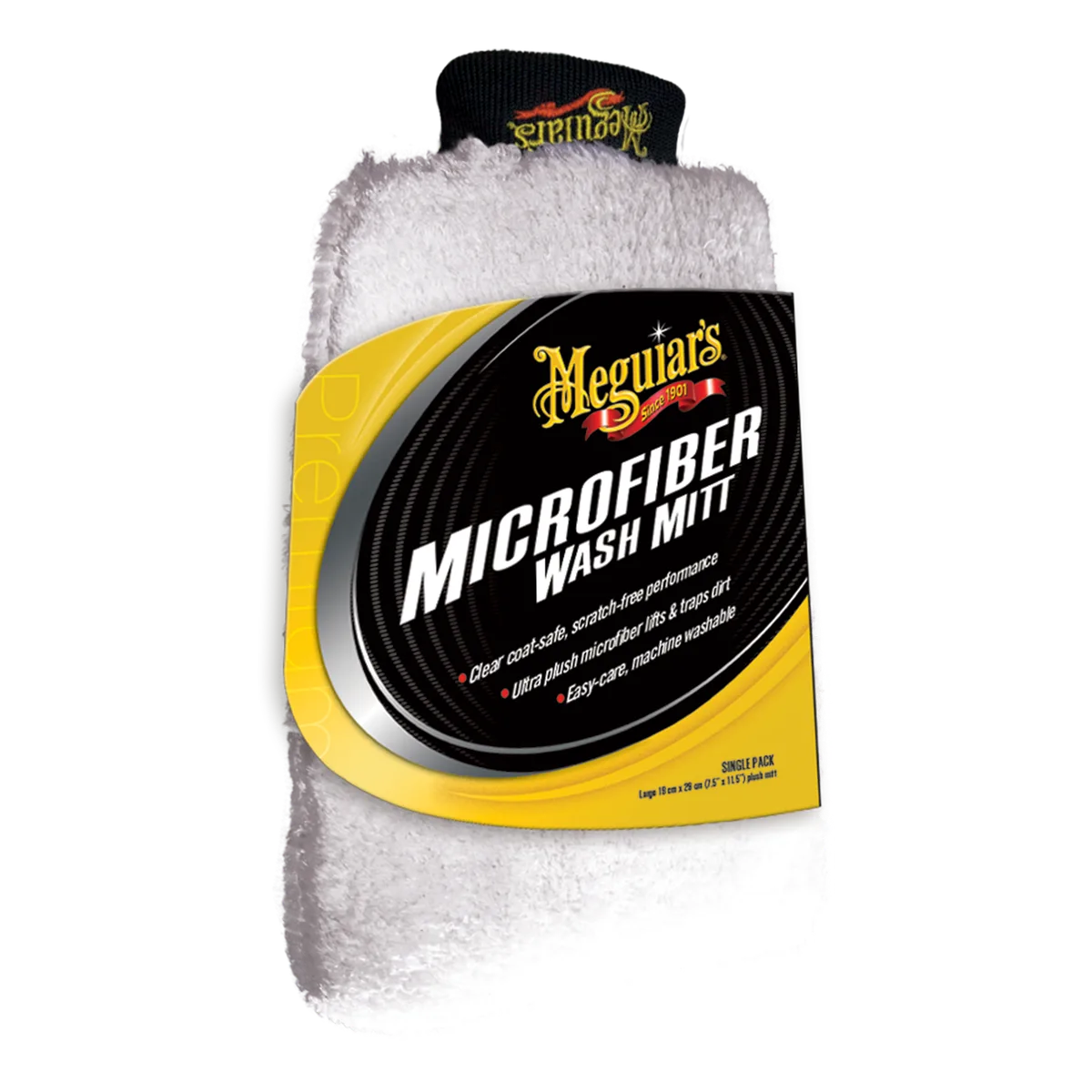
The safest tool for washing painted surfaces is a microfiber wash mitt. It has thousands of looped fibers that trap dirt and lift it away from the paint. When you rinse the mitt, the dirt releases into the water rather than staying embedded.
How to use a microfiber mitt correctly:
- Use the two-bucket method with a grit guard.
- Glide the mitt across the surface with minimal pressure.
- Rinse the mitt after every panel.
- Wash the mitt separately after each use. Never put it in the dryer.
You can pair a mitt with a quality pH-neutral car wash shampoo. For cars with paint protection film, use a dedicated shampoo to avoid damaging the PPF.
Other alternatives worth considering:
- Touchless automatic wash. Uses high-pressure water and detergents only, no brushes or cloths touch the paint. Safe for paint but may leave some dirt behind on heavily soiled cars.
- Foam cannon only. Spray foam, let it dwell, and rinse off without any physical contact. Good for light dust but won't remove baked-on bugs or road grime.
- Water spray gun with adjustable nozzle. Allows you to direct high-pressure water for rinsing without scrubbing. Useful for pre-rinse and final rinse.
For most hobbyist washers, a microfiber mitt combined with a quality car wash soap and proper bucket setup is the gold standard.
Mistakes to Avoid With Any Car Wash Brush
Even with good technique, a few common mistakes can undo your efforts.
Using dish soap. Dish soap strips wax, sealants, and ceramic coatings. It also dries out rubber seals and trim. Use a dedicated car wash shampoo instead.
Washing in direct sunlight. Hot panels cause soap and water to dry quickly, leaving residue and spotting. It also makes the clear coat softer and more prone to scratching. Wash in the shade or early morning.
Skipping the pre-rinse. Never grab a brush and start scrubbing a dry, dusty car. Always pre-rinse first.
Not cleaning the brush after use. Rinse the brush thoroughly and shake out excess water. Hang it to dry with the bristles facing down. A wet brush left in a bucket grows mold and traps grit for next time.
Using the same brush for wheels and paint. Brake dust contains metal particles that embed in brush bristles. Once that brush touches your hood, you're grinding metal into clear coat. Mark your brushes with tape or color coding.
Applying too much pressure. The natural tendency is to scrub hard when you see a stubborn spot. Fight that urge. Let the soap and water do the work.
If a spot doesn't come off with gentle passes, it needs a targeted treatment.
When a Brush Is Actually Your Best Option
Brushes aren't all bad. There are specific situations where a brush is not only acceptable but the right tool.
Heavy mud or snow removal. If you've been off-roading and your truck's undercarriage is caked in mud, a stiff brush is necessary. Use a dedicated brush for these tasks and never let it touch painted panels.
Wheel wells and tires. These areas accumulate brake dust, road grime, and rubber residue. A stiff brush is ideal for scrubbing them clean.
Large vehicles (trucks, vans, SUVs). Reaching the roof of a tall vehicle with a mitt can be awkward. A brush on a long handle makes it easier. Use a soft brush and follow the two-bucket method.
Engine bay cleaning. A soft brush can help dislodge dirt from tight spaces. Be careful around electrical components and sensors. Remove sensitive parts before washing if needed.
In all these cases, the brush serves a purpose that a mitt can't easily match. The key is to know when to use it and when to put it away.
Pro Tips to Keep Your Paint Looking New
Test brush softness before buying. Press the brush against your forearm. If it feels scratchy or leaves red marks, it's too stiff for paint. A safe brush should feel like a soft hairbrush.
Invest in a grit guard. This simple insert costs around $10 and dramatically reduces the amount of debris recirculated in your wash water.
Know your paint thickness. Professional detailers use a paint thickness gauge to measure clear coat depth. A reading below 35 microns means you need to be extra careful.
Use a quick detailer after washing. A spray-on quick detailer adds a thin layer of protection and hides minor imperfections.
Wash your wash tools. Microfiber mitts and brushes need regular cleaning. Wash mitts in a washing machine with no fabric softener. Brushes can be soaked in warm soapy water and rinsed thoroughly.
Consider a ceramic coating. A professional ceramic coating adds a hard, hydrophobic layer that resists scratching and makes future washes easier. It's not scratch-proof, but it greatly reduces the risk of swirl marks. If you've already invested in a coating, avoid brushes on painted surfaces entirely.
Check your water quality. Hard water leaves mineral deposits that can etch into clear coat. A water softener or deionized water system can prevent spotting.
When to Say No to the Brush and Call a Pro
If your car already shows visible swirl marks, haze, or light scratches, a brush will only make things worse. Professional paint correction levels the clear coat and removes imperfections. After that, the paint is more vulnerable until a sealant or coating is applied.
A brush on freshly corrected paint can undo hours of work in seconds.
If you're dealing with heavy oxidation, deep scratches, or a car that's never been properly detailed, invest in a pro first. Switch to a microfiber mitt for future washes. Most ceramic coating warranties also require safe washing methods; brushes void them.
The Bottom Line: Can You Use a Brush and Not Regret It?
Yes, but only if you pick the right brush, prep the car properly, and limit it to non-painted surfaces or light dirt. For most daily drivers, a soft horsehair brush with a two-bucket system and frequent rinsing can be used without major damage.
For anyone who values their paint, a microfiber mitt is the smarter choice. It's cheaper than a repaint and easier than fixing swirls later. As of 2026, the clear coat on modern cars is thinner and more fragile than ever.
One bad wash with a gritty brush can take years off your paint's life.
If you take one thing from this article, let it be this: the tool matters less than what's in it. A clean brush used gently on a pre-rinsed car is lightyears safer than a dirty brush used with pressure. Keep your tools clean, your technique light, and your car will thank you at resale.