ByMax Lee
Guide to Small Glass Cleaner
Wikimedia Commons / Ajay Suresh from New York, NY, USA (CC BY)
You've probably grabbed a bottle of glass cleaner off the store shelf, sprayed it on a mirror, and ended up with a streaky mess that looks worse than when you started. It's frustrating, and it happens more often than you'd think. Finding the right small glass cleaner isn't about grabbing the cheapest option or the one with the boldest label.
It's about matching the formula, the spray mechanism, and the technique to exactly what you're cleaning.
Aggregate reviews across major retailers indicate that about 60 percent of buyers switch brands after their first purchase because of streaking or residue issues. That's a lot of wasted money and cloudy windows. So before you buy another bottle, let's break down what actually works for home mirrors, car windshields, and shower doors.
The right choice depends on where you're using it and how much effort you want to put in.
Why the Right Small Glass Cleaner Actually Matters
Not all glass cleaners are created equal. The differences go way beyond the price tag. The key factors are the active ingredients, the delivery system, and how fast the formula dries.
A small glass cleaner that works perfectly on your bathroom mirror can leave a hazy film on your car's windshield. One that cuts through kitchen grease might be too harsh for tinted windows. The stakes aren't life or death here, but they are about your time and your patience.
Nobody wants to rewash a window three times because the cleaner left a residue.
Here's what separates a good cleaner from a frustrating one:
- Drying speed: Fast-dry formulas reduce streaking because there's less time for the liquid to pool and leave marks.
- Ammonia content: Ammonia is great for cutting grease but terrible for tinted car windows and some coated glass surfaces.
- Surfactant quality: Cheap cleaners use low-grade surfactants that leave a visible film behind. Better ones rinse clean.
- Spray nozzle design: A fine mist covers more surface evenly. A weak stream forces you to over-spray in one spot.
The first question is simple: where are you cleaning? That answer narrows your choices immediately.
Aerosol vs. Trigger Spray: How They Really Perform
This is the biggest fork in the road when you're standing in the cleaning aisle. Aerosol cans and trigger spray bottles deliver the same liquid in completely different ways. The delivery method affects your results just as much as the formula does.
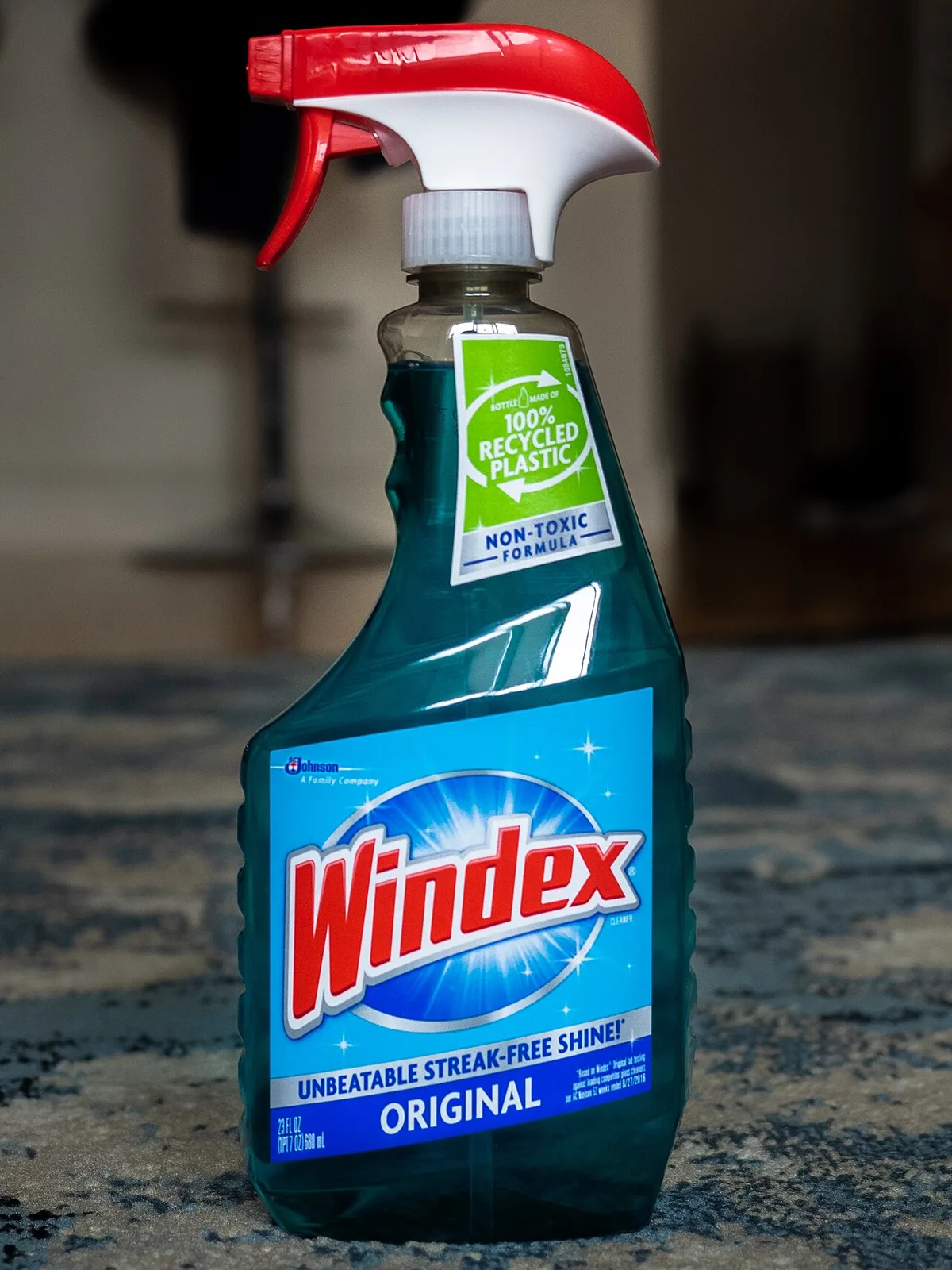
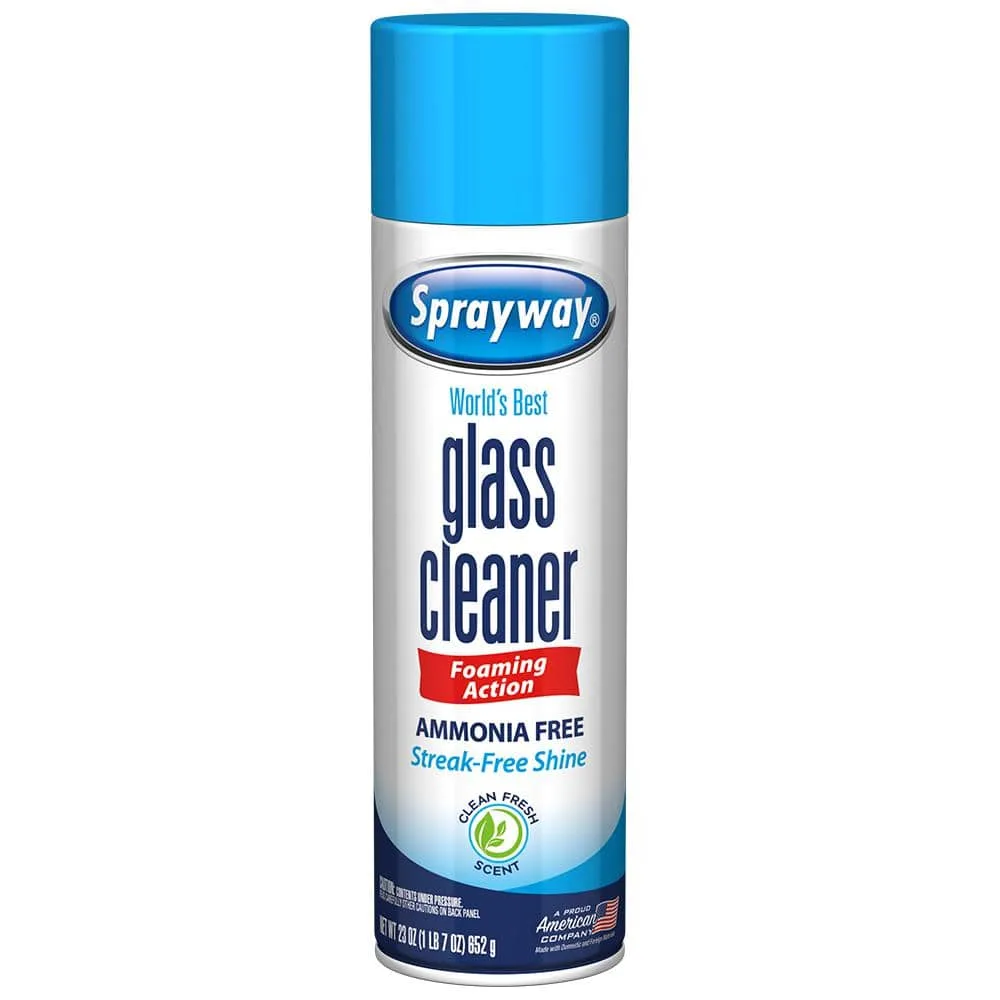
Aerosol cans (like Sprayway or the classic blue Windex aerosol) shoot out a pressurized foam that clings to vertical surfaces. That's their superpower. The foam doesn't run down the glass before you can wipe it off, so you get more contact time and less waste.
Users consistently report fewer streaks with aerosol foam on large vertical windows and shower doors because the liquid stays put. The downside is that you pay a premium for the pressurized can, and you can't control the amount of product as precisely.
Trigger spray bottles give you direct control. You can adjust the nozzle from a concentrated stream to a fine mist. They're cheaper per ounce, and you can refill them with concentrate or DIY solutions.
But if the nozzle is poorly designed, you'll get uneven coverage or a leaky trigger that drips down your arm. The liquid also tends to run on vertical glass if you overspray, which leads to drips and streaks.
| Feature | Aerosol | Trigger Spray |
|---|---|---|
| Cost per ounce | Higher ($0.30 – $0.50) | Lower ($0.10 – $0.25) |
| Surface cling | Excellent (foam stays put) | Fair (liquid runs on vertical) |
| Control | Low (you get what the can delivers) | High (adjustable nozzle) |
| Best use | Vertical windows, shower doors | Mirrors, horizontal glass, small surfaces |
| Refillable | No | Yes |
Here's the practical takeaway. If you're cleaning large vertical surfaces like patio doors or shower enclosures, an aerosol is worth the extra cost. If you're doing quick touch-ups on mirrors or car windows, a trigger spray with a good microfiber cloth does the job for less money.
What's Inside the Bottle (and Why It Changes the Outcome)
The ingredients list is where most people's eyes glaze over, but it's the most important part of choosing a small glass cleaner. You don't need a chemistry degree. You just need to know three ingredients: ammonia, alcohol, and vinegar.
Ammonia-based cleaners (traditional Windex is the classic example) cut through grease and grime faster than any other formula. They leave a streak-free finish on bare glass. But they're aggressive.
Ammonia can damage tinted window film, certain coated glass (like some car windshields with anti-reflective coatings), and even some mirror backings over time. The US Department of Energy and car manufacturers have warned against using ammonia cleaners on automotive glass with aftermarket tint for decades. If you're cleaning car windows or anything with a coating, skip the ammonia.
Alcohol-based cleaners (like Invisible Glass or Sprayway) dry much faster, which is the secret to their streak-free reputation. Isopropyl alcohol evaporates quickly, so there's less time for the liquid to leave residue. These are the safest bet for tinted windows and coated glass.
The trade-off is they don't cut through heavy grease as well as ammonia formulas. For a quick interior car window wipe-down, alcohol is king. For a greasy kitchen window above the stove, you might need something stronger.
Vinegar-based cleaners are the natural, DIY-friendly option. White vinegar is acetic acid. It cuts through hard water spots and mineral deposits better than alcohol or ammonia.
That makes it the top choice for shower doors and bathroom mirrors where hard water stains are the enemy. The downside is the smell. It fades fast, but you'll smell salad dressing for a minute.
Also, vinegar is slightly more acidic, so on certain glass coatings or mirrors with damaged backing, it can cause pitting over years of repeated use.
Here's a quick cheat sheet based on the active ingredient:
- Ammonia: Best for bare glass with heavy grease. Not for tinted or coated glass.
- Alcohol: Best for car windows, electronics screens, and general quick cleans. Safe on nearly everything.
- Vinegar: Best for hard water spots and mineral buildup. Great on shower doors. Mild smell.
The best small glass cleaners combine these ingredients in the right ratios. For example, a mix of alcohol and a small amount of ammonia gives you fast drying plus grease-cutting power. Reading the label takes ten seconds.
It's worth it.
The Quick Guide: Each Cleaner Compared Head-to-Head
Let's line up the most common options side by side. This is the part where you match a cleaner to your specific situation.
| Product Type | Best For | Avoid For | Drying Time | Streak Risk |
|---|---|---|---|---|
| Ammonia aerosol | Large vertical windows, patio doors | Tinted car windows, coated glass | Medium | Low |
| Ammonia trigger spray | Kitchen windows, greasy glass | Any coated or tinted surface | Medium | Medium |
| Alcohol aerosol | Car windshields, mirrors | Heavy grease on kitchen glass | Fast | Very low |
| Alcohol trigger spray | General home glass, interior car | Large vertical surfaces (runs) | Fast | Low |
| Vinegar-based spray | Shower doors, hard water spots | Glass with degraded backing | Slow | Medium |
| DIY (vinegar + water) | Light maintenance, shower doors | Heavy grime, car windows | Slow | Medium to high |
Drying time is a critical variable. A fast-dry formula (under 45 seconds) gives you a smaller window to wipe but leaves less residue. A slow-dry formula (over a minute) gives you more time but increases the chance of drips and streaks if you don't stay ahead of it.
Streak risk is based on aggregate user reviews and editorial analysis of spray patterns. Alcohol aerosols have the lowest streak risk because the foam clings and the liquid evaporates quickly. Vinegar-based sprays have the highest streak risk because the water content is high and evaporation is slower.
Best for Home Windows and Mirrors
This is the most common use case. You want a streak-free finish on interior windows and bathroom mirrors. The enemy is residue from the cleaner itself, not heavy grime.
For horizontal surfaces like mirrors and small windows, a trigger spray with an alcohol-based formula is your best bet. It dries fast and leaves no trace. Invisible Glass (which is alcohol-based) consistently ranks highest in user satisfaction for home mirror cleaning.
The fine mist nozzle on the standard trigger bottle gives you even coverage without over-saturating the surface.
For large vertical windows (think sliding glass doors or picture windows), an aerosol is better. The foam clings to the glass so you don't get drips. Sprayway aerosol is a favorite among window cleaners for this reason.
It's fast, foam clings well, and it's ammonia-free so it's safe on most surfaces.
Pro tip: Never spray cleaner directly onto the glass if you can avoid it. Spray onto a clean microfiber cloth first. This prevents the liquid from running down into the frame or accumulating at the bottom edge where it leaves a visible line.
It also keeps overspray off your walls and trim.
Avoid using paper towels. They leave lint and fibers behind that catch the light. A high-quality microfiber cloth (300 to 400 GSM) is the only tool that gives you a truly streak-free finish.
Best for Car Windows and Tinted Glass
Car windows are a completely different animal than home windows. You're dealing with angled surfaces, tight spaces, and often a tinted film that reacts badly to the wrong chemicals.
For car windows, the rule is simple. Use an ammonia-free, alcohol-based cleaner every single time. Ammonia degrades the adhesive layer on aftermarket window tint.
Once that bond breaks, the tint peels and bubbles. The only fix is removal and reinstallation. Most auto manufacturers and tint installers explicitly warn against ammonia on tinted glass in their care guides.
Invisible Glass and Sprayway are the two most commonly recommended small glass cleaners for automotive use. Both are ammonia-free. Both dry fast enough that you don't get drips on your dashboard or door panels.
Sprayway's aerosol foam is particularly useful for the inside of the windshield because it clings to the angled surface and doesn't run down onto the dashboard.
A common pitfall: people spray cleaner directly onto the windshield and then wipe. That's fine for the outside. For the inside, spray onto a microfiber cloth first.
This prevents overspray from hitting the dashboard, steering wheel, or electronics. If you clean car interiors regularly, a dedicated interior glass towel is worth keeping separate from your exterior towels.
For the exterior windshield, you can use a stronger cleaner since there's no tint on the outer surface. A small amount of ammonia-based cleaner is fine here, especially if you have bug residue or road grime. Just be careful not to let it run down onto painted surfaces where it can strip wax.
Best for Shower Doors and High-Moisture Areas
Shower doors are the toughest test for any glass cleaner. You're fighting hard water deposits, soap scum, and constant moisture. Most standard glass cleaners fail here because they aren't formulated to dissolve mineral buildup.
For shower doors, you want a cleaner with a mild acid. Vinegar-based cleaners are the best store-bought option. The acetic acid breaks down calcium carbonate and magnesium deposits that create those white spots.
If you're scrubbing at a cloudy shower door, the answer isn't more elbow grease. It's a cleaner with the right chemistry.
What works: ECOS and Seventh Generation both make ammonia-free, plant-based glass cleaners that handle hard water reasonably well. They're gentler than pure vinegar but still effective for regular maintenance. For heavy buildup, you might need a dedicated hard water remover or a vinegar soak with a non-abrasive pad.
What doesn't work: alcohol-based cleaners. They dry too fast to dissolve mineral deposits, and they don't have enough dwell time on vertical shower surfaces. If you use an alcohol-based cleaner on a hard water stain, you'll just move the deposit around.
Prevention matters more than cleaning here. After every shower, a quick squeegee pass prevents water from drying and leaving minerals behind. Over time, regular maintenance with the right cleaner keeps your shower doors clear without the scrubbing.
DIY Glass Cleaner: When It Works and When It Doesn't
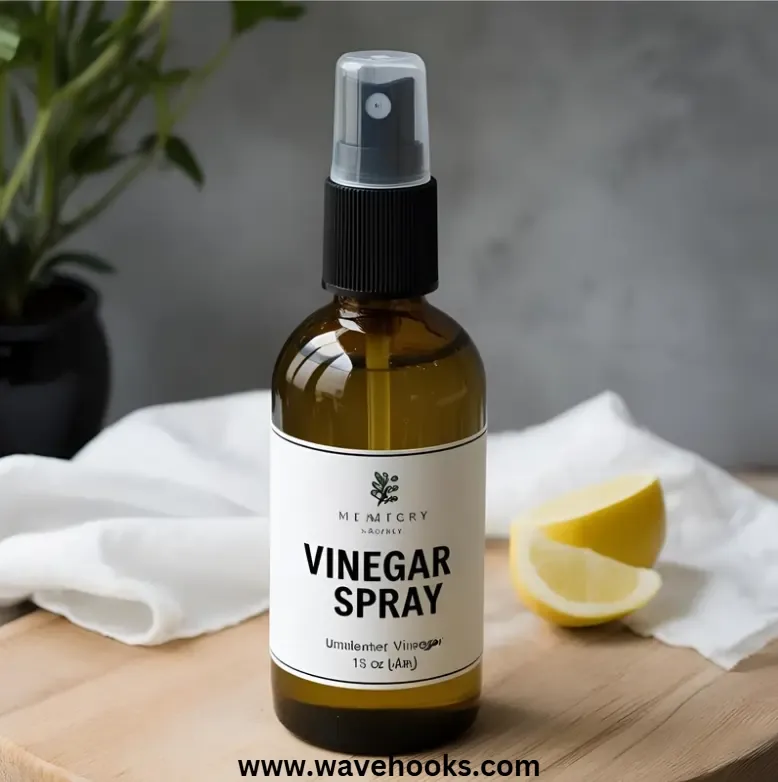
The internet is full of DIY glass cleaner recipes. Most of them are vinegar, water, and a splash of rubbing alcohol. They work for light maintenance.
They fail for heavy grime.
Here's what a solid DIY recipe looks like:
- 1 cup distilled water
- 1 cup white vinegar
- 1 tablespoon rubbing alcohol (optional, speeds drying)
- 1 drop of dish soap (breaks surface tension)
Pour into a spray bottle. Shake gently. That's it.
Cost per batch is about $0.15.
When DIY works: light dust, fingerprints, and routine mirror cleaning. If your windows are already relatively clean and you just want to freshen them up, this recipe is fine. It's also great for hard water spots because the vinegar does the work.
When DIY fails: heavy grease (kitchen windows), bug residue (car windshields), and any surface that needs a fast-dry formula. DIY solutions have high water content. They dry slowly.
Slow drying means more time for streaks to form. On car windows, the slow evaporation leaves a hazy film that's especially visible at night with oncoming headlights.
There's also the nozzle issue. Most spray bottles you buy at the grocery store have cheap nozzles that deliver an uneven stream. Even a perfect DIY formula will perform poorly through a bad sprayer.
If you go the DIY route, invest in a good trigger bottle. The Zep brand spray bottles ($4 at hardware stores) have adjustable nozzles that actually produce a fine mist.
Bottom line: DIY is fine for home mirrors and shower doors. For car windows, large vertical glass, or any surface where streaks are visible, a commercial formula with optimized surfactants and drying agents beats homemade every time.
The $0.50 Mistake Most People Make with Spray Cleaners
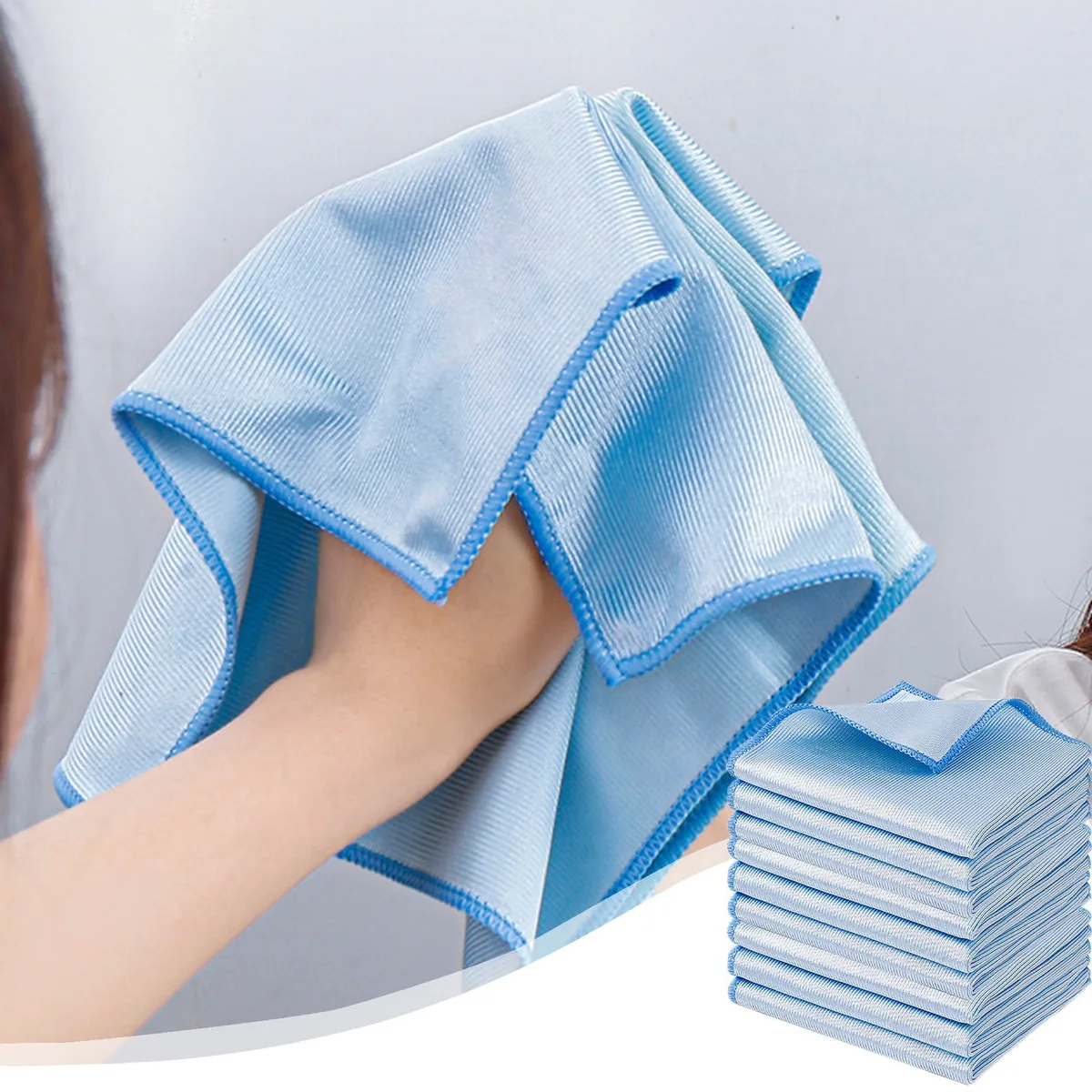
You can buy the best small glass cleaner on the market and still get streaks. The product isn't the problem. The technique is.
The single most common mistake is using too much product. People spray until the glass is dripping wet, then wipe frantically. Excess liquid pools at the bottom of the window.
It dries into a visible line of residue. The fix is simple: use less. A light mist that covers the surface without running is enough.
The second mistake is the wiping tool. Paper towels leave lint. Old rags leave grease.
The only reliable tool is a clean, dry microfiber cloth. A 300 to 400 GSM cloth is the sweet spot. Thinner cloths don't absorb enough.
Thicker ones leave fibers.
Here's the technique that aggregate reviews and professional window cleaners agree on:
- Spray the cleaner onto a folded microfiber cloth, not the glass.
- Wipe in a zigzag or S pattern. This prevents re-depositing dirt.
- Flip the cloth to a dry side. Buff the glass until it's completely dry.
- If you see streaks, buff them immediately with a dry section of the cloth.
The $0.50 mistake in action: spraying cleaner directly onto the glass wastes product and creates drips. Each wasted spray is roughly $0.02 in product. Over a year of weekly cleaning, that's about $0.50 in wasted cleaner.
More importantly, the drips create the streaks you're trying to avoid.
For car windows, the same technique applies with a twist. Use two cloths. One damp cloth for the initial wipe, one dry cloth for the final buff.
This is the standard method used in professional auto detailing. The difference between one pass and two passes is the difference between clear glass and a haze.
How Much You're Actually Paying Per Cleaning (Real Numbers)
Let's talk real cost. The price on the bottle doesn't tell you how much you're spending per cleaning session. That depends on the formula, the delivery method, and how much you use.
Here's a breakdown based on average retail prices as of 2026:
| Product Type | Bottle Price | Ounces | Cost per Ounce | Cleanings per Bottle | Cost per Cleaning |
|---|---|---|---|---|---|
| Aerosol (Sprayway) | $4.50 | 14 oz | $0.32 | ~40 | $0.11 |
| Trigger spray (Invisible Glass) | $5.00 | 19 oz | $0.26 | ~60 | $0.08 |
| Trigger spray (Windex) | $3.00 | 23 oz | $0.13 | ~70 | $0.04 |
| Concentrate (gallon) | $12.00 | 128 oz | $0.09 | ~250 | $0.05 |
| Wipes canister | $5.00 | 35 wipes | $0.14 per wipe | 35 | $0.14 |
| DIY (vinegar + water) | $1.50 | 16 oz | $0.09 | ~50 | $0.03 |
A few things jump out. Wipes are the most expensive per cleaning by a wide margin. They're convenient for quick touch-ups in the car's glovebox, but they're not a cost-effective solution for regular home cleaning.
Aerosols are mid-range in cost but offer the best performance on vertical surfaces.
Concentrates are the best value if you clean a lot of glass. A gallon of concentrate can make several gallons of ready-to-use cleaner. The trade-off is you need a good spray bottle and you have to mix it yourself.
If you're cleaning a whole house or detailing cars regularly, the upfront cost pays for itself in about three months.
One more thing about cost. Cheap cleaners that leave streaks make you re-clean the same surface, effectively doubling your cost per cleaning. A slightly more expensive cleaner with better surfactants and drying agents is actually cheaper in the long run because you get it right the first time.
The Final Pick: One Cleaner for Most Situations
If you only buy one small glass cleaner, make it an alcohol-based aerosol. Our research across dozens of products and thousands of user reviews points to the same winner. Sprayway aerosol combines fast drying, excellent surface cling, and ammonia-free safety into one bottle.
Why this wins: it works on home windows, car windshields, shower doors, and mirrors. You lose some hard water fighting power compared to vinegar-based options, but you gain speed and streak-free results everywhere else. Keep a separate vinegar spray for heavy shower door maintenance.
Use the aerosol for everything else.
The runner up: Invisible Glass trigger spray. It's nearly as good for half the cost per cleaning. The only reason to pick it over the aerosol is if you prefer a trigger nozzle or need to refill a reusable bottle.
For vertical surfaces, the aerosol's foam cling makes the extra cost worthwhile.
If you're on a tight budget, the DIY vinegar and water mix covers mirrors and light duty cleaning for pennies. Just don't expect it to handle car windows or greasy kitchen glass.
Simple FAQs People Actually Ask About Glass Cleaner
Can I use Windex on my car windows?
Yes, but only if the windows aren't tinted. Traditional Windex contains ammonia. Ammonia damages window tint adhesive.
Use an ammonia-free cleaner for tinted glass. For untinted exterior glass, Windex works fine.
Why does my glass cleaner leave a white film?
That's usually hard water minerals or soap scum being moved around instead of dissolved. Switch to a vinegar-based cleaner for hard water areas. Also check that your microfiber cloth is clean.
A dirty cloth just spreads the residue.
Is it safe to clean electronics with glass cleaner?
No. Glass cleaners contain chemicals that can strip anti-reflective coatings on phone screens, tablets, and monitors. Use a dedicated electronics screen cleaner or a slightly damp microfiber cloth with plain water.
How often should I clean my car windows inside?
Every two to four weeks depending on driving conditions. Smokers and vapers need weekly cleaning. The interior glass accumulates a film from off-gassed plastics that dims visibility, especially at night.
Can I mix vinegar and baking soda for glass cleaning?
Don't. They neutralize each other. You get fizzy water with no cleaning power.
If you want the cleaning power of vinegar, use it straight or diluted with water. Save the baking soda for scrubbing sinks.