ByMax Lee
Stop Catalytic Converter Theft in Guam: Etching Works
Guam catalytic converter theft prevention and etching program benefits help vehicle owners protect expensive exhaust components from a growing problem. Theft rates on the island have made this a regular concern, especially for SUVs, trucks, and hybrids. Knowing how the program works can help you decide whether etching is the right choice for your vehicle.
Our research shows that etching creates a permanent identifier on the converter itself. This makes stolen parts harder to sell and easier for law enforcement to trace. The Guam etching initiative pairs this marking with registration records that help close the loop on recovery efforts.
Quick Answer
Guam catalytic converter theft prevention and etching program benefits include reduced resale value for thieves. It enables easier identification by police. The program is typically offered through local police departments or authorized workshops.
Etching costs little to nothing and takes about 30 minutes per vehicle.
Why Catalytic Converter Theft Is a Serious Problem in Guam
Catalytic converters contain precious metals like platinum, palladium, and rhodium. These metals hold significant scrap value, which makes converters prime targets for theft. Guam's island economy and proximity to shipping routes can increase demand for recycled auto parts.
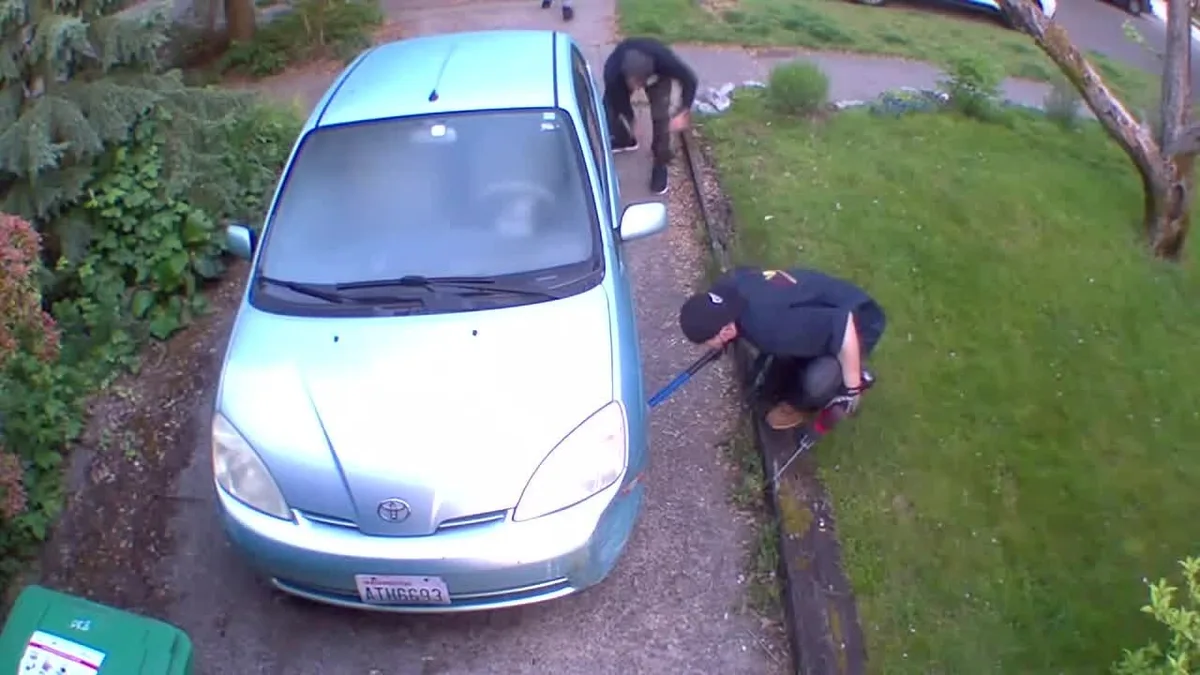
Vehicle owners face steep replacement costs. A single converter replacement can run between $1,500 and $3,000 depending on the make and model. Hybrid vehicles like the Toyota Prius and certain Honda models are especially vulnerable.
The theft process itself is quick, often taking under five minutes with a simple power tool.
The financial hit doesn't stop at the repair bill. Insurance premiums may rise after a claim. Some policies exclude converter theft entirely unless you have specific coverage.
YouTube / Inkjet Coding and Marking (YouTube thumbnail (fair-use with source credit))
Local scrap metal dealers play a role in the cycle. Without proper identification markings, a stolen converter can be sold as scrap with little questioning. This lack of accountability fuels repeat thefts in the same neighborhoods.
What the Guam Etching Program Actually Does
The Guam etching program marks your catalytic converter with a unique identifier. This identifier is usually your Vehicle Identification Number (VIN) or a custom serial number assigned by the program. The marking is applied directly to the converter's metal surface.
The program is typically run in partnership with the Guam Police Department or authorized auto repair shops. Some local dealerships may also offer the service as part of a vehicle inspection. You schedule an appointment, bring your vehicle, and a technician applies the etching.
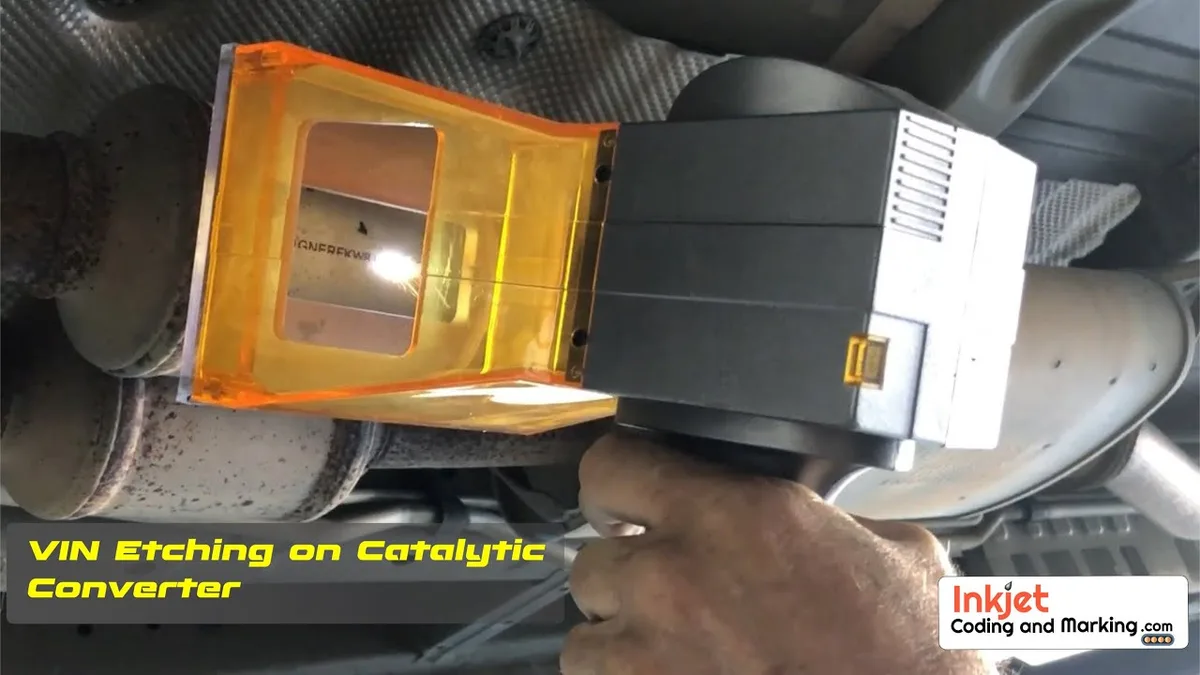
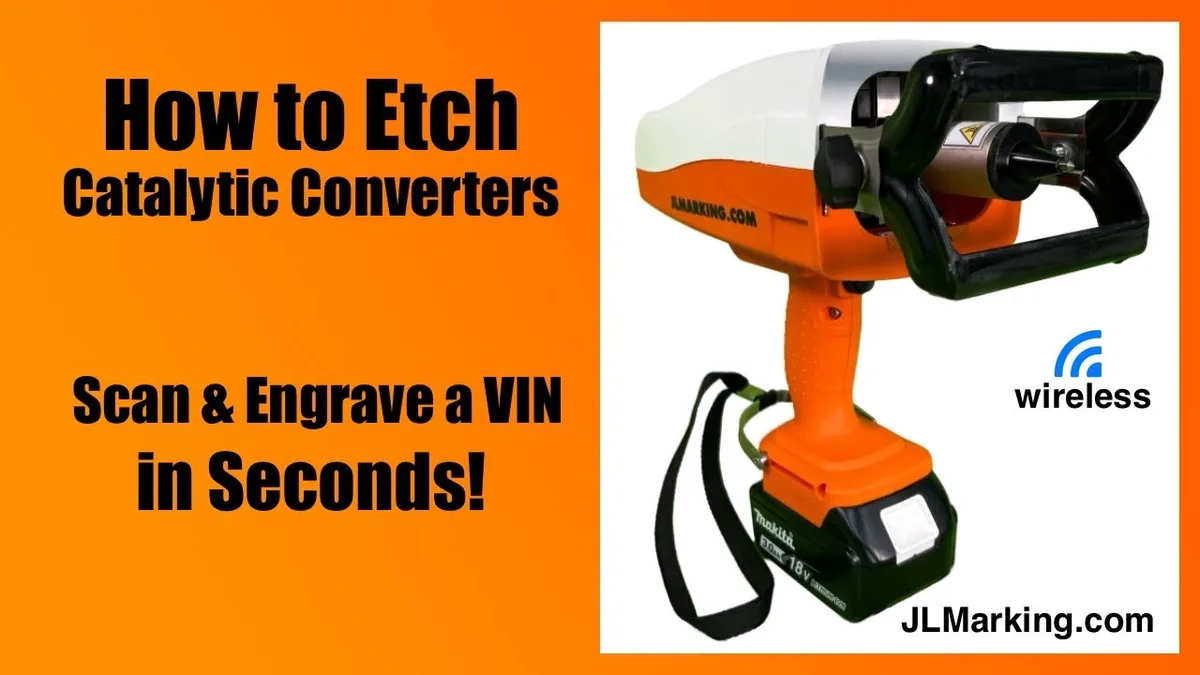
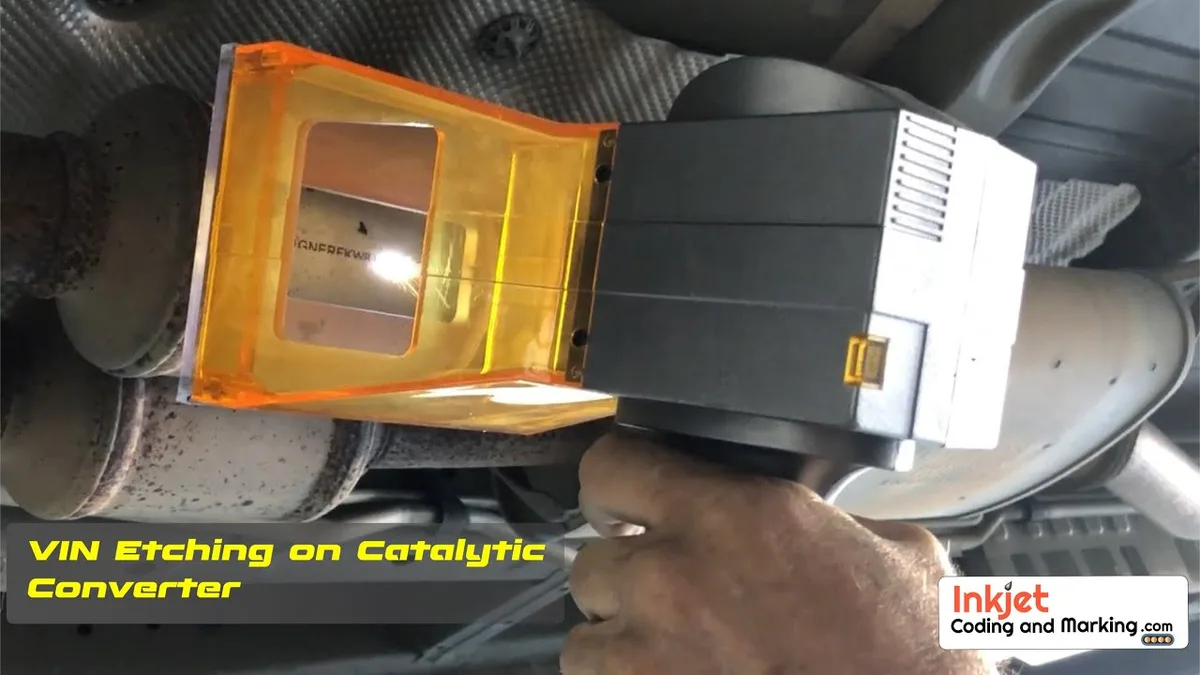
Etching uses either a chemical compound or a mechanical engraving tool. The process leaves a deep, permanent mark that cannot be easily removed or ground off. Unlike stickers or paint, etched numbers survive heat, water, and road debris.
After etching, your vehicle's information is recorded in a local database. Law enforcement can access this registry to verify ownership if a converter is recovered.
YouTube / house324 (YouTube thumbnail (fair-use with source credit))
How VIN Etching Works: Marking, Registration, and Verification
The etching process follows a straightforward sequence. First, the technician locates the catalytic converter under your vehicle. They clean the surface to remove dirt, rust, or grease that could interfere with the mark.
Next, a stencil or template is positioned on the converter. The template ensures the marking is placed in a visible but protected location. Most technicians choose an area that's accessible for inspection but shielded from direct impact.
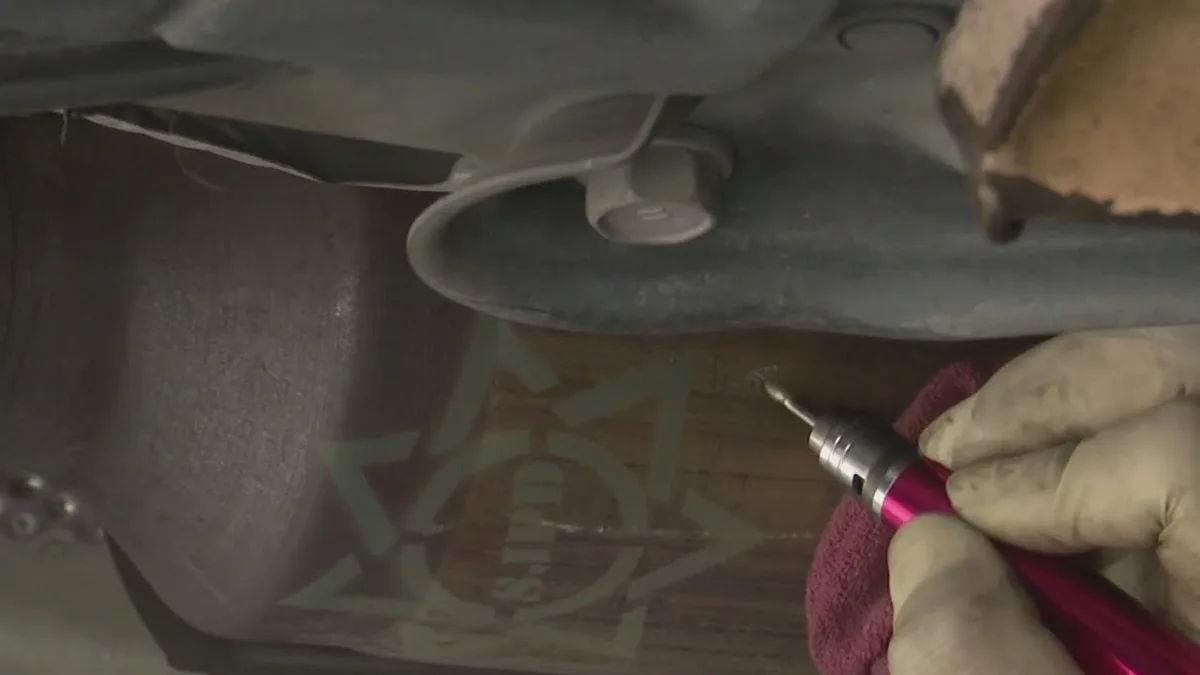
The etching tool then engraves the identifier. For chemical etching, a pen-like applicator deposits an acid-based compound that burns the mark into the metal. Mechanical etching uses a rotating diamond or carbide bit to carve the number.
Both methods create a mark that lasts the life of the converter.
Once etched, the marking is allowed to cure. Chemical etches may need a few minutes to settle. Mechanical etches are readable immediately.
The technician then records your VIN, vehicle details, and the etch location in the program database.
Verification happens when law enforcement or a scrap dealer encounters the converter. They can reference the database to confirm whether the marked part matches a registered vehicle.
The Real Benefits of Getting Your Converter Etched
Etching provides several practical advantages for Guam vehicle owners. The primary benefit is deterrence. Thieves know that an etched converter is harder to sell, which makes them move on to an unmarked target.
Recovery is another major benefit. If your converter is stolen and later found, the etched number allows police to link it back to your vehicle. This can lead to prosecution and the return of your part.
Some insurance companies offer premium discounts for etched converters. Not all providers participate, so it's worth asking your agent.
Etching also protects your resale value. When you sell your vehicle, a documented etching record can reassure buyers that the car has been protected against theft.
For hybrid and high-theft vehicles, etching is especially valuable. Models like the Honda CR-V, Ford F-Series, and Toyota Tacoma are frequently targeted.
YouTube / Cali Raised LED (YouTube thumbnail (fair-use with source credit))
Are There Downsides or Gaps? An Honest Look
No prevention method is perfect, and etching has limitations. The most significant gap is participation. If only a small percentage of vehicles in an area are etched, thieves can still operate with relative ease.
Etching doesn't physically prevent theft. A determined thief can still cut out an etched converter. The marking only adds traceability, not a barrier.
Another limitation is database accessibility. If law enforcement officers aren't trained to check the registry, the etching is less useful.
DIY etching kits are available online, but they lack the registration step. A self-etched converter without a database record is only a partial deterrent.
Costs are generally low, but some providers may charge a small fee for materials or labor. These fees are typically under $50.
Finally, etching can wear over extreme time. The mark itself remains, but heavy corrosion or repeated undercarriage impacts can obscure it.
How Etching Compares to Converter Shields, Alarms, and GPS Trackers
| Prevention Method | Cost Range | How It Works | Best For |
|---|---|---|---|
| VIN Etching | $0–$50 | Marks converter with traceable ID | Owner who wants low-cost, permanent identification |
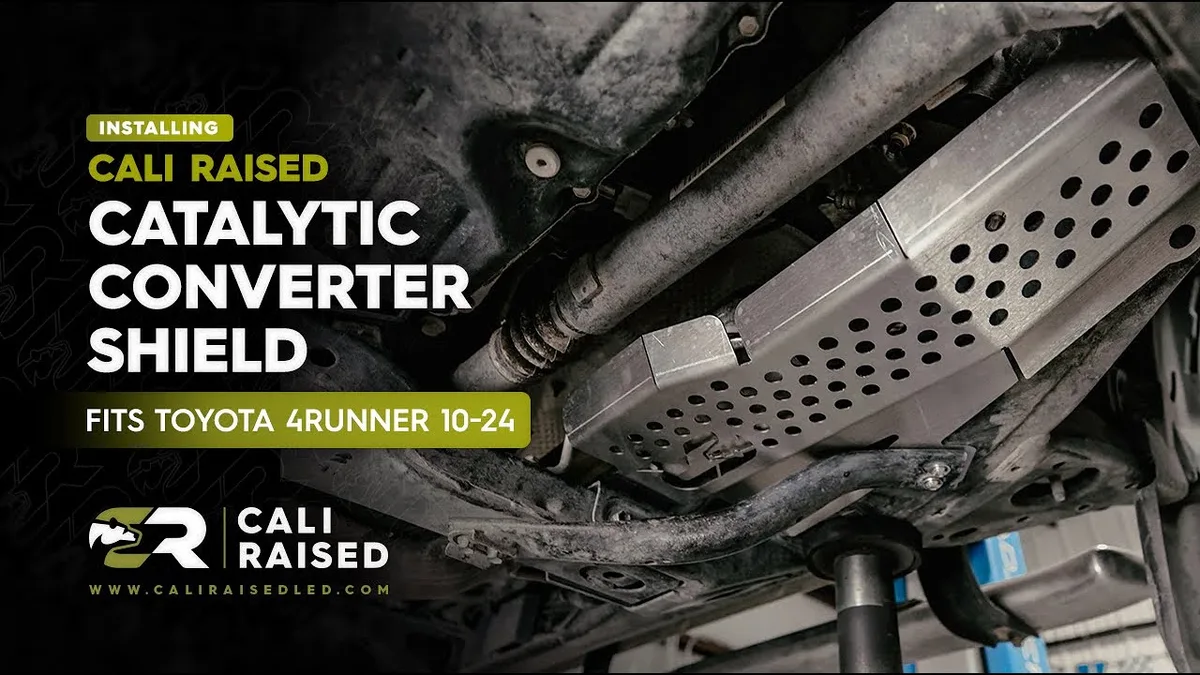
| Metal Shield | $200–$500 | Steel cage that blocks access to converter | High-theft vehicles, off-road use |
| Alarm System | $150–$400 | Senses vibration or movement under vehicle | Drivers who want active deterrence |
| GPS Tracker | $300–$600 | Small device attached to converter for location tracking | Owners who want recovery capability after theft |
Etching stands out for its low cost and permanence. It doesn't add bulk or require power. However, it doesn't stop the theft itself.
Combining methods often yields the best results. Many Guam owners pair etching with a basic alarm or regular parking in a locked garage.
YouTube / Inkjet Coding and Marking (YouTube thumbnail (fair-use with source credit))
Step-by-Step: How to Get Your Converter Etched in Guam
Getting your converter etched is a straightforward process.
- Schedule an Appointment. Contact the Guam Police Department or an authorized workshop to book a time.
- Bring Required Documents. Have your vehicle registration, proof of insurance, and a valid ID ready.
- Inspect the Converter. Before the service, check your converter for existing marks or damage.
- Prepare the Vehicle. The technician will raise your vehicle on a lift or jack. Ensure the area is clean and dry.
- Apply the Etching Mark. The technician will clean the converter surface, position the stencil, and apply the etching compound or engrave the number.
- Allow Curing Time. If using chemical etch, wait the recommended curing period.
- Register the Mark. The technician enters your vehicle details into the local database.
- Verify the Mark. After the service, visually inspect the etched number.
- Maintain Records. Keep your receipt and database confirmation with your vehicle paperwork.
Who Should Get Etched First (and Who Can Wait)
Not every vehicle needs immediate etching. Your risk level depends on several factors.
High priority (etch soon):
- Hybrid vehicles (Toyota Prius, Honda Insight)
- Trucks and SUVs with elevated exhaust systems
- Vehicles parked on the street overnight
Moderate priority (etch within 6 months):
- Older vehicles with standard catalytic converters
- Cars parked in secured garages most of the time
Lower priority (etch if budget allows):
- Newer vehicles with manufacturer anti-theft coatings
- Cars kept in locked, monitored parking facilities
Common Mistakes People Make With Etching Programs
Avoiding these errors ensures your etching delivers the intended protection.
- Skipping registration. An unregistered etch is just a mark.
- Choosing an unverified service. DIY kits lack traceability.
- Etching the wrong location. The mark must be visible for inspection but protected from direct impact.
- Ignoring wear over time. Re-etch if corrosion obscures the number.
- Assuming it prevents theft. Etching aids recovery, not prevention.
Insurance, Law Enforcement, and Scrap Metal Regulations
Understanding the legal and regulatory landscape helps you navigate claims and compliance.
Law enforcement agencies in Guam can access the etching database to verify ownership of recovered parts. Scrap metal dealers are required to record serial numbers on certain high-value parts.
Insurance policies vary widely in their coverage of converter theft. Some policies exclude it entirely unless you have a specific rider.
Keep all documentation related to your etching. This includes the receipt, database confirmation, and photos of the mark.
YouTube / KPIX | CBS NEWS BAY AREA (YouTube thumbnail (fair-use with source credit))
What to Do if Your Converter Is Stolen Anyway
Theft can still happen even with prevention measures in place.
- Report the theft immediately. Contact local police and provide your VIN, etching registration number, and time of discovery.
- Document the scene. Take photos of the cut pipes and any tools left behind.
- Check your insurance. Call your provider to start a claim.
- Monitor scrap dealers. If you hear about a nearby scrap yard dealing in suspicious converters, share this with police.
- Replace with an etched unit. When getting a new converter, ensure it's also marked with your VIN or a new database number.
YouTube / FOX 13 Seattle (YouTube thumbnail (fair-use with source credit))
Verified Summary: Is the Program Worth It?
The Guam etching program is a low-cost, high-impact way to deter catalytic converter theft. It adds traceability without physical barriers or ongoing maintenance.
For most vehicle owners, the benefits outweigh the minimal time and cost. The program is especially valuable for high-theft models and areas with active scrap metal markets.
Frequently Asked Questions
Is the Guam etching program free?
Most Guam etching services are free or charge a minimal material fee. Authorized providers run the program as a community safety initiative.
How long does the etching process take?
The entire appointment typically lasts 30 to 45 minutes. This includes inspection, cleaning, etching, curing, and registration.
Can etching be removed or hidden?
Etched marks are permanent and cannot be removed without destroying the converter surface. Thieves may try to grind or cover them, but this is difficult and time-consuming.
Does etching lower my insurance premium?
Some insurers offer discounts for etched converters, but not all. Check with your agent to see if your policy qualifies for a reduction.
What if I replace my catalytic converter?
Have the new converter etched with your VIN or a new database number. Update your registration records to reflect the change.
Are there any risks of etching damaging my converter?
Professional etching is safe and does not affect converter performance. The mark is applied to the outer housing, not the internal honeycomb. Avoid DIY kits that use excessive acid or pressure.