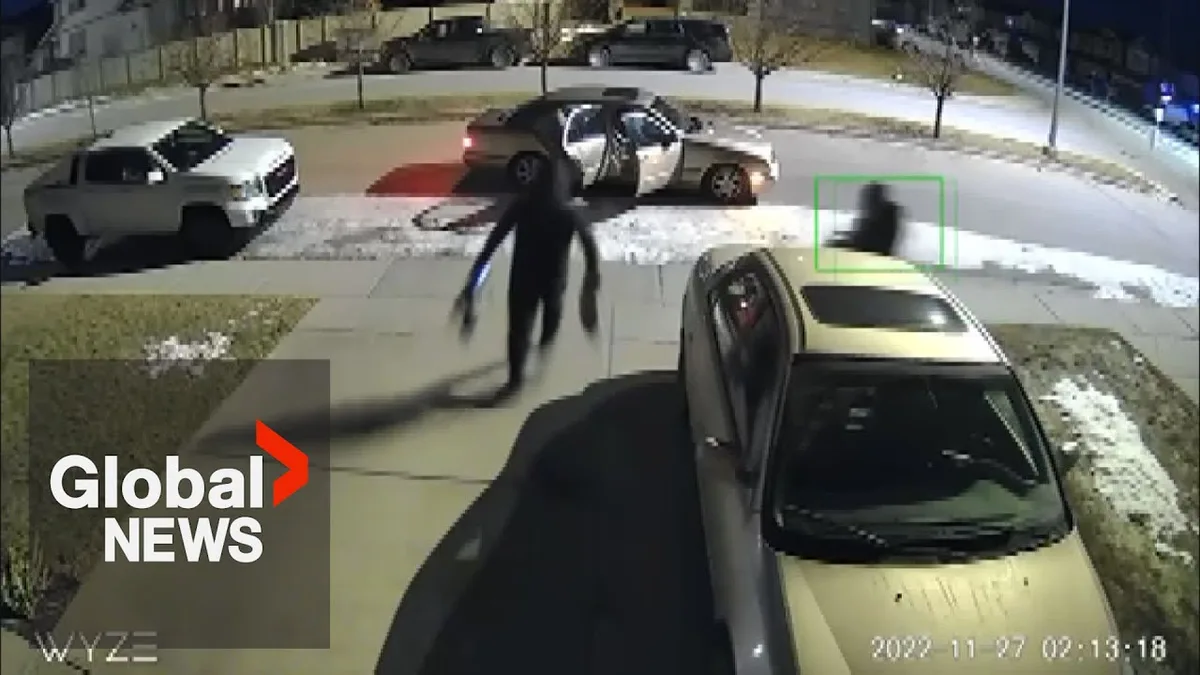
Catalytic converter theft is surging in Maryland, and the state’s free etching program is one of the best ways to fight back. The Maryland catalytic converter theft prevention and etching program benefits include deterring thieves, aiding recovery, and even lowering insurance costs. These parts are prime targets because they contain precious metals like palladium and rhodium, and thieves can swipe them in under two minutes.
As of 2026, Maryland has seen a 300% increase in catalytic converter thefts since 2019, with replacement costs often exceeding $2,000. The good news is that etching your converter’s VIN makes it harder to sell and easier to trace.
Quick Answer
The Maryland catalytic converter etching program marks your converter with your VIN. This deters thieves because marked parts are harder to fence. It also helps police return recovered converters to the right owner.
Many Maryland counties offer this service for free. Some insurers even give discounts for etched converters.
Why Catalytic Converter Theft Is a Big Problem in Maryland
Thieves target catalytic converters for their palladium, rhodium, and platinum, which can fetch hundreds of dollars at scrap yards. Maryland’s high theft rates are partly due to its dense urban areas and easy access to major highways, making quick getaways simple.
The most stolen vehicles include the Toyota Prius, Honda Element, and Ford F-Series, as their converters contain higher concentrations of precious metals. As of 2026, Baltimore, Montgomery County, and Prince George’s County remain hotspots for these crimes.
How Maryland’s Free Etching Program Helps Stop Theft
The Maryland Vehicle Theft Prevention Council (MVTPC) runs free etching events across the state. During these events, technicians engrave your vehicle’s VIN onto the catalytic converter, making it uniquely identifiable. This process takes about 15, 20 minutes and uses high-temperature-resistant paint or laser etching to ensure durability.
Etched converters are less appealing to thieves because scrap yards and recyclers can trace them back to the original vehicle. According to the National Insurance Crime Bureau, marked converters have a significantly lower resale value on the black market.
What the Etching Process Actually Does
Etching permanently marks your catalytic converter with your Vehicle Identification Number (VIN) or a unique serial number. This marking is visible and can survive extreme heat and harsh conditions under your vehicle.
The process typically involves:
- Cleaning the converter’s surface to ensure the marking adheres properly
- Using a specialized etching tool or high-temp paint to apply the VIN
- Applying a tamper-evident decal to signal that the part is marked
The marking doesn’t affect the converter’s performance but makes it far less attractive to thieves.
Who Should Get Their Converter Etched (and Who Might Skip It)
If you own a high-target vehicle like a Toyota Prius, Honda Element, or Ford truck, etching is a no-brainer. It’s also a smart move if you park your car in high-theft areas or leave it unattended for long periods.
You might skip etching if your vehicle has a low-value converter or if you already have a physical deterrent like a shield. However, even in these cases, the free and quick nature of the program makes it worth considering. Fleet owners and businesses with multiple vehicles should prioritize etching, as they’re often prime targets for organized theft rings.
Step-by-Step: How to Get Your Catalytic Converter Etched in Maryland
First, check if your county participates in the free etching program. The Maryland Vehicle Theft Prevention Council (MVTPC) lists events on their website, and local police departments often host them too.
Bring your vehicle to an etching event with your registration and ID. Technicians will locate the converter, clean it, and engrave your VIN. The whole process takes about 20 minutes.
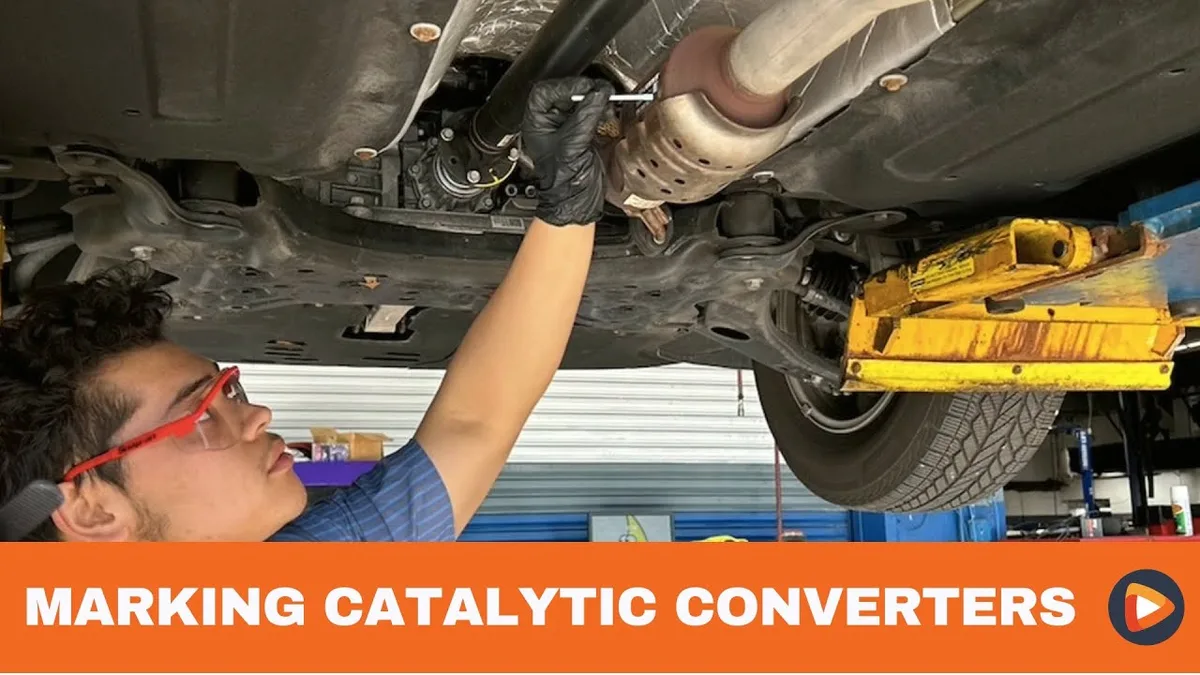
Some shops also offer etching for a small fee if you can’t make a free event. Call ahead to confirm availability and pricing.
Other Ways to Protect Your Converter (Beyond Etching)
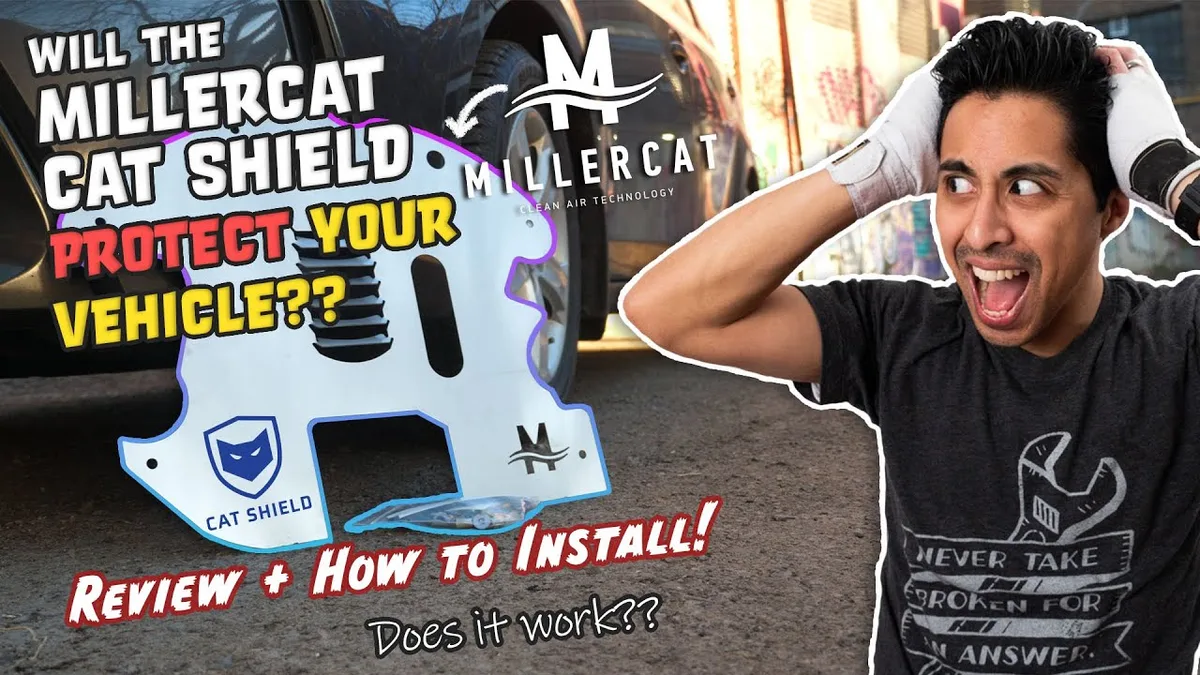
A catalytic converter shield is a steel plate that makes theft harder. These cost $200, $500 installed but can be a strong deterrent for high-risk vehicles.
Parking in well-lit areas or garages reduces opportunities for thieves. Motion-sensor lights or security cameras add another layer of protection.
Some owners weld the converter to the frame, but this can make future repairs more difficult. Always weigh the pros and cons before modifying your exhaust system.
Etching vs. Shields vs. Alarms: Which Works Best?
Etching is the cheapest and most widely recommended option. It costs nothing in many Maryland counties and helps law enforcement track stolen parts.
Shields provide physical protection but won’t stop determined thieves with the right tools. They’re best for vehicles parked in high-risk areas overnight.
Alarms can alert you to theft in progress, but thieves can still cut the converter quickly. Combining etching with a shield offers the best balance of cost and security.
How Much It Costs (and Where to Get It Free)
The MVTPC program offers free etching at events across Maryland. Some auto shops charge $20, $50 for the service if you can’t attend an event.
Shields cost $150, $500 for parts and installation. Alarms vary widely, from $50 for basic models to $300 for advanced systems with motion sensors.
Check with your insurance provider, as some offer discounts for etched converters. The savings can offset the cost over time.
Maryland’s Laws on Stolen Converters and Scrap Metal
Maryland law requires scrap metal dealers to verify seller identity for catalytic converters. This makes it harder for thieves to fence stolen parts.
Tampering with a VIN-etched converter is a felony in Maryland. This adds legal risk for thieves and protects vehicle owners.
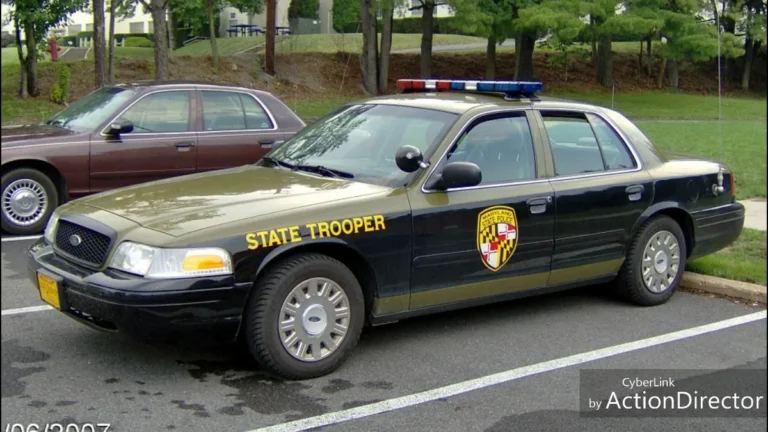
The Maryland State Police (MSP) actively tracks stolen converters and works with scrap yards to recover them. Reporting thefts promptly increases the chances of recovery.
Common Mistakes That Make Theft Easier
Parking in dark, isolated areas gives thieves the time they need. Even a few extra minutes can make the difference between a stolen converter and a safe one.
Ignoring recall notices for your vehicle can leave it vulnerable. Some manufacturers have issued recalls for converters that are easier to steal.
Not reporting thefts immediately reduces the chance of recovery. The sooner law enforcement knows, the better the odds of catching the thieves.
What to Do If Your Catalytic Converter Gets Stolen
File a police report right away. This creates a paper trail and helps authorities track patterns.
Contact your insurance company to start a claim. Most comprehensive policies cover converter theft, but check your deductible.
Get a repair estimate from a trusted mechanic. Replacement costs vary, but expect to pay $1,000, $3,000 for parts and labor.
FAQs About Maryland’s Etching Program
Is the etching program really free?
Yes, many Maryland counties offer free VIN etching through the MVTPC. Some auto shops charge a small fee if you can’t attend an event.
How long does etching take?
The process usually takes 15, 20 minutes. Technicians clean the converter, apply the VIN, and add a tamper-evident decal.
Does etching affect my car’s performance?
No, etching only marks the converter’s surface. It doesn’t change how your exhaust system works.
Will etching stop all thefts?
It won’t stop every thief, but it makes your converter far less attractive. Most thieves avoid marked parts because they’re harder to sell.
Can I etch my converter myself?
DIY kits exist, but professional etching is more reliable. The MVTPC program ensures proper marking and registration.
Do I need to re-etch if I move out of Maryland?
No, the VIN marking is permanent. But check if your new state has additional anti-theft programs.
Final Verdict: Is Etching Worth It for You?
For most Maryland drivers, the answer is yes. The free program takes little time and adds a strong layer of protection.
If you own a high-target vehicle or park in risky areas, etching is a no-brainer. Even with other deterrents, it’s a smart, low-cost step.
The only reason to skip it is if you rarely drive or park in high-theft zones. But given the low effort and cost, most drivers should take advantage.