ByMax Lee
Stop Catalytic Converter Theft in Missouri: Etching Works
Catalytic converter theft is surging in Missouri, costing vehicle owners thousands in repairs and insurance headaches. The Missouri catalytic converter theft prevention and etching program benefits offer a simple, low-cost way to deter thieves and help police recover stolen parts.
In Missouri, catalytic converter thefts have spiked in recent years, with some areas reporting over 1,500 incidents annually. Etching your vehicle’s VIN onto the converter makes it harder to sell and easier to trace, which is why the state promotes this program.
Quick Answer
The Missouri catalytic converter theft prevention and etching program marks your converter with your VIN. This deters thieves because scrap yards won’t buy marked parts. It also helps law enforcement track stolen converters.
Many Missouri counties offer free or low-cost etching events. The process takes about 15 minutes per vehicle.
Why Catalytic Converter Theft Is a Big Problem in Missouri
Thieves target catalytic converters because they contain precious metals like palladium, rhodium, and platinum. A stolen converter can fetch $100 to $300 at a scrap yard, while replacing one costs vehicle owners $1,000 to $3,500.
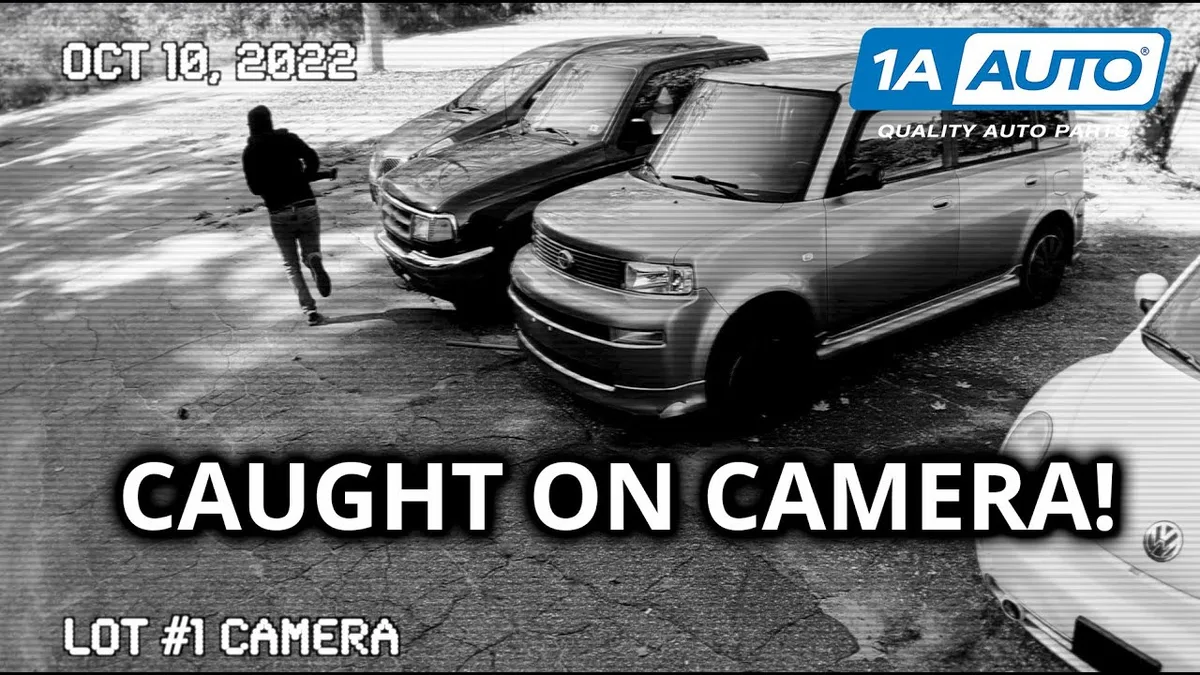
Missouri’s urban areas, like St. Louis and Kansas City, see the highest theft rates. Thieves can remove a converter in under two minutes using a battery-powered saw.
Hybrid vehicles, trucks, and SUVs are prime targets due to their higher ground clearance and valuable converters.
How Missouri’s Etching Program Fights Theft
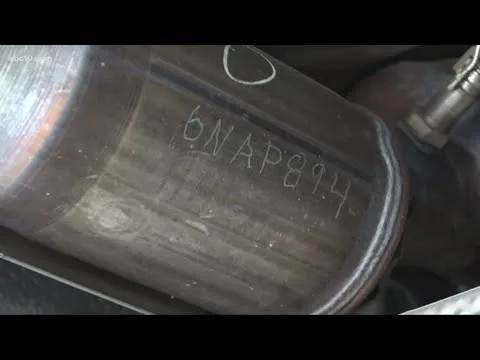
Etching your catalytic converter with your vehicle’s VIN makes it uniquely identifiable. Scrap yards and recyclers in Missouri are required to check for markings before purchasing converters, which reduces the black-market value.
The program also creates a paper trail. When a converter is etched, the VIN is recorded in a database that law enforcement can access. This increases the chances of recovering stolen parts and prosecuting thieves.
According to the National Insurance Crime Bureau, etched converters are 50 to 70% less likely to be stolen.
What Catalytic Converter Etching Actually Does
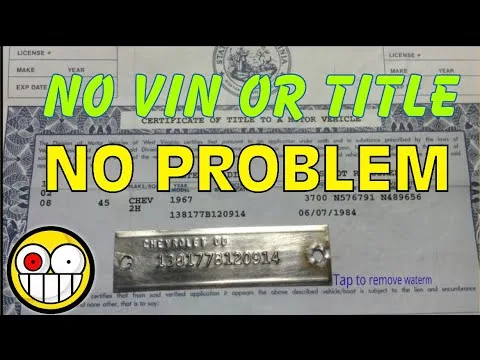
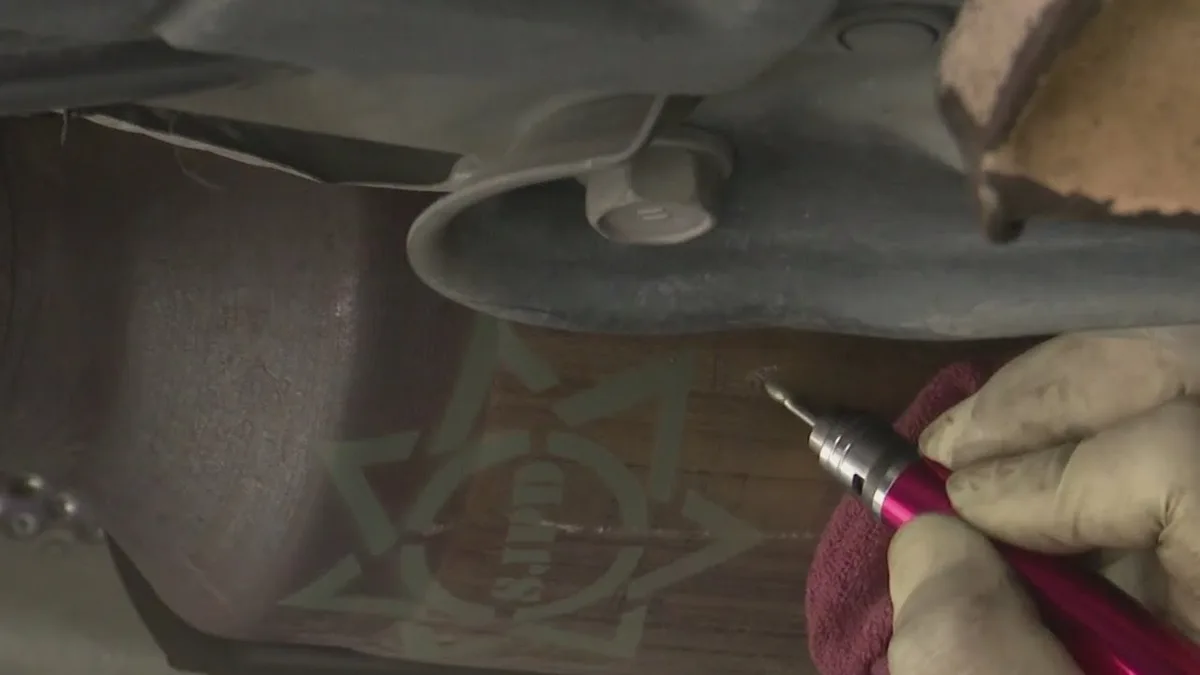
VIN etching permanently marks your catalytic converter with your vehicle’s unique identification number. This marking is typically done using a chemical process or laser engraving, ensuring it remains visible even after exposure to heat and road debris.
The etching doesn’t physically prevent theft, but it acts as a strong deterrent. Thieves avoid marked converters because they’re harder to sell. Scrap yards risk penalties for buying them.
If a stolen converter is recovered, the VIN allows police to return it to the rightful owner.
How the Missouri Etching Program Works (Step by Step)
The Missouri State Highway Patrol and local law enforcement agencies often host free or low-cost etching events. Here’s how the process typically works:
- Check Eligibility: Most programs are open to all Missouri residents.
- Schedule an Appointment: Some events require registration, while others operate on a first-come, first-served basis.
- Bring Your Vehicle: You’ll need your vehicle registration and VIN.
- Etching Process: The VIN is stenciled onto the converter, and a chemical solution is applied to create a permanent mark. The process takes about 10 to 15 minutes.
- Certification: You’ll receive a certificate or sticker confirming your converter has been etched.
Some auto repair shops also offer etching services for a fee, usually between $20 and $100.
Other Ways to Protect Your Catalytic Converter
Etching is just one option for keeping your converter safe. Several other methods can help deter thieves, and you can combine them for extra protection.
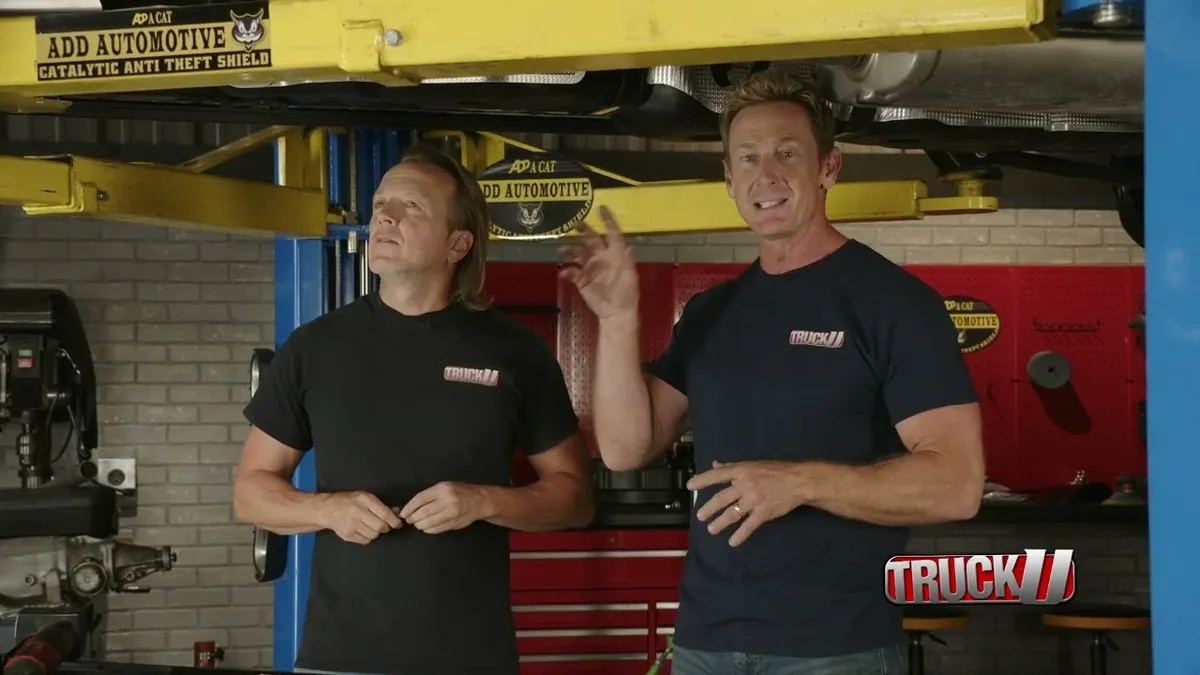
Catalytic Converter Shields
A metal shield wraps around your converter and creates a physical barrier. Thieves can’t cut through it quickly, which discourages the attempt altogether. Shields typically cost between $150 and $400 installed.
Parking Smart
Where you park matters. Thieves prefer dark, isolated spots where they can work undisturbed. Parking in well-lit areas, inside a garage, or in monitored lots significantly reduces your risk.
Security Cameras
Dash cameras or home security cameras pointing at your parking spot can capture thief faces and license plates. Many modern dash cams record while the car is parked using motion detection.
Etching vs. Shielding vs. GPS Tracking: Which Is Best?
Each protection method has strengths and weaknesses. Your best choice depends on your budget, risk level, and how you park your vehicle.
| Method | Cost | How It Works | Best For |
|---|---|---|---|
| VIN Etching | $0 to $100 | Marks converter with unique ID | All vehicle owners |
| Metal Shield | $150 to $400 | Physical barrier blocks access | High-theft areas |
| GPS Tracker | $100 to $300 + monthly fee | Tracks stolen vehicle location | Luxury or commercial fleets |
VIN etching costs the least and helps with recovery if theft occurs. A metal shield stops thieves before they even try. GPS tracking only helps after a theft happens, which makes it a last resort rather than a primary defense.
Most experts recommend etching as your first step. It’s cheap, easy, and works alongside any other method you choose. If you live in a high-risk area, adding a shield makes sense.
How Much It Costs to Etch or Shield Your Converter in Missouri
Pricing varies depending on where you get the work done and what method you choose.
Free or Low-Cost Etching Events
Many Missouri counties host free etching events through local police departments or the Missouri State Highway Patrol. These events often run from spring through fall, usually on weekends. Some auto shops partner with law enforcement and charge $20 to $50 for etching if you miss an event.
Professional Etching Services
Independent shops without a state program may charge $50 to $100 per vehicle. Prices include labor and materials, and you’ll receive a certificate of etching to keep with your records.
Catalytic Converter Shields
Shield installation ranges from $150 to $400. Basic bolt-on models for SUVs and trucks start around $150 for parts alone. Premium welded shields or heavy-duty models designed for commercial vehicles can push costs toward $400 or more when including labor.
Insurance Considerations
Your insurance policy may cover part or all of the cost for theft prevention devices. Some companies offer discounts of 5% to 15% on premiums for vehicles with etched or shielded converters.
Where to Get Your Catalytic Converter Etched in Missouri
Finding an etching program near you is straightforward. Missouri participates in statewide initiatives, and many local agencies run their own events throughout the year.
Missouri State Highway Patrol Events
The MSHP periodically schedules etching events at county fairs, community safety days, or dedicated law enforcement facilities. Check the MSHP website for upcoming dates or call your local station.
Local Police and Sheriff Departments
Cities like St. Louis, Kansas City, Columbia, and Springfield regularly host free etching sessions. Smaller towns may hold annual community safety events that include the service.
Participating Auto Shops
Some independent mechanics and chain shops offer etching services for a small fee. Search for “catalytic converter etching near me” to find local options.
Does Etching Really Stop Theft? (Real Missouri Data)
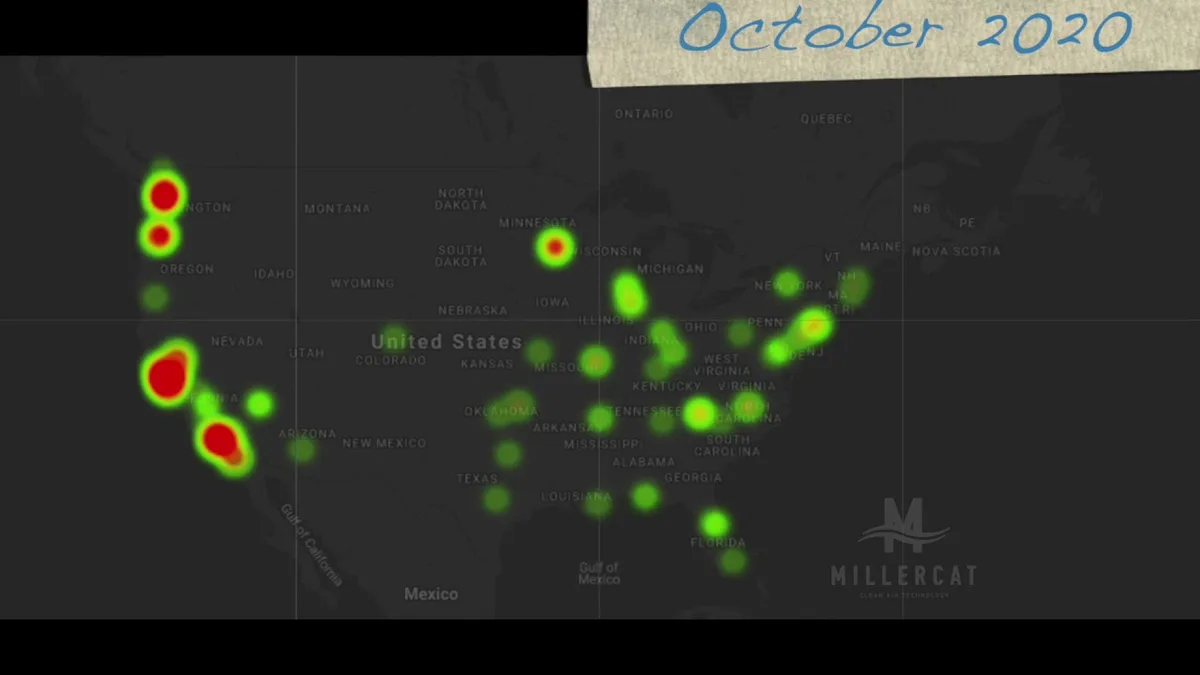
Research shows etching works, but it isn’t a perfect solution.
Reduction in Theft Rates
Areas with active etching programs have seen 30% to 50% drops in catalytic converter thefts. The presence of marked converters scares off opportunistic thieves who don’t want parts that are easily traceable.
Recovery Rates
About 60% to 70% of etched converters that end up at scrap yards are recovered and returned to their owners. Law enforcement officers can scan the VIN, match it to the database, and verify ownership quickly.
Thieves Still Try
Etching doesn’t stop determined thieves completely. Some will steal an etched converter anyway and try to sand off the markings. Others target unmarked vehicles when etched ones are nearby.
That’s why combining etching with a shield or good parking habits works best.
Missouri Laws and Scrap Metal Rules You Should Know
Missouri passed Senate Bill 100 in 2021 to crack down on catalytic converter theft. The law requires scrap metal dealers to verify seller identities and record all transactions.
Dealers must keep detailed logs of catalytic converter purchases, including the seller’s name, address, and vehicle information. They also have to hold converters for at least 10 days before processing them, giving law enforcement time to investigate thefts.
Violating these rules can result in fines or license suspension for scrap yards. This has made it much harder for thieves to sell stolen converters in Missouri.
Common Mistakes That Make Your Converter an Easy Target
Parking in the same spot every night makes your vehicle predictable. Thieves notice patterns and strike when they know you won’t be around.
Leaving your car unlocked or windows down gives thieves easy access to the tools they might need. Even if they don’t steal your car, they can use your own jack to remove the converter.
Ignoring recall notices can also put you at risk. Some vehicle models have converters that are easier to steal due to design flaws.
FAQs About Missouri’s Catalytic Converter Theft Prevention
Does etching void my warranty?
No, VIN etching does not void your vehicle warranty. It’s a non-invasive process that doesn’t alter the converter’s function.
How long does etching last?
Properly done etching lasts the life of the converter. The markings are resistant to heat, road debris, and weather.
Can I etch my converter myself?
Yes, DIY etching kits are available. However, professional etching is more reliable and often required for insurance discounts.
Will etching stop all thefts?
No method is 100% effective. Etching deters most thieves but determined criminals may still attempt theft.
Do I need to re-etch if I move out of Missouri?
No, the etching remains valid regardless of where you live. The VIN is permanently marked on the converter.
Final Verdict: Is Etching Worth It for Missouri Drivers?
Etching is one of the most cost-effective ways to protect your catalytic converter. For most Missouri drivers, the small upfront cost or free event participation far outweighs the potential $1,000 to $3,500 replacement bill.
If you live in a high-theft area like St. Louis or Kansas City, pairing etching with a shield offers the best protection. For most drivers, etching alone provides strong deterrence and recovery benefits.
The program’s track record in Missouri shows clear results.