ByMax Lee
Guide to Use for Washing for Motor
You've got a motor, a pump, and an idea. Maybe you're building a pressure washer from scratch, setting up a parts washer in the shop, or upgrading a car-wash rig. The question is: can you actually use that motor for washing?
The short answer is yes, but only if you pick the right one. Using the wrong motor for a washing application is a fast track to fire, shock, or a dead pump. As of 2026, the National Electrical Code (NEC) still treats motor installations in wet or damp locations as high-risk.
Get it wrong, and the repair bill will dwarf what you saved by grabbing a cheap motor off Craigslist.
Our research shows that most DIY failures come from not understanding three things: enclosure type, horsepower matching, and proper protection. Manufacturer specs for pressure-washer pumps, for example, clearly state minimum motor requirements. Ignore them, and you'll be replacing bearings inside a month.
Let's walk through what actually works and what absolutely doesn't.
Why Getting This Right Matters (More Than You Think)
A motor running near water or spray isn't just a mechanical problem. It's an electrical safety problem. Every year, people wire up a standard "general purpose" motor to a pressure washer pump, only to watch it short out mid-use.
The cost is more than a motor. You risk damaging the pump, tripping breakers constantly, or getting shocked.
The stakes go up when you're using the motor for a parts washer with flammable solvents. That changes the requirements entirely. Even plain water washdown is risky if the motor isn't rated for it.
Aggregate reviews from DIY forums show a pattern: most blown motors in washing setups were open drip-proof (ODP) motors that should never have been near a hose.
Beyond safety, there is the performance angle. A motor that can't handle moisture will lose insulation resistance over time. Windings corrode.
Bearings rust. You will get poor spray pressure, erratic RPM, and eventual failure. The right motor, on the other hand, will run for years with basic maintenance.
So before you grab that motor from a scrap pile, stop and check the nameplate. That little metal tag tells you everything you need to know.
The Core Facts: What Kind of Motor Actually Works for Washing?
Image source: Bing (Web (fair-use with source credit))
The gold standard for any motor used near water is TEFC (Totally Enclosed, Fan-Cooled). This enclosure design keeps moisture, dust, and debris out of the internal windings. The motor housing is sealed.
Cooling happens via an external fan that blows air over the fins.
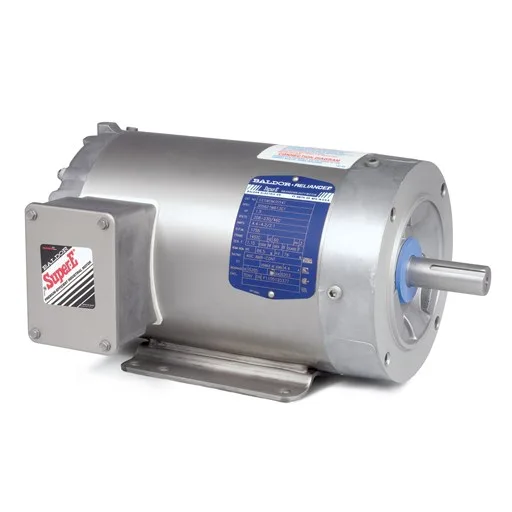
TEFC is not the same as "washdown." True washdown motors go a step further. They have sealed bearings, stainless steel shafts, and special paint or coating to resist chemical sprays. For most home and shop washing applications (pressure washer, car wash, parts washer with water-based solvents), a standard TEFC motor will work fine as long as it is mounted with some basic protection.
What you should avoid: Open Drip-Proof (ODP) motors. They have vents that allow air to circulate directly over the windings. That is great for dry environments.
A single splash can reach live electrical parts. ODP motors are common in old appliances and farm equipment. Don't use them for washing.
Frame size and horsepower matter just as much. A 56C frame is typical for smaller pumps (up to 2 HP). Larger pumps demand 145T or 184T frames.
Always match the HP to your pump's requirements. A 1.5 HP motor on a pump that needs 2 HP will overheat and stall. A 5 HP motor on a small pump will just waste electricity, but it won't fail immediately.
Single-phase (120V or 240V) is standard for home shops. Three-phase motors offer smoother operation and better efficiency. They require three-phase power, which is not common in residential garages.
If you only have 120V, you are limited to about 1.5 HP realistically. For 2 HP and up, go 240V.
RPM is another critical spec. Most direct-drive pressure washer pumps run at 3450 RPM. Belt-drive setups often use 1750 RPM motors.
Mix them up and you will either overspin the pump (cavitation, seal damage) or underspin it (low pressure, poor flow).
Manufacturer documentation from motor brands like Baldor and Leeson is clear: for washing applications, TEFC is the baseline. No exceptions.
Risk Factors You Can't Afford to Ignore
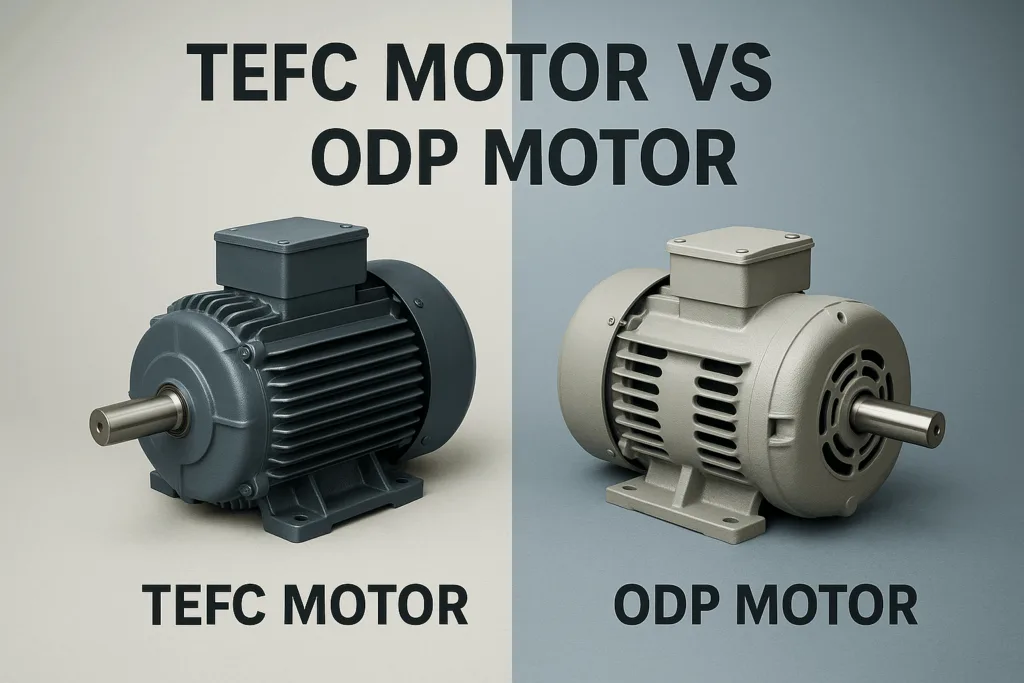
Image source: Bing (Web (fair-use with source credit))
Let's get specific about the risks. Mistakes here can cause real harm.
Water ingress. That is the big one. Even a TEFC motor isn't completely waterproof. The cooling fan draws air through the housing.
If you direct a pressure washer spray directly at the motor, water can be forced past seals. Over time, moisture builds up inside. Insulation resistance drops.
Eventually, the motor shorts out, sometimes spectacularly.
Thermal overload protection. Many cheap or surplus motors lack internal overload switches. Without one, a motor that is bogged down by a clogged pump or low voltage will just keep drawing current until the windings melt. You need a motor with built-in thermal protection.
Manual reset is better because it forces you to address the problem before restarting.
Grounding. A motor mounted on a wet floor or near a hose is a shock hazard if the ground path is compromised. Verify that the motor frame is bonded to a proper earth ground. Using a GFCI-protected circuit is non-negotiable for any outdoor or wet-area motor.
The NEC requires it (Article 210.8), and it could save your life.
Solvent vapors. If you are building a parts washer with mineral spirits or other flammable solvents, a standard TEFC motor is not safe. Solvent vapors can enter the junction box and be ignited by a spark from the motor's internal starting switch or capacitor. You need a Division 2 or explosion-proof motor rated for Class I, Group D atmospheres.
That is a higher price tier, but it is required by NFPA 30 and OSHA. Don't cut corners here.
Bearing failure. Even sealed bearings can fail if you blast them with a pressure washer directly. High-pressure water can breach the seal, wash away grease, and cause the bearing to seize. Mount the motor so that it is protected from direct spray.
Keep it away from the pump's discharge path.
Step-by-Step: How to Choose the Right Motor for Your Washing Setup
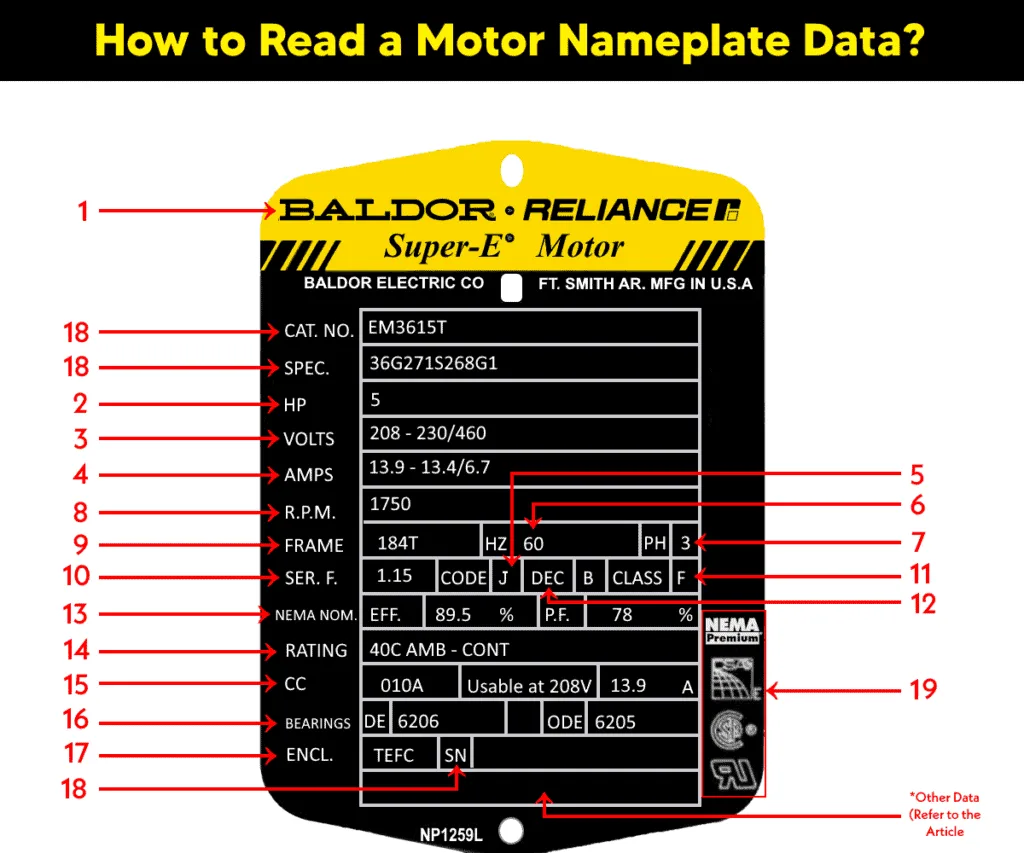
Image source: Bing (Web (fair-use with source credit))
You don't need to be an engineer to pick the right motor, but you do need to follow a process. Here is the step-by-step approach based on manufacturer specs and NEC guidelines.
1. Identify your pump requirements
Check the pump's nameplate for maximum PSI, flow rate (GPM), and required HP. Most pressure washer pumps have a recommended horsepower range. For example, a typical consumer pump might call for 2 HP at 3450 RPM.
Write that down.
2. Match motor specs exactly
- Horsepower: At least the pump's requirement. Going slightly bigger (2.5 HP on a 2 HP pump) is fine. The pump will only draw what it needs. Going smaller guarantees failure.
- RPM: Match exactly: 3450 or 1750.
- Voltage: 115V for small motors (up to 1 HP), 230V for anything larger.
- Phase: Single-phase for home, three-phase if you have it.
- Frame size: Must match the mounting dimensions. A 56C frame is common for up to 2 HP.
3. Choose the right enclosure
TEFC only. Do not consider ODP for washing. If you are in a high-moisture environment (car wash bay, outdoor pressure washing), look for a "washdown" rated TEFC motor with a stainless steel shaft and sealed conduit box.
4. Check the nameplate for duty rating
Most motors are rated continuous duty (1.0 service factor). Some cheap motors are rated intermittent (30 minutes on, 30 off). Intermittent duty motors will overheat if run continuously through a long wash session.
Look for "CONT" on the nameplate.
5. Account for accessories
- Magnetic starter with overload protection. This is highly recommended for any motor over 1 HP.
- Coupler. Must fit both shaft diameters.
- Drip shield. A simple sheet metal cover above the motor can deflect spray and extend its life.
- Watertight conduit fittings. Use liquid-tight flexible conduit to prevent water from running into the junction box.
Following these steps eliminates most early motor failures in washing applications. Before you start, check the recommended psi for washing cars to avoid damaging paint with your new setup.
Common Mistakes People Make (And How to Avoid Them)
Even experienced DIYers make these errors. Aggregate reviews across forums and manufacturer support logs reveal the same patterns repeatedly.
Mistake #1: Using a furnace or condenser motor
Furnace blower motors and AC condenser fan motors are shaded-pole or PSC designs. They have low starting torque. A positive displacement pump (the kind used in pressure washers) needs high starting torque to get moving.
Shaded-pole motors will hum, overheat, and fail to spin the pump. Stick with capacitor-start induction motors.
Mistake #2: Ignoring shaft size
A motor with a 5/8-inch shaft won't fit a pump coupler designed for 3/4-inch. Measure the shaft diameter with calipers. Also check the keyway size.
Many surplus motors have worn keyways that can slip under load.
Mistake #3: Assuming "general purpose" means waterproof
General purpose motors are not water-resistant. They are designed for dry, indoor environments. Using one outdoors or near spray is a fire and shock hazard.
Always verify the enclosure type.
Mistake #4: Forgetting to seal conduit connections
Water can run down an unprotected conduit into the motor's junction box. Use liquid-tight fittings and sealant at the entry point. This is a cheap fix that prevents short circuits.
Mistake #5: Running a 3450 RPM pump at 1750 RPM (or vice versa)
If you put a 3450 RPM motor on a 1750 RPM pump, the pump will overspeed, cavitate, and blow seals. If you put a 1750 RPM motor on a 3450 RPM pump, you will get half the flow and pressure. The pump may not even prime.
Check the pump's rated RPM before buying.
Mistake #6: Skimping on overload protection
A thermal overload switch costs a few dollars. Replacing a burned-up motor costs two hundred. Wiring a motor directly to a switch without any overload protection is asking for trouble.
A simple magnetic starter with heater coils sized to the motor's full-load amps will protect both the motor and the pump.
Using the right car wash fragrance or foam isn't just about results. It also keeps your equipment running smoothly by preventing residue buildup.
Safe Practices for Installation and Operation
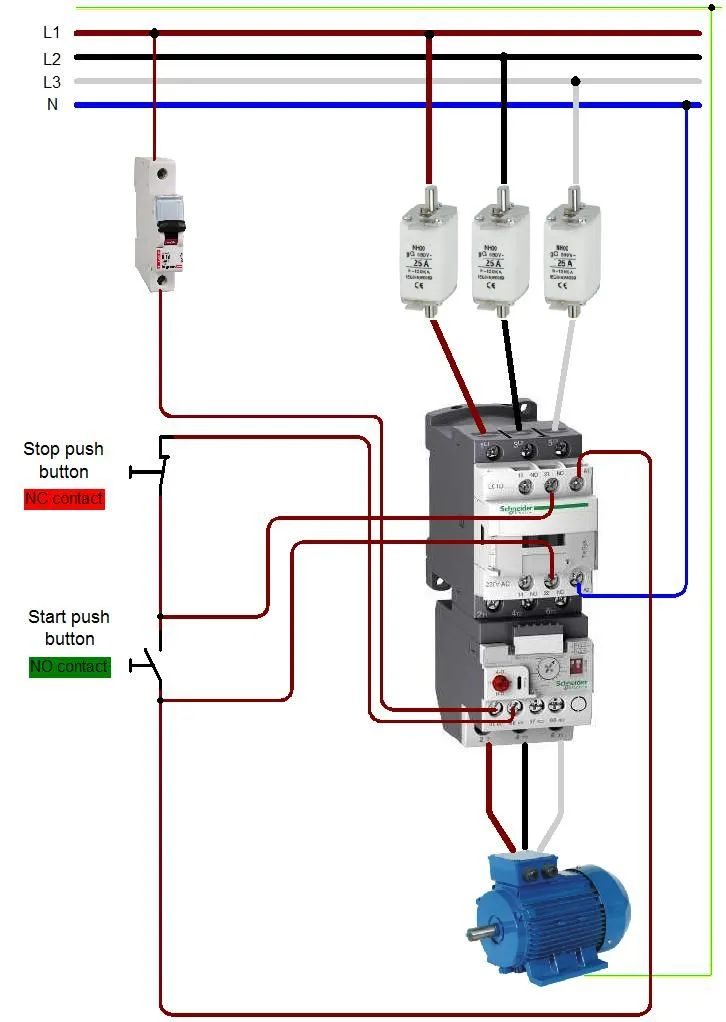
Image source: Bing (Web (fair-use with source credit))
Once you have picked the right motor, installation is where most mistakes happen. A few simple practices will keep you safe and extend the motor's life.
Always use GFCI protection. For any motor running outdoors or near water, a GFCI breaker or receptacle is non-negotiable. The NEC has required this for outdoor outlets since the 1970s. A GFCI will trip the circuit in milliseconds if it detects current leaking to ground.
That could save your life if the motor casing becomes energized.
Ground the motor frame properly. Run a dedicated equipment grounding conductor from the motor's grounding lug back to the panel. Do not rely on the conduit as the only ground path. Conduit connections can loosen over time, especially on a vibrating motor.
Install a magnetic starter with overloads. For any motor over 1 HP, skip the basic switch and use a magnetic starter. The starter provides low-voltage protection (the motor won't restart automatically after a power outage). It also includes thermal overloads sized to the motor's full-load amps.
Seal every conduit entry point. Use liquid-tight flexible conduit and sealing fittings where the wiring enters the motor's junction box. Water loves to run down the outside of a conduit and pool at the bottom fitting. A simple drip loop in the wiring also helps.
Mount the motor above the pump if possible. Gravity is your friend. If the motor sits higher than the pump, any leaks from the pump seals won't drip onto the motor. Add a sheet metal drip shield above the motor for extra protection.
This is especially important if the pressure washer wand could spray upward.
A water spray gun for car wash gives you better control over spray direction. It helps you avoid accidentally blasting the motor with high-pressure water.
When to Call a Professional (Don't DIY These)
Some situations demand licensed help. Our research shows that DIY attempts in these areas often lead to expensive repairs or code violations.
Three-phase motor wiring. If you have three-phase power, the wiring and starter sizing are more complex. Phase imbalance can burn out a motor quickly. An electrician with industrial experience can verify the voltage and configure the starter correctly.
Explosion-proof motors for solvent parts washers. If you are setting up a parts washer with flammable solvents, the motor must be rated for Class I Division 2 (or Division 1) locations. This requires proper conduit seals, bonding, and inspection. A mistake here can cause an explosion.
Motor repair versus replacement. If your existing motor hums but won't spin, or trips the breaker immediately, it could be a bad capacitor, a winding short, or a seized bearing. A motor shop can test it. If the motor is an ODP unit in a washing application, replacement with a TEFC is usually cheaper than repair.
Permits and inspections. Many jurisdictions require a permit for new motor installations over a certain horsepower. This is especially true if you are adding a new circuit. An electrician will handle that paperwork.
Skipping it can create problems when you sell the house or file an insurance claim.
If you are washing a car engine bay, you should first know what should we remove before washing the engine to avoid damaging sensitive components. That same care applies to protecting your motor setup.
Real-World Scenarios: Home Shop, Car Wash, Parts Washer
Different setups have different needs. Here is how the advice changes depending on your use case.
Home pressure washer. You are building a unit from a used pump and motor. Likely you have a 2-3 HP TEFC motor, 3450 RPM, 56C frame, running on 230V single-phase. Mount it on a wheeled cart with the pump at the same height.
Use a flexible coupling to absorb slight misalignment. Add a magnetic starter with overloads and a pressure switch to start and stop the motor automatically when you pull the trigger. Total cost ranges from $200 to $400 for new parts.
Check the max pressure washer psi for car to avoid damaging your vehicle's paint with too much pressure.
Car wash bay (mobile or fixed). You need a washdown-rated TEFC motor. A stainless steel shaft and sealed bearings are worth the premium. Expect to pay $300 to $500 for a 3 HP washdown motor.
Use a belt-drive setup if possible. Belts dampen shock loads from the pump and protect the motor bearings. Install a drip shield and keep the motor at least 2 feet off the ground to avoid standing water.
A good car washing attachment for garden hose can supplement your pressure washer for low-pressure rinsing, reducing strain on the motor.
Parts washer (water-based solvent). Standard TEFC is fine for water-based or biodegradable solvents. Use a 1/4 to 1/2 HP motor running a small pump at 1750 RPM. Mount the motor outside the solvent splash zone.
For flammable solvents, stop and call a professional for an explosion-proof motor.
Mobile detailing rig. Vibration and road salt are your enemies. Use a TEFC motor with sealed bearings and a corrosion-resistant paint finish. Mount the motor on rubber isolation pads to reduce vibration.
Disconnect the motor coupling when trailering to prevent bearing damage.
For basic washing tasks, a water gun help clean cars works with a garden hose. A motor-driven pressure washer gives you real cleaning power for tougher jobs.
Key Specs and Pricing at a Glance
Here is a quick reference table for common motor specs and their typical costs as of 2026. Prices are for new motors from major brands (Baldor, Leeson, Marathon).
| Motor Type | HP | RPM | Frame | Enclosure | Typical Price (new) |
|---|---|---|---|---|---|
| TEFC, general duty | 1.5 | 3450 | 56C | TEFC | $130-$180 |
| TEFC, general duty | 2.0 | 3450 | 56C | TEFC | $150-$220 |
| TEFC, general duty | 3.0 | 3450 | 143T | TEFC | $200-$300 |
| TEFC, washdown rated | 2.0 | 3450 | 56C | TEFC washdown | $250-$400 |
| TEFC, washdown rated | 3.0 | 3450 | 143T | TEFC washdown | $350-$550 |
| Explosion-proof (Class I Div 2) | 1.0 | 1750 | 56C | XP | $400-$700 |
Used or surplus motors. You can find TEFC motors for $20 to $60 on Craigslist or at surplus auctions. Inspect the shaft for wear, the bearings for noise, and the windings for discoloration. A used motor is a gamble but can work fine for a low-budget project.
Accessories. A magnetic starter with overloads runs $40 to $100. Flexible couplings cost $10 to $30. Liquid-tight conduit and fittings run $20 to $40.
For proper cleaning chemistry, use the right soap. Our guide on perfextion car wash shampoo in foaming gun explains how to get thick foam without damaging your motor or pump through chemical residue.
Final Verdict: Your Decision Guide
Choosing the right motor for washing comes down to three questions. First, what is the environment? Wet areas need TEFC or washdown rated.
Dry indoor shops can use general purpose, but TEFC is still safer.
Second, what are your pump's specs? Match HP, RPM, and frame size exactly. Ignoring these guarantees poor performance or failure.
Third, what is your budget? New motors cost more upfront but come with warranties and known specs. Used motors are cheaper but require careful inspection.
Never buy a used ODP motor for washing. It is not worth the risk.
For most home and shop washing setups, a 2 HP TEFC motor on 230V with a magnetic starter is the sweet spot. It gives you enough power for a solid pressure washer or parts washer without overspending. For mobile or commercial use, invest in a washdown rated motor.
It will pay for itself in longer life and fewer breakdowns.
Frequently Asked Questions
Can I use a washing machine motor for a pressure washer?
Not directly. Washing machine motors are typically universal motors with high RPM (up to 10,000+) and low torque. They work well for spinning a drum but not for driving a positive displacement pump.
The RPM is too high, and the starting torque is insufficient. Stick with induction motors rated for pump duty.
What's the difference between a farm duty motor and a washdown motor?
Farm duty motors are built tough for dusty, dirty environments. They have sealed bearings and heavy-duty paint. They are not necessarily sealed against water spray.
Washdown motors are specifically designed to resist high-pressure water and chemical cleaners. For washing applications, washdown is better.
How do I tell if a used motor is TEFC?
Look at the cooling fins on the motor housing. TEFC motors have fins with an external fan covered by a metal shroud. The motor body is completely sealed.
Open drip-proof (ODP) motors have exposed vents or louvers on the sides. If you can see the windings through a vent, it is not TEFC.
Do I need a capacitor start motor for a pump?
Yes, for most positive displacement pumps. Capacitor-start motors provide high starting torque, which is needed to get the pump moving from a dead stop. Shaded-pole or permanent split capacitor (PSC) motors lack that torque.
Can I run a 3-phase motor on single-phase power?
Yes, with a phase converter or a variable frequency drive (VFD). This adds cost and complexity. For most home shops, it is simpler to buy a single-phase motor.
If you already have a three-phase motor, a VFD gives you speed control as a bonus.