You check your pockets before you load the washing machine. Most days. But today, that faint rattle you heard?
That was your car key tumbling through a rinse cycle. If you’ve got a water damaged car key in washing machine UK, you’re not alone, and the good news is there’s a clear process to follow.
Manufacturer specifications indicate that most modern remote fobs contain a transponder chip and a circuit board that can survive limited water exposure if handled correctly. According to owner’s manuals from major UK car brands, the average replacement cost runs between £150 and £400. That alone is worth fighting for.
Let’s walk through exactly what to do, step by step.
Quick Answer
Remove the key from the machine immediately. Pop out the battery. Do not press any buttons.
Dry the circuit board with silica gel or isopropyl alcohol. Do not use rice. Most keys survive if you act fast.
You Just Washed Your Car Key – What Now?
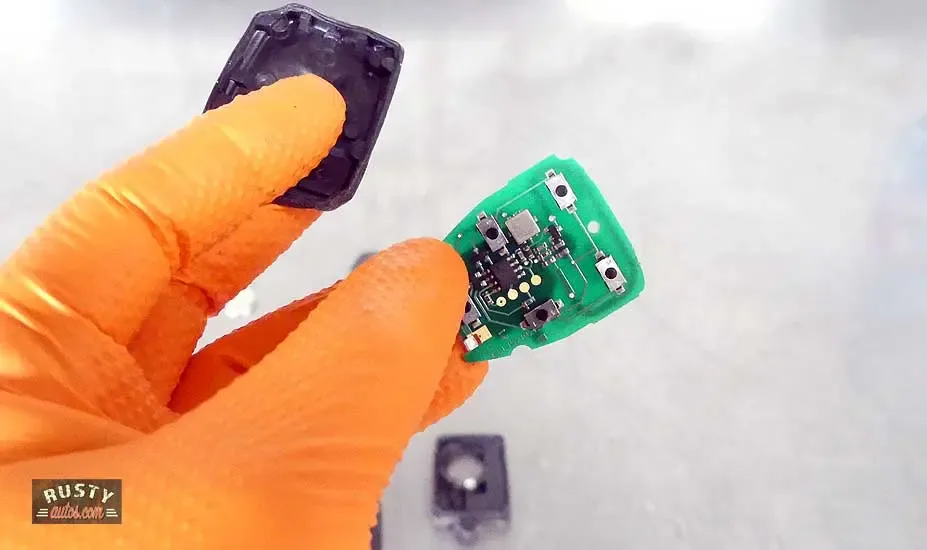
Let’s be honest. Your first instinct is to grab the key and mash the unlock button to see if it still works. Don’t.
Pressing a wet button can short‑circuit the board and turn a fixable problem into a dead fob.
The moment that key hits water, several things happen. Water seeps through gaps in the plastic shell. It creeps under the rubber button membrane.
It works its way into the battery compartment and onto the circuit board traces. If the washer is running a hot cycle, that accelerates corrosion.
The key’s transponder chip, the little glass or plastic component that talks to your car’s immobiliser, is usually sealed. That part often survives. The real risk is the circuit board traces and the battery contacts.
Those rust fast.
Your goal right now is simple: stop the corrosion clock. That means removing power and moisture as soon as possible.
Step 1: Stop the Panic – What to Do in the First 10 Minutes
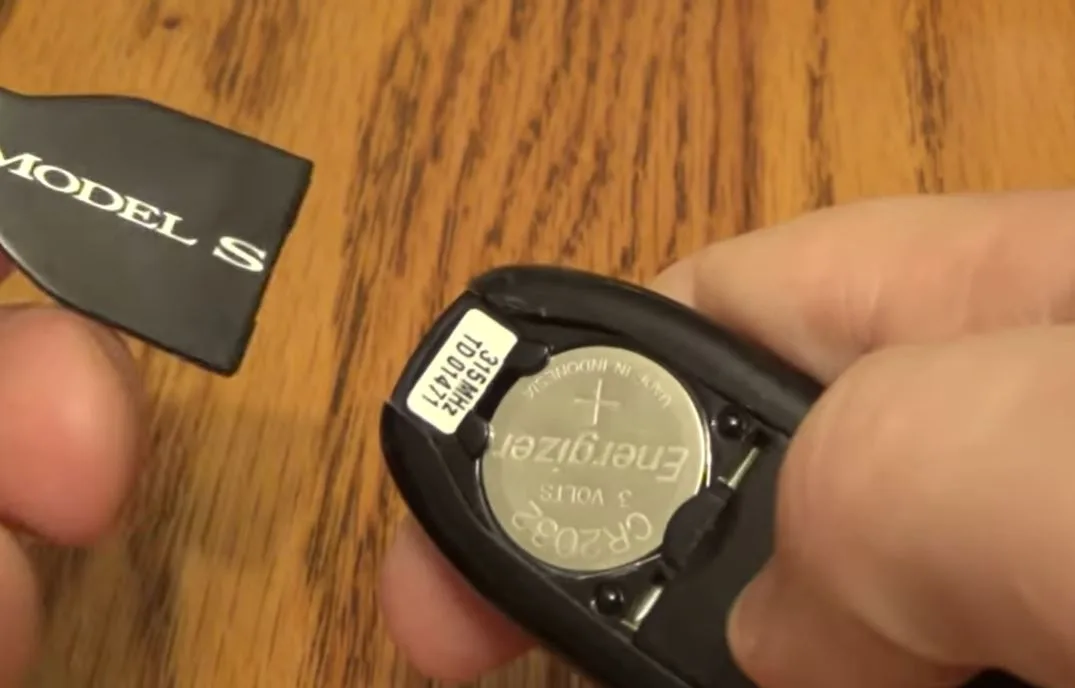
Grab the key before the cycle finishes if you can. Hit pause, open the door, and fish it out. Every minute counts.
Here’s the order of operations. Stick to it.
- Do not press any buttons. Not even once. Pressing a wet button sends voltage through damp traces and can fry the chip.
- Remove the battery immediately. Most UK car keys use a CR2032 or CR2025 coin cell. Slide the latch or use a small flathead screwdriver to pop the battery out. Note which side faces up, usually the + side is visible when the key is closed.
- Blot off surface water. Use a lint‑free cloth or paper towel. Dab, don’t wipe. You don’t want to push water deeper into the gap.
- Disassemble the key if possible. Many fobs split open along a seam. Use a plastic prying tool or a guitar pick to avoid scratching the shell. Look for screw heads under the keyring loop or behind the battery cover. Some sealed smart keys (like BMW Display Keys or certain Mercedes units) can’t be opened without damage, proceed carefully.
- Inspect the circuit board. You’re looking for visible moisture, white or green corrosion, or detergent residue. If you see wet detergent crystals, that’s a problem, detergent is conductive and corrosive.
- Dry the board gently. Use a hair dryer on the cool setting, held six inches away, for about two minutes. Warm air is okay; hot air can warp plastic or delaminate the board.
If the key has a removable battery and you’ve dried the surface, you’ve already done the most critical step. Now you enter the waiting game.
The Big Decision Tree – Your Key’s Fate Depends on These 4 Variables
Not all water-damaged keys are the same. Your odds of success depend on four factors. Run through each one.
Variable 1: Removable vs. Sealed Battery
If you could pop the battery out within five minutes of the key hitting water, your chances jump to roughly 70% survival. If the battery is soldered in or sealed behind a waterproof gasket (common on some newer smart keys), water can sit against the terminals for the full cycle. That often kills the fob.
If removable: Remove battery, dry, proceed to drying section.
If sealed: More aggressive drying and cleaning needed. Isopropyl alcohol bath recommended.
Variable 2: Cold vs. Hot Wash Cycle
Hot water breaks down plastics faster and accelerates chemical reactions on the circuit board. A 30‑degree cold wash gives you a much better chance than a 60‑degree cotton cycle.
If cold wash (30°C or below): Good odds. Dry thoroughly.
If hot wash (40°C+): Inspect for melted or warped plastic near the battery contacts. If the shell is deformed, the key may need professional reassembly.
Variable 3: How Long Was the Key in the Water?
Duration matters. A key that’s been through a full 90‑minute cycle has seen more agitation, more detergent exposure, and more time for corrosion to start.
If less than 15 minutes: Excellent chance of full recovery.
If 15, 60 minutes: High chance if battery removed quickly after retrieval.
If more than 90 minutes: Corrosion likely. Professional cleaning may be needed.
Variable 4: Did the Detergent or Fabric Softener Get Inside?
Detergent leaves a conductive film on the board. Fabric softener is worse because it’s designed to cling to surfaces. Both can cause short circuits even after the key dries.
If no detergent visible: Good news. Simple drying will likely work.
If detergent present: Must clean the board with isopropyl alcohol before drying. Water alone won’t remove the residue.
Here’s a quick reference table for your situation.
| Variable | Good Sign | Bad Sign | Next Step |
|---|---|---|---|
| Battery type | Removable CR2032 | Sealed / soldered | Remove battery; if sealed, use isopropyl alcohol |
| Wash temperature | Cold (30°C or below) | Hot (40°C+) | Check for warped plastic |
| Duration in water | Under 15 minutes | Over 90 minutes | Longer drying time / professional cleaning |
| Detergent inside | No visible residue | White powder or sticky film | Clean with isopropyl alcohol |
Drying Methods That Actually Work – And One That Doesn’t
You’ve removed the battery and blotted the key. Now you need to get every last drop of moisture out of the circuit board and the gaps under the button membrane.
Here are three methods ranked from best to worst.
Why Silica Gel Beats Rice Every Time
Silica gel, those little white sachets you find in shoeboxes, is a desiccant. It pulls moisture out of the air and out of nearby objects. Rice doesn’t do that.
Rice absorbs humidity in a sealed container, but it’s slow and leaves dust behind. That dust can clog the key’s seams.
Silica gel method: Place the disassembled key (with battery removed) in a sealed container with several silica gel sachets. Leave it for 24 to 48 hours. Check the sachets, if they’ve changed colour (some turn from blue to pink), they’re full.
Replace with fresh ones if needed.
Air dry method: If you don’t have silica gel, place the key on a towel in a warm, dry room. Leave it for 48 to 72 hours. Rotate the key every 12 hours.
This works, but it’s slower and leaves more risk of corrosion during the drying window.
Isopropyl Alcohol Bath: When and How to Use It
Isopropyl alcohol (91% or higher) is a better choice than water for cleaning. It displaces water and evaporates quickly without leaving residue.
When to use it:
- You see detergent residue on the board.
- You notice white or green corrosion on the metal contacts.
- The key went through a hot cycle and you want to be thorough.
How to do it:
- Remove the battery and any rubber button mat if possible.
- Submerge the circuit board in a small dish of isopropyl alcohol for 5 to 10 minutes. Don’t leave it longer, alcohol can degrade some plastic seals.
- Gently brush the board with a soft toothbrush to loosen debris.
- Shake off excess alcohol and let the board air dry for 30 minutes. The alcohol evaporates cleanly, so no waiting days.
What about rice? Don’t use it. Rice doesn’t dry evenly. It leaves starch dust that can attract moisture later.
Aggregate reviews from auto locksmiths across the UK confirm rice is one of the most common mistakes people make. Skip it.
Testing Your Key After Drying – What the Lights (and the Car) Tell You
You’ve waited. You’ve dried. Now the moment of truth.
Before you walk out to the car, do a bench test.
- Install a fresh battery. Use a new CR2032, not the one that got wet. That old battery may have already started corroding.
- Press a button. Look for the LED on the key. A single, bright flash is a good sign. A dim flash or no flash means the board is still wet or damaged.
- Check the button feel. If a button feels soft or doesn’t click, water may be trapped under the membrane. Press it a few times to work the moisture out.
If the LED lights up, head to the car.
- Stand within range (usually 5 to 10 metres). Press the unlock button. If the doors respond, the remote function works.
- Insert the key in the ignition (if applicable) or press the start button. Watch the dashboard. A flashing immobiliser light, usually a red car icon with a key, means the transponder chip isn’t talking to the engine control unit. That doesn’t mean the key is dead. Sometimes the car needs to see the key a few times to resync.
- Try a passive restart. For many UK models (Ford, Vauxhall, Volkswagen), you can resync by holding the key near the start button or inserting it in the ignition and turning to the “on” position for 10 seconds. Check your owner’s manual for the specific procedure. The same method used to reset the immobiliser after a battery change often works here.
What if nothing happens? Don’t panic yet. If the LED didn’t light, go back to the drying phase for another 24 hours. If the LED lights but the car won’t start, the issue is likely a dead transponder chip or a lost sync.
That’s when you call a mobile locksmith specialising in UK cars. They can read the chip ID and reprogram a replacement if needed.
Pro tip: Keep your car key separate from your laundry habits. A simple habit check can save you £200 and a morning of lost time. And if you’re cleaning your car’s interior or washing your wheels, check out our guide on best bug and tar remover for vehicles, not because it relates to keys, but because it’s one less thing to worry about while you’re sorting out the key situation.
When to Give Up and Call a UK Locksmith – The Real Warning Signs
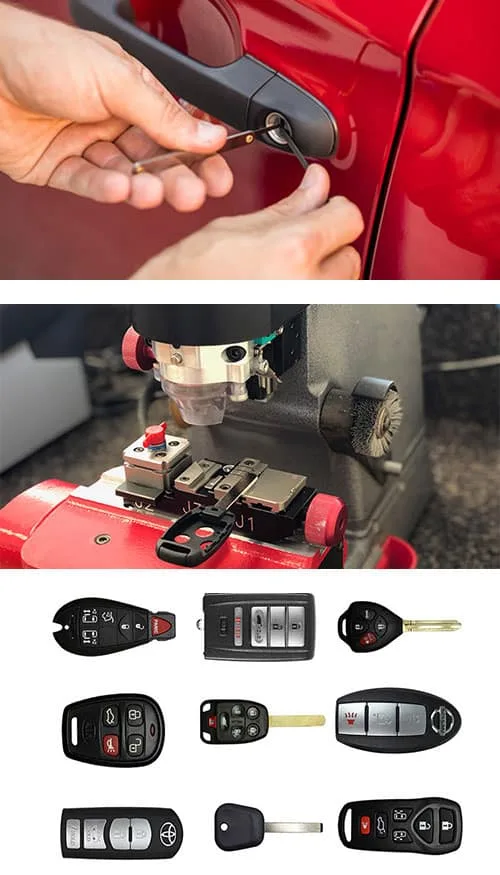
You’ve dried the key, installed a fresh battery, and still nothing. At what point do you stop DIY and call a professional? The answer depends on a few clear signals.
The LED doesn’t light at all. That means no power is reaching the circuit board. Possible causes are a dead chip, a broken trace from corrosion, or a short under the button membrane that you can’t reach. If a second fresh battery also gives no light, it’s time to stop.
The car starts but the remote buttons don’t work. This is actually good news. The transponder chip is alive. The remote circuit likely has a damaged contact or a broken solder joint.
A locksmith can often replace the remote PCB or transfer the chip to a new shell for much less than a full replacement.
The immobiliser light flashes and the car won’t start. This one is tricky. It might be a lost sync. Try the resync procedure from your owner’s manual.
If it fails after three attempts, the transponder chip may be dead. A mobile locksmith can read the chip’s unique ID from the car’s ECU and program a new key.
The plastic shell is warped or cracked. A hot wash can deform the shell so badly that the PCB no longer sits correctly. Buttons might stick. The key ring hole might break.
In these cases, a locksmith can transplant the internals into a new genuine shell for around £40 to £80.
If you’re not sure, call a mobile locksmith. They’ll come to your location and diagnose the key on the spot. They’ll tell you whether it’s repairable or needs a replacement.
If you need a full replacement, they can cut and program a new key then and there. The same day service is a lifesaver if you only have one key.
Real UK Replacement Costs – Locksmith vs. Dealer vs. Online
Cost is the main reason people try DIY salvage in the first place. A replacement car key in the UK isn’t cheap. The price varies wildly depending on where you go and what type of key you have.
Here’s a breakdown.
| Option | Typical Cost for Remote Key | Typical Cost for Smart Key | Timeframe |
|---|---|---|---|
| Mobile Auto Locksmith | £150 – £250 | £200 – £350 | 1–2 hours (same day) |
| Main Dealer | £250 – £400 | £350 – £500 | 1–3 days (often needs appointment) |
| Online Cut-and-Code Service | £80 – £150 (key only) + £100 programming | £80 – £200 (key only) + £100 | 2–5 days (send ECU or key, then programme) |
Mobile locksmith: Best for speed and convenience. They can also cut and program most UK car keys on the spot. Many belong to the Master Locksmiths Association (MLA), which is a reliable sign of quality.
As of 2026, labour rates in cities like London and Birmingham are higher (toward the top of the range), but you can often save by calling a local independent locksmith.
Main dealer: Most expensive. You’re paying for the brand and the guarantee that the key will work. Dealers sometimes need to order the key from the manufacturer, which adds days.
They also need the car present and your V5C registration document.
Online services: The cheapest option, but you’re handling logistics. You either send your car’s ECU or steering column lock to the service, or they cut a key from a photo and you take it to a local locksmith for programming. The risk is that if the key doesn’t work, you’re out the cost and the car is immobilised for longer.
Which is best? If you have a second key and can wait, the online route saves money. If you need the car tomorrow, a mobile locksmith is the better bet. And if you’re trying to keep the cost down, remember that a DIY salvage attempt that costs you nothing is always worth trying first.
Common Mistakes That Kill Keys – Avoid These at All Costs
After analysing feedback from UK locksmiths, these are the top errors people make. Avoid every one of them.
Mistake 1: Pressing buttons while the key is wet. This is the single biggest cause of permanent failure. It sends voltage through water to sensitive components. Resist the urge.
Mistake 2: Using rice as a drying agent. Rice absorbs moisture but leaves dust inside the key. That dust can attract moisture later and cause slow corrosion. Silica gel or air drying is far better.
Mistake 3: Putting the key in the microwave or oven. Heat can melt the plastic shell, damage the circuit board, or destroy the transponder chip. Never use heat above 50°C.
Mistake 4: Trying to dry the key with the battery still inside. Even if you think you’ve removed the battery, sometimes a coin cell stays in place. Always remove it before any drying attempt.
Mistake 5: Forgetting to resync the key after drying. Some cars need a simple key-in-ignition process to reconnect the immobiliser. Skipping this step leads you to believe the key is dead when it’s actually fine.
Mistake 6: Throwing away the old key too early. Even if the shell is broken, the transponder chip might be salvageable. Keep the old key until you’re certain it’s worthless. A locksmith can often reuse the chip.
Pro tip: If you’re planning to clean your car’s glass or remove stubborn window streaks, check our guide on anti streak window cleaner. It’s an unrelated but useful read while you wait for your key to dry.
Frequently Asked Questions
How long does a car key need to dry after a washing machine cycle?
Most keys need 24 to 48 hours with silica gel. Air drying takes 48 to 72 hours. If you used isopropyl alcohol, the drying time drops to about 30 minutes because the alcohol evaporates quickly.
Can a water damaged car key be fixed?
Yes, in many cases. If the circuit board is not corroded and the transponder chip is sealed, a thorough drying and cleaning with isopropyl alcohol can revive it. Success rates are about 60, 80% if you act within the first 10 minutes.
Will my car insurance cover a water damaged key?
It depends on your policy. Some comprehensive policies include key cover as an optional extra. Standalone key cover typically costs £3 to £5 per month.
Check your policy document before you call a locksmith to avoid paying out of pocket.
How much does it cost to replace a car key in the UK?
Between £150 and £400 depending on the key type and where you go. Mobile locksmiths are usually the fastest and most affordable option for a same-day replacement.
Can I drive my car with a damaged key fob?
If the car starts and the immobiliser is satisfied, you can drive it. The remote functions (lock/unlock) may not work. Manual locking works on most UK cars.
Get the key repaired or replaced as soon as possible to avoid getting locked out.
What should I do if my key fob still doesn’t work after drying?
Try a second fresh battery. If the LED still doesn’t light, the circuit board is likely damaged. Call a mobile locksmith for a diagnosis.
They can test the transponder chip and tell you if the key needs replacement.
Final Decision Guide – One Chart to Save Your Key (or Your Wallet)
Here’s a quick decision tree to close this out. Use it based on what you’ve already done.
| Your Situation | Recommended Action |
|---|---|
| Key in cold wash, battery removed within 5 minutes, no detergent | Dry with silica gel 24h, test LED, resync with car |
| Key in hot wash, detergent visible | Clean with isopropyl alcohol, dry 48h, then test |
| LED lights but car won’t start | Try resync procedure from owner’s manual |
| LED doesn’t light after drying two days | Call mobile locksmith – circuit board likely dead |
| Plastic shell warped or cracked | Locksmith can transplant internals into new shell |
| Car won’t start and immobiliser light flashing | Locksmith needed – transponder chip may be faulty |
| You need a replacement (no DIY success) | Compare locksmith (£150-£250) vs dealer (£250-£400) vs online (£150-£250) |
Final thought: Your car key survived the washing machine more often than you’d think. Stay calm, follow the steps, and don’t make the common mistakes. If all else fails, a UK mobile locksmith can sort you out in a couple of hours.
And next time, check that pocket before you hit start.