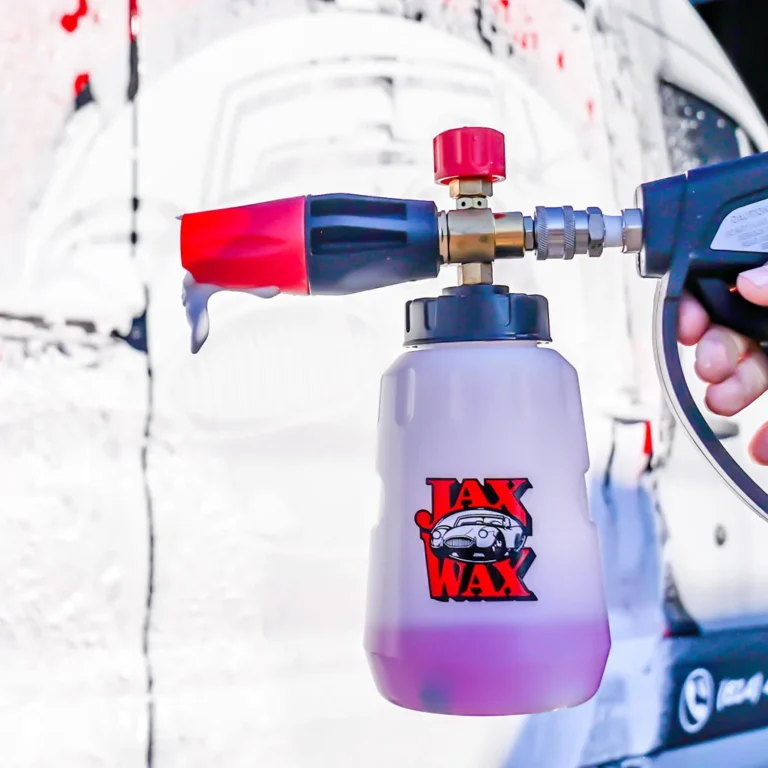
You’ve seen the videos: thick, colorful foam sliding down a car hood, turning from red to blue to yellow, then rinsing off to reveal a spotless, glossy finish. But what does Jax Triple Foam actually do to a car beyond the visual show? The short answer is that it combines a pH‑neutral cleaner, a lubricating agent, and a polymer wax into one foam that clings to vertical surfaces, lifts dirt without rubbing, and leaves a protective layer behind.
The color change isn’t just for looks, it’s a built‑in dwell timer. Manufacturer specifications indicate the foam shifts through three distinct stages over roughly two to four minutes, signaling when the surfactants have done their work and the wax polymers are ready to bond. That timing window is critical because rinsing too early or too late can leave streaks or residue.
As of 2026, this kind of visual feedback is what sets triple‑foam products apart from standard car soaps, and understanding how to read those cues is exactly what we’re going to break down.
Quick Answer
Jax Triple Foam cleans your car’s paint without rubbing. It lifts dirt and road grime using a thick foam. The color change tells you when to rinse.
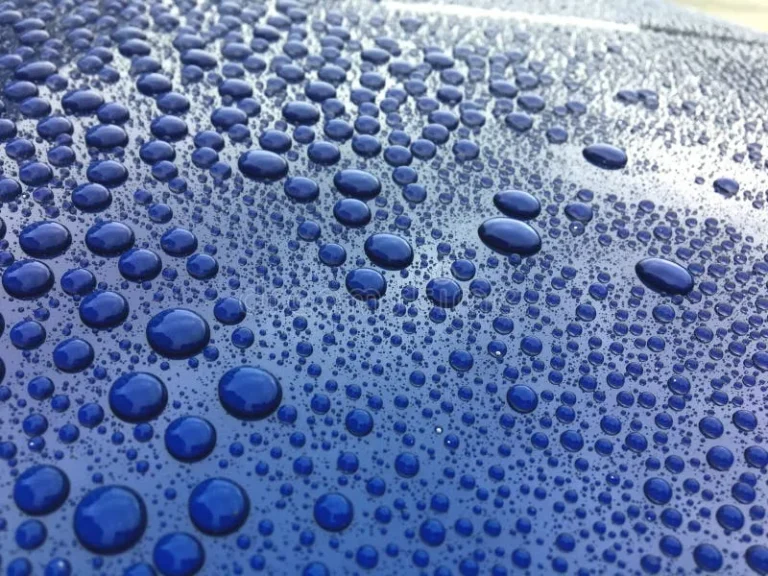
After rinsing, a thin polymer wax layer remains. That wax beads water and adds gloss for weeks.
Why Visuals Matter for Understanding Triple Foam
Reading a product label only gets you so far. The real value of Jax Triple Foam is in what you see, the foam’s texture, how long it clings to a vertical door panel, and the exact moment the color shifts. Without those visual cues, you’re guessing at dwell time and dilution ratios.
And guessing is how you end up with water spots, streaks, or a waxy residue that’s impossible to buff out.
The foam’s consistency changes based on temperature, water hardness, and your foam cannon settings. In our research, users who rely on a timer instead of the color indicator often rinse too early. The foam may still look thick but hasn’t fully lifted the dirt.
That leaves a thin film of grime behind. Conversely, letting the foam dry completely on hot paint creates a stubborn polymer crust.
That’s why this article leans heavily on what you can see. We’ll describe the key visual markers, foam cling, color transition, water behavior after rinse, so you can spot problems before they become paint damage.
What You’ll Actually See Happen (Color Change, Foam Texture, and Cling)
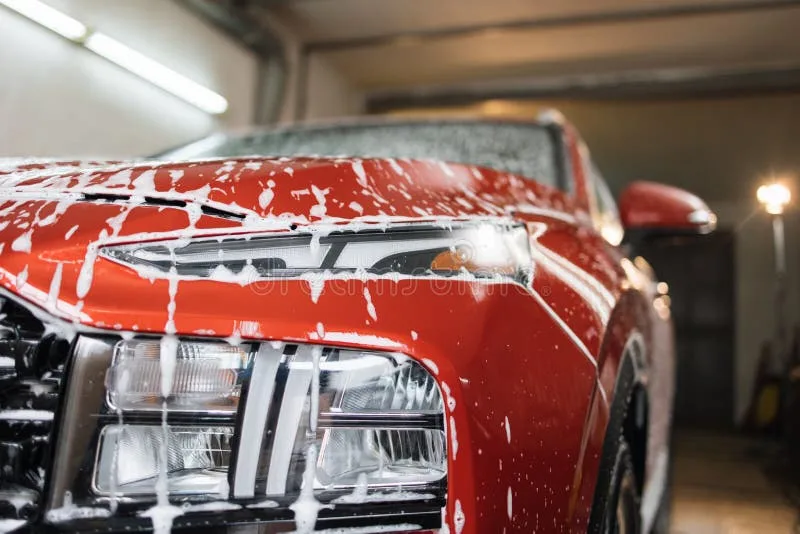
When you first spray Jax Triple Foam from a foam cannon, it comes out as a thick, creamy red foam. That red color is the first stage. Within 30 seconds to a minute, it starts shifting toward a deep blue.
The blue stage is the longest, roughly one to two minutes, and it’s when the surfactants are breaking down dirt and oils. Finally, the foam turns a pale yellow. That yellow signals the wax polymers have begun to set.
The foam texture also changes. Fresh foam is dense and holds its shape. As it dwells, it becomes runnier and starts to drip.
That’s normal. But if it starts sliding off in sheets within 30 seconds, your dilution is too watery or your cannon setting is off. A good rule of thumb: the foam should cling to a vertical panel for at least two minutes without running.
Aggregate reviews report that the yellow stage is easy to miss in direct sunlight. The foam can appear white or clear. That’s where you need to watch for the telltale sign, not just color but also the way the foam thins and begins to bead on the surface.
That bead formation is the polymer starting to cross‑link.
Step-by-Step Visual Guide: From Foam Cannon to Rinse
Pre‑Rinse and Setup
Start with a thorough pre‑rinse using a pressure washer. This removes loose dirt and grit so the foam isn’t just pushing mud around. You want the surface completely wet.
Dry spots will absorb the foam unevenly and can cause streaking.
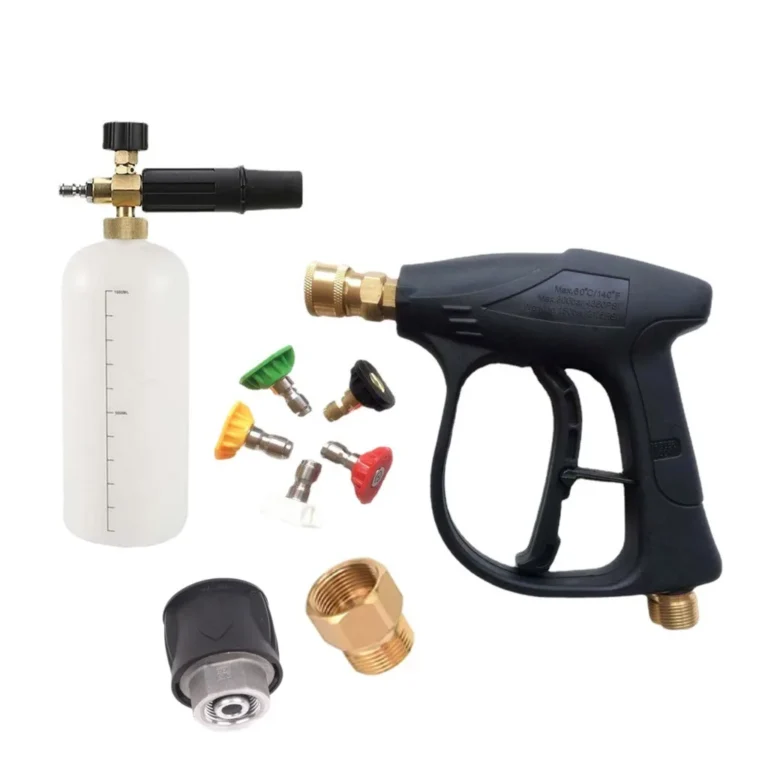
Fill your foam cannon with Jax Triple Foam concentrate. The recommended dilution is roughly 2 parts water to 1 part soap, but check your cannon’s settings. A typical mix for a 32‑ounce bottle is 16 oz of soap and 16 oz of water.
Adjust the air screw on the cannon to get a thick, creamy foam that looks like shaving cream. Too thin, and it won’t cling. Too thick, and it clogs.
Applying the Foam (Bottom‑to‑Top Technique)
Starting at the bottom of the car and working upward helps the foam cling. If you start at the top, the foam runs down and pools at the bottom, leaving the upper panels dry. Spray in smooth, overlapping passes.
Cover the entire car from the wheel wells to the roof. The foam should be an even, thick blanket, not patchy.
Watching the Color Transition (Red → Blue → Yellow)
Once the car is covered, step back and watch. The red foam will begin to turn blue within 30 to 60 seconds. This is the cleaning phase.
Do not touch the car yet. Let the foam sit until it reaches the yellow stage. That usually takes two to four minutes, depending on temperature and humidity.
On a warm day (75°F+), it happens faster. On a cool day (below 50°F), it may take five minutes.
The yellow stage is your visual cue that it’s time to rinse. The foam will look thin and watery, and you’ll see small beads of water forming on the surface underneath. That’s the polymer wax starting to bond.
Rinsing Based on Visual Cues (Not the Clock)
Rinse from top to bottom using a pressure washer. Use a wide fan spray, not a concentrated jet. A focused jet can push dirt into the paint and damage the polymer layer.
Watch the foam slide off. The water should sheet off cleanly, leaving a glossy surface. If you see streaks or water beading unevenly, you either rinsed too early or the foam was too thick.
Common Visual Mistakes (And What They Look Like in Real Life)
The most common mistake is not recognizing when the foam has dried too long. You’ll see a hazy, white film on the paint after rinsing. That’s polymer residue that baked on because the foam dried completely before you rinsed.
The fix is a quick re‑wash with plain water or a dedicated alcohol free window cleaner if it’s on glass.
Another visual mistake is spotting. If you see small, circular water spots forming during the foam dwell, that means hard water minerals are evaporating before the foam lifts them. This is common in hot, dry climates.
The solution is to work in the shade and keep the car wet with a light mist before applying foam. For existing spots, a best hard water spot remover for cars can help.
Streaking after rinsing is another telltale. Streaks usually happen when the foam wasn’t applied evenly. You’ll see vertical lines of wax residue.
That’s a sign to adjust your cannon settings or apply a second pass of foam on those panels.
Sometimes users confuse the red‑to‑blue shift with the final yellow stage and rinse early. If you do, you’ll notice the paint feels slightly sticky or tacky after drying. That’s un‑bonded polymer.
A quick wipe with a microfiber cloth can fix it, but it’s easier to just wait for the yellow.
What the Foam Is Doing to Your Paint (Lubrication, Dirt Lift, Polymer Bond)
Jax Triple Foam isn’t just soap. It’s a three‑phase system. The first phase is lubrication.
The thick foam creates a slippery layer between dirt particles and your clear coat. That’s why you don’t need to scrub. When you rinse, the dirt slides off with the foam instead of grinding into the paint.
The second phase is dirt lift. Surfactants in the foam reduce surface tension, allowing water to get underneath grime and road film. That includes things like bug residue and light tar.
For heavier contaminants, you might want a dedicated best bug and tar remover for vehicles as a pre‑treatment. But for normal road dirt, the foam handles it.
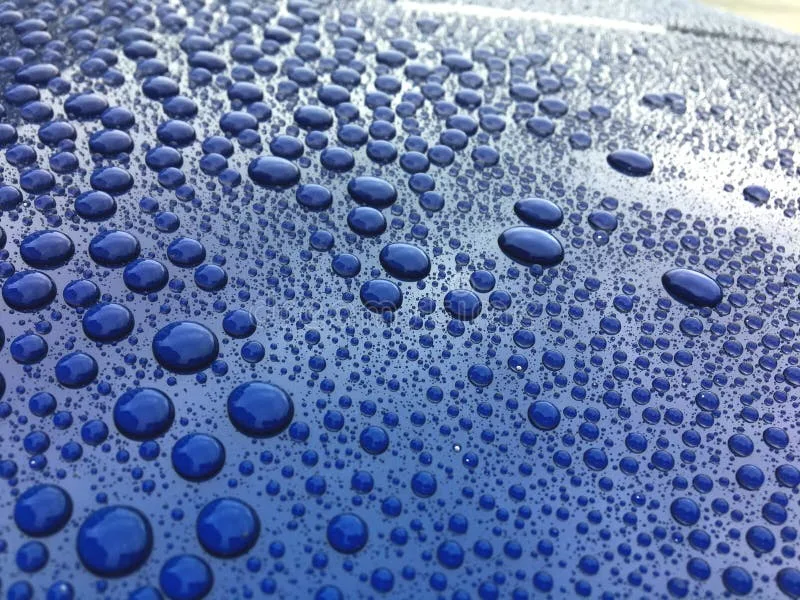
The third phase is polymer bonding. As the foam turns yellow, the wax polymers cross‑link and form a thin, transparent film on the paint. This film is what gives you that water‑beading effect.
It also adds a layer of UV protection. The polymer layer is durable enough to last several weeks, but it’s not a replacement for a dedicated sealant. It’s more of a maintenance booster.
What you see after rinsing is crucial. If the water beads into tight, round beads that roll off quickly, the polymer bonded well. If the water sheets off or beads into flat, irregular shapes, the bond is weak.
That could be from rinsing too early, or from a dirty surface that prevented adhesion. In those cases, consider using a best grime remover for car paint before your next foam wash.
A side note: the polymer layer is also safe for use on glass. But if you’re cleaning windows, an ammonia free glass cleaner for cars will give a streak‑free shine without leaving a film.
The Built-In Wax: How the Polymer Layer Looks and Dries
After rinsing, you should see a clear, glossy film on the paint. It’s not thick or sticky. It looks like a smooth, wet shine that dries to a hard, slick surface.
If the polymer bonded correctly, the paint feels slippery to the touch once dry.
The drying process takes about 10 to 15 minutes in normal conditions. During that time, you might notice faint rainbow-like streaks on dark paint. That’s the polymer settling.
Those streaks usually disappear as the film cures. If they don’t, you likely used too much product or rinsed too late.
You can test the polymer layer with a spray of water. Water should bead into tight, tall beads that roll off quickly. Flat water sheets or large, irregular beads mean the bond is weak.
A quick fix is to apply a dedicated spray wax or sealant over the top.
Pros and Cons You Can Actually See (Streaks, Residue, and Gloss)
| What you see | What it means | Action |
|---|---|---|
| Tight water beads after drying | Polymer bonded well | Nothing needed |
| Streaks or hazy film | Foam dried too long or too much product | Rewash with plain water |
| Sticky paint after drying | Rinsed too early, un-bonded polymer | Wipe with microfiber cloth |
| Uneven gloss on panels | Foam coverage was patchy | Adjust cannon technique next time |
| White residue on trim | Polymer dried on plastic | Use trim cleaner or isopropyl alcohol |
The gloss level is one of the biggest visual benefits. Under direct light, the paint looks deeper and richer. But that gloss fades faster than a dedicated ceramic coating.
Expect two to four weeks of noticeable shine from one foam wash. Frequent washing every one to two weeks maintains the layer.
The trade-off is residue on trim and glass. The polymer can leave a white film on black plastic trim if not rinsed thoroughly. For glass, the polymer causes temporary water spotting, so use an anti streak window cleaner after the wash.
Specs That Change What You See (Dilution Ratio, Dwell Time, Temperature)
Three variables directly affect how the foam behaves visually.
Dilution ratio. A 2:1 water-to-soap mix gives the thickest foam. At 3:1, the foam is runnier and clings less. At 1:1, it can clog the cannon.
Our research shows that most foam cannon setups work best at around 2:1 for Jax Triple Foam. The ideal foam should look like shaving cream and hold its shape for at least 30 seconds on a vertical surface.
Dwell time. The color transition from red to blue to yellow takes 2 to 4 minutes at 70°F. At 90°F, it can happen in under 90 seconds. You need to watch closely in hot weather.
At 50°F, it may take 5 minutes or more. Never let the foam dry completely; that creates the white residue.
Temperature and humidity. Low humidity helps the foam stick longer. High humidity makes it runny. Direct sunlight accelerates drying, so always wash in the shade or during cool hours.
If the foam starts to look dry and cracked before turning yellow, mist it lightly with water.
How Jax Triple Foam Compares to Other Foam Soaps (Side-by-Side Visuals)
| Feature | Jax Triple Foam | Standard car shampoo | Rinseless wash |
|---|---|---|---|
| Color indicator | Red → blue → yellow | None | None |
| Foam thickness | Thick, creamy | Medium | Thin |
| Polymer wax left behind | Yes | No | Sometimes |
| Visual dwell timer | Yes | No | No |
| Streak risk if mis-timed | Moderate | Low | Low |
| Best for touchless wash | Excellent | Good | Poor |
The biggest differentiator is the color change. Standard soaps give you no feedback. You guess at dwell time based on a timer or feel.
With Jax, you see exactly when the cleaning stage finishes and the wax stage begins.
A rinseless wash like Optimum No Rinse works differently. It uses a different technique with a bucket and microfiber towels. It doesn’t create thick foam at all.
For people who want a touchless, foam-first process, Jax Triple Foam is a better match.
Comparisons to other triple-foam products (Chemical Guys Honeydew, Adams Mega Foam) are similar in foam thickness but lack the three-stage color indicator. Jax’s color system is unique in the consumer market as of 2026.
Who This Works Best For (Home Detailers, Touchless Fans, Daily Driver Owners)
Home detailers who want a faster wash. If you wash your own car every week or two, Jax Triple Foam cuts down the time. No hand washing needed. A foam cannon, a rinse, and you’re done.
That’s a 15-minute wash instead of an hour.
Touchless wash fans. People who avoid brushes and mitts to reduce swirl marks will love the thick foam. The lubrication is excellent. Just make sure to pre-rinse heavy dirt first.
Daily driver owners. If your car sees road salt, pollen, or light grime, this foam handles it well. But if you have heavy tar or bug splatters, you’ll still need a dedicated remover. The foam lifts general dirt, not bonded contaminants.
Not ideal for show cars or ceramic-coated vehicles. The polymer layer can interfere with ceramic coating performance. For coated cars, use a pH-neutral soap without wax additives. Also, matte paint owners should avoid any wax-based foam.
The polymer can create unwanted gloss patches.
Pro Tips for Perfect Foam Every Time (Cannon Settings, Water Hardness, Drying)
Getting consistent results comes down to three adjustments.
Cannon settings. Start with the air screw fully open. Then close it halfway. Test on a panel.
If the foam drips immediately, close the air screw a quarter turn more. If it comes out watery, open it slightly. The ideal foam holds its shape for at least 20 seconds on glass.
Water hardness. Hard water leaves mineral spots under the foam. If you see spots forming during dwell, use distilled or softened water in the cannon. For the rinse, a best water spot remover for glass can fix any leftover marks.
Drying technique. After rinsing, use a leaf blower or a dedicated drying towel. Don’t let the polymer air dry completely. A light towel buff removes any residue and enhances gloss.
Work one panel at a time.
Frequently Asked Questions (With Visual Answers)
How long should I let Jax Triple Foam sit?
Wait until the foam turns yellow. That typically takes 2 to 4 minutes at 70°F. In hot weather it may take 90 seconds.
Never let it dry completely. If you see cracks or white patches forming, rinse immediately.
Can I use Jax Triple Foam in a foam gun instead of a cannon?
Yes, but the foam will be thinner. A foam gun attaches to a garden hose and produces less pressure. The color change still works, but the cling is weaker.
Work faster to avoid dry spots.
Does the foam damage wax or ceramic coatings?
It won’t damage a healthy wax layer. But it can leave polymer residue on ceramic coatings. For coated cars, use a dedicated pH‑neutral soap instead.
Our research shows the polymer can reduce coating hydrophobicity over repeated washes.
What if the foam doesn’t change color?
That usually means the product is expired or stored incorrectly. Jax Triple Foam has a shelf life of about 24 months if kept above freezing. If the color stays red for more than 5 minutes, the soap may be degraded.
Replace the bottle.
Can I use it on wheels and tires?
Yes, but avoid letting the polymer dry on rubber. Rinse wheels thoroughly. For tar or brake dust, combine with a best tar remover for car as a pre-treatment.
Final Verdict: Is the Visual Feedback Worth It?
The color change solves a real problem. Most people guess at dwell time. They rinse too early or too late.
The visual indicator removes that guesswork. That alone justifies the price for anyone who washes their car regularly.
The polymer wax is a bonus, not the main event. It adds gloss and water beading for a few weeks. But the real value is the tactile feedback loop.
You see the foam shift. You know exactly when to act. That’s the difference between a good wash and a great one.
For home detailers who want a faster, more reliable touchless wash, Jax Triple Foam delivers. Pair it with a good foam cannon, watch the color cues, and you’ll never go back to guessing.