A ceramic shield car wash isn’t just a fancy upsell at the detail shop. It’s a long-lasting protective layer applied to your car’s paint that repels water, dirt, and contaminants better than traditional wax. So what is ceramic shield car wash exactly?
It’s a liquid polymer coating that chemically bonds with your vehicle’s clear coat, creating a hydrophobic barrier that can last for years, not months.
Manufacturer specifications indicate professional-grade ceramic coatings typically last 2, 5 years, with some premium options rated up to 9H on the pencil hardness scale. That durability explains why it’s become a go-to for car enthusiasts and daily drivers alike.
Quick Answer
A ceramic shield car wash applies a nano-ceramic coating to your car’s paint. It bonds chemically to the surface. The result is a hydrophobic, UV-resistant layer.
It lasts far longer than wax.
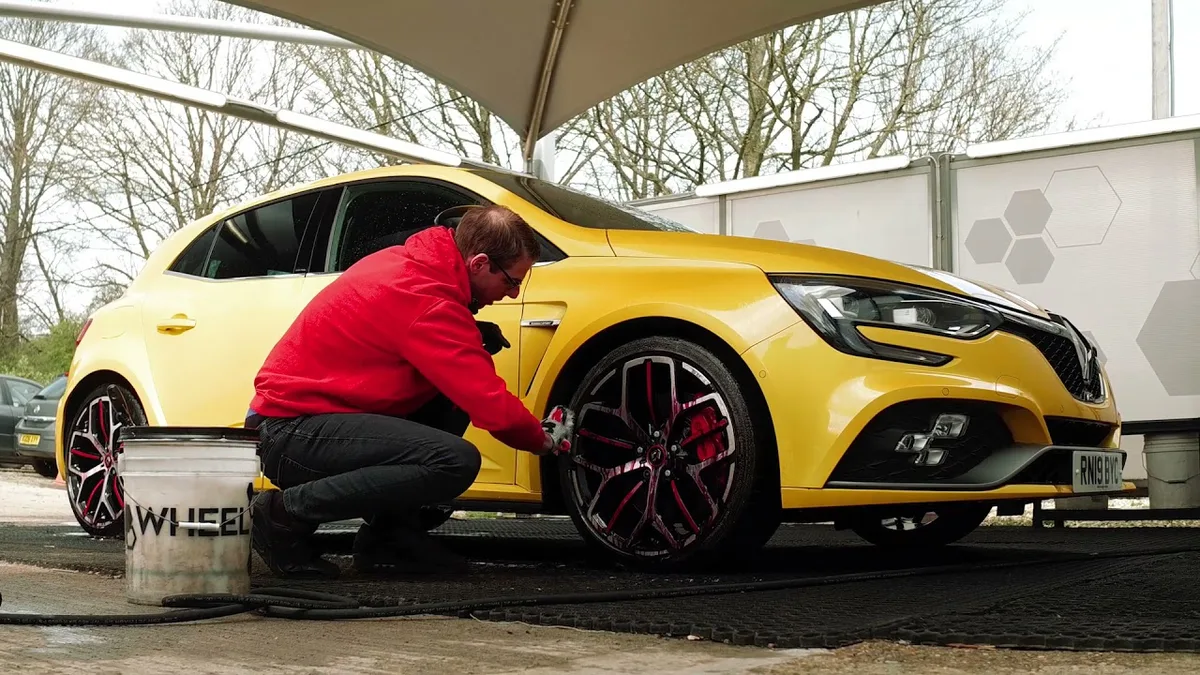
How Ceramic Shield Protection Actually Works
Ceramic coatings use silicon dioxide (SiO2) or titanium dioxide (TiO2) particles suspended in a liquid carrier. When applied, these particles fill microscopic imperfections in your clear coat. As the coating cures, it forms a hard, glass-like layer that’s chemically bonded to the paint.
This isn’t a surface-level product like wax. It integrates with the clear coat, which is why it resists washing off. The hydrophobic effect comes from the coating’s structure, which causes water to bead up and roll off, taking dirt with it.
Per ASME testing standards, high-quality coatings can achieve a water contact angle of 110° or higher.
Ceramic Shield vs. Wax vs. Paint Protection Film (PPF)
Ceramic coatings, wax, and PPF all protect your paint, but they work differently. Wax is the simplest and cheapest, offering a glossy finish and basic protection that lasts 1, 3 months. Ceramic coatings provide longer-lasting protection (2, 5 years) with superior hydrophobic properties and UV resistance.
PPF is a physical film that protects against rock chips and deep scratches, but it’s more expensive and requires professional installation.
| Feature | Ceramic Coating | Wax | Paint Protection Film |
|---|---|---|---|
| Durability | 2–5 years | 1–3 months | 5–10 years |
| Scratch Resistance | Light | Minimal | High |
| Hydrophobic Effect | High | Moderate | Moderate |
| UV Protection | Yes | Limited | Yes |
| Cost | $500–$2,500 | $20–$100 | $1,500–$7,000+ |
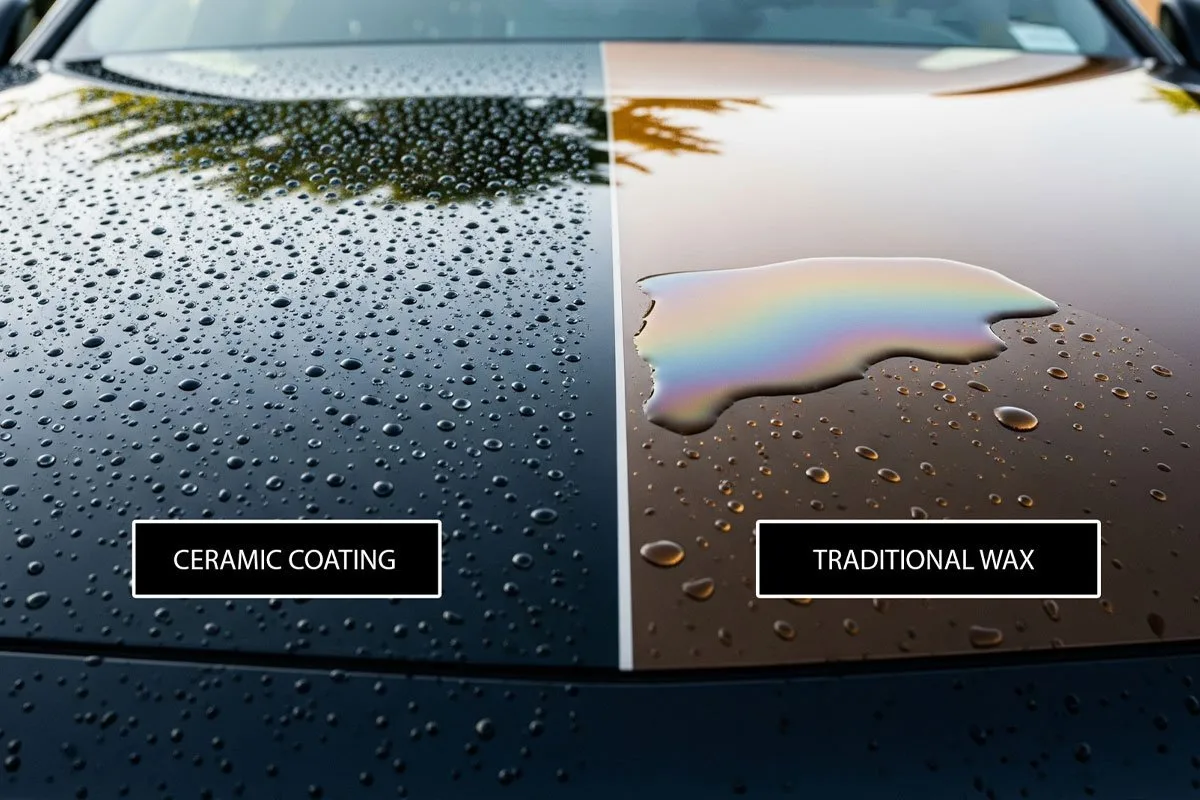
For most drivers, ceramic coatings strike the best balance between cost, durability, and protection. Wax is great for short-term shine, while PPF is ideal for high-value cars in harsh conditions.
Key Benefits of a Ceramic Shield Car Wash
The biggest advantage is longevity. Unlike wax, which degrades quickly, a ceramic coating keeps your car looking newer for years. It also makes washing easier.
Dirt and grime slide off more easily, reducing the need for frequent cleaning.
The hydrophobic effect is a game-changer. Water beads up and rolls off, which means fewer water spots and a cleaner look after rain. UV resistance is another major benefit.
It prevents oxidation and fading, which is especially important in sunny climates.
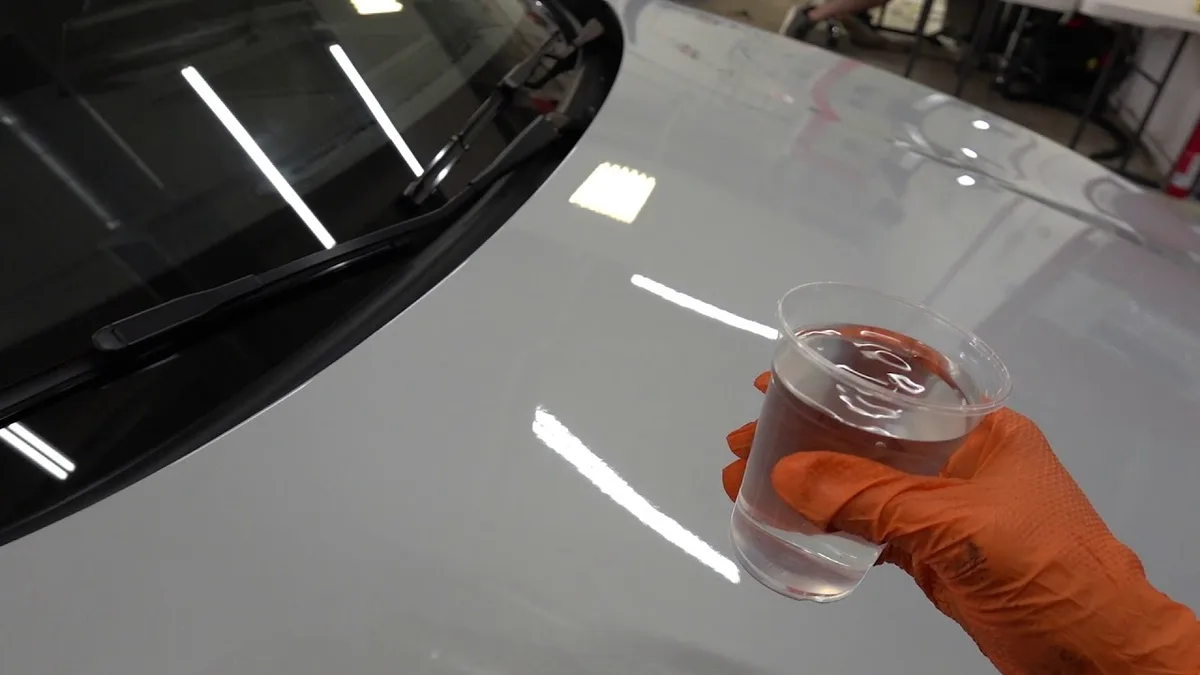
Ceramic coatings also enhance gloss. They fill in microscopic imperfections, giving your paint a deeper, richer shine. And because they’re chemically bonded, they won’t wash off with regular car washes.
The Downsides and Limitations You Should Know
Ceramic coatings aren’t perfect. The upfront cost is the biggest hurdle, especially for professional application. DIY kits are cheaper but often less durable and harder to apply correctly.
Improper application is a common issue. If the surface isn’t prepped properly, the coating won’t bond correctly, leading to streaks or uneven protection. It also doesn’t protect against rock chips or deep scratches.
For that, you’d need PPF.
Maintenance matters too. While ceramic coatings repel dirt, they’re not maintenance-free. You’ll still need to wash your car regularly with pH-neutral soap to avoid damaging the coating.
Professional Ceramic Coating vs. DIY Spray-On Kits
Professional ceramic coatings use high-grade polymers applied in controlled environments. They last 2, 5 years and require paint correction beforehand. DIY spray-on kits cost less but typically last 6, 12 months.
The application process differs too. Pros use multi-layer techniques with curing times up to 48 hours. DIY products are simpler but often lack the depth and durability of professional work.
For most drivers, DIY kits are a good way to test ceramic protection. But for long-term results, professional application is the better investment.
What to Expect During the Application Process
The process starts with a thorough wash and decontamination. Iron remover and clay bar treatments remove embedded contaminants. Then comes paint correction to fix swirl marks and scratches.
The coating is applied in thin, even layers. Each layer needs time to bond before the next is added. Full curing can take 7, 14 days, during which you should avoid washing the car.
How Long Does a Ceramic Shield Last?
Professional coatings last 2, 5 years with proper care. DIY products typically fade within a year. Harsh climates and poor maintenance can shorten this lifespan.
Reapplication isn’t as simple as rewaxing. The old coating must be removed before applying a new layer. This often requires professional help.
Cost Breakdown: DIY vs. Professional Ceramic Coating
DIY ceramic spray kits cost $50, $200. They’re budget-friendly but require careful application. Mistakes can lead to uneven protection or streaks.
Professional ceramic coatings range from $500 to $2,500+. The price depends on vehicle size, coating quality, and the number of layers. Luxury or large vehicles cost more.
| Option | Cost Range | Durability | Skill Required |
|---|---|---|---|
| DIY Spray-On Kit | $50–$200 | 6–12 months | Low |
| Professional Coating | $500–$2,500+ | 2–5 years | High |
Who Should (and Shouldn’t) Get a Ceramic Shield Car Wash
Ceramic coatings are ideal for daily drivers in harsh climates. They protect against UV rays, salt, and pollution. Car enthusiasts also benefit from the long-lasting shine and ease of maintenance.
They’re not for everyone. If you frequently change cars, the upfront cost may not be worth it. And if your paint is already damaged, you’ll need correction work first.
Older cars with heavy oxidation may not see as much benefit. The coating won’t fix existing paint issues. It only protects what’s already there.
Maintenance Tips to Make Your Ceramic Coating Last
Wash your car every two weeks with a pH-neutral shampoo. Harsh soaps strip the coating over time. Avoid automatic car washes with brushes as they can scratch the surface.
Use a microfiber wash mitt and dry with a clean towel. This prevents swirl marks that can dull the finish. Apply a ceramic booster spray every 3, 6 months to refresh the hydrophobic properties.
Common Mistakes That Ruin Ceramic Coatings
Applying the coating to a dirty surface is a top mistake. Contaminants prevent proper bonding. Always decontaminate and correct the paint first.
Using too much product creates uneven layers. Thin, even applications work best. Also, don’t wash the car during the curing period as water can disrupt the bonding process.
Safety and Compliance Considerations
Work in a well-ventilated area when applying ceramic coatings. Some products contain solvents that can be harmful if inhaled. Wear gloves and eye protection to avoid skin contact.
Check your car’s warranty before applying any coating. Some manufacturers void paint warranties if aftermarket products are used. Always follow the product’s safety guidelines.
FAQs About Ceramic Shield Car Washes
Does ceramic coating prevent scratches?
It resists light scratches and swirl marks better than wax. But it won’t stop deep scratches or rock chips. For that, you’d need paint protection film.
Can I apply ceramic coating myself?
Yes, but it requires careful surface prep. DIY kits are easier but less durable than professional applications. Mistakes can lead to streaks or poor bonding.
How often should I reapply ceramic coating?
Professional coatings last 2, 5 years. DIY products typically need reapplication every 6, 12 months. Harsh conditions may shorten this lifespan.
Is ceramic coating worth the cost?
For most drivers, yes. It saves time on washing and protects your paint longer than wax. But for older cars or short-term ownership, the cost may not be justified.
Can ceramic coating be removed?
Yes, but it requires polishing or compounding. This removes a thin layer of clear coat along with the ceramic. It’s best done by professionals.
Does ceramic coating work on matte paint?
Some coatings are designed for matte finishes. Standard ceramic coatings can make matte paint glossy. Always check the product specifications first.