Black Friday deals are live on Amazon · limited-time discounts, grab them before they’re gone
Grab the deals

ByMax Lee
What Is Ceramic Shield Car Wash? Ultimate Protection Explained
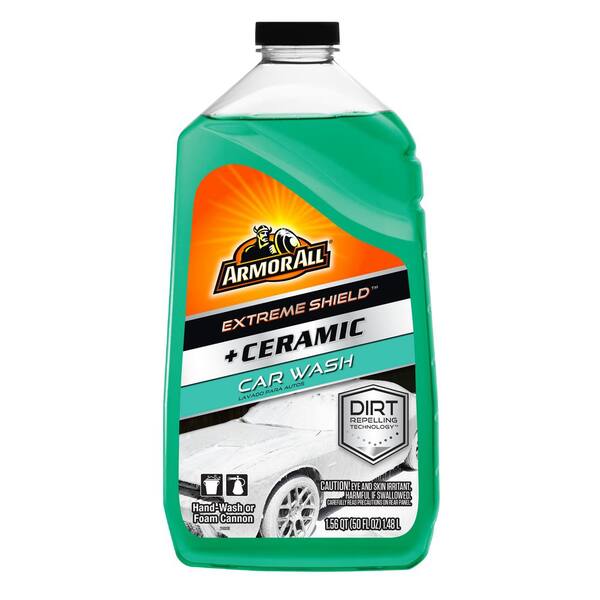
A ceramic shield car wash is a cleaning service or product treatment that leaves a water-repellent, ceramic-based layer on a vehicle’s exterior. It is designed to make the paint easier to wash, improve gloss, and provide limited protection against environmental contamination.
The phrase can describe several different products, however. Some car washes use a short-term ceramic spray or rinse aid, while professional detailers apply a true ceramic coating that chemically bonds to prepared paint. These treatments are not identical, and neither makes a vehicle scratch-proof.
Understanding the difference helps you choose the right service, maintain it correctly, and avoid paying coating prices for a temporary wash upgrade.
What Is Ceramic Shield Car Wash?
Ceramic shield car wash generally combines two steps:
- Cleaning the vehicle to remove road film, dust, oils, and loose contamination.
- Applying a ceramic-containing protectant that forms a thin hydrophobic layer over the paint, glass, trim, or wheels.
A regular car wash removes dirt but usually leaves little or no durable protection. A ceramic-enhanced wash adds a protective product after—or sometimes during—the cleaning process.
The term “ceramic” usually refers to silicon dioxide, commonly abbreviated as SiO₂, or a related siloxane or ceramic-polymer formula. The product does not create a thick sheet of glass over the car. It leaves an extremely thin chemical film whose performance depends on the formula, surface preparation, application method, and maintenance.
If you are comparing different services, ask whether the treatment is a ceramic spray sealant, ceramic rinse, ceramic wax, or professionally installed ceramic coating. Those names often describe very different levels of durability.
For a useful comparison of common wash treatments, review this explanation of ceramic-based wash protection.
Ceramic Spray, Ceramic Wax, and True Coating: What Is the Difference?
Not every “ceramic” service provides the same protection.
| Treatment | Typical application | Expected durability | Best use |
|---|---|---|---|
| Ceramic rinse or spray | Applied during or after a wash | Short-term; often several washes to a few months | Convenient maintenance and added gloss |
| Ceramic wax or sealant | Wiped or sprayed onto clean paint | Usually longer than a rinse product | Routine DIY protection |
| Professional ceramic coating | Carefully spread and leveled on prepared paint | Product- and care-dependent; commonly measured in years | Long-term paint protection |
| Paint protection film | Physical urethane film installed on panels | Long-term physical impact protection | Reducing stone-chip and abrasion damage |
A wash package marketed as “ceramic shield” may only use a spray protectant. That can still be useful, but it should not be represented as equivalent to a professionally cured coating.
A true coating also requires more preparation. The vehicle may need chemical decontamination, clay treatment, paint polishing, panel wiping, controlled application, and curing time. Applying a coating over bonded contamination or neglected paint can lock defects beneath the finish.
How Does a Ceramic Shield Treatment Work?
A properly performed treatment usually follows this sequence.
1. Initial rinse and contact wash
Loose grit is rinsed away before the wash mitt touches the paint. This reduces the chance of dragging abrasive particles across the clear coat.
A careful detailer works from the roof downward because the lower doors, rocker panels, and rear bumper generally carry more road grime. A two-bucket wash setup can further separate shampoo solution from rinse water during home washing.
2. Decontamination and surface preparation
Depending on the vehicle’s condition, preparation may include:
- Removing tar, tree sap, and iron particles
- Cleaning wheels and wheel wells separately
- Using a clay mitt or clay bar for bonded contamination
- Polishing light oxidation or wash marks
- Wiping the paint with a compatible panel-preparation product
This step matters because protection adheres best to clean, residue-free paint. A quick drive-through wash normally does not provide this level of preparation.
3. Ceramic product application
For a spray or rinse treatment, the product is distributed over wet or freshly washed paint and then rinsed or dried according to its instructions.
For a true coating, the installer applies a small amount to a panel, allows it to begin flashing, and levels the residue with clean microfiber towels. Timing is important: removing it too soon can reduce coverage, while leaving high spots may create visible streaks or hardened patches.
Because formulas vary, always follow the product’s technical instructions. Manufacturer directions from an established coating supplier, such as official ceramic product guidance, are more reliable than assuming every “ceramic” product behaves the same way.
4. Curing
The treated surface may need to remain dry and protected from contamination for a specified period. Some products can be driven shortly after installation but still require additional time to cure fully.
Do not assume that water exposure, rain, or an immediate automatic wash is acceptable. The installer or product label should provide the exact requirements.

Ceramic protection must be spread and leveled evenly to avoid visible high spots.
Credit: www.amazon.com
Main Benefits of a Ceramic Shield Car Wash
Improved water behavior
Ceramic products increase surface tension, causing water to bead or sheet more readily. This is called hydrophobicity. Water behavior can make drying faster and reduce the amount of dirt that remains attached to the paint.
Beading is not the same as complete protection from water spots. Minerals left behind as water evaporates can still etch or mark paint, particularly in strong sunlight or hard-water areas.
Easier routine cleaning
A smooth, well-maintained protected surface generally releases light dust and road film more easily than neglected paint. Washing may require less agitation, which is helpful because excessive rubbing is a common source of fine swirl marks.
Protection does not eliminate washing. Mud, insects, bird droppings, salt, and oily traffic film still need to be removed promptly.
More gloss and visual depth
Ceramic sealants and coatings can improve the way light reflects from clean paint. The most noticeable improvement usually comes from proper washing and paint preparation rather than from the ceramic product alone.
On faded, oxidized, or heavily scratched paint, a coating may make the surface look cleaner but will not restore missing clear coat or remove defects.
Resistance to chemical contamination
A quality coating can give the paint more resistance to everyday contaminants such as road film, acidic bird droppings, bug residue, and some cleaning chemicals. This resistance is limited by exposure time and chemical strength.
Remove bird droppings and bug remains as soon as practical. Allowing contamination to bake onto hot paint can cause damage even when a ceramic coating is present.
Limited protection from light marring
A cured coating may reduce very light wash marring because it adds a hard, slick surface. It does not stop stone chips, key scratches, deep abrasions, parking-lot dents, or deliberate vandalism.
For impact protection, paint protection film is generally a more suitable technology than a liquid ceramic coating.
What Ceramic Shield Does Not Protect Against
Marketing language can make ceramic protection sound stronger than it is. A ceramic treatment does not make paint:
- Scratch-proof
- Chip-proof
- Dent-proof
- Immune to swirl marks
- Permanently stain-proof
- Safe from poor washing technique
- Protected from every chemical or solvent
- Maintenance-free
A common mistake is using the coating as a reason to wash less carefully. Dirty microfiber towels, automatic brushes, dry dusting, and aggressive scrubbing can still damage the finish.
Think of ceramic protection as a maintenance aid and sacrificial surface—not armor.
Ceramic Shield vs. Wax vs. Paint Sealant
| Feature | Ceramic treatment | Traditional wax | Synthetic paint sealant |
|---|---|---|---|
| Main benefit | Gloss, slickness, water behavior, chemical resistance | Warm appearance and short-term protection | Durable synthetic protection and gloss |
| Typical format | Spray, rinse product, or cured coating | Paste, liquid, or spray | Liquid or spray |
| Durability | Varies widely by product | Often shorter than modern sealants | Usually longer than traditional wax |
| Scratch resistance | Limited resistance to light marring | Minimal | Limited |
| Application difficulty | Easy for sprays; demanding for coatings | Usually straightforward | Usually straightforward |
| Maintenance required | Yes | Yes | Yes |
| Best choice for | Owners seeking easier cleaning and longer protection | Owners who enjoy frequent detailing | Practical, lower-complexity protection |
Durability claims should always be treated as product-specific. A “ceramic” label alone does not establish how long the treatment will last.
How Long Does Ceramic Shield Protection Last?
There is no single expiration period for every ceramic shield car wash. Longevity depends on:
- The product’s chemistry and concentration
- Whether it was sprayed, rinsed, or professionally cured
- Paint preparation before application
- UV exposure and climate
- Road salt, industrial fallout, and hard-water deposits
- How frequently the vehicle is washed
- Whether strong degreasers or abrasive brushes are used
A rinse or spray treatment may need renewal after a few washes or several months. A professionally installed coating can remain functional for years when correctly applied and maintained, although its water behavior may gradually weaken before the coating is completely gone.
Rather than relying only on a calendar, look for practical signs:
- Water no longer sheets or beads as it did
- Dirt clings more readily to the paint
- Washing takes more effort
- The finish feels less slick after cleaning
- The product’s maintenance instructions call for a booster
These signs do not prove that every layer has disappeared, but they indicate that maintenance or reapplication may be appropriate.
How Much Does a Ceramic Shield Car Wash Cost?
The price varies by location, vehicle size, product type, and preparation time. A basic ceramic rinse at a wash facility costs much less than a full coating installation because it requires less labor and preparation.
A professional coating quote may include:
- Thorough wash and decontamination
- Paint correction or polishing
- Panel preparation
- Coating installation
- Curing time
- Warranty or inspection
- Follow-up maintenance products
Ask what is included before comparing prices. Two services may both use “ceramic protection” in their names while one is a quick spray and the other includes hours of preparation.
The cheapest option is not always the best value, especially if the vehicle requires paint correction first. Conversely, a full coating may be unnecessary for a leased car, an older daily driver, or an owner who prefers frequent low-cost washes.
Can You Apply Ceramic Shield at Home?
Yes, many ceramic sprays, waxes, and entry-level coatings are designed for careful home application. The difficulty depends on the product.
A safe home process is:
- Work in shade on a cool surface.
- Rinse and wash the vehicle thoroughly.
- Remove tar, sap, and bonded contamination.
- Dry with clean, soft microfiber towels.
- Polish only if you understand the product and paint condition.
- Wipe the paint with the recommended preparation solution.
- Apply the product to a small section at a time.
- Level residue immediately according to the label.
- Inspect the panel from several angles for streaks or high spots.
- Keep the vehicle dry for the required curing period.
Use separate towels for wheels, exhaust areas, paint, and final leveling. If a coating flashes too quickly, high humidity, direct sunlight, or an oversized application area may be responsible.
For a simple spray protectant, professional installation may not be necessary. For a multi-year coating, expensive vehicle, dark paint, or imperfect bodywork, professional preparation can reduce the risk of visible application errors.
Best Way to Wash a Ceramic-Coated Car
A coated vehicle still needs a careful maintenance routine.
Recommended method
- Rinse loose grit from the entire vehicle first.
- Use a pH-neutral shampoo approved for coated surfaces.
- Wash from the cleanest panels downward.
- Use a clean microfiber mitt and rinse it frequently.
- Clean wheels and tires with separate equipment.
- Rinse thoroughly so shampoo does not dry on the surface.
- Dry with a clean microfiber drying towel or filtered air.
- Remove bird droppings, insects, and tree sap promptly.
- Apply only compatible maintenance products.
Water quality can affect drying and spotting. If mineral deposits are a recurring problem, a filtered wash-water approach may reduce residue, although it cannot replace proper drying.
What to avoid
Avoid:
- Brush-style automatic washes
- Dirty sponges or old towels
- Household dish detergent
- Dry wiping dusty paint
- Strong solvents unless the manufacturer approves them
- Abrasive polishes used without a reason
- Washing in direct midday sun
- Leaving chemical cleaners to dry on the surface
Touchless washes are less likely to create brush-induced marring, but their stronger chemicals may shorten the life of some spray protectants. A gentle hand wash remains the most controllable option.
Ceramic Protection in Winter and Harsh Weather
Road salt, brine, freezing temperatures, and gritty winter debris place extra stress on exterior surfaces. Ceramic protection can make salt and grime easier to rinse away, but it does not prevent corrosion underneath the vehicle.
Wash the wheel wells, suspension areas, lower doors, and underside when conditions allow. Avoid forcing hot water onto frozen glass or panels, and follow the coating manufacturer’s guidance for winter chemicals and temperature limits.
If you already have a coating, a cold-weather washing routine can help preserve its water behavior while reducing winter-related paint marring.
Is a Ceramic Shield Car Wash Worth It?
It can be worthwhile when you value easier maintenance, water repellency, and a consistently glossy appearance. It is particularly useful for vehicles that are parked outdoors, regularly exposed to road film, or washed frequently.
It may not be the best choice when:
- You expect protection from stone chips or deep scratches
- The vehicle has severely damaged paint
- You rarely wash or maintain the car
- You are considering a high-priced coating without paint preparation
- A basic sealant would meet your needs at a lower cost
The right choice depends on the product and your expectations. A modest ceramic spray used regularly can be practical, while an expensive coating is only justified when the preparation, installation, and maintenance match its intended service life.
Frequently Asked Questions
Is ceramic shield car wash the same as ceramic coating?
No. A ceramic shield car wash often uses a spray or rinse protectant that provides temporary hydrophobicity and gloss. A true ceramic coating is installed on prepared paint and is designed to last substantially longer. Ask the provider which product is being used and how it is applied.
Does ceramic shield prevent scratches?
No. It may reduce very light wash marring, but it will not prevent deep scratches, stone chips, dents, or vandalism. Use careful washing methods and consider paint protection film if impact resistance is the priority.
Can I use a regular car wash after ceramic protection?
You can wash a protected vehicle, but avoid abrasive brushes and harsh chemicals when possible. A pH-neutral hand wash is generally the safest maintenance choice. For a recently installed coating, follow the required curing period before exposing it to water or detergents.
Does ceramic protection stop water spots?
No. It makes water bead or sheet more readily, but minerals can remain after water evaporates. Dry the vehicle promptly, especially after washing with hard water, and remove mineral deposits with a product approved for the coating.
Is ceramic shield safe for glass, plastic, and wheels?
Only if the product is approved for those surfaces. Paint coatings, glass coatings, trim coatings, and wheel coatings can have different formulas and preparation requirements. Never assume a paint product is suitable for every exterior material.
Is a ceramic wash useful for a car-wash fundraiser?
A ceramic add-on can be offered as an optional upgrade, but volunteers should use products with clear directions and avoid promising long-term coating performance. A basic fundraiser wash is normally a cleaning service, not a professionally prepared ceramic installation. Planning the service and equipment separately from organizing a car wash fundraiser helps set accurate customer expectations.
Conclusion
A ceramic shield car wash is more than ordinary cleaning, but the level of protection depends on the product behind the label. A ceramic rinse or spray can add gloss, water repellency, and easier maintenance for a limited period. A professionally installed ceramic coating offers longer-lasting surface protection but requires careful preparation, application, curing, and ongoing care.
It will not make paint scratch-proof or eliminate washing. Its real value is helping a properly maintained vehicle stay cleaner, release contamination more easily, and retain a glossy appearance.
Choose the treatment based on your vehicle’s condition, budget, parking environment, and willingness to maintain it—and confirm exactly what “ceramic” means before you book the service.








