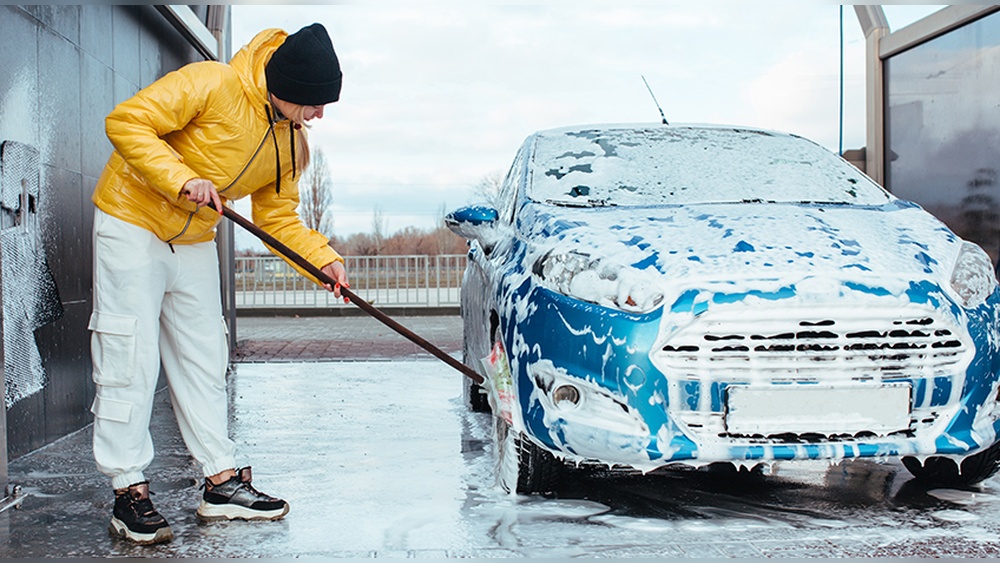
Have you ever wondered if it’s actually too cold to wash your car? You want your car to look clean and shiny, but you’re worried about what freezing temperatures might do.
Washing your car in the cold can sometimes cause more harm than good, but how cold is too cold? You’ll discover the exact temperature limits and smart tips to keep your car clean without risking damage. Keep reading to protect your vehicle and save time and money this winter.
Credit: www.thesilverlining.com
Effects Of Cold On Car Wash
Cold weather affects car washing in many ways. The low temperatures can cause problems for your car’s surface and parts. Understanding these effects helps you protect your car better.
Washing your car in freezing weather is not the same as in warmer days. Water and cold together can harm your car’s paint, seals, and trim. Knowing the risks is important before washing in cold weather.
How Freezing Temperatures Impact Paint
Cold weather makes car paint more fragile. Sudden temperature changes can cause paint to crack or peel. Ice can stick to the paint and damage it when removed. The paint’s protective layer also weakens in freezing cold.
Risks Of Water Freezing On Surfaces
Water left on your car can freeze quickly in cold weather. Ice can form on windows, mirrors, and door handles. Frozen water can cause scratches or chips on the surface. It also makes cleaning the car harder and more dangerous.
Potential Damage To Seals And Trim
Cold weather can make rubber seals and trim stiff and brittle. Water trapped around seals may freeze and expand, causing cracks. This leads to leaks and poor insulation. Trim pieces may break or come loose if frozen.

Credit: www.torquedetail.com
Ideal Temperature For Washing
Washing your car at the right temperature helps protect its paint and finish. Water can freeze or cause damage if it is too cold outside. Knowing the ideal temperature for washing keeps your car safe and clean. It also makes the washing process easier and more effective.
Safe Temperature Range
The best temperature to wash a car is between 50°F and 85°F (10°C to 29°C). At this range, water will not freeze quickly. Soap and water can clean the car better. The paint and seals stay safe from damage.
Below 40°F (4°C), washing can cause problems. Water may freeze on the car or on the ground. This can lead to scratches or cracks in the paint. Above 85°F (29°C), soap may dry too fast. It leaves spots and streaks on the car’s surface.
Signs It’s Too Cold To Wash
Check for frost or ice on the car. If frost is present, washing is not safe. Feel the outside air. If it feels very cold, avoid washing. Water may freeze quickly on the car. This can harm the paint and seals.
Look for frozen ground or icy patches. These make washing unsafe and slippery. If you see these signs, wait for warmer weather. Protect your car and yourself from damage and accidents.
Weather Conditions To Avoid
Do not wash your car during freezing rain or snow. These conditions cause ice buildup on the car. Avoid washing in windy weather. Wind can dry soap too fast and leave marks. Avoid washing when the sun is very strong. It can cause soap to dry too quickly.
Rainy days are also not ideal. Rain can wash away soap before cleaning is done. Pick a calm, dry day with moderate temperature for best results.
Preparing Your Car For Cold Wash
Preparing your car for a cold wash needs care and the right steps. Cold weather can harm your car’s paint and parts if you wash it without preparation. Taking simple precautions helps protect your vehicle during low temperatures.
Follow these tips to get your car ready for a cold wash. They reduce risks and keep your car looking good.
Pre-wash Inspection Tips
Check your car for any damage before washing. Look for cracks, chips, or loose parts on the paint and trim. Cold water or freezing air can worsen these problems. Make sure all windows and doors close tightly to avoid water leaks. Remove any snow or ice gently with a soft brush. Avoid scraping hard, as it can scratch the surface.
Using Warm Water Safely
Use warm water instead of hot to avoid sudden temperature changes. Hot water can cause paint to crack or glass to break in freezing weather. Warm water cleans better than cold, but keep it below 100°F (38°C). Test water temperature with your hand before washing. Avoid spraying water directly on frozen parts to prevent damage.
Protective Products To Use
Apply wax or sealant before washing to protect the paint. These products create a barrier against dirt and cold water. Use a gentle car shampoo designed for cold weather. Avoid harsh chemicals that can strip wax or damage paint. After washing, dry the car quickly with a soft towel. This prevents ice from forming on the surface.

Credit: www.silverstarcarwashes.com
Safe Washing Techniques In Cold Weather
Washing your car in cold weather needs care. Cold can harm your car’s paint and parts. Using safe techniques helps keep your car clean without damage. These tips protect your vehicle and make washing easier in low temperatures.
Recommended Washing Methods
Use warm water to wash your car. Cold water can freeze quickly. Choose a gentle soap made for cars. Avoid harsh chemicals that may harm paint. Use a soft sponge or microfiber cloth. Wash in the sun or during the warmest part of the day. This helps water dry faster and stops ice from forming.
Avoiding Ice Formation
Do not spray water on a freezing car. Water turns to ice and causes damage. Rinse in small sections, not all at once. Use a bucket of warm water instead of a hose. Avoid washing if the temperature is below 20°F (-6°C). Check weather before washing to prevent ice build-up.
Drying Tips To Prevent Damage
Dry your car immediately after washing. Use a clean microfiber towel to soak up water. Focus on door seals, mirrors, and edges. These spots freeze first and cause problems. Avoid letting water drip and freeze on your car. Use a leaf blower or air compressor to remove water from hard-to-reach areas.
Alternatives To Washing In Cold Weather
Washing your car in freezing weather can be tough. Cold water and low temperatures may harm your vehicle’s paint and parts. Luckily, there are other ways to keep your car clean without risking damage. These alternatives help protect your car while keeping it looking fresh.
Using Waterless Wash Products
Waterless wash products clean your car without water. They use special formulas to lift dirt and grime. Spray the product on the car’s surface. Then wipe with a soft cloth. This method prevents freezing and saves water. It works well for lightly dirty cars and quick touch-ups.
Indoor Car Wash Options
Indoor car washes offer warmth and protection from cold air. Automated or hand wash services keep your car clean safely. Indoor facilities prevent water from freezing on your car. They also dry your car quickly. Using indoor car washes reduces the risk of ice damage during winter.
Spot Cleaning Strategies
Spot cleaning focuses on dirty areas only. Use a damp cloth or wipes to clean spots. Avoid washing the whole car in freezing temperatures. Spot cleaning removes salt, mud, and grime that can cause rust. This method is quick and prevents damage from cold water.
Maintaining Your Car Between Washes
Keeping your car clean in cold weather can be tough. Washing your car often is not always possible during winter. Dirt, salt, and grime build up fast. Maintaining your car between washes helps protect its paint and parts. Simple steps can keep your car in good shape. These steps reduce damage from harsh winter conditions.
Protective Coatings And Waxes
Applying wax or a protective coating creates a strong shield on your car’s paint. This layer stops dirt and salt from sticking tightly. Wax also helps water slide off the surface. It prevents ice from bonding to the paint. A good wax can last weeks, saving your car from damage. Use a soft cloth to apply wax evenly. Avoid washing your car right before it freezes.
Regular Inspection For Damage
Check your car often for scratches, chips, or rust spots. Salt and cold weather cause paint to wear down. Catching damage early prevents bigger problems later. Look under the car and near the wheels. Pay attention to the edges and hidden areas. Fix small spots quickly to stop rust from spreading. A quick inspection takes only a few minutes.
Storing Your Car During Winter
Store your car in a garage or covered place if possible. This protects it from snow, ice, and salt. If you have no garage, use a car cover made for winter. Covers keep dirt and moisture away. Avoid parking under trees where sap and debris can fall. A sheltered spot reduces the need for frequent washes and protects your car’s finish.
Frequently Asked Questions
Is It Bad To Wash Your Car In Freezing Temperatures?
Washing your car in freezing temperatures can cause water to freeze on the surface. This can damage the paint and lock doors. It’s best to avoid washing if temperatures drop below 32°F (0°C). Use warm water and dry the car quickly if you must wash it.
What Temperature Is Too Cold To Wash A Car?
Temperatures below 20°F (-6°C) are generally too cold to wash a car safely. Water can freeze instantly, causing ice buildup. This risks paint damage and mechanical issues. Washing above freezing is safer, especially using warm water and proper drying techniques.
Can Washing A Car In Cold Weather Cause Damage?
Yes, washing a car in cold weather can cause damage. Water can freeze in cracks, harming paint and seals. Freezing water in locks and windows may also cause malfunction. Avoid washing during extreme cold to protect your vehicle’s exterior and mechanical parts.
How To Wash Your Car Safely In Cold Weather?
Use warm water and mild soap when washing in cold weather. Avoid washing during extreme cold or windy conditions. Dry the car thoroughly to prevent ice formation. Focus on areas with salt or grime to protect the paint and undercarriage from corrosion.
Conclusion
Washing your car in very cold weather can cause damage. Water may freeze quickly, harming the paint and parts. It is best to wash when temperatures are above freezing. Use warm water and dry the car well to avoid ice.
Taking care of your car helps it last longer. Clean cars look better and keep their value. Plan your car wash for mild days to protect it. Simple steps can prevent costly repairs later. Stay safe and keep your car clean at the right time.