ByMax Lee
What Michigan’s Motorcycle Helmet Law Means for Riders
Michigan’s motorcycle helmet law is straightforward in some cases and full of exceptions in others. If you’re under 21 or new to riding, you’re required to wear one. The rules get more nuanced for experienced riders, but the stakes, safety and legal penalties, are always high.
Per Michigan Vehicle Code MCL 257.658, all helmets must meet DOT standards, and violations can cost you up to $200. As of 2026, the law hasn’t changed, but enforcement and interpretations can vary.
Quick Answer
Michigan requires helmets for riders under 21. Riders 21+ must wear one unless they have at least 2 years of experience. Passengers always need a helmet.
Helmets must be DOT-approved. Fines apply for non-compliance.
The Quick Answer: Who Must Wear a Helmet in Michigan
You must wear a helmet in Michigan if you’re under 21. The same rule applies if you’re 21 or older but have less than two years of riding experience.
Passengers must always wear a helmet, no matter their age or your experience level. There are no exceptions for passengers.
YouTube / The Motorcycle Lawyer (YouTube thumbnail (fair-use with source credit))
How Michigan’s Helmet Law Actually Works
Michigan’s law is a partial helmet law. This means it doesn’t require every rider to wear a helmet, but it does set conditions.
If you’re 21 or older and have at least two years of licensed motorcycle experience, you can ride without a helmet. You can also skip the helmet if you’ve completed an approved motorcycle safety course, even if you don’t have two years of experience.
For everyone else, helmets are mandatory. This includes all riders under 21 and any rider, regardless of age, who hasn’t met the experience or course requirements.

YouTube / Kwackajack (YouTube thumbnail (fair-use with source credit))
The law also doesn’t distinguish between helmet types. Whether you prefer a full-face, open-face, or half-shell helmet, as long as it meets DOT standards, it’s legally acceptable.
The Exemptions: When You Don’t Need a Helmet
You don’t need a helmet in Michigan if you’re 21 or older and have at least two years of licensed motorcycle experience. Completing a safety course approved by the Michigan Secretary of State also qualifies you for the exemption.
These exemptions only apply to the rider. Passengers must always wear a helmet, regardless of the rider’s age or experience.
Off-road riding on private property is another exception. If you’re riding on private land and not on public roads, Michigan’s helmet law doesn’t apply. However, if you’re on public roads or trails, the standard rules are in effect.
What Counts as a Legal Helmet in Michigan
A legal helmet in Michigan must meet the U.S. Department of Transportation (DOT) Federal Motor Vehicle Safety Standard No. 218. This standard ensures the helmet provides a minimum level of protection in a crash.
Look for the DOT certification label on the back of the helmet. It’s usually a sticker with the letters “DOT” and the manufacturer’s information. Without this label, the helmet isn’t legally compliant.
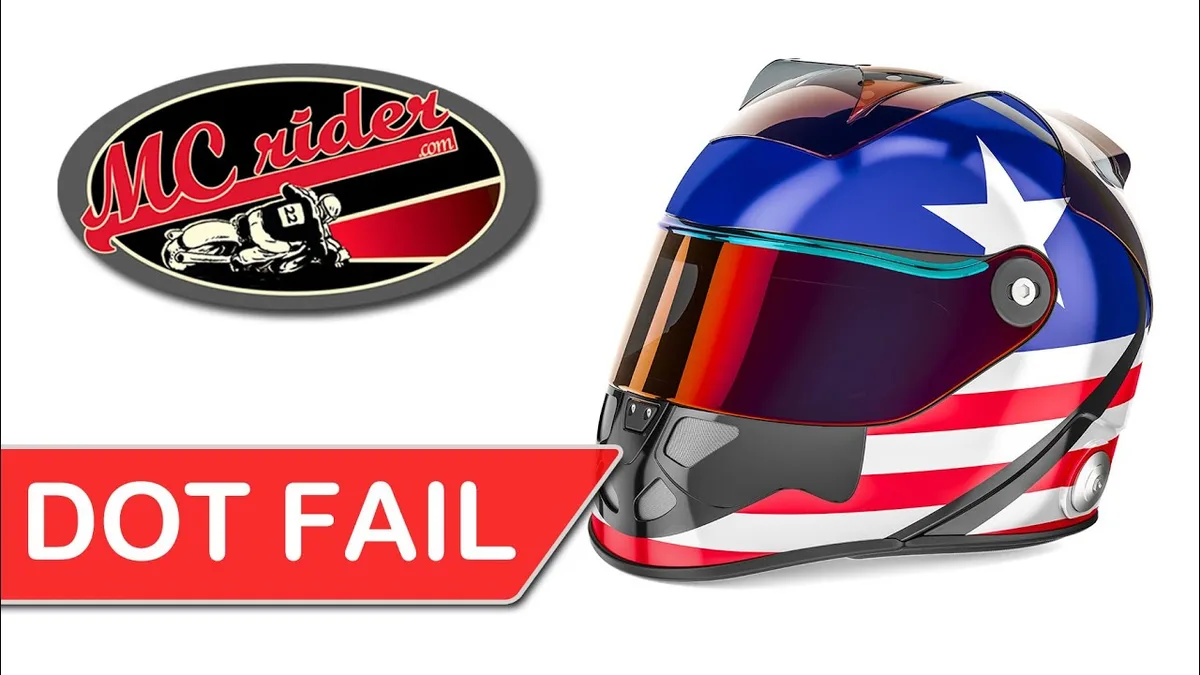
YouTube / MCrider, Motorcycle Training (YouTube thumbnail (fair-use with source credit))
Helmets must also have a sturdy chin strap and retention system to stay securely on your head. If the helmet is damaged or the strap is broken, it’s not just unsafe, it’s also illegal to wear.
The Risks of Riding Without a Helmet (Even If It’s Legal)
Riding without a helmet increases your risk of severe head injuries or death in a crash. According to the NHTSA, helmets reduce the risk of death by about 37% and the risk of head injury by about 69%.
Even if you’re exempt from Michigan’s helmet law, wearing one is a smart safety choice. Head injuries are among the most common and most dangerous outcomes of motorcycle accidents.
Insurance companies may also consider helmet use when processing claims. If you’re in an accident without a helmet, you might face higher medical costs or reduced payouts, depending on your policy.
What Happens If You Break the Law?
You’ll face a fine if caught riding without a helmet when required. The penalty is typically $100 to $200, depending on the circumstances and the officer’s discretion.
Michigan State Police and local law enforcement can pull you over solely for a helmet violation. It’s considered a primary offense, meaning they don’t need another reason to stop you.
YouTube / MLive (YouTube thumbnail (fair-use with source credit))
Repeat offenses may lead to higher fines or additional penalties. More importantly, riding without a helmet can void certain insurance protections, leaving you financially vulnerable after an accident.
How to Check If Your Helmet Meets Michigan’s Standards
Look for the DOT certification sticker on the back of the helmet. It should include the manufacturer’s name, model, and the DOT symbol.
A legal helmet must also have a thick inner liner, usually made of polystyrene foam. The chin strap should be sturdy and fasten securely under your chin.
Avoid novelty helmets or those labeled as "not for highway use." These don’t meet DOT standards and won’t protect you in a crash.
Common Mistakes Riders Make With the Helmet Law
Many riders assume the helmet law doesn’t apply to them if they’re experienced. But the exemption only kicks in after two years of licensed riding or completing a safety course.
Some riders wear non-DOT helmets, thinking any helmet is better than none. These won’t pass legal scrutiny and offer far less protection.
Passengers often forget they must always wear a helmet, regardless of the rider’s age or experience. This is a frequent cause of fines.
Helmet Rules for Passengers vs. Riders
Passengers must always wear a DOT-approved helmet in Michigan. There are no exemptions based on age, experience, or the rider’s status.
Riders have more flexibility but only if they meet the age and experience requirements. Even then, passengers on their bike must still comply with the helmet law.
If you’re carrying a passenger, it’s your responsibility to ensure they’re wearing a legal helmet. Failing to do so can result in fines for both of you.
Off-Road and Special Cases: Different Rules?
Off-road riding on private property doesn’t require a helmet under Michigan law. But if you’re on public roads, trails, or any area open to public access, the standard helmet rules apply.
Some organized off-road events may have their own helmet requirements. Always check the event rules, as they can be stricter than state law.
For street-legal dual-sport bikes, the same on-road helmet laws apply. Even if your bike is capable of off-road use, riding on public streets means following the standard rules.
Michigan vs. Other States: How the Laws Compare
Michigan’s partial helmet law is more lenient than states with universal requirements. In California, New York, and Texas, all riders must wear helmets regardless of age or experience.
Some neighboring states have no helmet laws at all. Illinois and Iowa don’t require helmets for any riders, though safety advocates strongly recommend them.
Michigan’s approach sits in the middle. It balances personal freedom with safety by requiring helmets for those most at risk: younger riders and those with less experience.
Where to Get the Official Word (And Avoid Bad Advice)
The Michigan Secretary of State website is the best source for current helmet law details. They publish updates to the Michigan Vehicle Code, including any changes to helmet requirements.
The Michigan State Police also provide guidance on traffic laws and enforcement. Their website includes FAQs and contact information for local departments.
For federal helmet standards, the NHTSA’s website explains DOT certification requirements. This is where you’ll find the technical details on what makes a helmet legally compliant.
FAQs About Michigan’s Motorcycle Helmet Law
Do I need a helmet to ride a motorcycle in Michigan?
Yes, if you’re under 21 or have less than two years of riding experience. Riders 21+ with experience or a safety course completion can go without one, but passengers must always wear a helmet.
What’s the fine for not wearing a helmet in Michigan?
The fine is typically $100 to $200. Officers can pull you over for this violation alone, as it’s a primary offense.
Can I wear any helmet, or does it have to be DOT-approved?
It must be DOT-approved. Look for the certification sticker on the back of the helmet to ensure it meets federal safety standards.
Are there any medical exemptions to Michigan’s helmet law?
No. Michigan’s helmet law doesn’t include medical or religious exemptions. All riders and passengers must comply unless they meet the age and experience requirements.
Does Michigan’s helmet law apply to off-road riding?
No, but only if you’re on private property. On public roads or trails, the standard helmet rules apply.