ByMax Lee
Kentucky Vehicle Equipment Standards Guide
Bing (Web (fair-use with source credit))
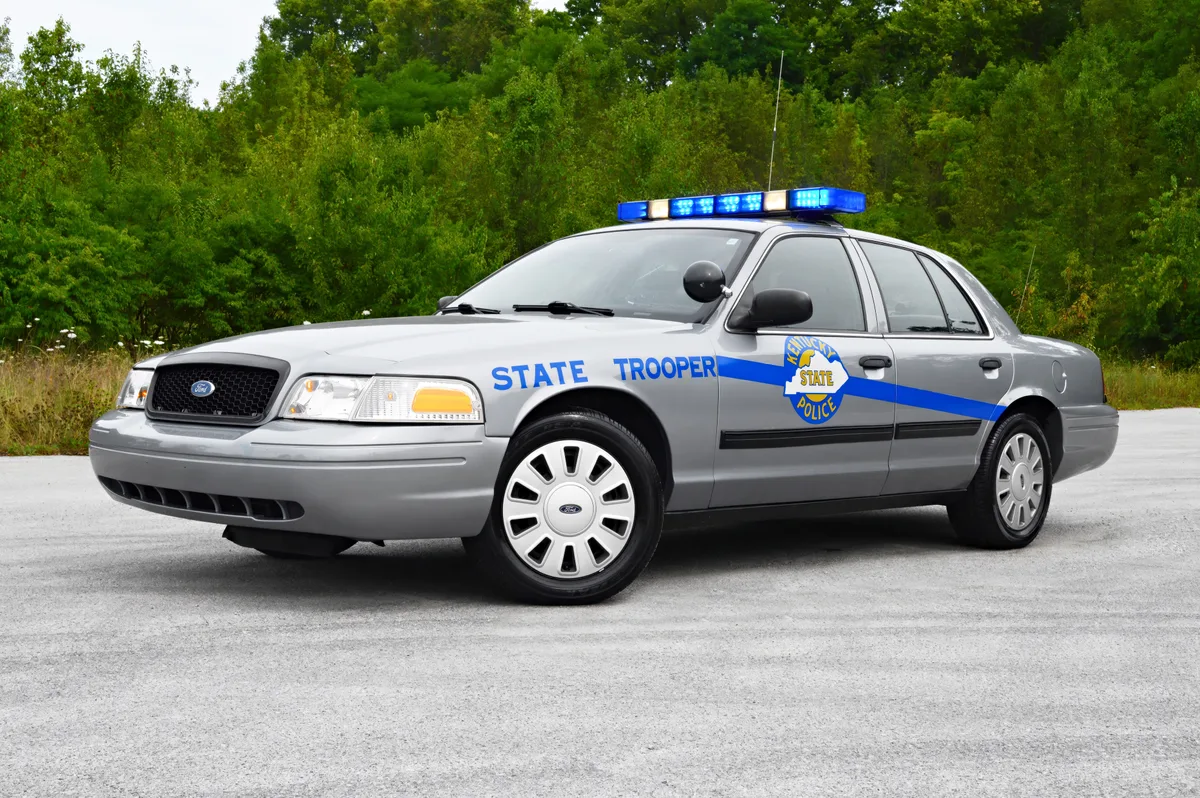
Kentucky vehicle equipment standards exist to keep drivers safe and avoid costly fines. These rules cover everything from lighting and tires to window tint and safety gear, and they’re enforced by the Kentucky Transportation Cabinet and State Police.
As of 2026, one key rule is the minimum tire tread depth of 2/32 of an inch for passenger vehicles. Get this wrong, and you risk failing inspection or worse, a ticket.
Quick Answer
Kentucky vehicle equipment standards require working lights, proper tire tread, and compliant window tint. Headlights must be visible from 500 feet. Tires need at least 2/32" tread depth.
Window tint can’t block more than 65% of light on front side windows.
Why Kentucky Vehicle Equipment Standards Matter for Your Safety and Wallet
These standards prevent accidents by ensuring vehicles meet basic safety requirements. Non-compliance can lead to fines, failed inspections, or even higher insurance premiums.
They also protect other drivers. Faulty brakes or broken taillights can cause crashes, and Kentucky law holds you responsible.
The Core Legal Requirements You Must Follow
Kentucky’s rules are outlined in KRS Chapter 189 and KAR Title 601. The Kentucky Transportation Cabinet (KYTC) and State Police enforce them during inspections and traffic stops.
Key areas include lighting, tires, brakes, windows, and safety equipment. Each has specific standards you must meet to stay legal.
Here’s what’s non-negotiable:
- Lighting: All vehicles must have working headlights, taillights, brake lights, and turn signals.
- Tires: Minimum 2/32" tread depth for passenger vehicles, 4/32" for commercial vehicles.
- Brakes: Must stop the vehicle within a specified distance (varies by weight class).
- Windows: Front side windows must allow at least 35% light transmission.
- Safety Gear: Seat belts must be functional; child seats must meet age/weight requirements.
Lighting Rules: What’s Allowed and What’s Not
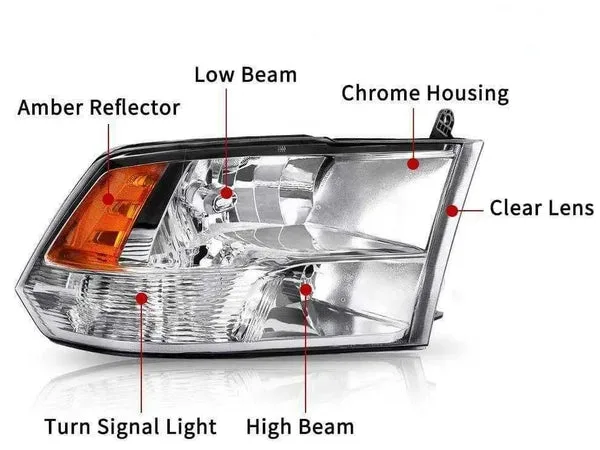
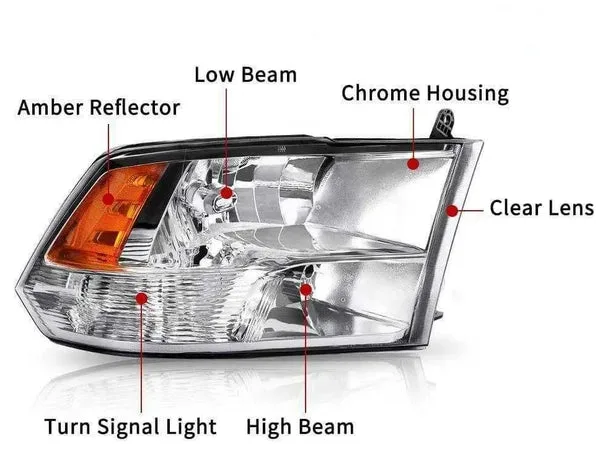
Kentucky requires all vehicles to have two working headlights visible from 500 feet. Taillights must be visible from the same distance, and brake lights must activate when you slow down.
Turn signals are mandatory and must be amber or red. White lights are only allowed for headlights and reverse lights.
Bing (Web (fair-use with source credit))
Aftermarket lighting must comply with DOT standards. Blue or red lights are illegal for non-emergency vehicles. Fog lights are allowed but must be aimed correctly to avoid blinding other drivers.
Here’s a quick breakdown of Kentucky’s lighting requirements:
| Light Type | Color | Visibility Requirement | Notes |
|---|---|---|---|
| Headlights | White | 500 feet | High beams: 350 feet visibility |
| Taillights | Red | 500 feet | Must be visible from rear |
| Brake Lights | Red | N/A | Must activate when braking |
| Turn Signals | Amber or Red | N/A | Must flash at 60–120 times per minute |
| Fog Lights | White or Amber | N/A | Must not be used with high beams |
Window Tint, Mirrors, and Visibility Laws
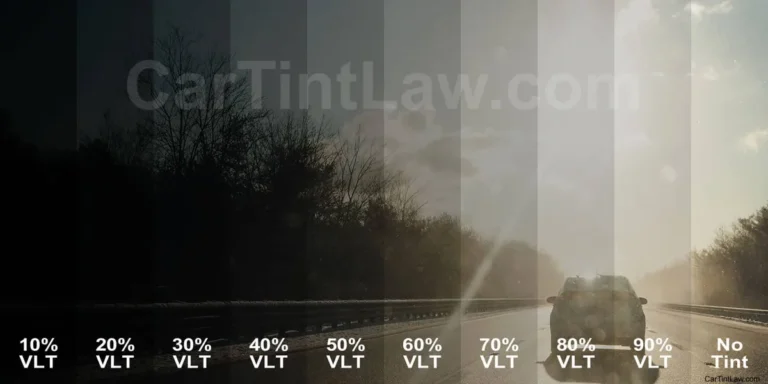
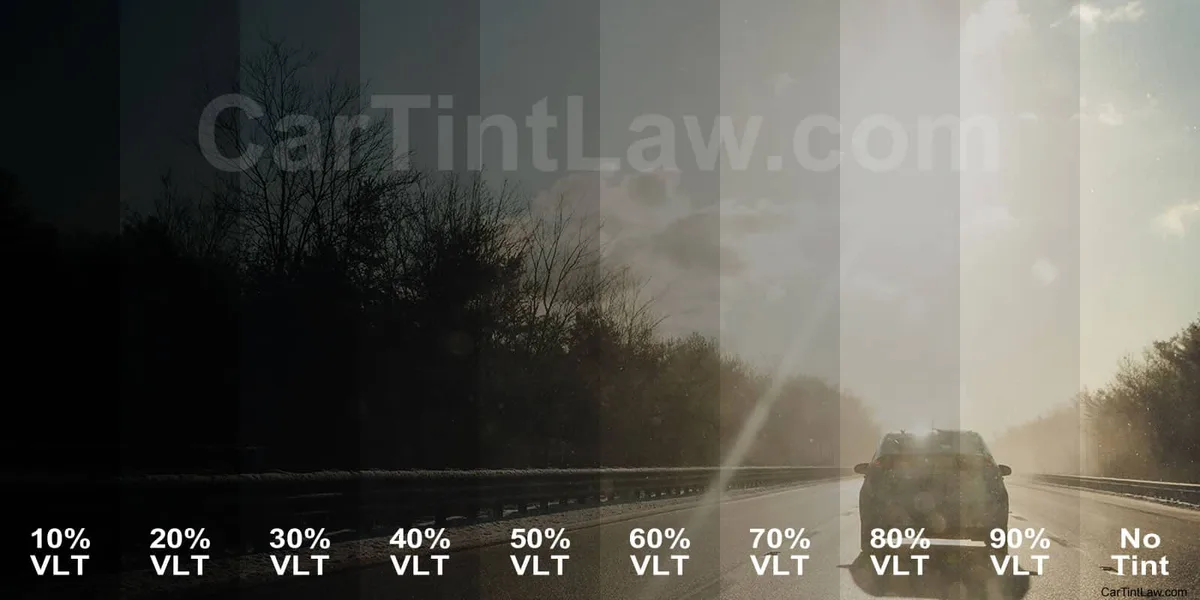
Kentucky’s window tint laws are strict. Front side windows must allow at least 35% of light to pass through. Rear side and back windows can be darker, but the front windshield cannot have any tint below the AS-1 line (the top 5, 6 inches).
Reflective tint is banned entirely. If your tint is too dark or reflective, you’ll fail inspection and may get pulled over.
Bing (Web (fair-use with source credit))
Mirrors are another critical area. All vehicles must have at least one rearview mirror. If your rear window is obstructed, you need an additional side mirror to cover the blind spot.
Tire, Brake, and Exhaust Standards
Kentucky requires passenger vehicles to have at least 2/32" of tire tread depth. Commercial vehicles need 4/32". Bald tires are a guaranteed inspection failure.
Brakes must stop your vehicle within a specified distance based on weight. For most passenger cars, this means a full stop from 20 mph within 30 feet. Air brakes on commercial vehicles have stricter testing.
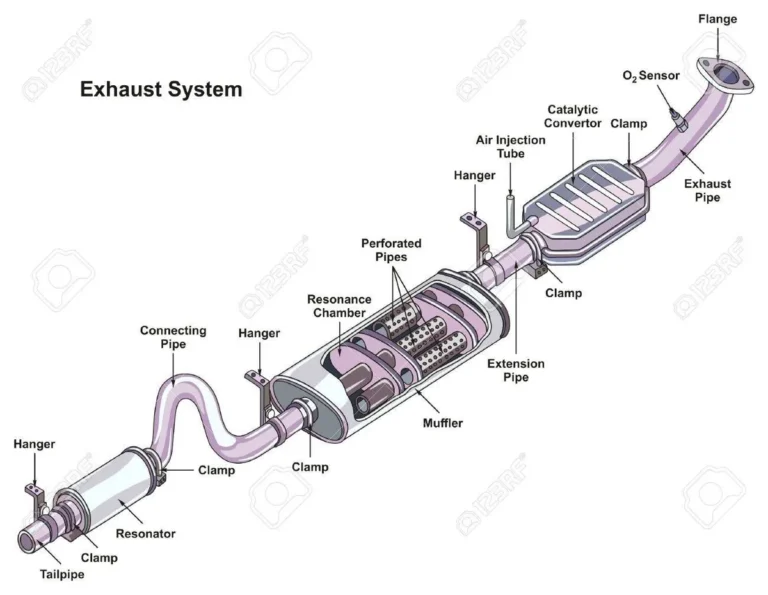
Exhaust systems must meet noise limits of 92 decibels for most vehicles. Modified exhausts that exceed this can earn you a ticket. All vehicles must also have a working muffler to reduce noise.
Seat Belts, Child Seats, and Safety Gear Requirements
Kentucky law mandates seat belts for all front-seat passengers. Children under 8 years old or under 57 inches tall must use a child restraint system.
The type of child seat depends on age, weight, and height. Rear-facing seats are required for infants under 1 year old or under 20 pounds. Booster seats are for older children who’ve outgrown forward-facing seats but aren’t tall enough for adult belts.
Motorcycles have their own rules. Riders under 21 must wear a helmet. All riders must have eye protection unless the bike has a windshield.
Motorcycle and Commercial Vehicle-Specific Rules
Motorcycles need at least one headlight, one taillight, and a brake light. Turn signals are required if the bike was manufactured after 1973. Handlebars can’t be higher than the rider’s shoulder when seated.
Commercial vehicles face stricter scrutiny. They must have reflective tape on trailers, working air brakes if applicable, and proper load securement. CDL holders must also carry a valid medical examiner’s certificate.
Kentucky follows federal regulations for commercial vehicles. This includes regular DOT inspections and compliance with FMVSS standards.
Modified Vehicles: What You Can and Can’t Change
Lift kits are allowed but can’t raise the vehicle more than 6 inches above the manufacturer’s original height. Any modification that affects safety equipment (like removing airbags) is illegal.
Aftermarket lighting must be DOT-approved. This means no blue or red lights, and all lights must be properly aimed. LED or HID headlights are legal if they meet brightness and color standards.
Exhaust modifications are common, but straight pipes are illegal. Your exhaust must have a muffler and can’t exceed the 92-decibel limit.
Kentucky Vehicle Inspections: What They Check and How to Pass
Kentucky requires annual inspections for most passenger vehicles. Commercial vehicles may need inspections every 6 months. You’ll get a sticker for your windshield if you pass.
Inspectors check lights, brakes, tires, steering, and suspension. They’ll also verify your horn, windshield wipers, and seat belts are working. Emissions testing is required in some counties.
Bing (Web (fair-use with source credit))
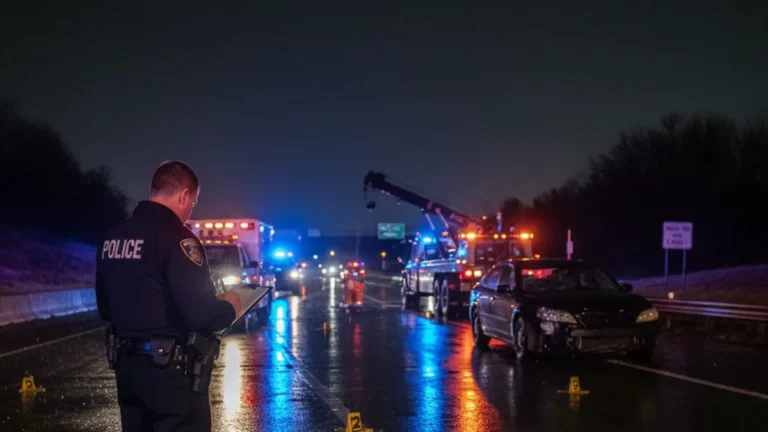
If your vehicle fails, you’ll get a list of required repairs. You typically have 15 days to fix the issues and return for a free re-inspection. After that, you’ll pay the inspection fee again.
Common Violations and How to Fix Them
The most frequent inspection failures come from burnt-out bulbs. A single dead taillight or turn signal can get you sent back for repairs.
Worn tires are another top issue. If your tread is below 2/32", you’ll need new tires before passing. Use the penny test: insert a penny head-first into the tread.
If you see Lincoln’s head, your tires are unsafe.
Illegal window tint is a common fix. If your front side windows are too dark, you’ll need to remove or replace the tint. The same goes for reflective or mirrored finishes.
Penalties for Non-Compliance: Fines, Points, and More
Driving with non-compliant equipment can cost you. Fines for lighting violations typically run $20 to $100. More serious issues like bald tires or faulty brakes can be higher.
You may also get points on your license. Three points for equipment violations can lead to increased insurance rates. Too many points can even result in a suspended license.
Commercial drivers face steeper penalties. Violations can lead to out-of-service orders, meaning you can’t drive until the issue is fixed. This can cost you time and money if you’re hauling a load.
Kentucky vs. Neighboring States: Key Differences
Kentucky’s 35% light transmission rule for front side windows is stricter than Tennessee’s but matches Ohio’s. Indiana allows 30% tint on front sides, making it slightly more lenient.
For lighting, Kentucky requires headlights on when wipers are in use. This matches Ohio’s law but is stricter than Indiana, which only requires headlights at night or in low visibility.
Tire tread depth is consistent across the region. All three states require at least 2/32" for passenger vehicles. Commercial vehicle rules are also similar, with 4/32" being the standard.
Where to Find Official, Up-to-Date Rules
The Kentucky Transportation Cabinet website has the full list of equipment standards. You can also check the Kentucky Revised Statutes (KRS) Chapter 189 for legal details.
Local KYTC offices can answer specific questions. They often have printed guides available. For the most current information, the KYTC official site is your best resource.
Frequently Asked Questions
What’s the darkest legal window tint in Kentucky?
Front side windows must allow at least 35% of light to pass through. Rear windows can be darker, but the front windshield cannot have tint below the AS-1 line.
How often do I need a vehicle inspection in Kentucky?
Most passenger vehicles require an annual inspection. Commercial vehicles may need inspections every 6 months, depending on their use.
Are LED headlights legal in Kentucky?
Yes, as long as they meet DOT brightness and color standards. They must be white and properly aimed to avoid blinding other drivers.
What’s the fine for a burnt-out headlight in Kentucky?
Typically $20 to $50 for a first offense. Fixing it quickly can help you avoid repeat fines.
Can I get a waiver for medical window tint in Kentucky?
Yes, with a doctor’s prescription. You’ll need to carry the documentation in your vehicle at all times.