ByMax Lee
Kentucky Hit-and-Run Laws Explained
Bing (Web (fair-use with source credit))
Kentucky hit-and-run laws require you to stop, exchange information, and report serious accidents immediately. Fleeing the scene, even if you think no one saw, can turn a minor incident into a felony with jail time and hefty fines.
Under Kentucky Revised Statutes Chapter 189, leaving the scene of an accident involving injury or significant property damage is a crime. As of 2026, penalties range from misdemeanors to Class D felonies, depending on the severity.
Quick Answer
Kentucky hit-and-run laws mandate stopping at the scene of any accident. You must exchange contact and insurance info if there’s damage. Call 911 immediately if anyone is injured or killed.
Failing to do so can result in fines, license suspension, or prison time.
What Kentucky Hit-and-Run Laws Actually Require
Kentucky law is clear: if you’re involved in an accident, you must stop. This applies whether you hit another car, a pedestrian, or property like a fence.
The Kentucky Revised Statutes (KRS) 189.580 outlines your duties. You must:
- Stop your vehicle immediately at the scene or as close as possible
- Remain until you’ve fulfilled all legal obligations
- Provide your name, address, and vehicle registration to the other party
- Show your driver’s license if requested
- Render reasonable aid to anyone injured
If the other driver isn’t present, leave a note with your contact and insurance information. Then report the accident to the police as soon as possible.
The Difference Between a Misdemeanor and Felony Hit-and-Run in Kentucky
Not all hit-and-run cases are treated equally. The severity depends on the accident’s circumstances.
Misdemeanor hit-and-run applies if:
- Only property damage occurs
- No injuries are involved
- You fail to stop or exchange information
This is a Class B misdemeanor, punishable by up to 90 days in jail and a $250 fine.
Felony hit-and-run applies if:
- The accident causes injury
- The accident results in serious injury or death
- You leave without rendering aid or reporting
These cases can lead to a Class A misdemeanor (up to 12 months in jail, $500 fine) or a Class D felony (1, 5 years in prison, $1,000, $10,000 fine).
What You Must Do Immediately After an Accident in Kentucky

Bing (Web (fair-use with source credit))
Stop your vehicle and pull over safely. Turn on your hazard lights to alert other drivers.
Check for injuries. If anyone is hurt, call 911 immediately. Kentucky law requires you to render aid.
Exchange information with the other driver:
- Full name and contact details
- Driver’s license number
- Vehicle registration
- Insurance company and policy number
If the other driver isn’t present, leave a note with your information. Report the accident to police if it involves injuries, death, or damage over $500.
When You’re Legally Allowed to Leave the Scene (And When You’re Not)
You can leave only after fulfilling all legal duties. This includes exchanging information and rendering aid if needed.
You can leave if:
- You’ve exchanged all required information
- You’ve helped any injured parties
- You’ve reported the accident if required
You cannot leave if:
- Someone is injured or killed
- The other driver requests your information and you haven’t provided it
- The accident involves significant damage and you haven’t reported it
Penalties for Hit-and-Run in Kentucky: Fines, Jail Time, and License Consequences

Bing (Web (fair-use with source credit))
Property damage only: Class B misdemeanor, up to 90 days in jail, $250 fine, and possible 6-month license suspension.
Injury involved: Class A misdemeanor, up to 12 months in jail, $500 fine, and possible 1-year license suspension.
Serious injury or death: Class D felony, 1, 5 years in prison, $1,000, $10,000 fine, and likely license revocation.
How Hit-and-Run Charges Work If Someone Is Injured or Killed
Stop and render aid. Call 911 and provide first aid if trained. Stay until emergency services arrive.
Leaving the scene can lead to felony charges, even if you weren’t at fault. Prosecutors focus on your failure to stop and assist.
Aggravating factors include prior convictions, DUI, or leaving a vulnerable victim. These can lead to harsher sentences, including wrongful death lawsuits.
What Happens If You’re the Victim of a Hit-and-Run in Kentucky
Move to safety and call 911 if injured. Gather details about the fleeing vehicle: make, model, color, and license plate.
Report the incident to police immediately. File a report for accidents involving injury, death, or damage over $500.
Your uninsured motorist coverage typically applies to hit-and-run claims. Contact your insurer to start the process.
If the driver is identified, they may face criminal charges. You can also pursue a civil lawsuit for damages.
How to Report a Hit-and-Run (As a Driver or a Witness)
Bing (Web (fair-use with source credit))
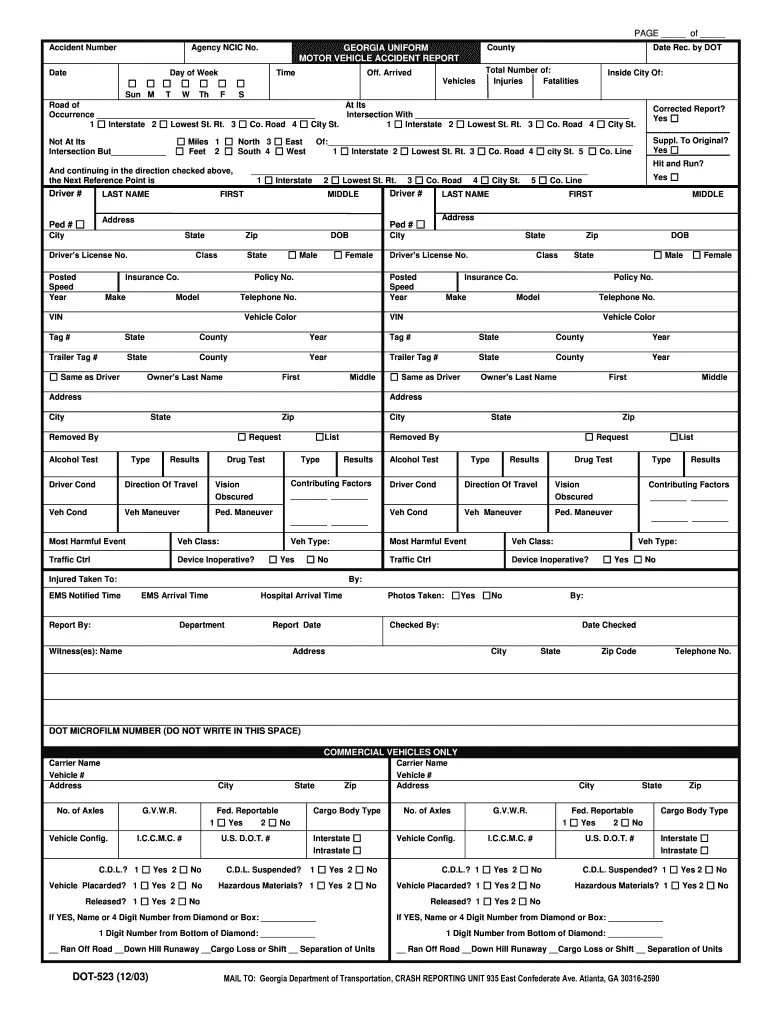
Call 911 for injuries or major damage. Police will document the scene and file a report.
For minor accidents, exchange information and report later if needed. Use the Kentucky State Police online portal for non-emergencies.
As a witness, provide your contact information and a detailed account. Include the fleeing vehicle’s description and direction of travel.
How Insurance Handles Hit-and-Run Claims in Kentucky
Kentucky is a no-fault state, but hit-and-run claims are different. File under your uninsured motorist coverage if the driver is unidentified.
Your insurer will investigate. Provide a police report, photos, and witness statements.
If approved, your policy covers damages up to its limits. You may still pay a deductible. If the driver is later identified, your insurer may pursue their insurance for reimbursement.
Common Mistakes That Make a Hit-and-Run Case Worse
Assuming no one saw you is risky. Cameras and witnesses often identify fleeing drivers.
Failing to call 911 for injuries is a felony. Kentucky law requires you to render aid.
Not exchanging information is a critical error. Even minor damage requires you to provide your details.
Waiting too long to report can look like a cover-up. Kentucky requires reporting within 10 days for serious accidents.
How to Fight a Hit-and-Run Charge in Kentucky
Prosecutors must prove you knew about the accident and willfully left. Lack of knowledge can be a valid defense.
Witness testimony is crucial. Accounts of your actions can help or hurt your case.
Police reports and physical evidence matter. Challenge inaccurate interpretations with your attorney.
Plea bargaining may reduce charges. Cooperation can lead to lesser penalties, especially for first-time offenders.
Kentucky Hit-and-Run Laws vs. Other States: Key Differences
Kentucky classifies property damage hit-and-run as a Class B misdemeanor. Some states treat it as a traffic infraction with only fines.
For injuries or death, Kentucky imposes felony charges. Other states, like Florida, have harsher penalties for fatal hit-and-runs.
Kentucky requires reporting for damage over $500. Texas, for example, sets the threshold at $1,000.
Uninsured motorist coverage is mandatory in Kentucky. Not all states require this, affecting how hit-and-run claims are handled.
FAQs About Kentucky Hit-and-Run Cases
What should I do if I accidentally hit a parked car in Kentucky?
Stop and leave a note with your contact and insurance information. Report the accident to police if damage exceeds $500.
Can I be charged with hit-and-run if I didn’t know I hit someone?
Possibly. Prosecutors must prove you knew or should have known about the accident.
How long do I have to report a hit-and-run in Kentucky?
Report accidents involving injury, death, or damage over $500 within 10 days.
Will my insurance rates go up after a hit-and-run claim?
Likely. Filing under uninsured motorist coverage can increase premiums, but the impact varies by insurer.
Can I sue the hit-and-run driver if they’re caught?
Yes. You can pursue a civil lawsuit for medical bills, lost wages, and pain and suffering, even if they face criminal charges.