ByMax Lee
Kentucky DUI Laws: What You Need to Know
Kentucky DUI and impaired driving laws can turn a simple traffic stop into a life-changing legal battle. Whether it’s alcohol, drugs, or prescription medication, driving impaired carries steep penalties, from license suspension to jail time. Understanding these laws helps you avoid costly mistakes and know your rights if you’re pulled over.
As of 2026, Kentucky enforces a 0.08% BAC limit for adult drivers, with stricter rules for commercial and underage drivers. Even a first offense can mean fines, mandatory classes, or an ignition interlock device.
Bing (Web (fair-use with source credit))
Quick Answer
Kentucky DUI and impaired driving laws prohibit operating a vehicle with a BAC of 0.08% or higher. The limit drops to 0.04% for commercial drivers and 0.02% for those under 21. Penalties include fines, jail time, and license suspension.
Refusing a breath test triggers an automatic license suspension under implied consent laws.
What Counts as a DUI in Kentucky (And What Doesn’t)
A DUI in Kentucky isn’t just about alcohol. You can be charged for driving under the influence of:
- Alcohol (BAC over the legal limit)
- Illegal drugs (marijuana, cocaine, etc.)
- Prescription medications that impair driving
- Over-the-counter drugs that cause drowsiness or confusion
What doesn’t count? Simply having a drink and driving under the limit isn’t illegal. But if your ability to operate a vehicle is impaired, even below 0.08%, you can still face charges.
Kentucky’s "impaired to the slightest degree" standard means officers can arrest you if they believe your driving is affected, regardless of BAC.
Kentucky’s Legal BAC Limits and Zero-Tolerance Rules
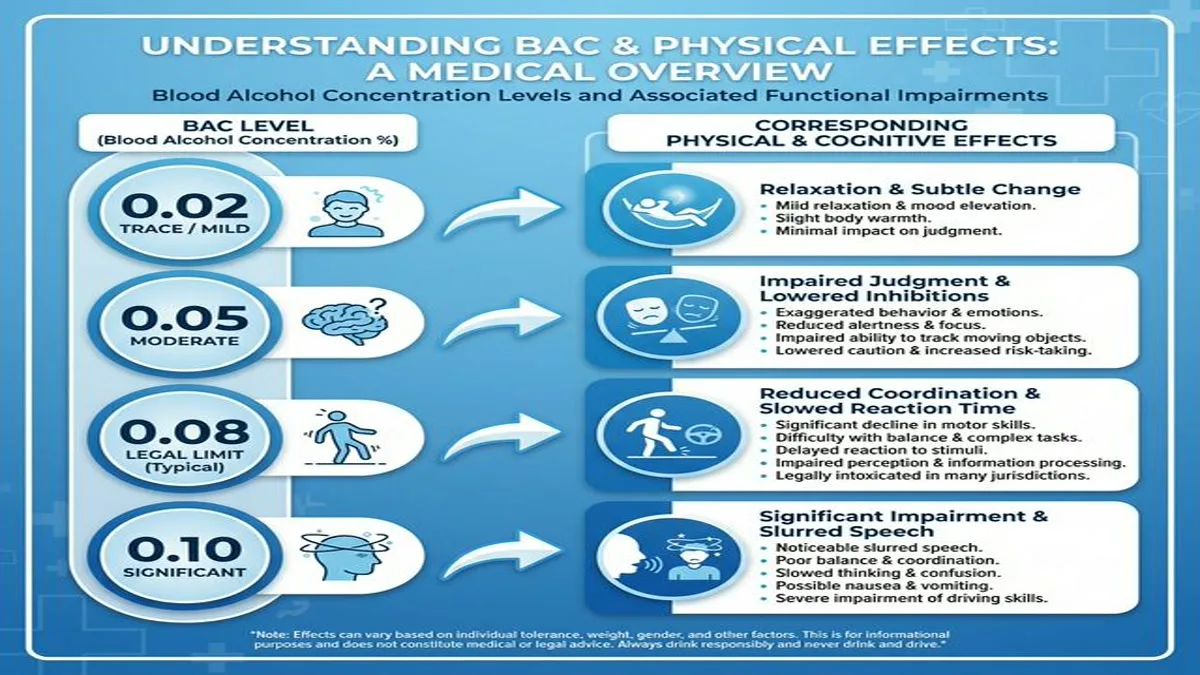
Kentucky sets clear BAC thresholds for different driver categories:
| Driver Type | BAC Limit |
|---|---|
| Adult drivers (21+) | 0.08% |
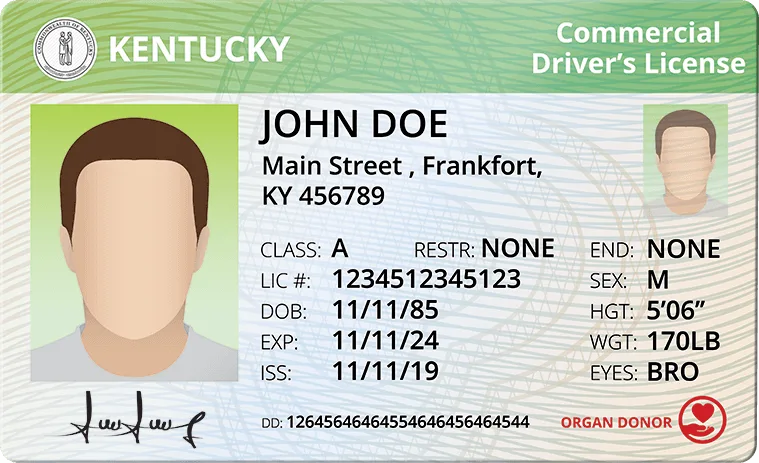
| Commercial drivers (CDL) | 0.04% |
| Underage drivers (under 21) | 0.02% |
The state also enforces a zero-tolerance policy for underage drivers. Any detectable amount of alcohol (0.02% or higher) can lead to a DUI charge. For commercial drivers, the lower 0.04% limit reflects the higher safety standards expected of professional operators.
Bing (Web (fair-use with source credit))
Kentucky’s implied consent law means that by driving in the state, you’ve already agreed to chemical testing if an officer suspects impairment. Refusing a breath, blood, or urine test results in an automatic license suspension, 30 days for a first refusal, up to 5 years for repeat offenses, regardless of whether you’re later convicted of DUI.
For more on how traffic laws vary by state, see Idaho’s slow-moving vehicle emblem rules.
Immediate Consequences After a DUI Arrest
The moment you’re arrested for DUI in Kentucky, two separate processes begin: the criminal case and the administrative license suspension.
First, your license is suspended administratively, 30 days for a first offense, unless you request a hearing within 20 days to challenge it. This suspension happens even before your court date. Meanwhile, your vehicle may be impounded, and you’ll likely spend at least a few hours in jail until sober or until someone can post bail.
If you’re convicted, the criminal penalties kick in. These can include fines, jail time, mandatory DUI school, and a longer license suspension. The severity depends on your BAC, prior offenses, and whether anyone was injured.
Kentucky DUI Penalties: First, Second, Third, and Felony Offenses
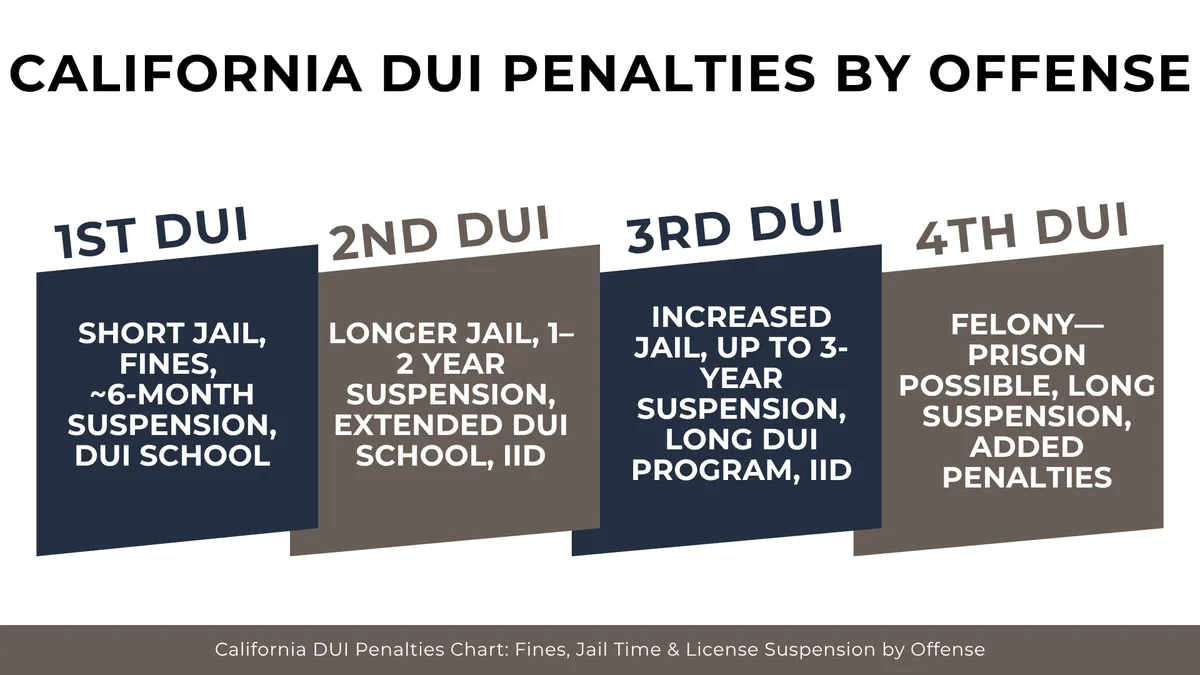
Penalties escalate with each offense, and Kentucky’s lookback period is 10 years. Here’s what you’re facing:
| Offense | Jail Time | Fines | License Suspension | Ignition Interlock |
|---|---|---|---|---|
| 1st | 2–30 days (4 days mandatory if BAC ≥ 0.15) | $200–$500 | 30–120 days | 6 months if BAC ≥ 0.15 |
| 2nd | 7 days–6 months | $350–$500 | 12–18 months | 12 months |
| 3rd | 30 days–12 months | $500–$1,000 | 24–36 months | 30 months |
| 4th+ | 120 days–5 years (Class D felony) | $1,000–$10,000 | 60 months | 60 months |
Aggravating factors, like a BAC of 0.15% or higher, causing injury, or having a child under 12 in the car, can increase penalties. A DUI resulting in death can lead to vehicular homicide charges, which carry much harsher sentences, including potential life imprisonment.
Bing (Web (fair-use with source credit))
The DUI Legal Process in Kentucky Step by Step
From Traffic Stop to Arraignment
A DUI stop begins with reasonable suspicion. Officers may ask you to step out of the vehicle for tests like the one-leg stand or walk-and-turn. These are voluntary, but refusing can lead to immediate arrest.
At arraignment, you’ll hear the charges and enter a plea. This is also where bail is set. If you can’t afford an attorney, the court will appoint one.
Plea Bargains, Trials, and Sentencing
Plea bargains are common in DUI cases. Prosecutors may reduce charges to reckless driving or offer lighter penalties in exchange for a guilty plea. If you reject the deal, the case goes to trial.
At trial, the prosecution must prove you were impaired beyond a reasonable doubt. If convicted, sentencing follows. Penalties range from fines and probation to jail time, depending on the offense severity.
How to Fight a DUI Charge in Kentucky
Challenging a DUI charge is possible, but it requires a strong defense. Common strategies include questioning the legality of the traffic stop or the accuracy of the breathalyzer.
Common Defenses That Work (And Which Don’t)
A successful defense might argue that the officer lacked probable cause for the stop. Or it could challenge the calibration of the breathalyzer or the training of the officer administering the test. Medical conditions, like acid reflux, can also skew BAC results.
Defenses that rarely work include claiming you weren’t driving or that you only had "a couple of drinks." Kentucky’s laws are strict, and judges have heard these excuses before.
Kentucky’s DUI Diversion Program: Who Qualifies and How It Works
First-time offenders with a BAC below 0.15% may qualify for Kentucky’s DUI diversion program. This allows you to avoid a conviction by completing specific requirements, like alcohol education classes and community service.
The program typically lasts 12 to 18 months. If you complete it successfully, the charges are dismissed. However, if you fail to meet the terms, the case resumes, and you’ll face the original penalties.
Not everyone qualifies. Repeat offenders, those with a BAC of 0.15% or higher, or anyone who caused injury or death are ineligible.
Long-Term Effects of a DUI Conviction in Kentucky
Insurance, Employment, and Criminal Record Impact
A DUI conviction stays on your record for at least 10 years in Kentucky. This can affect your insurance rates, which often skyrocket after a DUI. Some insurers may even drop your coverage, forcing you to find high-risk policies.
Employers may view a DUI as a red flag, especially for jobs requiring driving. Some professions, like commercial trucking or healthcare, have strict licensing boards that may take action.
Expungement: Can You Get a DUI Off Your Record?
Kentucky allows expungement for some first-time DUI convictions after 5 years. You must meet specific criteria, like completing all penalties and having no subsequent offenses. Expungement isn’t automatic, so you’ll need to file a petition with the court.
Underage DUI and Commercial Driver DUI: Special Rules
Underage drivers in Kentucky face a zero-tolerance policy. Any detectable amount of alcohol (0.02% BAC or higher) can lead to a DUI charge. Penalties include license suspension, fines, and mandatory alcohol education programs.
Commercial drivers have a lower BAC limit of 0.04%. A DUI conviction can disqualify you from operating a commercial vehicle for at least one year. For hazardous materials drivers, the disqualification period extends to three years.
What to Do Right After a DUI Arrest in Kentucky
The first 24 hours after an arrest are critical. Request a hearing to challenge your license suspension within 20 days. This is your only chance to avoid an automatic suspension while your case is pending.
Next, document everything. Write down the details of the stop, the officer’s name, and any tests administered.
Critical First Steps to Protect Your License and Case
Contact a DUI attorney immediately. They can help you navigate the legal process and may be able to get your charges reduced or dismissed.
Do not drive on a suspended license. Doing so can lead to additional charges and harsher penalties. If you need to drive for work or other essential tasks, explore options like a hardship license.
Kentucky DUI FAQs: Your Most Pressing Questions Answered
Can you refuse a breathalyzer in Kentucky?
Yes, but refusing triggers an automatic license suspension under Kentucky’s implied consent law. For a first refusal, your license is suspended for 30 days. For subsequent refusals, the suspension can last up to 5 years.
How long does a DUI stay on your record in Kentucky?
A DUI conviction remains on your driving record for at least 10 years. This is Kentucky’s lookback period for repeat offenses. After 5 years, you may be eligible for expungement if it’s your first offense and you meet other criteria.
What’s the difference between a DUI and an OWI in Kentucky?
In Kentucky, DUI and OWI are essentially the same charge. Both refer to operating a vehicle while impaired by alcohol or drugs. The terms are often used interchangeably in legal documents.
Can you get a DUI for prescription medications in Kentucky?
Yes. If a prescription or over-the-counter medication impairs your driving, you can be charged with DUI. The law doesn’t distinguish between illegal drugs and legal medications that affect your ability to drive safely.
Do you need an attorney for a DUI in Kentucky?
While not legally required, hiring an attorney is highly recommended. DUI laws are complex, and the consequences of a conviction are severe. An experienced attorney can help you understand your options and build a strong defense.
When to Hire a DUI Lawyer (And How to Pick the Right One)
You should consult a DUI lawyer as soon as possible after an arrest. Even if you plan to plead guilty, an attorney can help minimize the penalties and explore alternatives like diversion programs.
Look for a lawyer with extensive experience in Kentucky DUI cases. They should be familiar with local courts, prosecutors, and judges.
What to Ask During Your Consultation
Ask about their experience with cases like yours. Inquire about their success rate and the strategies they might use in your defense. Also, discuss fees upfront to avoid surprises later.
Avoid attorneys who guarantee specific outcomes. DUI cases are unpredictable, and no lawyer can promise a particular result.
Frequently Asked Questions
How much does a DUI cost in Kentucky?
Fines for a first offense range from $200 to $500. But the total cost is much higher when you factor in court fees, attorney fees, increased insurance premiums, and other expenses. A DUI can end up costing thousands of dollars over time.
Can you get a hardship license after a DUI in Kentucky?
Yes, you may qualify for a hardship license if your license is suspended. This allows limited driving privileges for essential tasks like work or medical appointments. You’ll need to apply through the court and meet specific requirements.
What happens if you get a DUI with a child in the car in Kentucky?
Having a child under 12 in the vehicle during a DUI can lead to enhanced penalties. This is considered an aggravating factor, which can result in longer jail time, higher fines, and a longer license suspension. It may also lead to child endangerment charges.

Wikimedia Commons / Dannel Malloy (CC BY)