ByMax Lee
Kentucky Child Car Seat Laws: What Parents Must Know
Bing (Web (fair-use with source credit))
Kentucky child passenger safety laws exist to protect your child in a crash, and breaking them can cost you. These rules specify which car seats and booster seats are required based on age, height, and weight.
Per Kentucky Revised Statutes (KRS) 189.125, children under 7 years old or under 57 inches tall must use a booster seat. The fine for non-compliance starts at $30, but the real risk is to your child’s safety.
Quick Answer
Kentucky child passenger safety laws require car seats for all children under 40 lbs.
Kids under 7 years or under 57 inches tall need a booster seat.
The law applies to all passenger vehicles.
Fines range from $30 to $50 for violations.
Why These Laws Matter (And What Happens If You Ignore Them)
Car crashes are a leading cause of injury and death for children. Kentucky’s laws follow national safety standards to reduce these risks.
Without proper restraints, a child can be ejected or severely injured in a collision. Even a minor crash at low speeds can cause serious harm if a child isn’t secured correctly. As of 2026, Kentucky enforces these rules as primary law, meaning police can pull you over solely for a violation.
Kentucky’s Age, Height, and Weight Requirements Explained
Kentucky’s child passenger safety laws are clear but often misunderstood. The rules depend on three factors: age, height, and weight.
Here’s the breakdown:
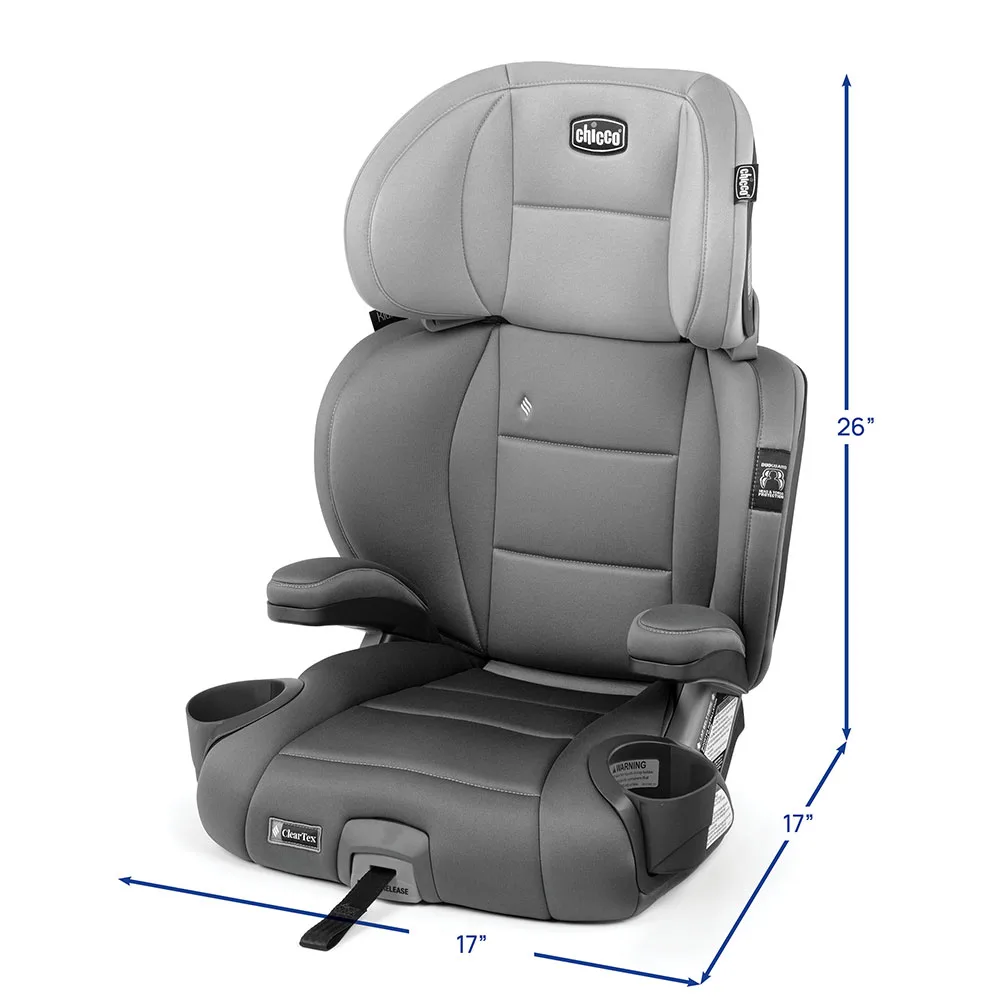
- Infants and Toddlers (Under 40 lbs): Must be in a child restraint system (rear-facing or forward-facing car seat).
- Children Under 7 Years Old or Under 57 Inches Tall: Must use a booster seat.
- Children 7+ Years Old and 57+ Inches Tall: Can use the vehicle’s seat belt if it fits properly.
Bing (Web (fair-use with source credit))
The law doesn’t specify a minimum age for transitioning from rear-facing to forward-facing seats. However, the American Academy of Pediatrics recommends keeping children rear-facing until at least age 2, or until they outgrow the seat’s height and weight limits.
Types of Car Seats & When to Use Each
Not all car seats are the same. The right choice depends on your child’s size and developmental stage.
- Rear-Facing Car Seats: Best for infants and toddlers. These seats support the head, neck, and spine in a crash. Use until your child outgrows the seat’s limits (usually around 2, 4 years old).
- Forward-Facing Car Seats: For children who’ve outgrown rear-facing seats. Must have a 5-point harness. Typically used for kids 2, 7 years old, depending on weight and height.
- Booster Seats: For children who’ve outgrown forward-facing seats but aren’t tall enough for a seat belt. High-back boosters are ideal for vehicles without headrests. Backless boosters work in cars with proper seat belt positioning.
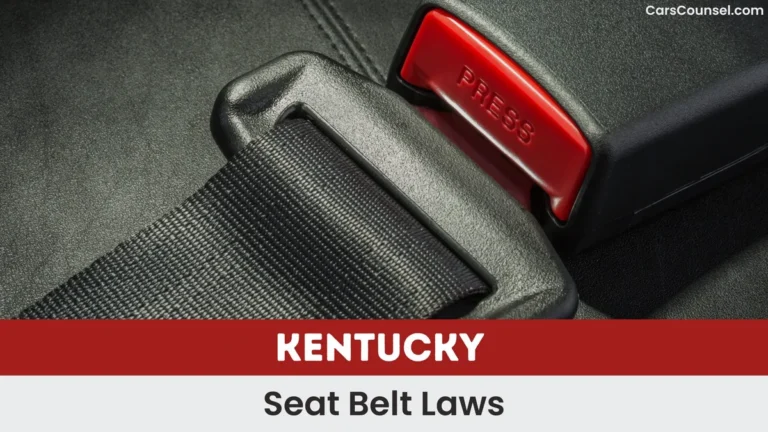
- Seat Belts: Only for children tall enough (usually 57+ inches) for the belt to fit correctly. The lap belt should lie across the hips, not the stomach, and the shoulder belt should cross the chest, not the neck.
Step-by-Step: How to Choose the Right Seat for Your Child
Picking the right car seat can feel overwhelming. Follow these steps to get it right.
- Check Your Child’s Measurements: Weigh and measure your child. Compare these numbers to the car seat’s limits.
- Match the Seat to the Stage: , Under 2 years old: Rear-facing only.
, 2, 4 years old: Rear-facing as long as possible, then forward-facing.
, 4, 7 years old: Forward-facing with a harness, then booster.
, 7+ years old: Booster until the seat belt fits properly.
- Verify the Seat’s Expiration Date: Car seats expire, usually after 6, 10 years. Check the label on the seat.
- Ensure It Meets Safety Standards: Look for a label confirming it meets Federal Motor Vehicle Safety Standards (FMVSS 213).
- Test the Fit: If using a booster, have your child sit in it with the seat belt. The lap belt should lie flat on the hips, and the shoulder belt should rest on the collarbone.
How to Install a Car Seat Correctly (And Check for Mistakes)
A properly installed car seat shouldn’t move more than 1 inch side-to-side at the belt path. This is called the 1-inch rule.
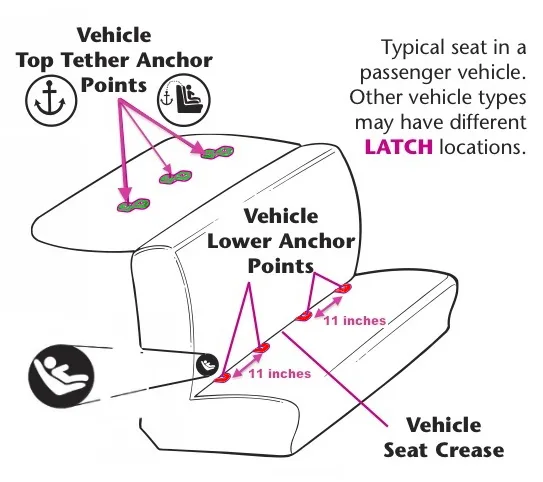
You have two installation options: the vehicle’s seat belt or the LATCH system. The LATCH system uses lower anchors and a top tether to secure the seat without the seat belt. Most vehicles made after 2002 have LATCH anchors.
Bing (Web (fair-use with source credit))
Common mistakes include using both LATCH and seat belt together, which can damage the seat. Also, the chest clip should be at armpit level, not on the belly or neck. The harness straps should be snug enough that you can’t pinch excess strap at the shoulder.
Common Car Seat Errors That Put Kids at Risk
Even well-meaning parents make dangerous mistakes. Turning a child forward-facing too soon is one of the most common.
Rear-facing seats reduce the risk of injury by 71% for infants and 54% for toddlers in a crash. Yet many parents switch to forward-facing at age 1, when the AAP recommends waiting until at least age 2. Other frequent errors include loose installation, incorrect harness height, and using an expired seat.
Booster seats are often misused too. A child in a booster should never have the shoulder belt behind their back or under their arm. The lap belt must lie across the hips, not the stomach.
Kentucky vs. Neighboring States: How the Laws Compare
Kentucky’s child passenger safety laws are stricter than some neighboring states. Tennessee requires booster seats until age 9 or 57 inches, while Kentucky stops at age 7 or 57 inches.
Indiana and Ohio both require car seats for children under 8 years old or under 57 inches tall. Illinois goes further, requiring booster seats until age 8. Virginia matches Kentucky’s age 7 cutoff but doesn’t specify a height requirement.
These differences matter if you’re traveling across state lines. Always follow the laws of the state you’re driving in, not just your home state.
Where to Get a Free Car Seat Check in Kentucky
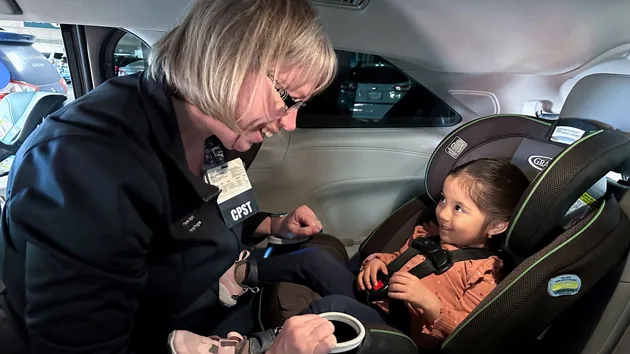
If you’re unsure about your car seat installation, get it checked. Kentucky offers free inspections through certified Child Passenger Safety Technicians (CPSTs).
Many fire stations, hospitals, and health departments host regular car seat check events. The Kentucky Transportation Cabinet also provides resources and can direct you to local inspection sites.
Bing (Web (fair-use with source credit))
During a check, a technician will verify that your seat is installed correctly and that your child is in the right seat for their size. They’ll also check for recalls and expiration dates. These checks typically take 20-30 minutes and can give you peace of mind.
Kentucky’s Penalties for Violations (And How to Avoid Them)
Kentucky’s child passenger safety laws are primary enforcement. This means police can pull you over and issue a ticket solely for a car seat violation.
The fine for a first offense is between $30 and $50. More importantly, an improperly restrained child is at much higher risk of injury in a crash. Courts may waive the fine if you provide proof of purchasing or properly installing a car seat.
To avoid penalties, always follow the age, height, and weight requirements. Double-check your installation and ensure the seat hasn’t expired. If you’re unsure, get a free inspection from a CPST.
Expert Tips from Child Passenger Safety Technicians
CPSTs see the same mistakes repeatedly. One of the biggest is moving kids out of boosters too soon. Just because a child turns 7 doesn’t mean they’re ready for a seat belt.
The seat belt test is simple. Have your child sit with their back against the seat, knees bent at the edge. If the lap belt sits on the hips and the shoulder belt crosses the collarbone, they’re ready.
If not, they need a booster.
Another pro tip: never dress your child in bulky coats before buckling them in. The extra padding compresses in a crash, creating dangerous slack in the harness. Instead, buckle them in first, then drape a blanket over them.
FAQs About Kentucky’s Child Passenger Laws
When can my child sit in the front seat in Kentucky?
Kentucky law doesn’t specify an age for front seat use. However, the back seat is always safest for children under 13. If you must use the front seat, move the vehicle seat as far back as possible and ensure the airbag is turned off for rear-facing seats.
Is a backless booster legal in Kentucky?
Yes, but only if your child meets the height and weight requirements. Backless boosters are legal for kids under 7 or under 57 inches, but high-back boosters provide better head and neck support.
What’s the fine for not using a car seat in Kentucky?
The fine for a first offense is between $30 and $50. Courts may waive the fine if you show proof of purchasing or properly installing a car seat.
Can I use a secondhand car seat?
Only if you know its full history. Never use a seat that’s been in a crash, is expired, or is missing parts. Check the expiration date and ensure it hasn’t been recalled.
Do taxis and rideshares have to follow Kentucky’s car seat laws?
Yes. The law applies to all passenger vehicles, including taxis and rideshares. However, many rideshare services don’t provide car seats, so parents should bring their own.
Final Checklist: Are You Following the Law and Keeping Your Child Safe?
Use this quick checklist to ensure compliance and safety.
- My child under 40 lbs is in a rear-facing or forward-facing car seat.
- My child under 7 or under 57 inches is in a booster seat.
- The car seat or booster is installed correctly with no more than 1 inch of movement.
- The harness straps are snug, and the chest clip is at armpit level.
- I’ve checked the car seat’s expiration date and recall status.
- I’ve had the installation verified by a CPST if I’m unsure.