ByMax Lee
Stop Catalytic Converter Theft in Louisiana
Louisiana catalytic-converter theft prevention may include VIN etching, marking, and documentation measures. These methods make stolen parts easier to trace and harder to sell, which is why thieves often skip marked vehicles. As of 2026, catalytic converter thefts in Louisiana remain a top concern, with replacement costs often exceeding $2,000 per incident.
The good news is that simple, low-cost steps can significantly reduce your risk. Here’s how the most effective strategies work and why they’re worth your time.
Quick Answer
Louisiana catalytic-converter theft prevention may include VIN etching, marking, and documentation measures. These methods deter thieves by making parts traceable. Etching is permanent and hard to remove.
Marking uses UV ink or serial codes. Documentation helps police recover stolen items.
Wikimedia Commons / Chris Yarzab (CC BY)
Why Catalytic Converter Theft Is a Big Problem in Louisiana
Louisiana ranks among the worst states for catalytic converter theft, with Baton Rouge and New Orleans seeing some of the highest rates. Thieves target these parts because they contain precious metals like palladium, rhodium, and platinum, which can fetch hundreds of dollars at scrap yards.
The National Insurance Crime Bureau reports that catalytic converter thefts surged by over 1,000% between 2019 and 2022. Replacement costs typically range from $1,000 to $3,000. Insurance may not always cover the full amount, making prevention far cheaper than dealing with the aftermath.
How VIN Etching, Marking, and Documentation Actually Stop Thieves
Thieves avoid marked converters because they’re harder to sell. A VIN-etched part can be traced back to your vehicle, making it risky for scrap yards to accept. Documentation, like photos and receipts, helps law enforcement identify stolen property.
VIN etching involves engraving your vehicle’s unique identification number directly onto the converter. Marking uses UV ink, serial codes, or high-temperature paint to create a visible or hidden identifier. Documentation means keeping records of your converter’s markings, photos, and purchase details.
The 3 Most Effective Anti-Theft Measures (And How They Work)
VIN Etching: Permanent, Traceable, and Thief-Proof
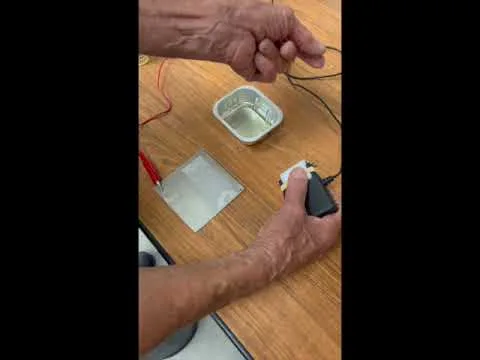
VIN etching is the gold standard for catalytic converter theft prevention. It involves engraving your vehicle’s 17-character VIN directly onto the converter’s metal surface. This makes the part uniquely tied to your vehicle, so scrap yards and law enforcement can identify it if recovered.
The process is quick, often taking less than 30 minutes, and the etching is permanent. Thieves can’t easily grind or sand it off without damaging the converter itself. Many police departments and auto shops in Louisiana offer free or low-cost VIN etching services.
YouTube / MARK-N-GARD (YouTube thumbnail (fair-use with source credit))
Manufacturer specs confirm that properly etched VINs remain legible for the life of the part. Some insurance companies even offer discounts for vehicles with etched converters, as the risk of theft drops significantly.
Tamper-Proof Marking: UV Ink, Serial Codes, and High-Temp Paint
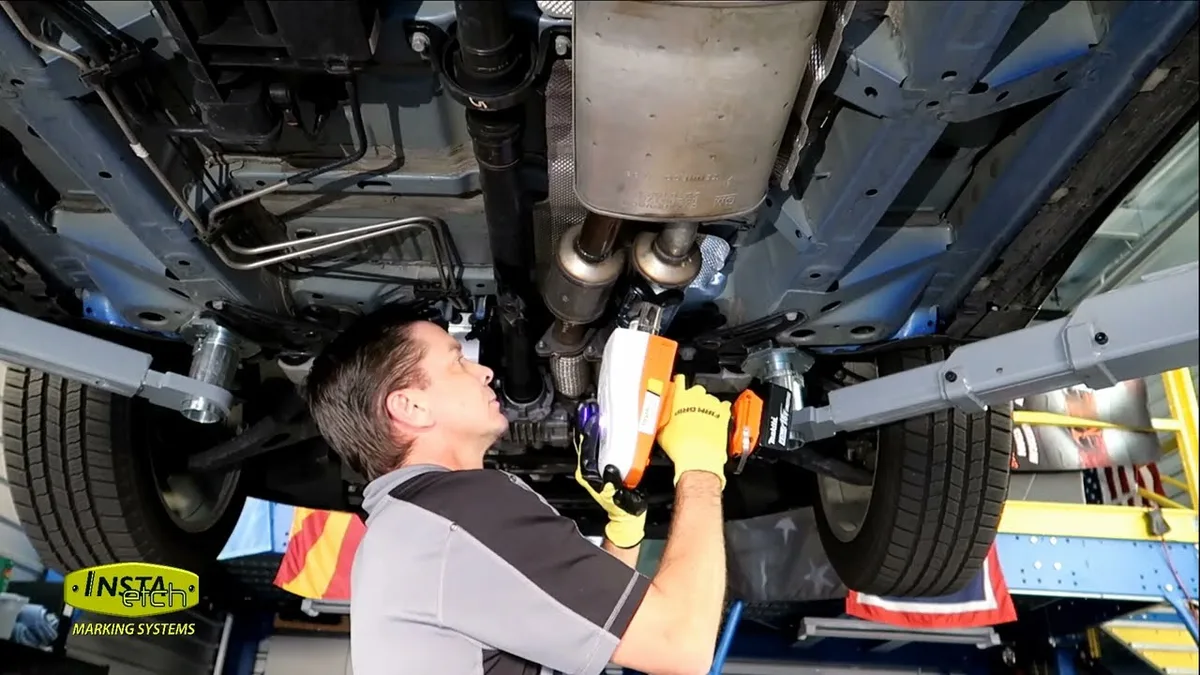
If etching isn’t an option, tamper-proof marking is the next best thing. This involves applying UV-reactive ink, serial codes, or high-temperature paint to the converter. These markings are invisible to the naked eye but show up under UV light, making them hard for thieves to detect or remove.
Some marking systems use unique serial numbers that can be registered in a database. Scrap yards can then check these numbers before accepting a converter. High-temperature paint is another option, as it can withstand the extreme heat of the exhaust system while remaining visible.
YouTube / Insta Etch (Marking Systems) (YouTube thumbnail (fair-use with source credit))
Aggregate reviews report that marked converters are stolen far less often than unmarked ones. The key is to use a marking method that’s both durable and easy for law enforcement to identify.
Documentation: Photos, Receipts, and Police Registration
Documentation is the simplest yet often overlooked step in theft prevention. Taking clear photos of your catalytic converter, including its markings and location under the vehicle, can help police identify it if stolen. Keep receipts from any anti-theft services or products you’ve purchased.
Some Louisiana police departments allow you to register your converter’s VIN or markings in a database. This makes it easier for law enforcement to track and recover stolen parts. Without documentation, even a marked converter may be harder to prove as yours.
Step-by-Step: How to Etch Your Catalytic Converter in Louisiana
Tools and Materials Needed
| Item | Purpose |
|---|---|
| VIN etching kit | Contains stencils and etching tool |
| Safety glasses | Protects eyes from debris |
| Flashlight | Improves visibility under the vehicle |
| Jack and jack stands | Lifts the vehicle safely |
| Cleaning supplies | Removes dirt and grime from the converter |
Step 1: Locate the Catalytic Converter
The converter is usually found between the engine and the muffler, often near the front of the vehicle. Use a flashlight to spot it under the car. If you’re unsure, consult your vehicle’s manual or ask a mechanic.
Step 2: Clean the Surface
Use a degreaser and a wire brush to remove dirt, rust, and grime from the area where you’ll etch the VIN. A clean surface ensures the etching is clear and legible.
Step 3: Position the Stencil
Place the VIN stencil from your etching kit onto the cleaned surface. Make sure it’s straight and securely attached. Some kits include adhesive stencils to keep them in place.
Step 4: Etch the VIN
Use the etching tool to trace over the stencil, pressing firmly to create a permanent mark. Follow the kit’s instructions for depth and pressure. Double-check that the entire VIN is visible and legible.
Step 5: Document the Process
Take photos of the etched VIN on the converter and save them with your vehicle’s records. If your local police department offers a registration program, submit the details there as well.
DIY vs. Professional Etching: Which Should You Choose?
DIY etching works well if you have basic mechanical skills and the right tools. A quality etching kit costs between $20 and $50, and the process takes about 30 minutes. You’ll need to safely lift the vehicle and access the converter, which may require a jack and stands.
Professional etching is the better choice if you’re unsure about the process or lack the tools. Many Louisiana police departments and auto shops offer this service for free or at a low cost. They have the equipment and experience to ensure the VIN is etched correctly and permanently.
Costs, Time, and What You’ll Need
| Method | Cost | Time | Tools Needed |
|---|---|---|---|
| DIY Etching | $20–$50 | 30–60 min | Etching kit, jack, stands, cleaning supplies |
| Professional Etching | $0–$50 | 20–40 min | None |
| Tamper-Proof Marking | $15–$40 | 15–30 min | UV ink kit or serial labels |
| Documentation | Free | 5–10 min | Camera, pen and paper |
DIY marking kits are widely available online and at auto parts stores. If you’re short on time or confidence, professional services are a hassle-free alternative.
Does This Really Work? The Data on Theft Reduction
Studies show that marked converters are stolen far less often than unmarked ones. The National Insurance Crime Bureau reports that vehicles with etched VINs are up to 70% less likely to have their converters stolen. Scrap yards are also less likely to accept marked parts, as they can be traced back to the original vehicle.
In Louisiana, cities with active etching programs have seen noticeable drops in theft rates. Baton Rouge’s police department reported a 40% reduction in catalytic converter thefts after launching a free VIN etching initiative.
Other Ways to Protect Your Converter (And When to Use Them)
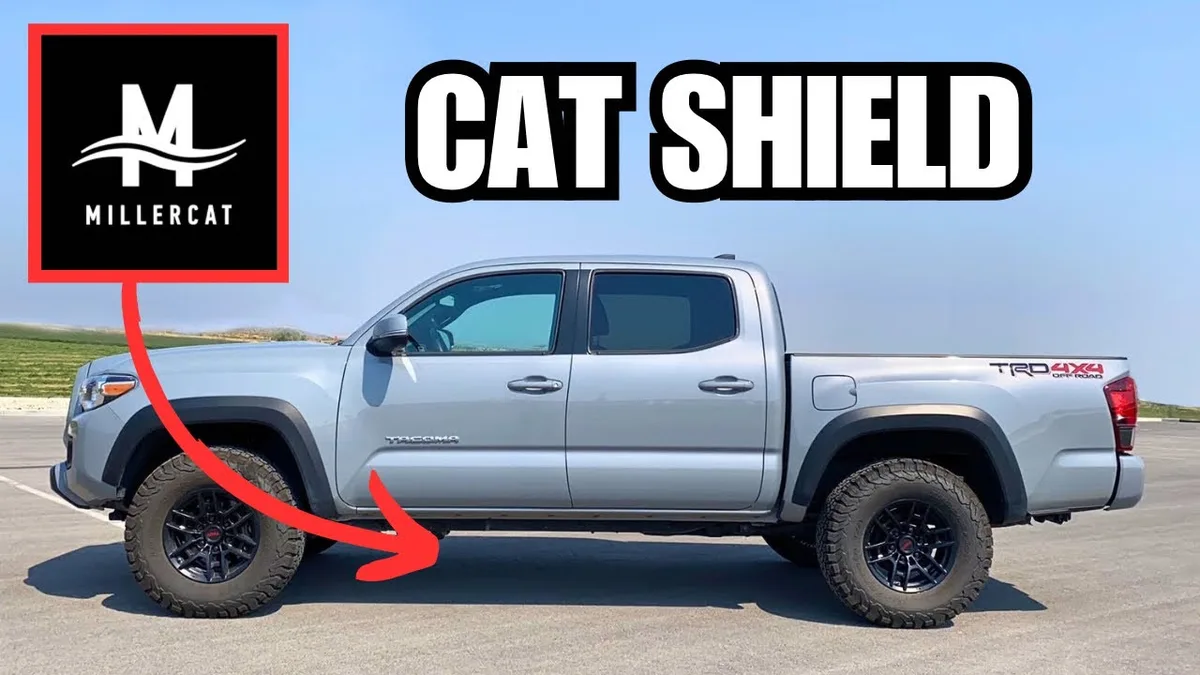
Physical barriers like catalytic converter shields are another effective option. These metal plates are bolted over the converter, making it harder for thieves to access. Shields cost between $100 and $300 and can be installed by a mechanic or a skilled DIYer.
YouTube / Muscle American (YouTube thumbnail (fair-use with source credit))
Parking strategies also help. Whenever possible, park in well-lit areas or garages. If you’re parking on the street, try to position your vehicle so the converter is less accessible.
What to Do If Your Converter Gets Stolen Anyway
File a police report immediately. Provide them with any documentation or photos of your converter’s markings. This increases the chances of recovery and may help with insurance claims.
Next, contact your insurance company to start the claims process. Keep all receipts and records related to the theft and replacement. Some insurers require a police report before approving a claim.
Common Mistakes That Make Your Efforts Useless
Shallow etching is a frequent error. If the VIN isn’t deep enough, thieves can grind it off in seconds. Always follow the kit’s instructions for pressure and depth.
Skipping documentation defeats the purpose. Without photos or registration, police can’t prove the converter is yours. Take clear pictures immediately after marking or etching.
Using non-permanent markers is another mistake. Regular paint or stickers wash off or peel away. Only use high-temperature paint or UV ink designed for exhaust systems.
Louisiana-Specific Tips: Local Programs, Laws, and Hotspots
Many Louisiana police departments offer free VIN etching events. Check with your local PD or sheriff’s office for schedules. Baton Rouge and New Orleans have active programs with proven results.
Louisiana law requires scrap metal dealers to verify seller identities and keep records. This helps track stolen converters but isn’t foolproof. Marking your part gives law enforcement an extra tool to identify it.
Hotspots include parking lots of big-box stores, apartment complexes, and ride-share pickup zones. Thieves target these areas because they offer quick access and easy escapes.
FAQs About Louisiana Catalytic Converter Theft Prevention
Does VIN etching really stop theft?
Yes. Etched converters are up to 70% less likely to be stolen because they’re traceable. Thieves avoid parts that can be linked to a specific vehicle.
How much does it cost to etch a catalytic converter?
DIY kits run $20 to $50. Many Louisiana police departments offer free etching services. Professional installation typically costs under $50.
Can I etch the VIN myself?
Yes if you have basic tools and can safely access the converter. Follow the kit instructions carefully. Incorrect etching may not deter thieves.
What’s the best way to mark a converter without etching?
Use UV ink or high-temperature paint with a unique serial number. These markings are hard to remove and invisible to thieves.
Are catalytic converter shields worth it?
Yes for high-risk vehicles. Shields cost $100 to $300 and make theft much harder. They’re especially useful for trucks and SUVs.
How do I report a stolen converter in Louisiana?
File a report with your local police department. Provide your VIN, vehicle info, and any marking details. This helps with recovery and insurance claims.