ByMax Lee
Maryland School Bus Stop Law on Divided Highways
YouTube / WKMG News 6 ClickOrlando (YouTube thumbnail (fair-use with source credit))
Maryland’s school bus stop law for drivers on divided highways trips up even experienced drivers. The rule isn’t as simple as “stop every time” or “never stop,” and getting it wrong can mean a fine or worse.
As of 2026, Maryland Transportation Code §21-706 is clear: you must stop for a school bus with flashing red lights and an extended stop arm unless you’re on the opposite side of a divided highway with a physical barrier. That one detail saves most drivers from confusion.
Quick Answer
Maryland school bus stop law for drivers on divided highways requires stopping if you’re behind the bus or on the same side of the road. You may proceed if you’re on the opposite side of a divided highway with a physical barrier. The fine for violating this law is up to $570.
The rule applies year-round, not just during the school year.
Why Maryland’s School Bus Stop Law on Divided Highways Matters
This law exists to protect children boarding or exiting school buses. Maryland sees an average of 1,200 school bus-related violations annually, according to the Maryland State Department of Education. A single mistake can lead to a tragic accident or a costly citation.
The confusion often comes from not understanding what counts as a divided highway. Many drivers assume any multi-lane road qualifies, but the law specifies a physical barrier is required for the “no stop” exception.
The Exact Rule: When to Stop vs. When to Keep Going
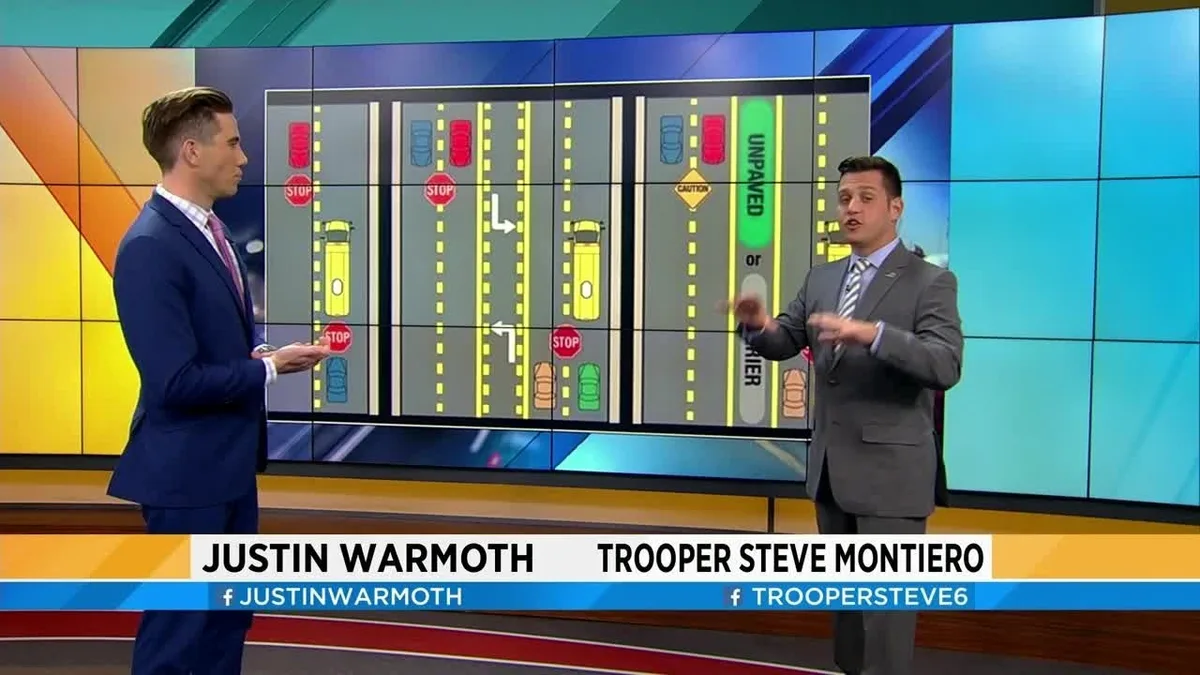
Here’s the rule in plain terms: if you’re traveling in the same direction as the bus or on an undivided road, you must stop. If you’re on the opposite side of a divided highway with a physical barrier, you may proceed with caution.
Openverse / NTSBgov (PDM 1.0)
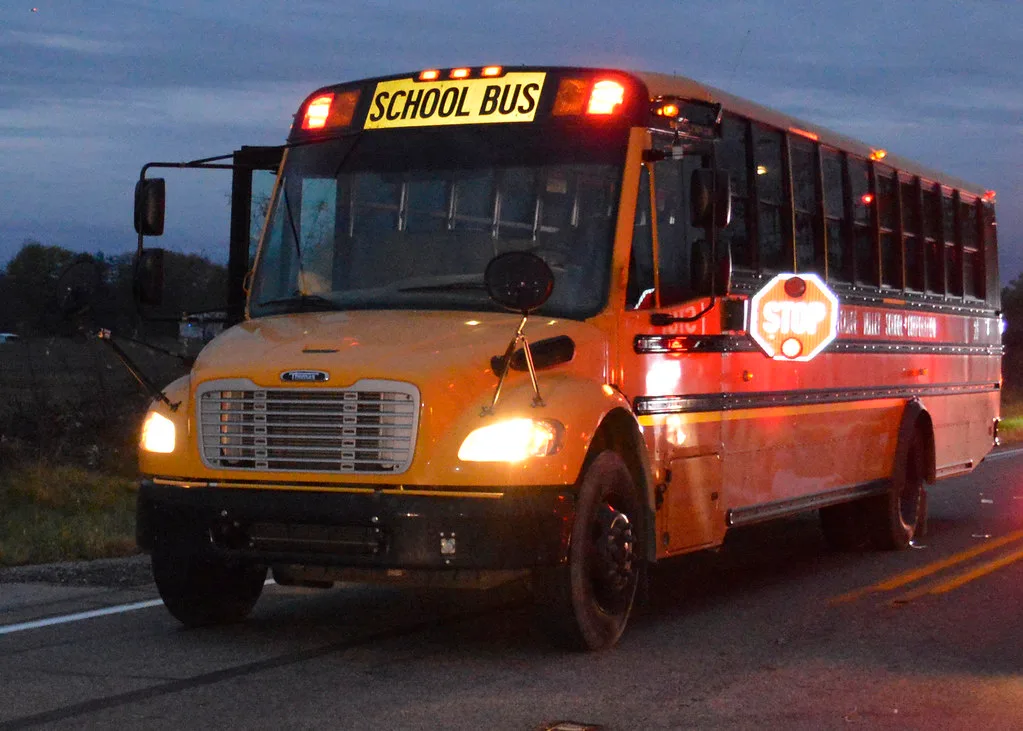
The bus driver will extend the stop arm and activate flashing red lights when picking up or dropping off students. These signals are your cue to stop, unless the divided highway exception applies.
| Scenario | Action Required |
|---|---|
| Same direction as bus, undivided road | Stop completely |
| Same direction as bus, divided road (no barrier) | Stop completely |
| Opposite direction, undivided road | Stop completely |
| Opposite direction, divided road with barrier | Proceed with caution |
How Maryland Defines a Divided Highway (and Why It’s Confusing)
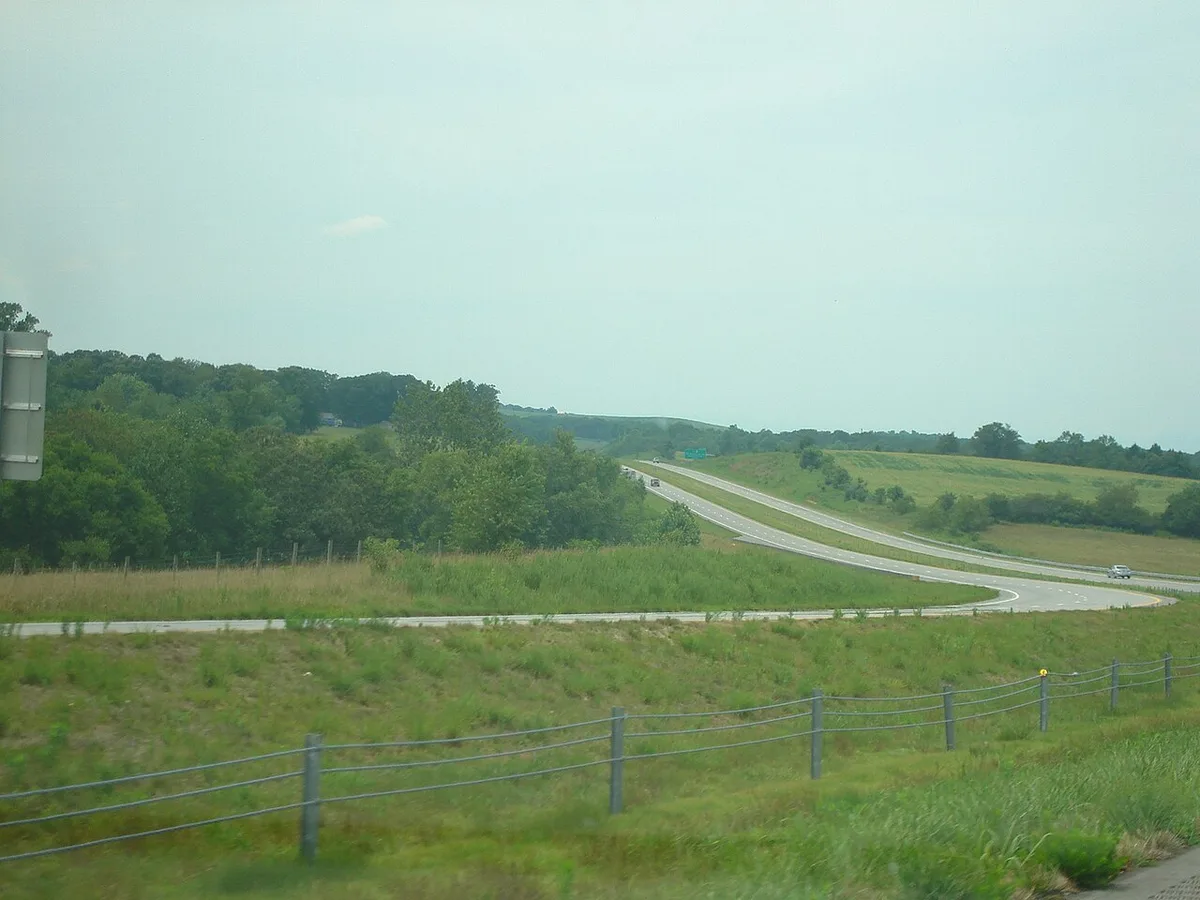
A divided highway in Maryland is a road with two or more lanes of traffic moving in opposite directions, separated by a physical barrier. This barrier can be a median, jersey barrier, grass strip, or any other solid division that prevents vehicles from crossing into the opposite lanes.
Wikimedia Commons / Zainub Razvi (CC BY-SA)
What doesn’t count as a barrier: painted lines, double yellow lines, or turn lanes. Many drivers mistakenly think these qualify, but they don’t. Only a physical obstacle that prevents crossing into the opposite lanes meets the legal definition.
The Penalties for Getting It Wrong
Violating Maryland’s school bus stop law carries serious consequences. The first offense can result in a fine of up to $570 and 3 points on your driving record. Subsequent offenses may lead to higher fines and potential license suspension.
These penalties aren’t just about money. They’re designed to reinforce the importance of child safety. A moment of impatience can have lifelong consequences for a child, their family, and the driver who failed to stop.
Common Mistakes Drivers Make (and How to Avoid Them)
The most frequent error is assuming painted lines count as a barrier. Double yellow lines or a turn lane don’t qualify. Only a physical division like a median or jersey barrier lets you proceed.
Another mistake is misjudging the bus’s direction. If you’re behind the bus or on the same side of the road, you must stop regardless of the highway type. The bus’s stop arm and flashing lights are your only cues.
Drivers also forget that the law applies to all school buses, not just public school vehicles. Private school buses and special education buses follow the same rules.
Real-Life Scenarios: Divided vs. Undivided Highway Examples
On US-50 in Maryland, a divided highway with a grass median, you can proceed if you’re on the opposite side of the bus. The median acts as the required physical barrier.
On a two-lane road with a center turn lane, you must stop in both directions. The turn lane doesn’t count as a barrier, so the standard rule applies.
In a school zone with a four-lane undivided road, all traffic in both directions must stop. The lack of a physical barrier means every driver shares the responsibility.
What Out-of-State Drivers Need to Know
Maryland’s law differs from some neighboring states. In Virginia, for example, you must stop in both directions on any road unless it’s a divided highway with a physical barrier. The definitions align, but enforcement varies.
Out-of-state drivers often assume their home state’s rules apply. That’s a risky assumption. Maryland’s Transportation Code §21-706 is specific, and ignorance isn’t a valid defense in court.
If you’re passing through Maryland, treat every school bus stop as a mandatory stop unless you’re certain you’re on the opposite side of a divided highway with a barrier.
FAQs About Maryland’s School Bus Stop Law
Do I have to stop for a school bus on a divided highway?
Yes, if you’re on the same side of the road as the bus or there’s no physical barrier. No, if you’re on the opposite side of a divided highway with a barrier like a median.
What counts as a physical barrier in Maryland?
A median, jersey barrier, grass strip, or any solid division that prevents crossing into opposite lanes. Painted lines or turn lanes don’t qualify.
What’s the fine for passing a stopped school bus in Maryland?
The first offense carries a fine of up to $570 and 3 points on your driving record. Subsequent offenses may result in higher fines and potential license suspension.
Does the law apply to private school buses?
Yes. The rule covers all school buses, including private and special education buses.
Can I pass a school bus with flashing yellow lights?
No. Flashing yellow lights mean the bus is preparing to stop. You should slow down and prepare to stop, as the red lights and stop arm will activate soon.
Final Checklist: Are You Following the Law Correctly?
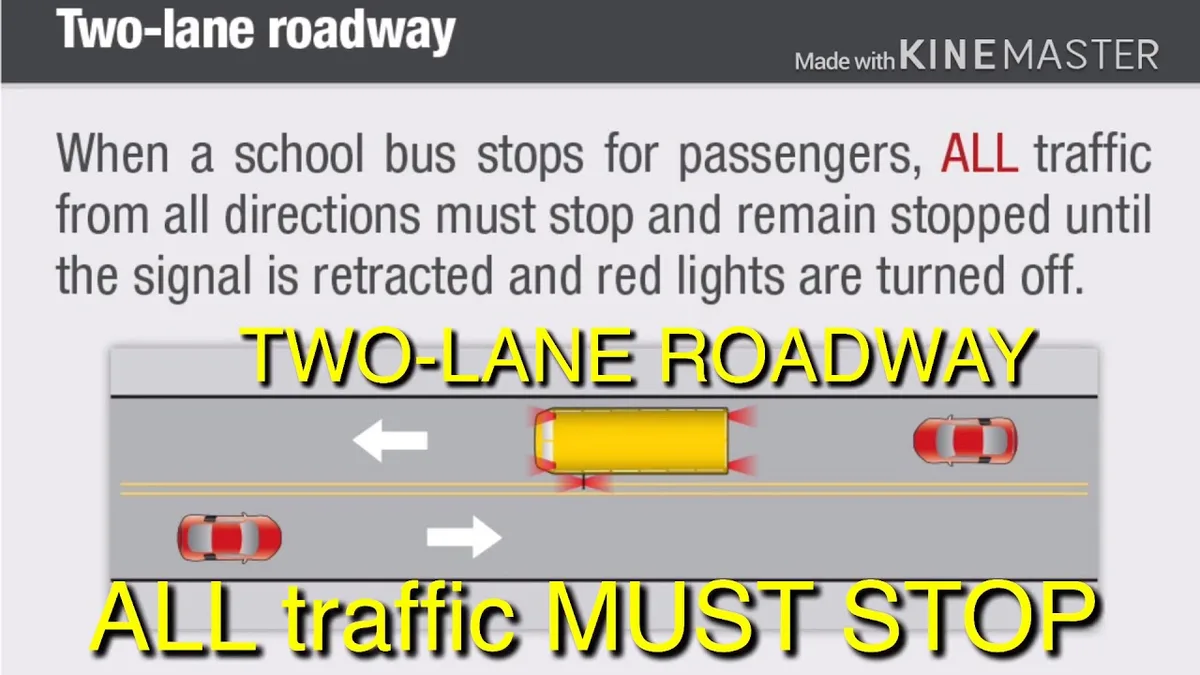
Stop if you’re behind the bus or on the same side of the road. This applies to all undivided roads and divided roads without a barrier.
Proceed with caution only if you’re on the opposite side of a divided highway with a physical barrier. Confirm the barrier is solid and prevents crossing into the bus’s lane.
Always watch for the bus’s stop arm and flashing red lights. These are your clear signals to stop, regardless of the road type.
YouTube / Garland Police Department (YouTube thumbnail (fair-use with source credit))
Stop if you’re behind the bus or on the same side of the road. This applies to all undivided roads and divided roads without a barrier.
Proceed with caution only if you’re on the opposite side of a divided highway with a physical barrier. Confirm the barrier is solid and prevents crossing into the bus’s lane.
Always watch for the bus’s stop arm and flashing red lights. These are your clear signals to stop, regardless of the road type.
YouTube / Garland Police Department (YouTube thumbnail (fair-use with source credit))