ByMax Lee
Maryland Car Seat Laws: Child Restraint Requirements
Maryland child restraint law and car seat requirements for young children can feel overwhelming, but the rules exist to keep kids safe. The state has clear guidelines based on age, height, and weight, and breaking them isn’t just risky, it’s illegal.
As of 2026, Maryland law requires children under 8 years old or under 4'9" tall to use a car seat or booster. These standards align with federal safety recommendations, but many parents still miss critical details.
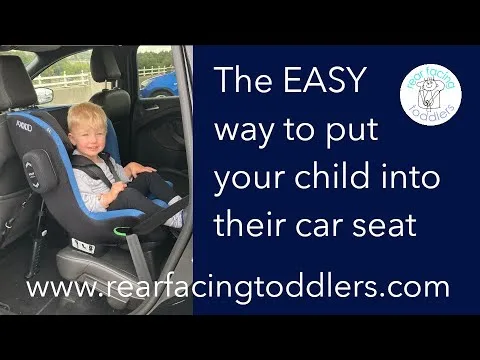
YouTube / Rear Facing Car Seats (YouTube thumbnail (fair-use with source credit))
Quick Answer
Maryland child restraint law and car seat requirements for young children mandate a car seat or booster for kids under 8 or under 4'9". Rear-facing seats are safest for infants and toddlers. Forward-facing seats with a harness come next.
Boosters are for older kids who’ve outgrown harnesses. Fines for non-compliance can reach $50.
Why These Laws Exist (And Why You Should Follow Them)
Car crashes are a leading cause of injury and death for children. Maryland’s laws follow NHTSA guidelines to reduce these risks. Proper restraints cut the chance of fatal injury by up to 71% for infants and 54% for toddlers.
The rules aren’t just suggestions, they’re backed by crash test data and real-world outcomes. Even a minor fender bender can be dangerous without the right restraint.
Who Needs a Car Seat or Booster in Maryland?
All children under 8 years old must use a car seat or booster. This applies whether they’re in a family car, rideshare, or taxi. The law also covers kids under 4'9" tall, even if they’re older than 8.
If a child doesn’t meet the height or age requirement, they’re not ready for a regular seat belt. Seat belts are designed for adults and can cause serious injury if used too soon.
Maryland’s Age, Height, and Weight Rules Explained
Maryland’s law is straightforward, but the details matter. Here’s the breakdown:
| Stage | Age | Height | Weight | Seat Type |
|---|---|---|---|---|
| Infant | Birth–2+ years | Varies | Up to 40–50 lbs | Rear-facing |
| Toddler | 2+ years | Varies | 20–65+ lbs | Forward-facing with harness |
| Older Child | 4+ years | Under 4'9" | 40–120 lbs | Booster seat |
| Seat Belt Ready | 8+ years | 4'9" or taller | N/A | Lap/shoulder belt |
YouTube / Baby Company (YouTube thumbnail (fair-use with source credit))
The American Academy of Pediatrics (AAP) recommends keeping kids rear-facing as long as possible, even beyond age 2. Maryland law doesn’t enforce this, but it’s a best practice for safety.
Types of Car Seats and When to Use Them
Not all car seats are the same. The right one depends on your child’s size and developmental stage.
Rear-Facing Seats (Infant & Convertible)
Rear-facing seats are the safest option for infants and toddlers. They support the head, neck, and spine in a crash. Infant-only seats are portable and often come with a base.
Convertible seats can switch from rear-facing to forward-facing as your child grows.
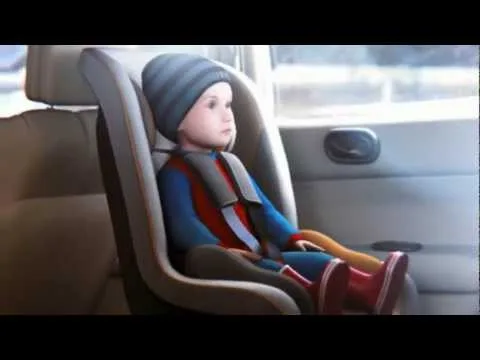
YouTube / SillaCocheBebe.com (YouTube thumbnail (fair-use with source credit))
Forward-Facing Seats with Harness
Once a child outgrows the rear-facing limits (usually around age 2, 4), they can move to a forward-facing seat with a 5-point harness. These seats are secured with the car’s seat belt or LATCH system. The harness spreads crash forces across the strongest parts of the body.
Booster Seats (High-Back vs. Backless)
Booster seats lift a child so the seat belt fits correctly. High-back boosters provide head and neck support, while backless boosters are for vehicles with headrests. Kids should stay in a booster until they’re tall enough for the seat belt to lie across the chest and hips, not the neck or stomach.
Step-by-Step: How to Choose the Right Car Seat
Start with your child’s age, height, and weight. Infants and toddlers under 2 should be rear-facing. Check the seat’s weight and height limits on the label.
Next, consider your vehicle. Smaller cars may need a compact seat. Larger SUVs can accommodate bulkier models.
Always verify compatibility with your car’s manual.
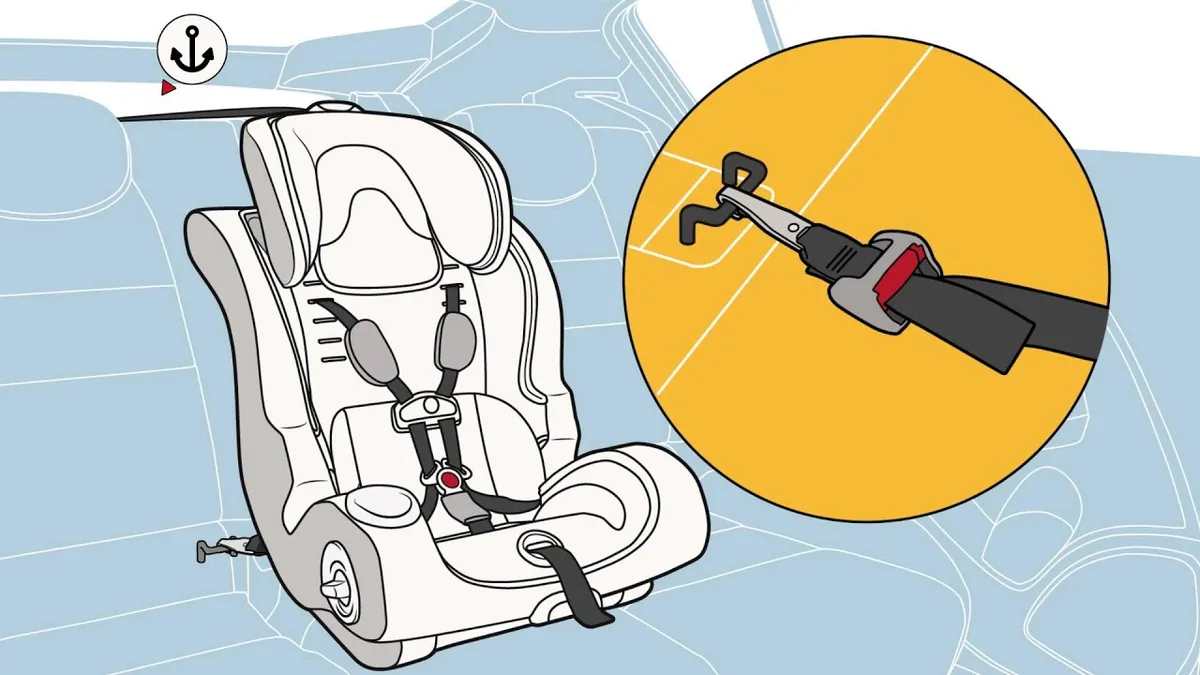
YouTube / Buckle Up for Life (YouTube thumbnail (fair-use with source credit))
How to Install a Car Seat Correctly (And Avoid Common Mistakes)
A loose seat is as dangerous as no seat at all. Use the LATCH system or seat belt, but not both. The seat should not move more than an inch side to side when tested at the belt path.
The chest clip should be at armpit level. Straps need to be snug enough that you can’t pinch excess webbing. Rear-facing seats must be reclined at the correct angle, usually 30 to 45 degrees.
Maryland’s Legal Penalties for Non-Compliance
Driving with an improperly restrained child can result in a $50 fine. Police can pull you over for this violation alone. The fine is per child, so multiple unrestrained kids mean multiple penalties.
More importantly, the risk to your child is far greater than the fine. Proper restraints save lives in crashes.
When Can a Child Sit in the Front Seat in Maryland?
Maryland law doesn’t specify an age for front-seat riding. However, the back seat is always safer for children under 13. Airbags can injure or kill a child in a crash.
If a child must ride in front, move the seat as far back as possible. Never place a rear-facing seat in the front if there’s an active airbag.
Car Seat Safety Beyond the Law: Expert Recommendations
The AAP advises keeping kids rear-facing until at least age 2, or longer if they haven’t reached the seat’s height or weight limit. This position protects the head, neck, and spine better than forward-facing.
Booster seats should be used until the seat belt fits properly. This usually happens when a child reaches 4'9" to 5' tall. Even then, the back seat remains the safest spot.
Where to Get a Free Car Seat Inspection in Maryland
Many fire stations and police departments offer free car seat checks. The Maryland Motor Vehicle Administration also provides inspection services at select locations. These inspections ensure your seat is installed correctly and meets safety standards.
You can find a certified technician through the NHTSA’s inspection station locator. Appointments are often required, so call ahead.
What to Do If Your Car Seat Is Expired or Recalled
Car seats expire after 6 to 10 years, depending on the manufacturer. The expiration date is usually on a sticker or molded into the plastic. Using an expired seat risks structural failure in a crash.
Check for recalls on the NHTSA recall database. If your seat is recalled, contact the manufacturer for a replacement or repair. Never use a seat that’s been in a crash, even if it looks fine.
FAQs About Maryland’s Child Restraint Laws
Does Maryland require a car seat for a 7-year-old?
Yes. Maryland law requires a car seat or booster for all children under 8 years old or under 4'9" tall.
Can a 4-year-old use a booster seat in Maryland?
Only if they’ve outgrown the height and weight limits of their forward-facing harness seat. Most 4-year-olds still need a harness for proper safety.
What’s the fine for not using a car seat in Maryland?
The penalty is up to $50 per unrestrained child. More importantly, the risk of injury in a crash is far higher without proper restraint.
When can a child stop using a booster seat in Maryland?
When they reach 8 years old or 4'9" tall. Even then, the back seat is safest until at least age 13.
Are taxi drivers required to provide car seats in Maryland?
No. Parents and caregivers are responsible for providing and installing the correct car seat for their child.
Final Checklist: Are You Following Maryland’s Rules?
Your child is under 8 or under 4'9".
They’re in the right seat for their age, height, and weight.
The seat is installed correctly with no more than an inch of movement.
The harness or seat belt fits snugly with no slack.
You’ve checked for recalls and expiration dates.
You’ve had the installation verified by a certified technician.