Farm tractors on public roads in Massachusetts have to follow specific rules to keep everyone safe. The Massachusetts farm tractor road use laws and flashing light requirements exist because these vehicles move slower than regular traffic and need to be visible. Get it wrong and you risk fines, liability, or worse, a preventable accident.
As of 2026, state law mandates a flashing amber light and a Slow-Moving Vehicle emblem for any farm equipment traveling under 25 mph. These aren’t suggestions; they’re legal requirements enforced by MassDOT and local police. Here’s what you actually need to know.
Quick Answer
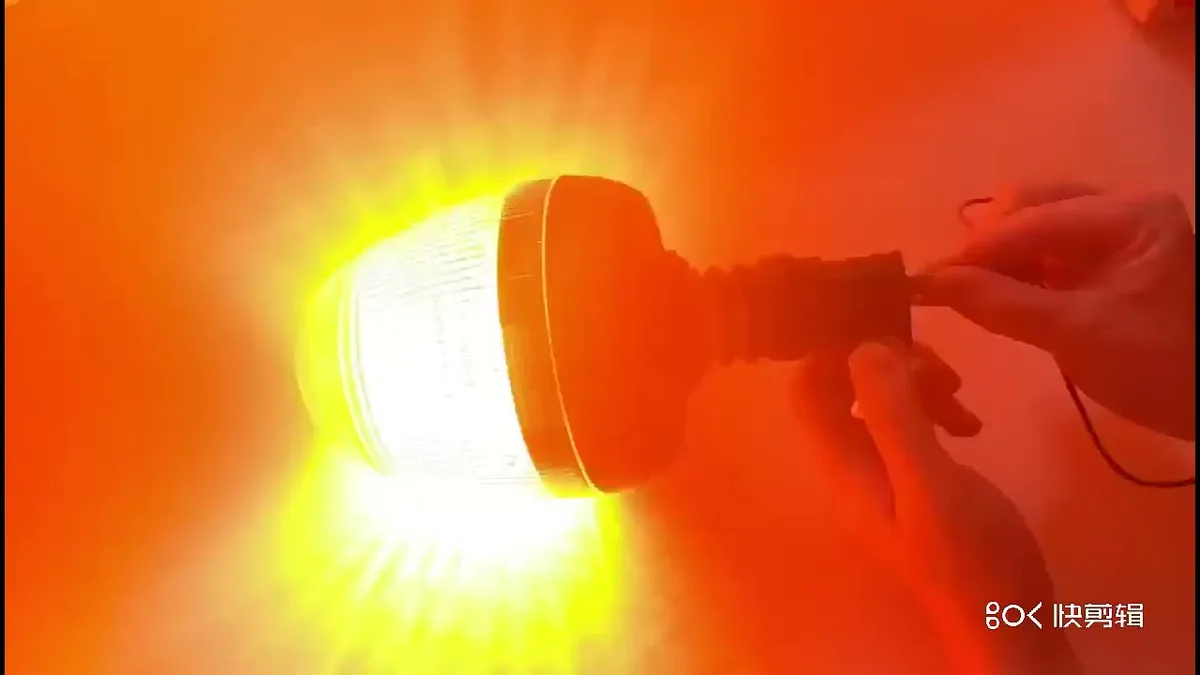
Massachusetts farm tractor road use laws and flashing light requirements apply to any agricultural vehicle traveling under 25 mph. A flashing amber light visible 360 degrees is mandatory. The Slow-Moving Vehicle emblem must be displayed on the rear.
Tractors must also follow standard lighting rules for headlights and taillights. Local ordinances may add extra restrictions.
Why Massachusetts Farm Tractor Road Laws Matter for Safety and Compliance
These laws aren’t just bureaucracy. In 2022, the National Highway Traffic Safety Administration reported over 100 fatalities nationwide involving slow-moving vehicles. Massachusetts takes this seriously because rural roads often mix farm traffic with faster-moving cars.
Non-compliance can lead to fines up to $500 per violation. More importantly, poor visibility is a leading cause of collisions. The rules exist to protect farmers, motorists, and pedestrians alike.
The Quick Answer: What’s Legally Required in Massachusetts
Here’s the bare minimum to stay legal:
- Flashing amber light: Must be visible from all directions, mounted as high as practical.
- SMV emblem: Reflective orange triangle, mounted on the rear, 2, 6 feet above the road.
- Standard lighting: Headlights, taillights, and turn signals must work if the tractor is used at dawn, dusk, or night.
- Speed: If your tractor can’t maintain 25 mph, you must follow SMV rules.
No exceptions for short trips or "just down the road." If you’re on a public road, these apply.
Massachusetts’ Core Farm Tractor Road Use Laws
Massachusetts General Laws (MGL) Chapter 90, Section 7N outlines the basics. Any vehicle designed for agricultural use and traveling under 25 mph must display the SMV emblem. This includes tractors, combines, and other farm machinery.
Key Requirements
- SMV Emblem: Must be a reflective orange triangle with a red border, at least 14 inches tall.
- Lighting: Flashing amber beacon required if traveling under 25 mph. Headlights and taillights must be on 30 minutes after sunset to 30 minutes before sunrise.
- Permits: Oversized or overweight farm equipment may need a MassDOT permit. Check with your local police or MassDOT for specifics.
Road Restrictions
- Speed: Tractors must stay as far right as possible. If you’re holding up 5+ vehicles, pull over where safe to let them pass.
- Time of Day: No restrictions, but lighting rules apply at night.
- Road Types: Some highways and interstates prohibit farm equipment entirely. Stick to approved routes.
Flashing Amber Light Requirements: What You Need and Where
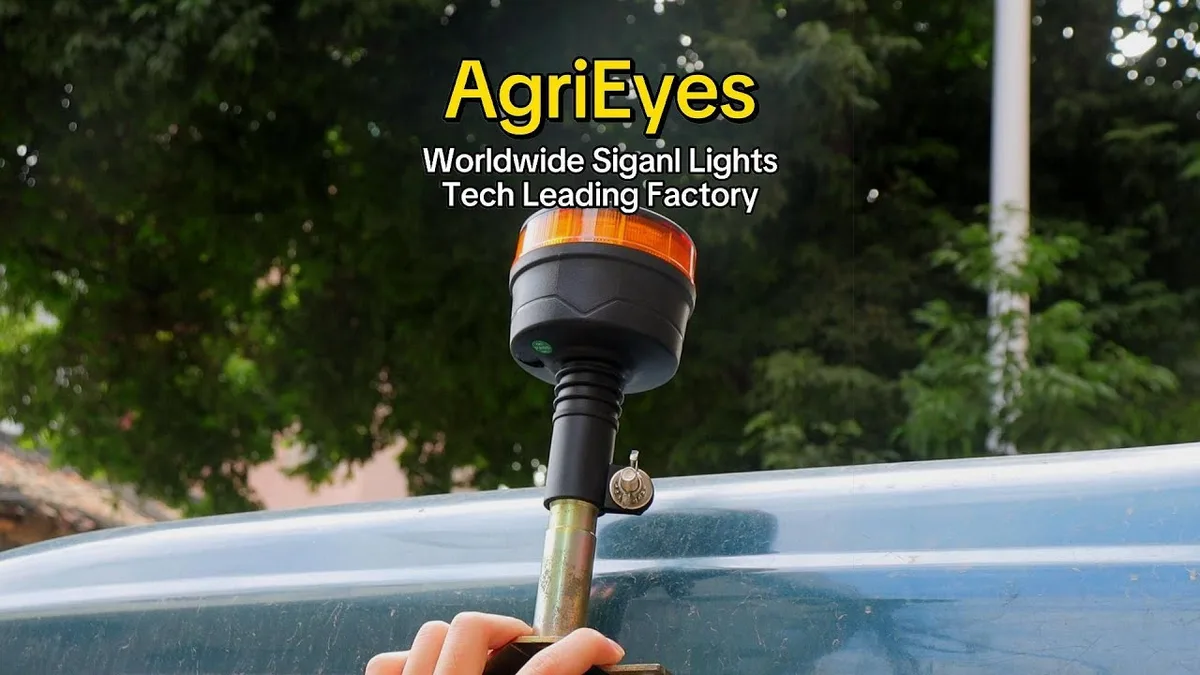
The flashing amber light is non-negotiable. It must be visible from at least 500 feet in all directions. Most farmers mount it on the highest point of the tractor or implement.
Specifications
- Color: Amber only. No red, white, or blue lights (those are reserved for emergency vehicles).
- Flash Rate: 60, 90 flashes per minute.
- Mounting: As high as practical, but no lower than 4 feet from the ground.
Where to Buy
You can find compliant lights at any farm supply store. Look for labels indicating they meet SAE J845 standards. Avoid cheap knockoffs, they often fail visibility tests.
SMV Emblem Rules and Other Visibility Standards
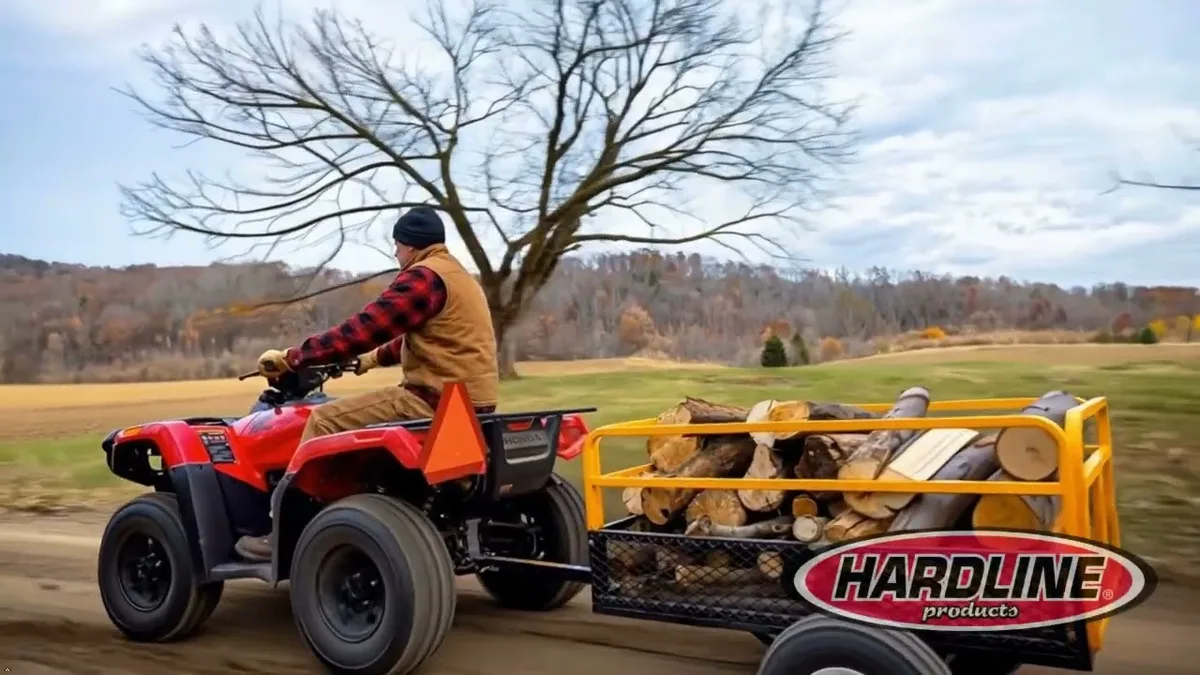
The Slow-Moving Vehicle emblem is your first line of defense. It’s a bright orange triangle with a red border, designed to catch a driver’s eye from 500 feet away. Without it, you’re invisible to motorists approaching from behind.
Placement and Condition
Mount it 2 to 6 feet above the road, centered on the rear of the vehicle or implement. Keep it clean and unobstructed. A dirty or faded emblem fails the visibility test.
Additional Reflectors
Massachusetts also requires at least two red reflectors on the rear. These must be visible at night from 100 to 600 feet when illuminated by headlights.
Step-by-Step: How to Make Your Tractor Road-Legal in Massachusetts
Start with the basics. Check your tractor’s speed, if it can’t hit 25 mph, you need the full SMV setup.
Install the Flashing Amber Light
Pick a SAE J845-compliant beacon. Mount it as high as possible, ideally on the cab roof. Wire it to a switch within easy reach of the operator.
Attach the SMV Emblem
Use the manufacturer’s mounting hardware. Place it on the rearmost vehicle or implement, facing directly backward. Double-check that nothing blocks it.
Test All Lights
Turn on the flashing amber light, headlights, and taillights. Walk around the tractor at dusk to confirm visibility from all angles.
Common Mistakes That Get Farmers Fined (or Worse)
Skipping the SMV emblem is the most common violation. Police can pull you over for this alone. The fine starts at $100 and goes up from there.
Poor Lighting
A non-flashing amber light or a burnt-out bulb is just as bad as no light. Inspect these before every road trip.
Ignoring Local Rules
Some towns require permits for farm equipment on certain roads. Call your local police department to confirm. It takes five minutes and could save you a headache.
When Local Rules Override State Laws: What to Watch For
Massachusetts gives municipalities some leeway. Boston, for example, has stricter rules for farm equipment on city streets. Rural towns may be more lenient but often enforce speed limits more rigorously.
Permit Requirements
Oversized loads or equipment exceeding 8 feet in width typically need a MassDOT permit. These are free for agricultural vehicles but must be obtained in advance.
Seasonal Restrictions
Some areas ban farm equipment on roads during peak traffic hours. This is rare but worth checking if you’re moving machinery near urban centers.
What Happens If You’re Not Compliant? Fines, Liability, and Safety Risks
The immediate risk is a traffic stop and fine. Repeat offenses can lead to higher penalties and points on your license.
Liability in Accidents
If you’re hit and your tractor lacks the required lights or emblem, you could be found partially at fault. Insurance may deny claims, leaving you on the hook for damages.
Safety First
The real cost is human. A 2021 study by the Governors Highway Safety Association found that 60 percent of SMV crashes occur because motorists don’t see the vehicle in time. Proper lighting and signage cut that risk dramatically.
Expert Tips to Stay Safe and Avoid Trouble
Check your equipment before every road trip. A quick walk-around takes two minutes and can prevent a citation or collision.
Use Escort Vehicles for Wide Loads
If your implement extends beyond the lane, have a spotter or escort vehicle with hazard lights. This is especially critical on narrow rural roads.
Time Your Travel
Avoid peak traffic hours when possible. Early morning or midday moves reduce conflicts with commuters.
Real-World Scenarios: How These Laws Play Out on the Road
A farmer in Western Massachusetts was ticketed for missing his SMV emblem during harvest season. The fine was $150, but the real cost was the delay in getting his crop to market.
Nighttime Travel
A tractor without working taillights caused a rear-end collision in Central Massachusetts. The farmer was cited for improper lighting and held partially liable for damages.
Permit Oversights
A dairy operator moving a manure spreader was stopped for lacking a MassDOT permit. The load was legal weight-wise but required documentation due to its width.
FAQs About Massachusetts Farm Tractor Road Use
Do I need a flashing amber light if my tractor can go 25 mph?
No. The flashing amber light and SMV emblem are only required for vehicles traveling under 25 mph. If your tractor can maintain 25 mph or more, standard vehicle lighting rules apply.
Can I use a red flashing light instead of amber?
No. Red lights are reserved for emergency vehicles. Using them on farm equipment is illegal and can cause confusion for other drivers.
How often should I check my SMV emblem and lights?
Inspect them before every road use. Dirt, weather, and wear can reduce visibility quickly. Replace any faded or damaged components immediately.
Are there any roads where farm tractors are banned?
Some highways and interstates prohibit farm equipment. Always check with MassDOT or local authorities before planning a route.
What’s the penalty for not displaying an SMV emblem?
The fine starts at $100 for the first offense. Repeat violations can lead to higher penalties and points on your license.
Final Checklist: Are You Following the Rules?
Run through this list before hitting the road:
- Flashing amber light installed and working
- SMV emblem clean and visible
- Headlights and taillights functional
- Red reflectors in place
- Speed capability confirmed (under or over 25 mph)
- Local permits obtained if required
- Route checked for restrictions
If you can check all these boxes, you’re ready to move safely and legally.
Run through this list before hitting the road:
- Flashing amber light installed and working
- SMV emblem clean and visible
- Headlights and taillights functional
- Red reflectors in place
- Speed capability confirmed (under or over 25 mph)
- Local permits obtained if required
- Route checked for restrictions
If you can check all these boxes, you’re ready to move safely and legally.