ByMax Lee
MA Auxiliary & Off-Road Light Bar Highway Laws
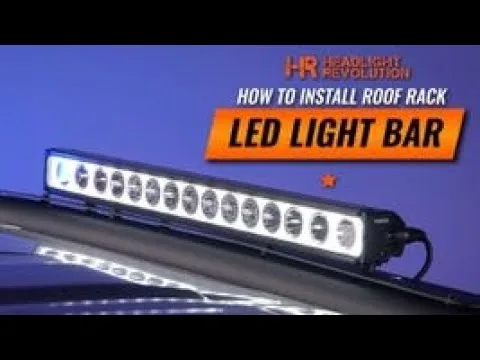
YouTube / Headlight Revolution (YouTube thumbnail (fair-use with source credit))
Massachusetts auxiliary lighting and off road light bar highway restrictions trip up a lot of drivers. You can run auxiliary lights, but the state has strict rules on color, placement, and beam patterns to keep roads safe. Get it wrong, and you risk a fix-it ticket or failing inspection.
Per Massachusetts Registry of Motor Vehicles regulations under 540 CMR 22.00, any forward-facing light must be white or amber, and mounting height can’t exceed 54 inches. That’s the baseline, below, we’ll break down exactly what’s allowed and what isn’t.
Quick Answer
Massachusetts allows auxiliary lighting on highways if it meets color and placement rules. Forward lights must be white or amber. Maximum height is 54 inches.
Red and blue lights are emergency-only. Non-compliant setups can trigger fines or inspection failure.
The Quick Answer: What’s Allowed and What’s Not
You can legally run auxiliary lights in Massachusetts, but only if they follow state vehicle equipment laws.
Here’s the simple breakdown:
- Allowed on highways: White or amber forward-facing lights, properly mounted and aimed.
- Off-road only: Any light bar or auxiliary light that doesn’t meet highway standards.
- Never allowed: Red or blue lights, flashing or oscillating lights, or lights that blind oncoming traffic.
If your light bar doesn’t meet these rules, it’s for off-road use only. Swap to highway-legal lights before driving on public roads.
Massachusetts Auxiliary Lighting Laws Explained
Massachusetts follows 540 CMR 22.00, the state’s vehicle equipment regulation, which aligns with federal standards like FMVSS No. 108. These rules cover everything from headlights to auxiliary lighting, including light bars.
The law treats auxiliary lights as supplementary to your vehicle’s main lighting system. That means they must not interfere with required equipment, not be brighter or more distracting than standard lights, and comply with color and placement restrictions.
As of 2026, the most common violations involve color, improper mounting, or beam patterns that blind other drivers.
Off-Road vs. Highway Use: The Key Difference
Off-road lights are built for maximum illumination, often with wide flood beams or ultra-bright LEDs. Highway-legal lights prioritize safety for all drivers, which means tighter beam patterns and color restrictions.
| Feature | Off-Road Lights | Highway-Legal Lights |
|---|---|---|
| Beam Pattern | Flood, spot, or combo | Spot or driving (focused) |
| Color | Any (but often white/amber) | White or amber only |
| Mounting Height | No strict limit | ≤54 inches |
| Wiring | Can be temporary | Must be permanent and switched |
| Use Case | Trails, private property | Public roads |
If you’re switching between off-road and highway use, you’ll need a setup that lets you disable non-compliant lights. Many drivers use a separate switch or relay to turn off off-road lights when hitting the pavement.
Legal Light Colors and Beam Patterns in MA
Color and beam pattern are the two biggest factors in compliance. Massachusetts law is clear:
- Forward-facing lights: Must be white or amber. No exceptions.
- Rear-facing lights: Red only.
- Side/Marker Lights: Amber or red, depending on position.
YouTube / Ready to Drive Anywhere (YouTube thumbnail (fair-use with source credit))
Beam patterns matter just as much. Here’s what’s allowed:
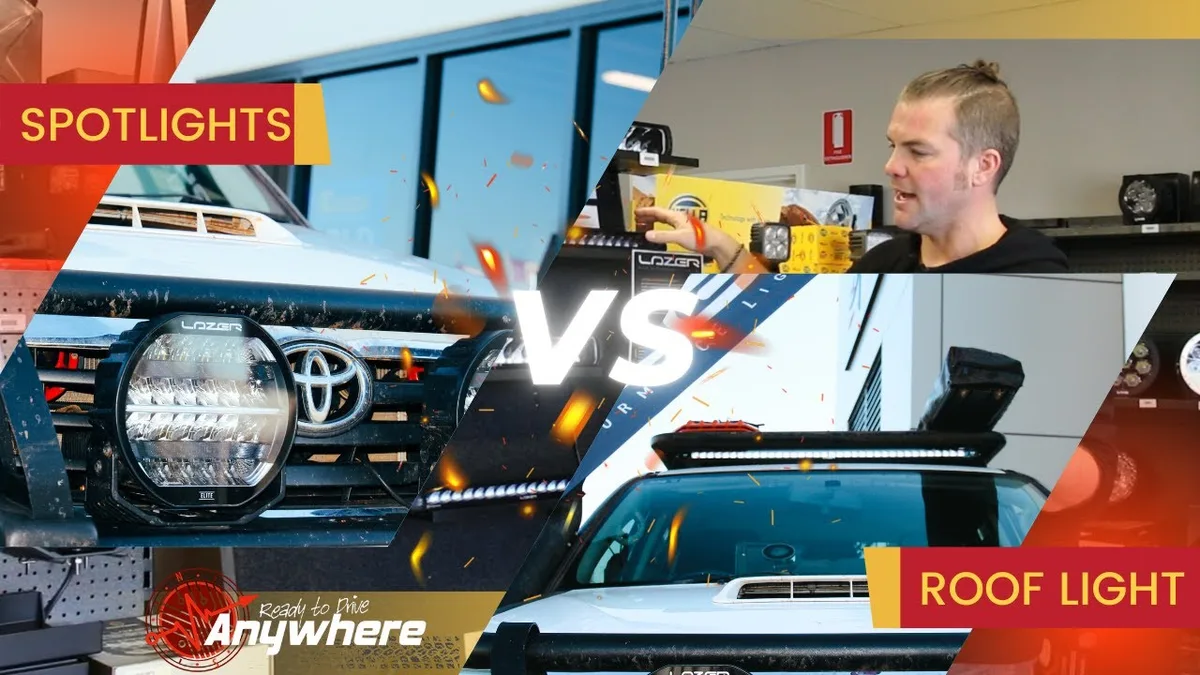
- Spot beams: Narrow, long-range light. Legal if aimed correctly.
- Driving beams: Wider than spot but still focused. Legal.
- Flood beams: Wide, short-range light. Often illegal on highways because they can blind other drivers.
Avoid any light that scatters light upward or outward. The RMV considers improper beam patterns a safety hazard, and you can be cited even if the color is correct.
Height, Mounting, and Placement Restrictions
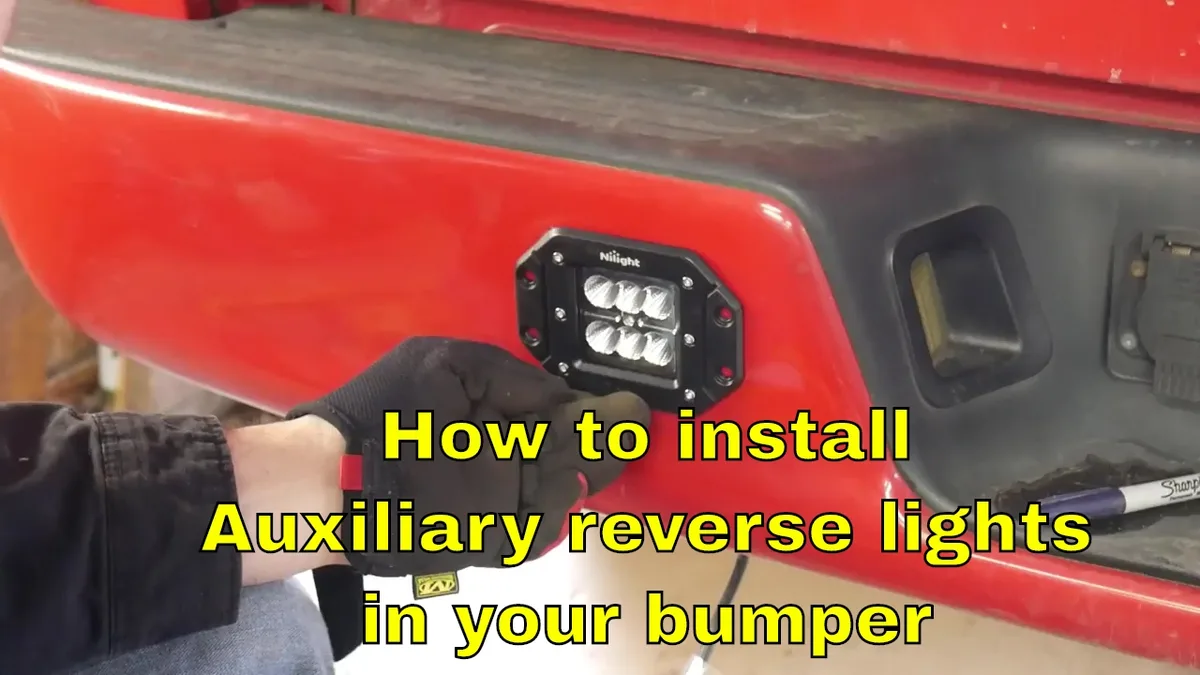
Massachusetts caps auxiliary light height at 54 inches from the ground. Measure from the center of the light to the road surface.
Bing (Web (fair-use with source credit))
Mounting location matters just as much as height. Lights must not obstruct the driver’s view, be placed where they could blind oncoming traffic, or extend beyond the vehicle’s width.
Roof mounts are common but risk exceeding height limits on lifted trucks. Bumper or grille mounts are safer for most vehicles. Always check your setup with a tape measure before hitting the road.
Wiring and Switch Requirements for Compliance
Your light bar needs a proper wiring harness to be street-legal. Temporary or jury-rigged setups won’t pass inspection.
Key requirements:
- Must be connected to the vehicle’s electrical system
- Must have a fuse and relay for safety
- Must be controlled by a switch accessible to the driver
Avoid wiring that taps into critical systems like headlights or turn signals. This can cause electrical issues and may violate state laws. Use a dedicated circuit for auxiliary lights.
How to Make Your Light Bar Street-Legal in Massachusetts
Start with the right light bar. Choose one with a focused beam pattern and white or amber LEDs. Avoid flood beams or colored lights.
Next, mount it correctly. Keep it under 54 inches and aimed properly. Use a sturdy mount that won’t vibrate loose.
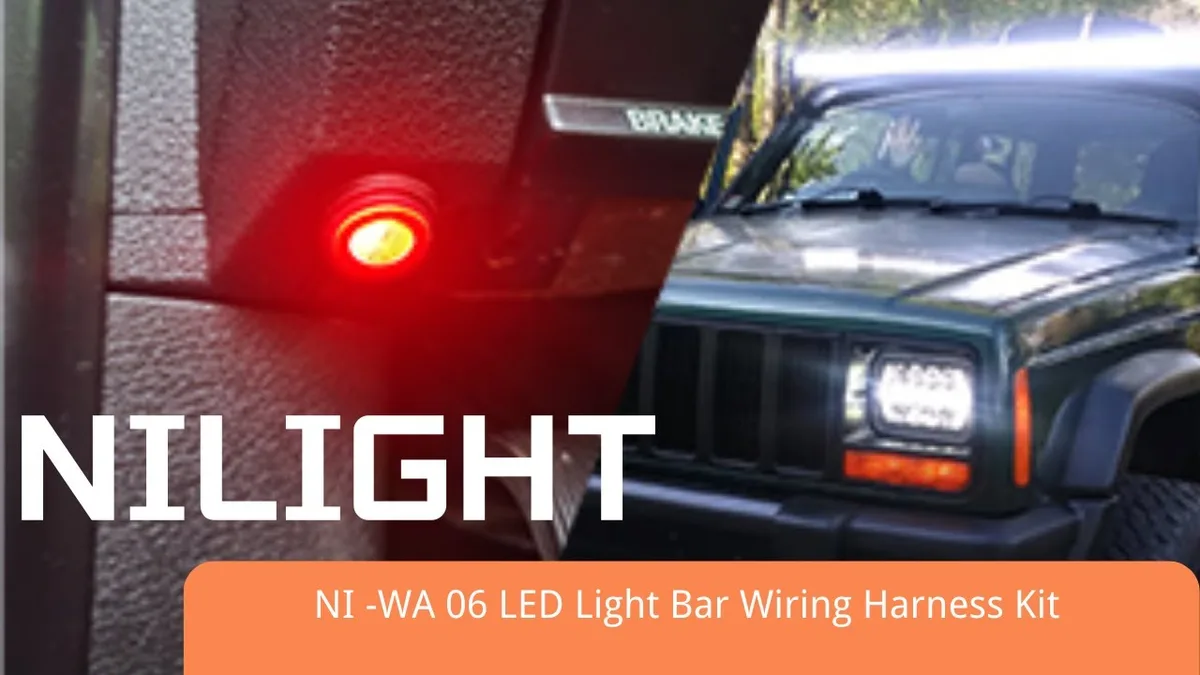
Finally, wire it properly. Use a relay harness with a fuse. Install a switch inside the cab for easy control.
If your current setup doesn’t meet these standards, you’ll need to modify it or remove non-compliant lights before driving on public roads.
Common Mistakes That Get You Pulled Over
The most frequent violations involve color and beam pattern. Blue or red lights are emergency-only. Flood beams often blind other drivers.
Height is another common issue. Many lifted trucks exceed the 54-inch limit with roof-mounted light bars. Measure carefully.
Improper wiring can also cause problems. Temporary connections or poor grounding may fail inspection. Always use a proper harness.
What Happens If You Break the Rules?
Non-compliant auxiliary lights can result in a fix-it ticket. You’ll typically have a set period to correct the issue and return for inspection.
More serious violations may lead to immediate fines. These often involve lights that blind other drivers or use emergency colors.
Repeated violations can result in higher penalties. In extreme cases, you might face points on your license.
Exemptions: Emergency, Construction, and Special Vehicles
Emergency vehicles get broader lighting privileges under Massachusetts law. Police, fire trucks, and ambulances can use red and blue lights. These are strictly prohibited for civilian vehicles.
Construction and utility vehicles may use amber lights when working. This includes tow trucks, road maintenance vehicles, and some commercial equipment. The lights must be amber and used only during active work.
Farm equipment and slow-moving vehicles have their own rules. They often use amber flashing lights to signal their presence. These are exempt from standard auxiliary lighting restrictions.
Step-by-Step: Installing a Compliant Light Bar
Start by selecting a highway-legal light bar. Choose white or amber LEDs with a spot or driving beam pattern. Avoid flood beams or colored lights.
YouTube / Nilight (YouTube thumbnail (fair-use with source credit))
Mount the light bar under 54 inches from the ground. Use a sturdy mount that won’t vibrate loose. Ensure it doesn’t obstruct your view or extend beyond your vehicle’s width.
Wire the light bar properly. Use a relay harness with a fuse. Connect it to your vehicle’s electrical system.
Install a switch inside the cab for easy control.
Aim the light bar correctly. Spot beams should be level or slightly downward. Driving beams can be slightly wider but still focused.
Test the lights in a dark area to ensure they don’t blind oncoming traffic.
FAQs About Massachusetts Light Bar Laws
Are light bars legal in Massachusetts?
Yes, but only if they meet state regulations. They must be white or amber, under 54 inches high, and properly aimed.
Can I use a flood beam light bar on the highway?
No. Flood beams scatter light widely and can blind other drivers. Massachusetts requires focused beam patterns like spot or driving for highway use.
What’s the maximum height for auxiliary lights in MA?
54 inches from the ground to the center of the light. This applies to all forward-facing auxiliary lights, including light bars.
Can I use red or blue lights on my truck?
No. Red and blue lights are reserved for emergency vehicles only. Civilian vehicles cannot use these colors under any circumstances.
What happens if my light bar fails inspection?
You’ll get a rejection sticker and a list of required fixes. Correct the issues and return for a re-inspection. Driving with non-compliant lights can result in fines.