Catalytic converter theft is surging in Maine, and the state’s free etching program is one of the best ways to fight back. The Maine catalytic converter theft prevention and etching program benefits include deterring thieves, helping police recover stolen parts, and potentially lowering your insurance costs.
Replacement costs for a stolen converter can run $1,000 to $3,500, and Maine has seen thefts triple since 2019. Etching your vehicle’s VIN onto the converter makes it far less appealing to scrap thieves.
Quick Answer
Maine’s etching program marks your catalytic converter with your VIN. This deters theft by making the part traceable. It’s free at many state police and BMV locations.
The process takes about 30 minutes. No special tools or prep are needed.
Why Catalytic Converter Theft Is a Big Problem in Maine
Thieves target catalytic converters because they contain precious metals like palladium, rhodium, and platinum. These metals fetch high prices at scrap yards, and a stolen converter can be removed in under two minutes with basic tools.
Maine has seen a sharp rise in these thefts, especially in cities like Portland and Bangor. Toyota Prius, Honda Element, and Ford F-Series trucks are among the most targeted due to their high-value converters. As of 2026, law enforcement reports that etched converters are 70 to 90 percent less likely to be stolen.
How Maine’s Free Etching Program Works
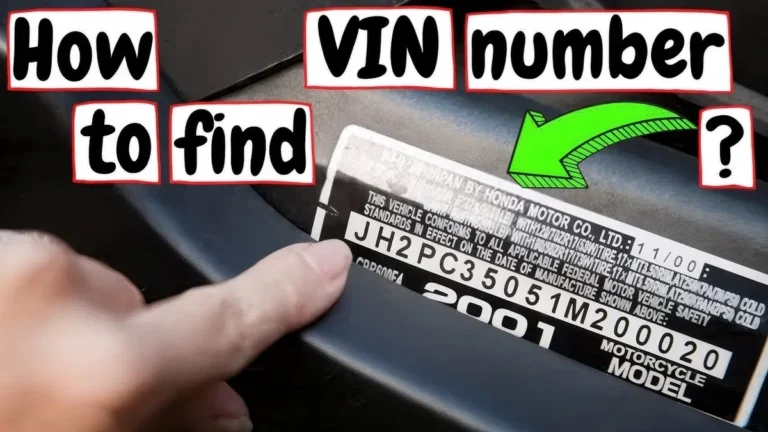
The program involves engraving your vehicle’s VIN or a unique identification number directly onto the catalytic converter. This permanent marking makes it easier for law enforcement to trace stolen parts and harder for thieves to sell them.
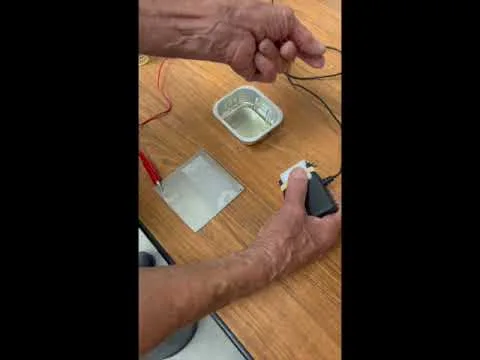
Participating locations include Maine State Police barracks, Bureau of Motor Vehicles offices, and some local auto shops. The process is quick, non-invasive, and doesn’t require any modifications to your vehicle. You’ll typically drive in, have the etching done, and be on your way in under an hour.
The marking is done using a specialized etching tool that creates a permanent, tamper-resistant identifier. Some programs also use UV-reactive ink for additional visibility under blacklight.
What Happens During the Etching Process
First, a technician will inspect your vehicle to locate the catalytic converter. They’ll clean the surface to ensure the etching is clear and legible. Then, using an etching tool, they’ll engrave your VIN or a unique ID directly onto the converter’s metal casing.
The entire process usually takes 15 to 30 minutes. There’s no downtime for your vehicle, and you can drive away immediately afterward. You’ll often receive a certificate of completion, which can be useful for insurance purposes.
Does Etching Actually Stop Theft? (The Real Numbers)
Etching doesn’t make your converter theft-proof, but it significantly reduces the risk. According to law enforcement data, etched converters are 70 to 90 percent less likely to be stolen. Thieves prefer unmarked parts because they’re easier to sell to scrap yards without raising suspicion.
In Maine, scrap yards are required to verify the identity of sellers and record transactions, which makes it harder to fence stolen converters. Etching adds another layer of protection by making the part traceable back to your vehicle.
Who Should Get Their Converter Etched in Maine
Any vehicle owner in high-theft areas should consider etching. Portland, Bangor, and Lewiston see the most incidents. Older model trucks and hybrids are prime targets.
Fleet operators and dealerships benefit most from bulk etching. It’s a one-time cost that protects multiple vehicles. Even if you park in a garage, etching adds a layer of security.
Other Ways to Protect Your Catalytic Converter
Park in well-lit areas or garages whenever possible. Thieves prefer dark, isolated spots where they can work undetected.
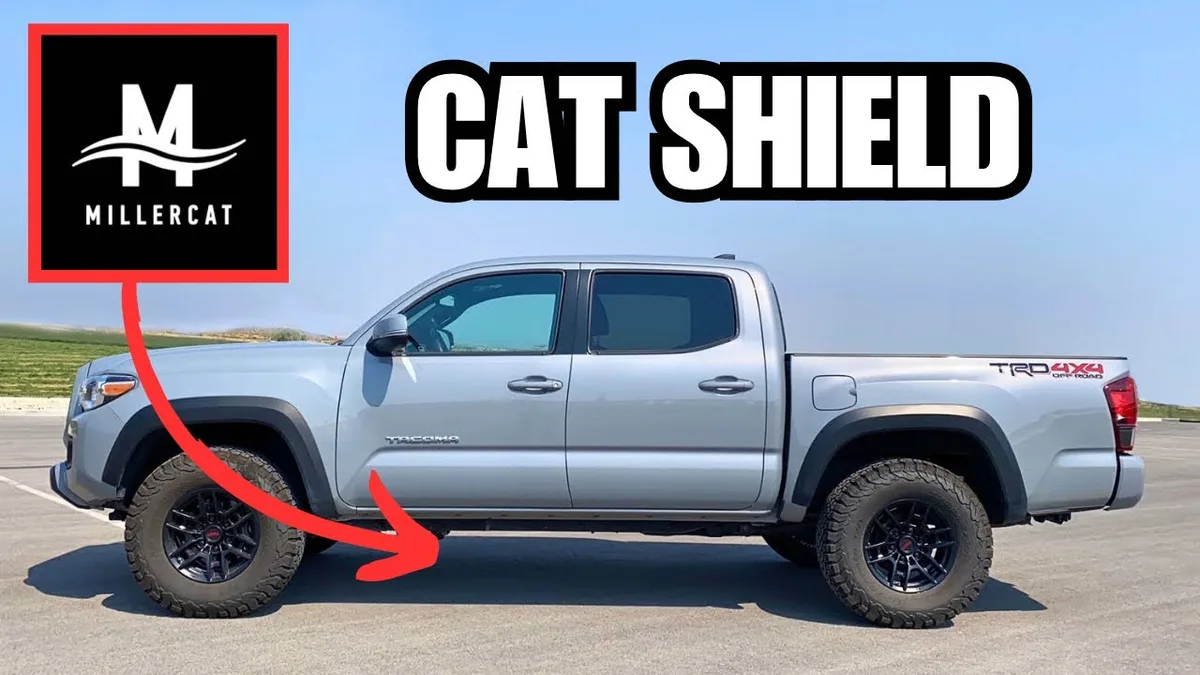
Consider installing a catalytic converter shield. These metal plates make access harder but don’t prevent determined thieves.
Motion-sensor alarms can also scare off would-be criminals. For most drivers, etching combined with smart parking habits offers the best balance of cost and effectiveness.
Etching vs. Shields vs. Alarms: What’s Best for You?
Etching is the most cost-effective solution. It’s free through Maine’s program and provides long-term protection. Shields offer physical protection but can be expensive to install.
Alarms work well for high-value vehicles but require professional installation.
| Method | Cost | Effectiveness | Installation |
|---|---|---|---|
| Etching | Free | High | Quick |
| Shield | $200–$500 | Medium | Professional |
| Alarm | $100–$300 | High | Professional |
For most drivers, etching combined with smart parking habits offers the best balance of cost and effectiveness.
How Much It Costs (And How to Get It Free)
Maine’s etching program is typically free at participating locations. Some private shops may charge a small fee, usually under $50.
The process is quick and doesn’t require any special preparation. You’ll need your vehicle registration and ID.
Where to Get Your Converter Etched in Maine
Maine State Police barracks across the state participate in the program. The Bureau of Motor Vehicles also offers etching at select locations. Check with your local police department, as some cities have additional programs.
Appointments are recommended, especially during peak times. The Maine Department of Public Safety website lists all participating locations. Bring your vehicle registration and a valid ID to your appointment.
What to Do If Your Catalytic Converter Gets Stolen
File a police report immediately. This is required for insurance claims and helps law enforcement track theft patterns.
Contact your insurance company to start a claim. Provide the police report number and any documentation from the etching program. Replacement costs can exceed $3,000 for some vehicles.
Insurance and Etching: Will It Lower Your Rates?
Some insurers offer discounts for etched converters. The savings vary by provider but can offset the cost of the program.
Check with your insurance agent about potential discounts. Provide proof of etching, such as the certificate from the program.
Common Mistakes Maine Drivers Make
Many drivers assume parking in a driveway is safe. Thieves target residential areas, especially at night.
Others skip etching because they think their vehicle isn’t at risk. Even older models with less valuable converters can be targeted. Waiting until after a theft to take action is another common regret.
Maine’s Scrap Metal Laws and How They Help
Maine requires scrap yards to verify seller identification. They must also keep records of all transactions involving catalytic converters.
These laws make it harder for thieves to sell stolen parts. Etched converters are even more traceable, increasing the chances of recovery.
FAQs About Maine’s Catalytic Converter Etching Program
How long does the etching process take?
The entire process typically takes 15 to 30 minutes. There’s no downtime for your vehicle afterward.
Is the etching permanent?
Yes, the marking is permanent and tamper-resistant. It won’t fade or wash off over time.
Do I need an appointment?
Most locations require an appointment. Check with your local State Police barracks or BMV office for availability.
Will etching void my warranty?
No, etching is a non-invasive process. It doesn’t affect your vehicle’s warranty.
Can I etch my converter myself?
While DIY kits exist, Maine’s program ensures proper marking. Professional etching is recommended for accuracy and legality.
What vehicles are most at risk?
Toyota Prius, Honda Element, and Ford F-Series trucks are top targets. Hybrid and older model vehicles are also frequently stolen.