ByMax Lee
Michigan VIN Verification for Out-of-State Title Transfers
YouTube / 13 ON YOUR SIDE (YouTube thumbnail (fair-use with source credit))
Transferring an out-of-state title in Michigan can hit a snag if you don’t know the VIN verification rules. The Michigan VIN verification requirements for out of state title transfers depend on where the car came from, its title status, and even its age. Get it wrong, and you’ll be turned away at the Secretary of State.
As of 2026, Michigan waives VIN verification for clean titles from Ohio, Indiana, Wisconsin, and Illinois. For everyone else, a physical inspection is usually required before the title transfer can move forward.
Quick Answer
Michigan requires VIN verification for most out-of-state title transfers. Exceptions apply to clean titles from Ohio, Indiana, Wisconsin, and Illinois. Verification costs $5 at a SOS branch.
Salvage or rebuilt titles always need inspection.
When Michigan Requires VIN Verification (and When It Doesn’t)
The rule isn’t one-size-fits-all. Michigan skips VIN verification for vehicles with clean titles from four neighboring states: Ohio, Indiana, Wisconsin, and Illinois. If your title comes from any other state, you’ll need verification.

YouTube / Robert DIY (YouTube thumbnail (fair-use with source credit))
Vehicles with salvage, rebuilt, or bonded titles always require verification, no matter where they’re from. The same goes for any car without a title or with a title that doesn’t match the VIN on the vehicle. Michigan’s Secretary of State enforces this to prevent fraud and ensure the vehicle isn’t stolen.
Age matters too. Vehicles 10 years old or newer from non-exempt states typically need verification. Older vehicles may still require it if the title is questionable or missing.
The 3 Types of Out-of-State Title Transfers That Change the Rules
Not all title transfers follow the same path. Here’s how the process splits:
Clean Title from Exempt States (OH, IN, WI, IL)
No VIN verification needed. Just bring the title, proof of insurance, and ID to a SOS branch.
Clean Title from Non-Exempt States
VIN verification is required. You’ll need to visit a SOS office, law enforcement agency, or licensed dealer for inspection.
Salvage, Rebuilt, or Bonded Titles
Always require verification. Salvage vehicles must pass a Michigan State Police inspection before they can be titled as rebuilt.
Step-by-Step: How to Get a VIN Verification in Michigan
Start by locating your VIN. It’s usually on the dashboard near the windshield, the driver’s side door jamb, or the engine block. Write it down and compare it to the VIN on your out-of-state title.
If they don’t match, you’ll need to resolve the discrepancy before proceeding.
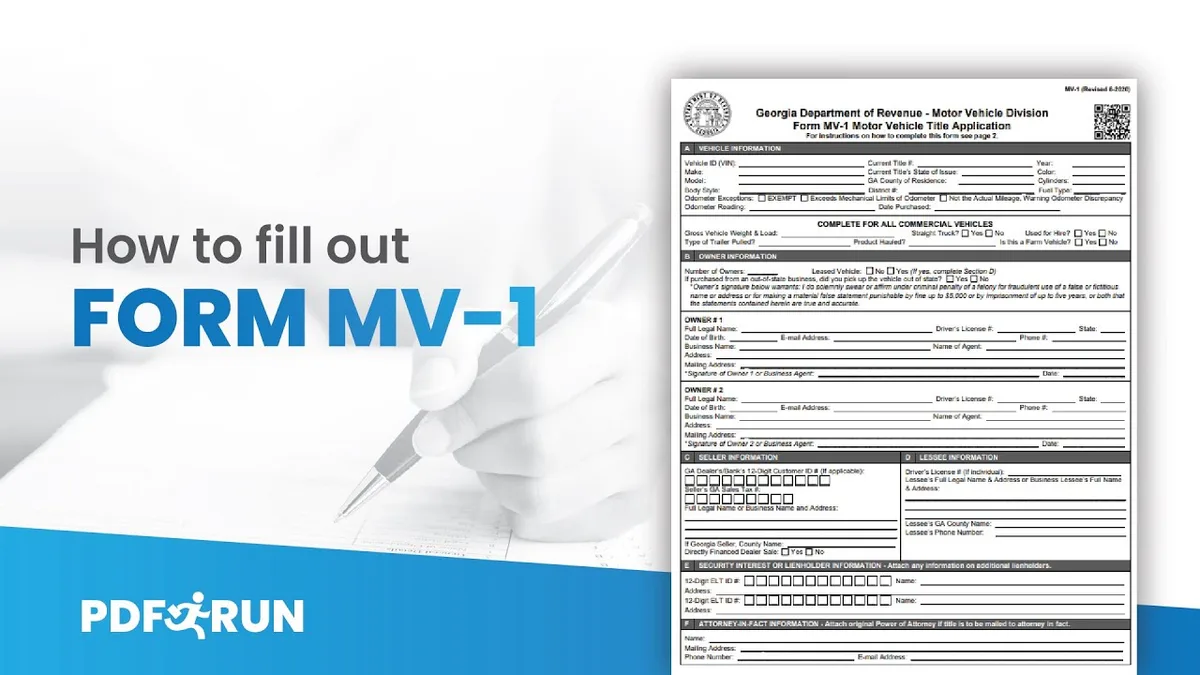
YouTube / PDFRUN (YouTube thumbnail (fair-use with source credit))
Next, gather your documents:
- Out-of-state title (or manufacturer’s certificate of origin for new vehicles)
- Proof of insurance
- Your ID
- Lien release (if applicable)
- Odometer disclosure statement
Take these to a Michigan SOS branch, a law enforcement agency, or a licensed dealer. They’ll inspect the VIN and complete the verification. Fill out Form TR-11L (Application for Title) and pay the $5 verification fee plus the $15 title transfer fee.
If you’re transferring a salvage or rebuilt title, you’ll need an additional inspection by the Michigan State Police. This ensures the vehicle meets safety standards before it can be registered.
Salvage, Rebuilt, or Bonded Titles: Extra Steps You Can’t Skip
Salvage and rebuilt titles come with stricter rules. Michigan requires a physical inspection by the State Police to confirm the vehicle’s identity and roadworthiness. You’ll need to schedule this separately from your SOS visit.
YouTube / Kingley Auto (YouTube thumbnail (fair-use with source credit))
For bonded titles, you’ll need to provide a surety bond equal to the vehicle’s value. This protects against potential ownership disputes. Once the bond is in place, you can proceed with the VIN verification and title transfer.
If you’re dealing with a salvage vehicle, you’ll first need to apply for a salvage title in Michigan. Only after it passes the State Police inspection can it be issued a rebuilt title and registered for road use. Skipping this step can result in fines or the inability to legally drive the vehicle.
For more on handling vehicles with unclear ownership, see our guide on abandoned vehicle laws.
Where to Get Your VIN Verified (and What to Bring)
You have three options for VIN verification in Michigan. SOS branches do it on the spot for a $5 fee. Local law enforcement agencies can also perform the inspection, often for free.
Licensed dealers are the third option. They’re useful if you’re buying from a dealer who handles the paperwork for you.
Bring these items every time:
- The vehicle
- Out-of-state title or registration
- Your ID
- Proof of insurance
- Payment for fees
If the VIN is hard to read or missing, you’ll need to explain why. Michigan won’t verify a vehicle with a tampered or altered VIN.
Costs, Fees, and Processing Times
Here’s the breakdown as of 2026:
| Fee Type | Cost |
|---|---|
| Title Transfer | $15 |
| VIN Verification | $5 |
| Salvage Inspection | $50 |
| Expedited Title | $10 extra |
Standard processing takes 1 to 2 weeks. Expedited titles are ready in 3 to 5 business days. Salvage inspections may add another week depending on State Police availability.
Late transfers can incur penalties. Michigan charges a $10 late fee if you don’t transfer the title within 15 days of establishing residency.
Common Mistakes That Get Your Transfer Rejected
The most frequent issue is mismatched VINs. The number on the title must match the one on the vehicle. Even a single digit off means automatic rejection.
Missing paperwork is another top reason. You need the title, proof of insurance, and ID at minimum. Forget the odometer disclosure for vehicles under 10 years old, and you’ll be sent home.
Salvage vehicles without State Police inspection are always turned away. The same goes for rebuilt titles missing the proper documentation.
Neighboring State Exemptions: Ohio, Indiana, Wisconsin, and Illinois
Vehicles from these four states get a pass on VIN verification if they have a clean title. The exemption exists because Michigan trusts their title systems.
You still need to visit a SOS branch to complete the transfer. Bring the title, proof of insurance, and ID. The $15 title transfer fee still applies.
This exemption doesn’t cover salvage or rebuilt titles. Those always require verification regardless of origin.
What If You Don’t Have the Title?
You’ll need to get a replacement from the state that issued it. Most states offer duplicate title services for a small fee.
If the title is lost and the vehicle is from a non-exempt state, you’ll need a bonded title. This requires a surety bond equal to the vehicle’s value. The bond protects against ownership disputes.
For vehicles with no title history, Michigan may require additional documentation. This could include a court order or a bill of sale chain showing ownership. Without proper paperwork, you won’t be able to register the vehicle.
Dealer vs. Private Seller: How the Process Differs
Dealers handle most of the paperwork for you. They’ll verify the VIN, complete Form TR-11L, and submit it to the SOS. You just sign and pay the fees.
Private sales put the burden on you. You’ll need to visit a SOS branch or law enforcement agency for verification. Bring all documents yourself.
Dealers often charge a doc fee on top of state fees. Private sales only pay the $15 title transfer and $5 verification fees.
FAQs About Michigan Out-of-State Title Transfers
Do I need a VIN verification for a used car from Ohio?
No. Michigan waives VIN verification for clean titles from Ohio, Indiana, Wisconsin, and Illinois.
How much does a Michigan title transfer cost?
The title transfer fee is $15. VIN verification adds $5. Salvage inspections cost $50.
Can I transfer a title without the VIN verification?
Only if the vehicle has a clean title from Ohio, Indiana, Wisconsin, or Illinois. All others require verification.
What if my VIN doesn’t match the title?
You’ll need to resolve the discrepancy before Michigan will process the transfer. This may require a corrected title from the issuing state.
How long does a Michigan title transfer take?
Standard processing takes 1 to 2 weeks. Expedited titles are ready in 3 to 5 business days.
Do I need insurance to transfer a title in Michigan?
Yes. Proof of insurance is required for all title transfers.