ByMax Lee
Michigan Salvage Title Requirements Explained
If your car’s been totaled or heavily damaged in Michigan, you need to know the exact rules for salvage titles. The Michigan salvage title requirements for wrecked or destroyed vehicles apply when damage hits a specific cost threshold or when an insurer declares it a total loss.
Michigan brands a vehicle as salvage if repairs would cost at least $1,000 or 75% of its fair market value, whichever is higher. This isn’t just paperwork, it affects whether you can legally drive, sell, or rebuild the car.
YouTube / Jamie Clark (YouTube thumbnail (fair-use with source credit))
Quick Answer
Michigan salvage title requirements for wrecked or destroyed vehicles apply when damage exceeds $1,000 or 75% of the car’s value. Insurers must report total losses to the Secretary of State. Owners keeping wrecked cars must surrender the title for a salvage brand.
Rebuilt vehicles need an inspection before road use.
Does Your Michigan Vehicle Need a Salvage Title?
Your vehicle triggers a salvage title if the estimated repair cost meets or exceeds $1,000. That’s the hard threshold set by Michigan law, regardless of the car’s age or condition.
An insurer’s total-loss declaration also forces a salvage brand, even if repairs would cost less. If you’re keeping the wreck, you’ll handle the title transfer yourself. If the insurer takes it, they’ll submit the paperwork to the Michigan Secretary of State.
The $1,000 Damage Threshold and Other Triggers
Michigan uses a two-part test for salvage branding. First, the repair estimate must hit $1,000 or more. Second, if the insurer declares it a total loss, the title gets branded no matter the repair cost.
Other triggers include:
- Theft recovery with damage exceeding the $1,000 threshold
- Flood or fire damage that makes the vehicle unsafe or uneconomical to repair
- Out-of-state vehicles with existing salvage or rebuilt brands

Wikimedia Commons / Royal Air Force official photographer, Hensser H (Mr)
The $1,000 rule is absolute. Even minor-looking damage can push a car into salvage status if parts and labor add up. Older cars with lower market values may hit the 75% threshold faster.
How Michigan Defines a Salvage Vehicle
A salvage vehicle is any car, truck, or motorcycle that meets the damage cost or total-loss criteria. The definition includes vehicles that can’t be safely operated without major repairs.
Michigan also recognizes non-repairable vehicles. These are wrecks so severely damaged that they can only be scrapped or used for parts. Once branded non-repairable, the vehicle can never be titled for road use again.
The state doesn’t consider cosmetic damage alone. The $1,000 threshold applies to mechanical and structural repairs needed to make the vehicle safe and operational.
Insurance Total Loss vs. Owner-Retained Wrecks
If your insurer declares the vehicle a total loss, they’ll typically take possession and handle the salvage title process. You’ll receive a settlement, and the insurer submits the total-loss notice to the Secretary of State.
If you choose to keep the wreck, the process changes. You’ll need to:
- Notify your insurer of your intent to retain the vehicle
- Obtain a salvage title in your name
- Surrender the original title to the Secretary of State
Owner-retained wrecks still need the salvage brand. You can’t skip this step, even if you plan to rebuild the car immediately. The salvage title must be in place before any repairs begin.
Step-by-Step: Getting a Salvage Title in Michigan
If Your Insurer Declares It a Total Loss
The insurer files a Notice of Total Loss with the Secretary of State. They’ll also request a salvage title in their name if they’re taking possession.
You’ll receive a copy of the salvage title if you’re keeping the vehicle. If the insurer takes it, they’ll handle the title transfer to a salvage pool or auction.
If You’re Keeping and Repairing It Yourself
You must apply for a salvage title within 15 days of the total-loss declaration. Submit the following to a Secretary of State branch:
- Completed Application for Salvage Title (Form TR-12)
- Original vehicle title
- Proof of ownership (if the title is missing)
- $15 salvage title fee
The Secretary of State will issue a salvage title with a “Salvage” brand. This title can’t be used for registration until the vehicle passes a rebuilt inspection.
If the Vehicle Came from Out of State
Out-of-state salvage or rebuilt titles are recognized in Michigan. You’ll need to:
- Submit the out-of-state title to the Secretary of State
- Pay the $15 salvage title fee
- Provide a VIN inspection if the vehicle hasn’t been titled in Michigan before
Michigan will issue a new salvage title with the appropriate brand. If the out-of-state title was already rebuilt, you’ll need to pass Michigan’s rebuilt inspection before registering the vehicle.
Rebuilding a Salvage Vehicle in Michigan
You can’t legally drive a salvage-titled vehicle until it passes a rebuilt inspection. This ensures the car meets safety standards after repairs.
Start by documenting every part and repair. Keep receipts for all major components, especially airbags, frames, and engines. The state requires proof that the vehicle was rebuilt with proper parts.
YouTube / Kingley Auto (YouTube thumbnail (fair-use with source credit))
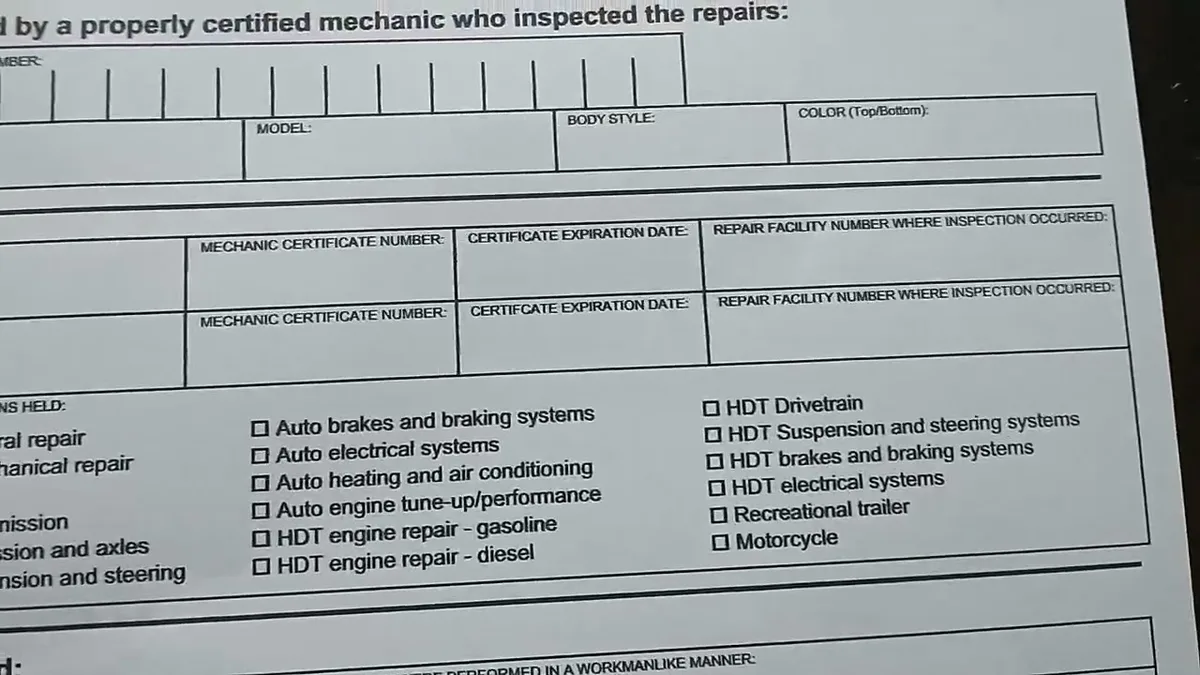
Schedule the inspection at a Michigan State Police post or approved station. Bring the salvage title, repair receipts, and the vehicle. The inspector will verify the VIN, check for stolen parts, and confirm the repairs.
If it passes, you’ll get a rebuilt title. This removes the salvage brand but adds a “Rebuilt” notation. The process typically takes 1 to 2 weeks for paperwork.
Salvage Title vs. Rebuilt Title: What’s the Difference?
A salvage title means the vehicle was declared a total loss or damaged beyond the $1,000 threshold. It’s not legal to drive until rebuilt and inspected.
A rebuilt title proves the vehicle passed Michigan’s safety inspection after repairs. It can be registered and driven, but the rebuilt brand stays on the title permanently.

YouTube / Flipping Cars 4 Fun (YouTube thumbnail (fair-use with source credit))
Insurance companies often charge higher premiums for rebuilt titles. Some may refuse coverage altogether. Always disclose the rebuilt status when selling.
Common Mistakes That Delay or Block Your Title
Skipping the salvage title step is the biggest error. Even if you plan to rebuild immediately, the vehicle must be branded salvage first.
Another common issue is incomplete repair documentation. Without receipts for major parts, the inspector may reject the rebuilt application. Always keep detailed records.
Using non-OEM or salvaged parts without proper documentation can also cause problems. Michigan requires proof that all parts are legally obtained and properly installed.
Costs, Fees, and Timelines You Should Expect
The salvage title fee is $15. The rebuilt inspection fee is typically $50, but this can vary by location.
Timelines depend on repair complexity and inspection availability. Simple rebuilds may take a few weeks. Extensive repairs can stretch the process to months.
Here’s a quick breakdown:
| Fee Type | Cost | Notes |
|---|---|---|
| Salvage Title | $15 | One-time fee |
| Rebuilt Inspection | ~$50 | Varies by station |
| Registration | Standard fees | After rebuilt title issued |
Selling or Registering a Salvage or Rebuilt Vehicle
You can sell a salvage-titled vehicle, but you must disclose the salvage brand to the buyer. This is a legal requirement in Michigan.
For rebuilt titles, the disclosure must include the rebuilt status. The new owner will need to see the rebuilt title and inspection paperwork.
Registration requires the rebuilt title and proof of insurance. Some insurers won’t cover rebuilt vehicles, so shop around before registering.
Michigan-Specific Rules You Won’t Find Elsewhere
Michigan treats flood-damaged vehicles differently than collision wrecks. If a car was submerged in water, it automatically gets a salvage brand, regardless of repair cost.
The state also has a unique rule for stolen vehicles. If a car is recovered after being stolen and the damage meets the $1,000 threshold, it must be branded salvage, even if the owner never filed a claim.
Out-of-state vehicles with salvage brands keep their status when registered in Michigan. The state doesn’t re-inspect these vehicles unless they’re being rebuilt for road use.
FAQs About Michigan Salvage Titles
What’s the minimum damage amount for a salvage title in Michigan?
The threshold is $1,000 in repair costs or 75% of the vehicle’s fair market value, whichever is higher. This applies to all passenger vehicles, trucks, and motorcycles.
Can I drive a car with a salvage title in Michigan?
No. A salvage-titled vehicle cannot be legally driven until it passes a rebuilt inspection and receives a rebuilt title.
How long does the rebuilt inspection take?
The inspection itself takes about 30 to 60 minutes. Processing the rebuilt title typically adds 1 to 2 weeks for paperwork.
Do I need to disclose a salvage title when selling?
Yes. Michigan law requires you to disclose the salvage brand to any potential buyer. Failure to do so can result in legal penalties.
Can I get full coverage insurance on a rebuilt title?
Most insurers offer liability coverage, but comprehensive and collision coverage may be limited or more expensive. Some companies won’t insure rebuilt titles at all.
Final Checklist: What to Do Next
Confirm your vehicle meets the $1,000 damage threshold or total-loss criteria. If it does, start the salvage title process immediately.
Gather all necessary documents, including the original title, repair estimates, and insurance paperwork. Submit these to the Secretary of State for your salvage title.
If rebuilding, document every repair and part. Schedule your rebuilt inspection once the work is complete.
For out-of-state vehicles, verify the title brand transfer requirements. Michigan recognizes other states’ salvage brands but may require additional steps.
Confirm your vehicle meets the $1,000 damage threshold or total-loss criteria. If it does, start the salvage title process immediately.
Gather all necessary documents, including the original title, repair estimates, and insurance paperwork. Submit these to the Secretary of State for your salvage title.
If rebuilding, document every repair and part. Schedule your rebuilt inspection once the work is complete.
For out-of-state vehicles, verify the title brand transfer requirements. Michigan recognizes other states’ salvage brands but may require additional steps.