ByMax Lee
Michigan Trailer Towing Safety Chain & Lighting Rules
Towing a trailer in Michigan without the right safety setup isn’t just risky, it’s illegal. The Michigan trailer towing safety chain and lighting equipment requirements exist to prevent accidents and keep you compliant with state law. Miss a detail, and you could face fines or worse, a detached trailer on the highway.
Per Michigan Vehicle Code, your trailer must have safety chains rated for its gross weight and a full lighting system that includes brake lights, turn signals, and reflectors. As of 2026, these rules apply whether you’re hauling a boat to Lake Michigan or a utility trailer across Detroit.
Quick Answer
Michigan requires safety chains rated for your trailer’s gross weight. You must cross them under the tongue. All trailers need tail lights, brake lights, turn signals, and reflectors.
Trailers over 3,000 lbs require a breakaway brake system.
YouTube / Ford Motor Company (YouTube thumbnail (fair-use with source credit))
Why Michigan’s Trailer Towing Safety Rules Matter
Trailer detachment is a leading cause of towing accidents. Safety chains act as a backup if the hitch fails, while proper lighting ensures other drivers see your signals.
Michigan enforces these rules strictly, with fines up to $200 for non-compliance. The state’s regulations align with the National Highway Traffic Safety Administration’s towing safety guidelines.
Michigan’s Safety Chain Requirements (What You Must Have)
Michigan law mandates safety chains for all trailers. They must be rated for the trailer’s gross weight and crossed under the tongue to create a cradle.
- Material: Grade 70 or Grade 80 steel (no cables or ropes)
- Attachment: Crossed in an X-pattern under the trailer tongue
- Length: Short enough to prevent the tongue from hitting the road if detached, but long enough to allow turns
Manufacturer specs confirm that chains should have a breaking strength equal to or greater than the trailer’s loaded weight. For example, a 5,000-lb trailer needs chains rated for at least 5,000 lbs.
How to Properly Attach Safety Chains (Step-by-Step)
Start by identifying the trailer’s gross weight. This is usually listed on the trailer’s VIN plate or in the owner’s manual.
- Select the right chains. Use chains with a working load limit matching or exceeding your trailer’s weight.
- Cross the chains. Attach them to the tow vehicle’s frame or hitch in an X-pattern under the trailer tongue.
- Adjust the length. Leave enough slack for turns but not so much that the tongue can drag if detached.
- Test the connection. Pull forward slightly to ensure the chains are secure and the trailer doesn’t lift off the hitch.
A common mistake is attaching chains to the hitch ball or a weak point on the vehicle. Always use a sturdy frame or dedicated chain loops.
Trailer Lighting Equipment: What’s Legally Required in Michigan
Michigan requires all trailers to have a functioning lighting system. This includes tail lights, brake lights, turn signals, and reflectors.
- Tail lights: Red, visible from 500 feet at night
- Brake lights: Red, activated when the tow vehicle brakes
- Turn signals: Amber or red, visible from 300 feet in daylight
- Reflectors: Red on the rear, amber on the sides (for trailers over 80 inches wide)
- License plate light: White, illuminating the plate at night
Trailers over 80 inches wide also need clearance lights. These are amber on the front and red on the rear, marking the trailer’s width.
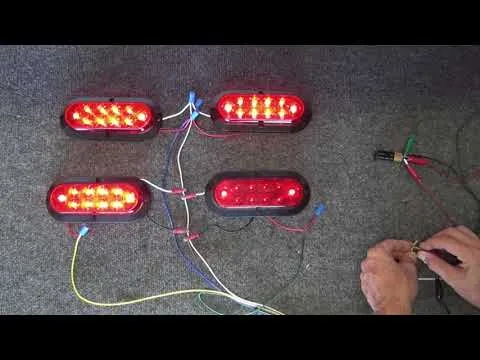
YouTube / Open Road Outfitters (YouTube thumbnail (fair-use with source credit))
For mobile businesses like a car wash operation, ensuring your trailer meets these lighting standards is critical for safe and legal transport.
Wiring Your Trailer Lights Correctly (4-Way vs. 7-Way)
The type of wiring connector you need depends on your trailer’s features. A 4-way plug handles basic lighting, while a 7-way plug adds support for brakes and auxiliary power.
| Feature | 4-Way Plug | 7-Way Plug |
|---|---|---|
| Tail lights | Yes | Yes |
| Brake lights | Yes | Yes |
| Turn signals | Yes | Yes |
| Electric brakes | No | Yes |
| Auxiliary power | No | Yes |
| Backup lights | No | Yes |
Most small trailers use a 4-way plug. Larger trailers with electric brakes or additional lighting require a 7-way plug.
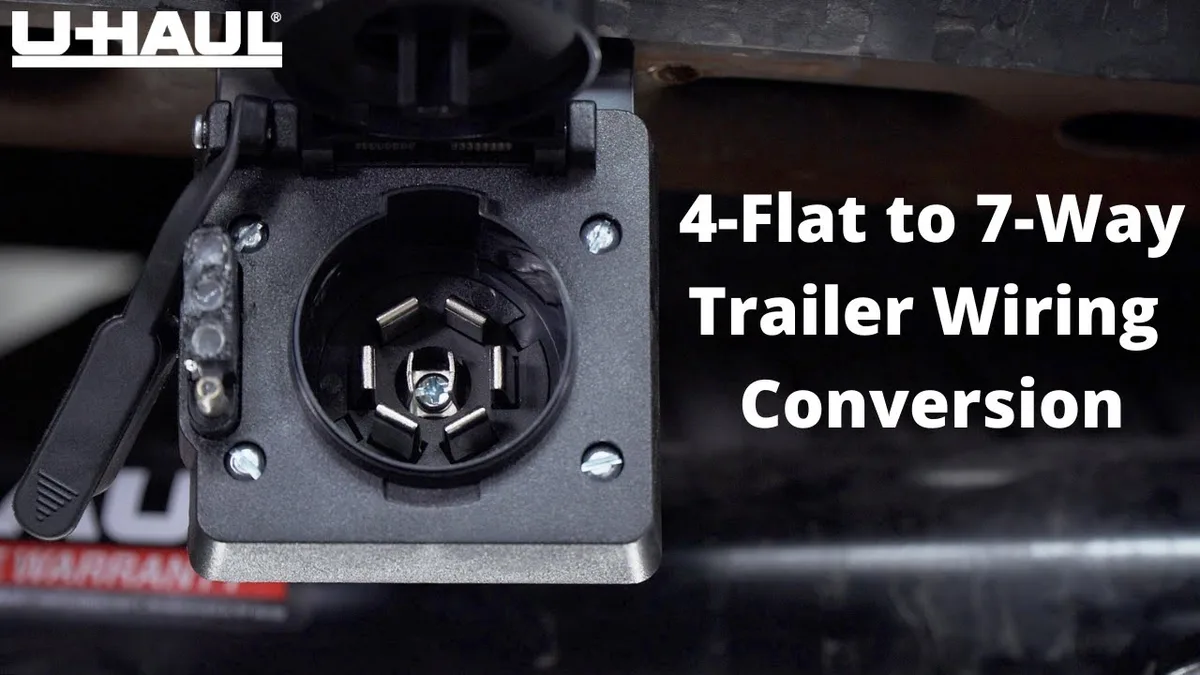
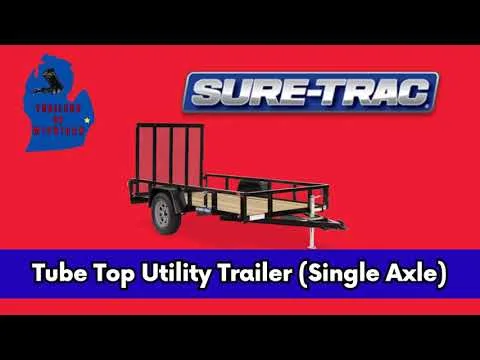
YouTube / U-Haul Trailer Hitches And Towing (YouTube thumbnail (fair-use with source credit))
When wiring, use dielectric grease on connections to prevent corrosion. Test all lights before hitting the road. If you're transporting vehicles, understanding temporary tag requirements can also be helpful for compliance.
Trailer Weight Classes and How They Affect Your Setup
Michigan groups trailers by weight, and each class has different rules. Trailers under 3,000 lbs need basic safety chains and lighting. Those between 3,000 and 10,000 lbs require a breakaway brake system.
Trailers over 10,000 lbs fall under commercial regulations. These often need additional lighting, reflectors, and sometimes CDL requirements for the driver.
Common Towing Mistakes That Get You Pulled Over in Michigan
Loose or improperly crossed safety chains are a top violation. Officers also check for non-functional lights or missing reflectors.
Another frequent issue is mismatched wiring. A 4-way plug won’t power electric brakes, which are required for heavier trailers. Always match your connector to your trailer’s needs.
Michigan’s Break-Away Brake Rules (When You Need Them)
Trailers over 3,000 lbs must have a breakaway brake system. This activates the trailer’s brakes if it detaches from the tow vehicle.
The system includes a cable attached to the tow vehicle. If the trailer disconnects, the cable pulls a pin, engaging the brakes. This prevents runaway trailers.
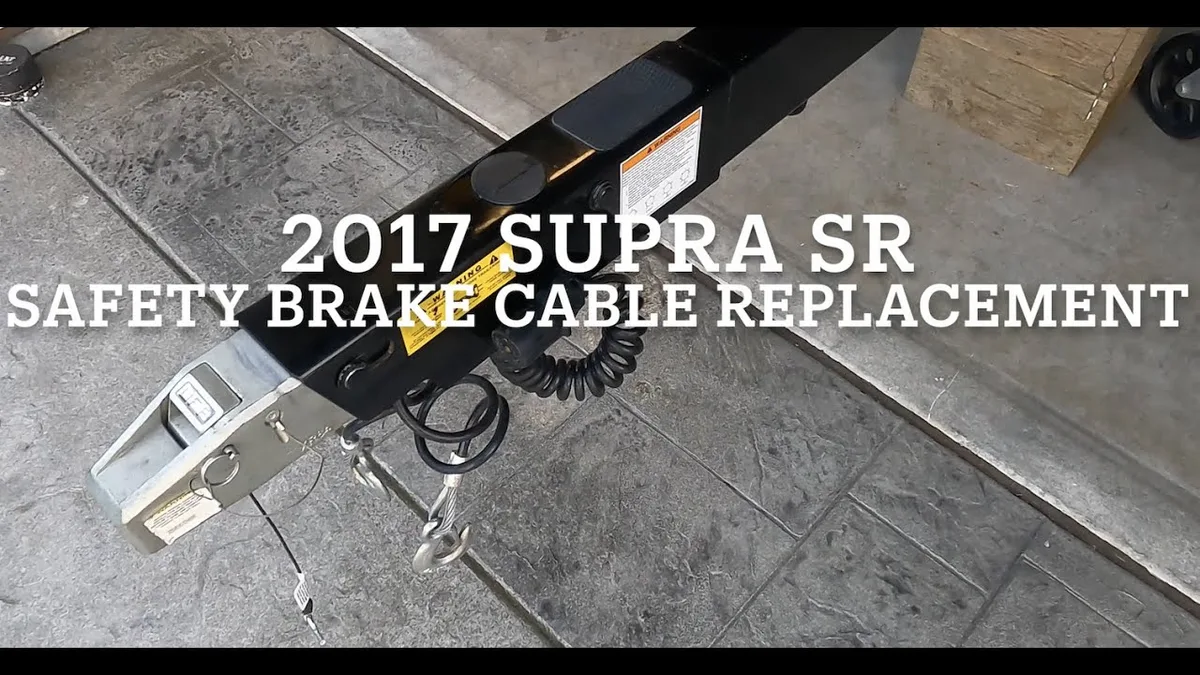
YouTube / From one DIY to another (YouTube thumbnail (fair-use with source credit))
Test the breakaway system before every trip. A common failure point is a seized or corroded cable.
Pre-Trip Towing Checklist (Avoid Fines and Accidents)
Start with the hitch and coupler. Ensure the ball size matches the coupler and the latch is secure.
Check safety chains for proper crossing and tension. Verify all lights, including brake and turn signals. Test the breakaway brake if equipped.
Finally, confirm your load is balanced. Too much weight at the rear can cause swaying. Too much at the front can lift the tow vehicle’s rear wheels.
Start with the hitch and coupler. Ensure the ball size matches the coupler and the latch is secure.
Check safety chains for proper crossing and tension. Verify all lights, including brake and turn signals. Test the breakaway brake if equipped.
Finally, confirm your load is balanced. Too much weight at the rear can cause swaying. Too much at the front can lift the tow vehicle’s rear wheels.
Winter Towing in Michigan: Extra Precautions for Chains and Lights
Salt and slush accelerate corrosion. Coat safety chains and electrical connections with dielectric grease before winter trips.
Check lights more frequently in cold weather. LED bulbs perform better in freezing temps than incandescent. Carry spare bulbs and fuses in case of failure.
Where to Find Official Michigan Towing Regulations
The Michigan Department of Transportation publishes the full towing requirements. Their website lists current laws for safety chains, lighting, and brake systems.
For the most accurate details, refer to the Michigan Vehicle Code, specifically MCL 257.719. Local DMV offices can also provide printed guides.
Frequently Asked Questions
Do I need safety chains if my trailer has a heavy-duty hitch?
Yes. Michigan requires safety chains on all trailers regardless of hitch type. They must be rated for the trailer’s gross weight.
Can I use a 4-way plug for a trailer with electric brakes?
No. Electric brakes require a 7-way plug to power the brake controller. A 4-way plug only handles basic lighting.
How often should I test my trailer lights?
Test all lights before every trip. Check connections and bulbs monthly if the trailer sits unused.
What’s the fine for non-compliant trailer lighting in Michigan?
Fines typically range from $50 to $200. Officers may also require you to fix the issue before continuing your trip.
Are LED trailer lights legal in Michigan?
Yes. LED lights are legal as long as they meet color and visibility requirements. They often outlast incandescent bulbs.
Do utility trailers need reflectors?
Yes. All trailers must have red rear reflectors and amber side reflectors if over 80 inches wide.