ByMax Lee
Are Radar Detectors Legal in Michigan for Trucks & Cars?
YouTube / Exclusive Tech Products (YouTube thumbnail (fair-use with source credit))
Michigan radar detector legality for passenger and commercial vehicles depends entirely on what you’re driving. The rules split cleanly: passenger cars can use them with restrictions, while commercial vehicles face a flat ban. That difference trips up many drivers, especially those who switch between personal and work trucks.
Per Michigan Vehicle Code and federal FMCSA regulations, the line is sharp. One wrong assumption can mean fines or confiscation, so knowing where you stand before using one is key.
Quick Answer
Radar detectors are legal for passenger vehicles in Michigan. They’re banned for all commercial vehicles under federal law. Windshield mounts are illegal for any driver due to obstruction rules.
Penalties include fines and device confiscation.
Michigan’s Radar Detector Laws Explained
Michigan allows radar detectors in personal cars, but mounting matters. The state follows the Michigan Vehicle Code, which doesn’t prohibit detectors for non-commercial use. However, placement can still cause legal issues.

YouTube / Michigan State Police (YouTube thumbnail (fair-use with source credit))
Police enforce speed limits using radar and LIDAR. While detectors can alert you to these, they don’t make you immune to tickets. The legality hinges on vehicle type and how the device is mounted.
If you’re pulled over, officers can confiscate a detector if it’s mounted improperly. The law treats obstruction of the driver’s view as a separate violation.
Why Commercial Vehicles Are Banned from Using Them
Federal law overrides state rules for commercial vehicles. The FMCSA explicitly prohibits radar detectors in any vehicle used for business, including trucks, buses, and delivery vans. This ban applies nationwide, including Michigan.

Wikimedia Commons / Dwight Burdette (CC BY)
The reasoning is safety and fairness. Commercial drivers face stricter standards due to vehicle size and weight. Radar detectors could encourage speeding, increasing accident risks.
Violations may result in fines and points against a commercial license.
Fleet operators and owner-operators should note this rule applies even if the vehicle is off-duty. The FMCSA’s stance leaves no room for exceptions.
The Windshield Mounting Rule for Passenger Cars
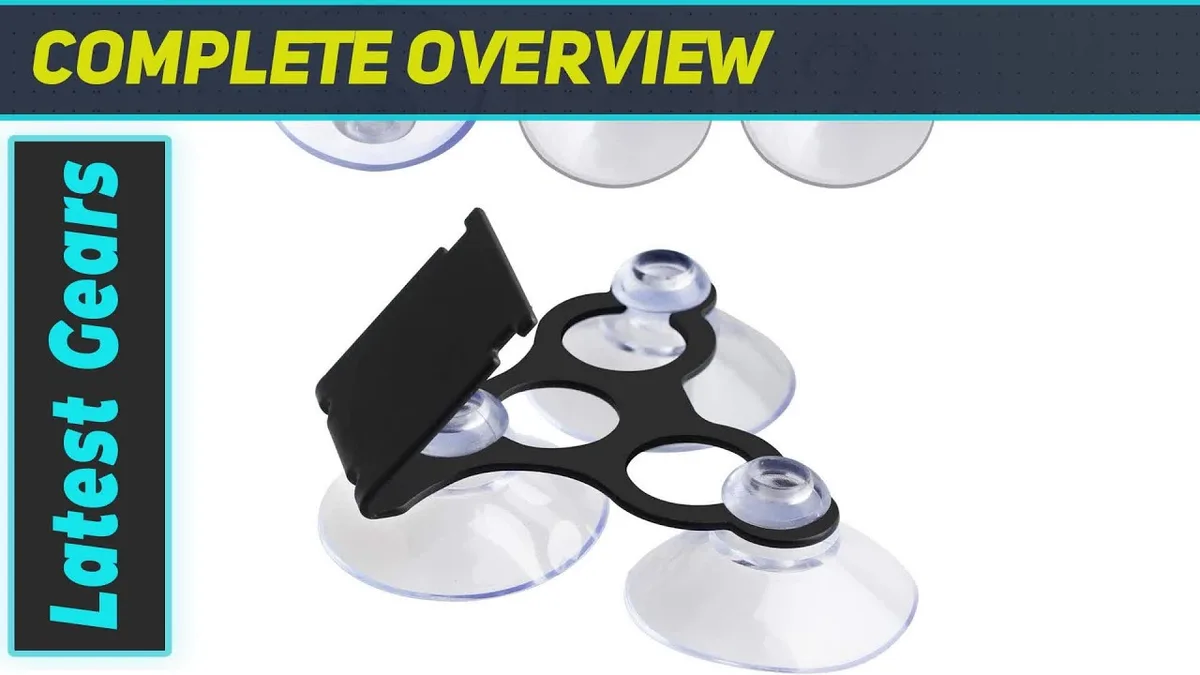
Even if you’re allowed to use a radar detector, where you put it can cause trouble. Michigan law prohibits any obstruction of the driver’s view, including suction-cup mounts on the windshield. The rule is strict: if it blocks your line of sight, it’s illegal.
YouTube / 5best Deals (YouTube thumbnail (fair-use with source credit))
The solution is simple. Mount the detector on the dashboard or visor instead. Both options keep the device visible and accessible without violating obstruction laws.
Some drivers use adhesive mounts on the dash, which are generally accepted if they don’t interfere with visibility.
Manufacturer specs often recommend windshield mounts for optimal performance. In Michigan, following those recommendations could mean breaking the law. Always prioritize legal placement over convenience.
Federal vs. State Regulations: What Overrides What?
Federal law takes precedence for commercial vehicles. The FMCSA’s ban on radar detectors in trucks and buses is absolute, and Michigan can’t override it. For passenger vehicles, state law applies, but local ordinances may add restrictions.
This hierarchy means commercial drivers have no flexibility. Even if Michigan legalized radar detectors for all vehicles, federal regulations would still prohibit their use in commercial fleets. The FMCSA’s official guidelines confirm this.
For passenger vehicles, the rules are more flexible but still specific. Michigan’s obstruction laws are independent of radar detector legality, so you must comply with both. Ignoring either can lead to citations.
Where You Can and Can’t Use a Radar Detector in Michigan
Radar detectors are legal on all public roads for passenger vehicles. The restriction is purely about mounting, not location. Highways, city streets, and rural roads all allow use as long as the device doesn’t obstruct vision.
Commercial drivers face a different reality. The federal ban applies everywhere, from interstates to local delivery routes. There’s no gray area for trucks, buses, or any vehicle used for business purposes.
Some drivers assume private property changes the rules. It doesn’t. If you’re in a commercial vehicle, the ban still applies even on private roads or company lots.
Penalties for Breaking the Rules
Using a radar detector in a commercial vehicle can result in a fine. The exact amount varies but typically ranges from $100 to $500. More importantly, it can trigger a compliance review for fleet operators.
For passenger vehicles, the penalty usually comes from improper mounting. A windshield-mounted detector can lead to a traffic stop and a citation for obstructed view. The fine is often around $100, but the real cost is the hassle of a traffic stop.
Confiscation is another risk. Officers can seize a radar detector if it’s being used illegally. Getting it back can be difficult, and in some cases, it may be destroyed.
How to Use a Radar Detector Legally in Michigan
Start by choosing the right mount. Dashboard or visor clips are your safest options. Both keep the device visible without blocking your view of the road.
Next, position it carefully. The detector should be within easy reach but not in a spot that distracts you while driving. Many drivers place theirs near the rearview mirror for quick access.
Test the device before hitting the road. Make sure it’s picking up signals correctly and that the alerts are audible. A poorly calibrated detector won’t do you much good.
Common Mistakes That Get Drivers in Trouble
Assuming all vehicles follow the same rules is the biggest error. Commercial drivers often don’t realize the federal ban applies to them. That oversight can lead to costly fines.
Another common mistake is ignoring mounting laws. Even if the detector itself is legal, a windshield mount can still get you pulled over. The obstruction rule is separate from the legality of the device.
Some drivers also forget to update their detectors. Older models may not pick up newer radar or LIDAR signals. Regular updates ensure you’re getting the most accurate alerts.
What About GPS Apps Like Waze?
GPS apps like Waze are legal in all vehicles. They don’t use radar detection, so they’re not subject to the same restrictions. These apps rely on user-reported data to alert you to speed traps.
The advantage of GPS apps is their versatility. They work in both passenger and commercial vehicles without any legal concerns. They also provide additional features like real-time traffic updates.
However, they’re not a perfect substitute for radar detectors. GPS apps depend on user input, which can be inconsistent. Radar detectors provide direct, immediate alerts to police radar.
Radar Detector Alternatives for Commercial Drivers
GPS-based apps are the most practical alternative. Waze and Escort Live provide real-time alerts for speed traps and police presence. These apps work on any smartphone and don’t violate federal regulations.
Some commercial drivers use CB radios to share road condition updates. While not as precise as radar detectors, they offer community-based warnings about enforcement areas. This method has been used for decades in the trucking industry.
Another option is to rely on visual scanning. Many commercial drivers develop habits of watching for police vehicles and speed enforcement signs. It’s less reliable but completely legal.
FAQs About Michigan Radar Detector Legality
Can I use a radar detector in my personal truck?
Yes, personal trucks fall under passenger vehicle rules. The federal ban only applies to commercial use. Just ensure it’s mounted legally.
Are radar detectors legal in rental cars in Michigan?
Yes, the same rules apply to rental cars as personal vehicles. Check the rental agreement first, as some companies prohibit them.
What’s the fine for using a radar detector in a commercial vehicle?
Fines typically range from $100 to $500. The exact amount depends on the jurisdiction and circumstances. Confiscation of the device is also possible.
Do radar detectors work against LIDAR?
Some high-end models detect LIDAR, but most standard detectors don’t. LIDAR is harder to detect than traditional radar. Check your device’s specifications.
Can I use a radar detector in Michigan if I’m from out of state?
Yes, Michigan’s laws apply to all drivers on its roads. Out-of-state drivers must follow the same rules as residents.
Final Verdict: Should You Use One?
For passenger vehicles, a radar detector can be useful if mounted correctly. The legal risks are minimal as long as you avoid windshield placement. The benefits often outweigh the drawbacks for frequent drivers.
For commercial vehicles, the answer is clear. The federal ban makes using a radar detector illegal, with no exceptions. The risks far outweigh any potential benefits.
If you’re unsure about your vehicle classification, err on the side of caution. When in doubt, stick to legal alternatives like GPS apps. They provide similar benefits without the legal complications.