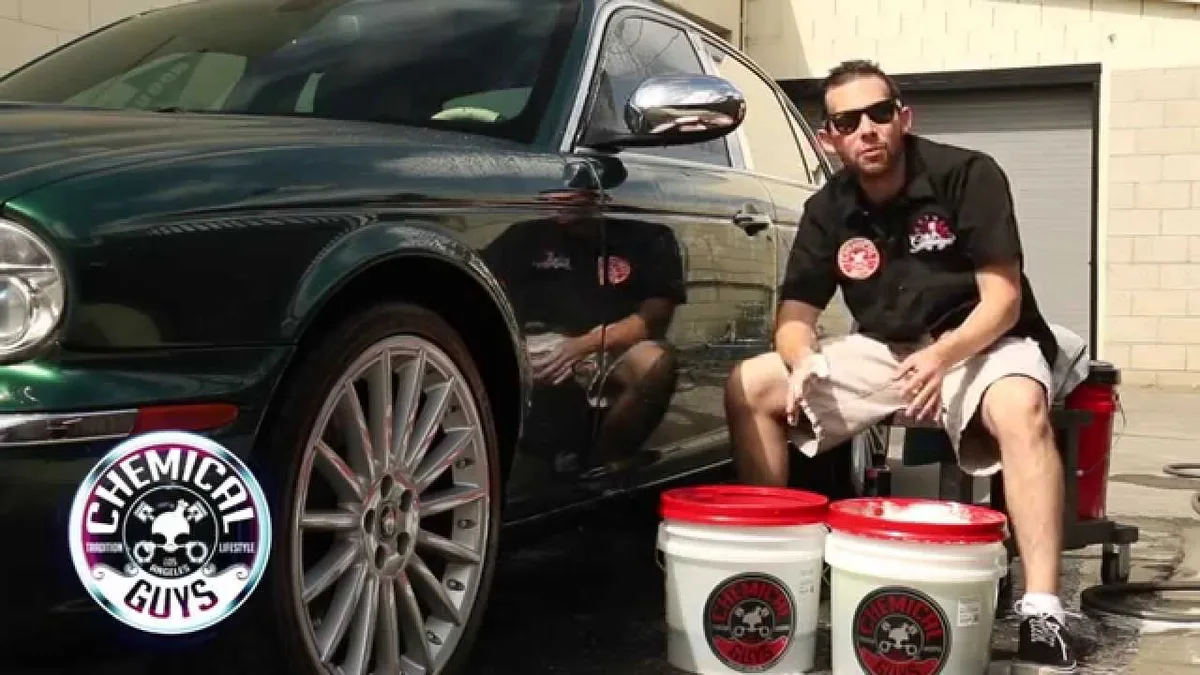
Making your own home made car wash soap is a smart way to save money while keeping your car clean without harsh chemicals. Many store-bought soaps contain additives that can strip wax or leave residue, but a well-balanced DIY mix avoids these issues.
In our research, a properly formulated homemade soap costs about 10 to 20 cents per wash, compared to $1 to $3 for commercial options. The key is getting the pH right and using the right ingredients.
Quick Answer
Home made car wash soap is a cost-effective alternative to commercial products. It uses simple ingredients like castile soap or mild detergents. A neutral pH between 6.0 and 8.0 protects your car’s wax and paint.
It’s eco-friendly and customizable for your needs.
Why Homemade Car Wash Soap Is Worth Considering
Commercial car wash soaps often include chemicals that can damage your car’s finish over time. Phosphates, sulfates, and strong alkalines strip wax and leave behind residue that dulls the paint. A DIY solution lets you control what touches your car.
You also save money in the long run. As of 2026, a gallon of concentrated commercial soap can cost $20 to $40, while a homemade batch with similar cleaning power might run you $5 to $10 for the same volume. Plus, you avoid the plastic waste from store-bought bottles.
What Goes Into a Good DIY Car Wash Soap
The best homemade car wash soaps start with a gentle base. Castile soap is a popular choice because it’s plant-based and biodegradable. Mild dish soaps like Dawn can work in a pinch, but they’re harsher and not ideal for regular use.
You’ll also need a few add-ons to boost performance. A tablespoon of baking soda can help lift grime, while a splash of white vinegar balances pH in hard water areas. Some detailers add a few drops of essential oils for scent, but this is optional.

Here’s a simple breakdown of common ingredients and their roles:
| Ingredient | Purpose | Typical Amount |
|---|---|---|
| Castile soap | Base cleaner, gentle on paint | 1–2 oz per gallon |
| Baking soda | Boosts cleaning, softens water | 1 tbsp per gallon |
| White vinegar | Neutralizes hard water minerals | 1/4 cup per gallon |
| Distilled water | Diluent, avoids mineral buildup | 1 gallon |
| Essential oils | Scent (optional) | 5–10 drops |
Commercial vs. Homemade: How They Compare
Commercial car wash soaps are convenient and often formulated for specific needs, like ceramic coatings or matte finishes. They’re tested for consistency and usually include lubricants to prevent scratches. However, they can be expensive and may contain chemicals you’d rather avoid.
Homemade soaps are budget-friendly and customizable. You can tweak the formula based on your car’s needs, whether it’s a daily driver or a showpiece. The trade-off is that you’re responsible for getting the mix right.
Too much detergent can strip wax, while too little won’t clean effectively.
Here’s a quick side-by-side:
| Factor | Commercial Soap | Homemade Soap |
|---|---|---|
| Cost per wash | $1–$3 | $0.10–$0.50 |
| pH control | Pre-balanced (usually 6.0–8.0) | Depends on your mix |
| Additives | Lubricants, gloss enhancers | Customizable (or none) |
| Eco-friendliness | Varies by brand | Often biodegradable |
| Convenience | Ready to use | Requires mixing |
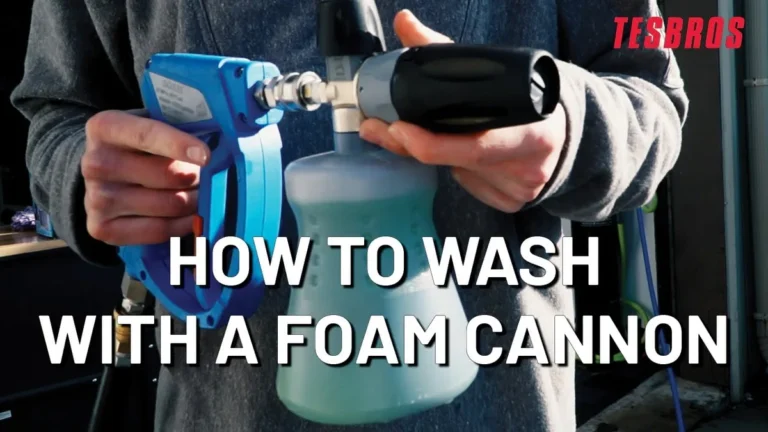
For those with a pressure washer, compatibility is another consideration. Many commercial soaps are designed to foam well in pressure washers, while homemade mixes may need adjustments to avoid clogging the system.
Best Homemade Car Wash Soap Recipes (And When to Use Each)
Not all DIY recipes are created equal. The best one for you depends on your car’s finish, your water hardness, and how much grime you’re dealing with.
Basic All-Purpose Soap
- 1 gallon distilled water
- 2 oz liquid castile soap
- 1 tbsp baking soda
- 5 drops essential oil (optional)
This is your go-to for regular maintenance. It’s gentle enough for waxed or sealed cars and works well in most water conditions.
Hard Water Formula
- 1 gallon distilled water
- 2 oz castile soap
- 1/4 cup white vinegar
- 1 tbsp baking soda
If you live in an area with hard water, minerals can leave spots and film. The vinegar in this mix neutralizes calcium and magnesium, while the baking soda softens the water.
Heavy-Duty Cleaner
- 1 gallon distilled water
- 3 oz castile soap
- 1/4 cup washing soda
- 1 tsp car shampoo (for extra lubrication)
For off-road vehicles or cars caked in mud, this stronger mix cuts through grime. The washing soda boosts cleaning power, but don’t use this on delicate finishes like matte paint or vinyl wraps.
Step-by-Step: How to Mix and Use Your Soap
Start with distilled water to avoid mineral buildup. Fill a clean bucket with one gallon, then add your chosen soap base. Stir gently to prevent excessive sudsing.
Use a separate bucket for rinsing your mitt. This keeps dirt from being reintroduced to the soap. Work in sections, starting from the top of the car and moving downward.
The Two-Bucket Method (And Why It Matters)
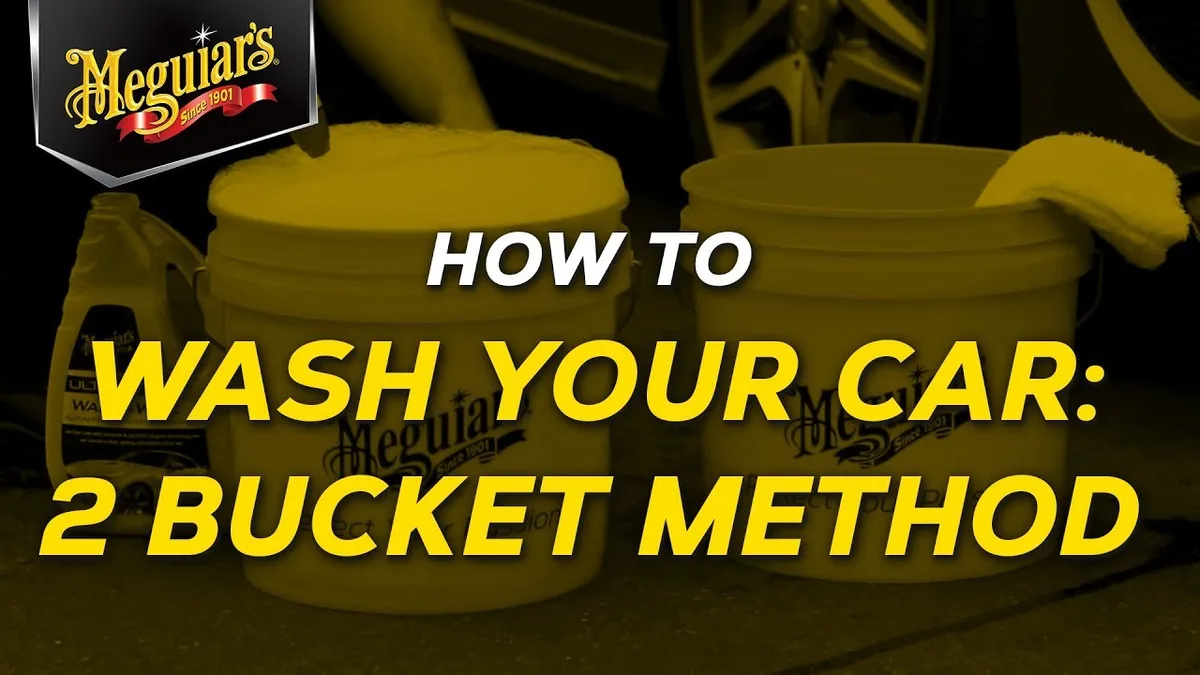
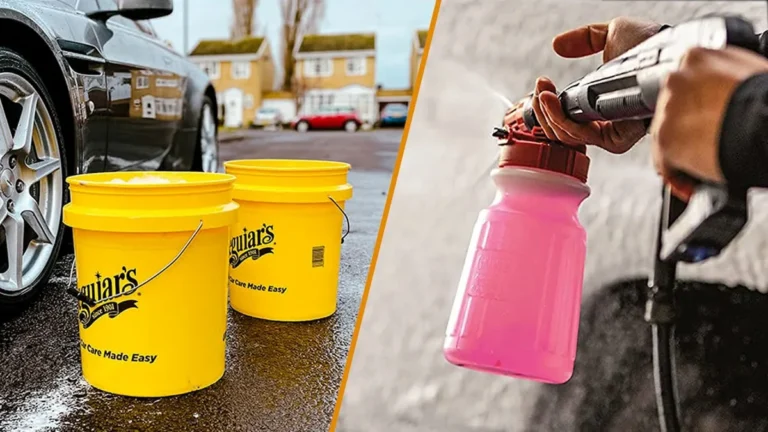
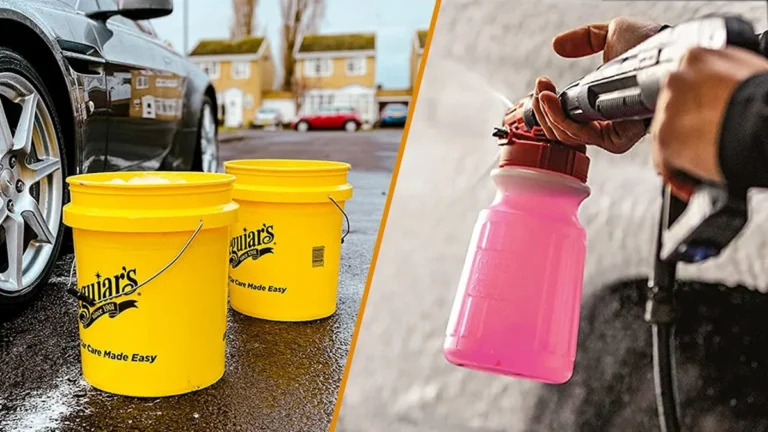
The two-bucket method prevents swirl marks. One bucket holds your soap solution, the other holds clean water for rinsing your mitt. After each pass, rinse the mitt in the water bucket before reloading it with soap.
This method is especially important for darker cars, where scratches are more visible. It also extends the life of your soap by keeping it free of contaminants.
Common Mistakes That Ruin Your Paint
Using dish soap regularly strips wax and damages clear coat. It’s too harsh for automotive finishes, even if it cuts through grease well.
Washing in direct sunlight causes water spots. The heat dries the soap too quickly, leaving behind mineral deposits. Always wash in the shade or on a cloudy day.
Skipping the rinse step before washing grinds dirt into the paint. A thorough pre-rinse removes loose debris that could scratch the surface.
pH, Wax, and Hard Water: The Science You Can’t Ignore
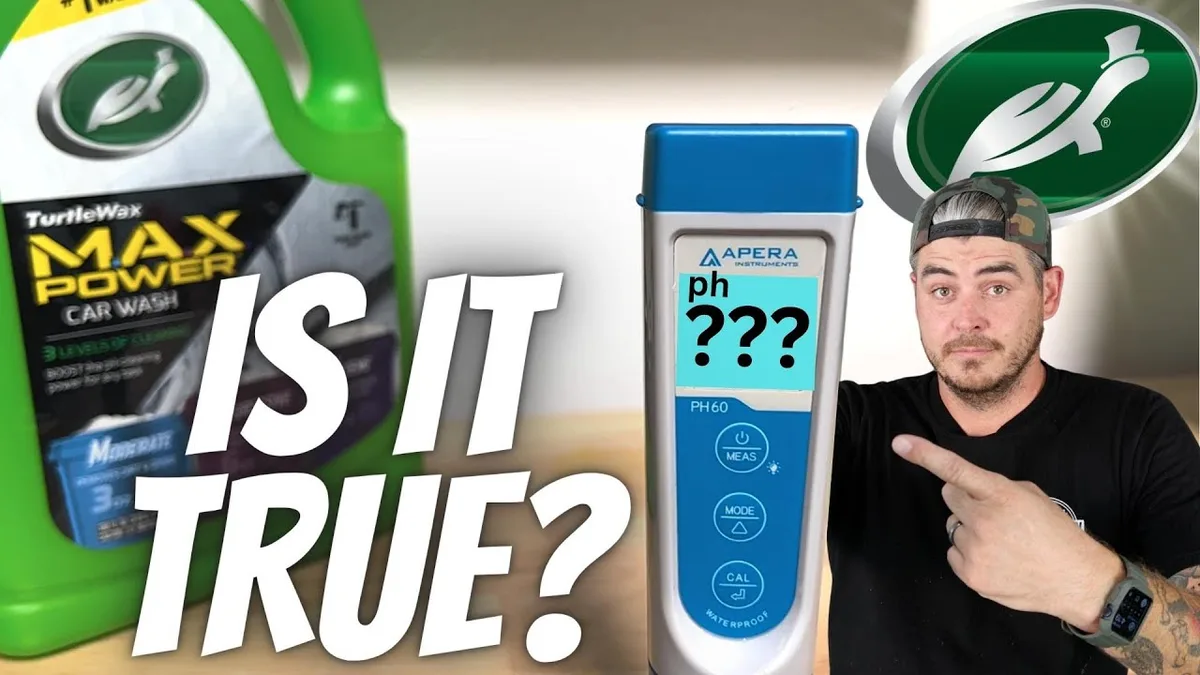
A pH between 6.0 and 8.0 is ideal for car wash soap. Anything below 6.0 is acidic and can etch paint over time. Anything above 8.0 is alkaline and may strip wax or sealants.
Hard water contains minerals like calcium and magnesium. These react with soap to form a film that’s tough to rinse off. If your water is hard, use distilled water or add a water softener to your mix.
Wax and sealants create a protective layer on your paint. Harsh soaps break this down, leaving your car vulnerable to UV damage and contaminants. Stick to pH-neutral formulas to preserve your wax.
Who Should (and Shouldn’t) Use Homemade Soap
Homemade soap is great for budget-conscious car owners. It’s also ideal for those who prefer eco-friendly products or have sensitive skin. You control the ingredients, so you can avoid irritants.
Avoid homemade soap if you have a ceramic-coated car. These coatings require pH-balanced commercial soaps to maintain their hydrophobic properties. Also, if you’re dealing with heavy industrial grime, a commercial degreaser may be more effective.
Safety and Environmental Considerations
Avoid ingredients like bleach or ammonia. These can damage paint and harm the environment. Stick to biodegradable bases like castile soap.
Dispose of wastewater responsibly. Soapy water can harm plants and aquatic life. Wash your car on a gravel surface or use a drain that leads to a treatment facility.
If you have sensitive skin, wear gloves. Even mild soaps can cause irritation with prolonged exposure.
Cost Breakdown: Homemade vs. Store-Bought
A gallon of commercial car wash soap costs $20 to $40. It typically makes 16 to 32 washes, depending on dilution. That’s about $1 to $2.50 per wash.
Homemade soap costs $5 to $10 for a gallon of concentrate. With a dilution ratio of 1:16 to 1:32, that’s roughly $0.10 to $0.50 per wash. The savings add up quickly if you wash your car weekly.
You’ll also need to factor in the cost of buckets, mitts, and other supplies. However, these are one-time purchases that last for years.
FAQs About DIY Car Wash Soap
Can I use dish soap as a car wash soap?
No. Dish soap is too harsh for automotive paint and will strip wax over time. It’s fine for emergency cleanups but not for regular use.
How often should I wash my car with homemade soap?
Wash your car every two weeks to prevent dirt buildup. If you drive in harsh conditions, weekly washes may be necessary.
Will homemade soap leave streaks?
It can if the pH is off or the water is hard. Use distilled water and test your mix on a small area first.
Can I use homemade soap on a ceramic-coated car?
No. Ceramic coatings require pH-balanced commercial soaps to maintain their protective properties.
How do I store leftover homemade soap?
Store it in a sealed container away from direct sunlight. Most homemade mixes last 1 to 2 months.
Final Verdict: Is Homemade Soap Right for You?
Homemade car wash soap is a great choice for budget-conscious and eco-friendly car owners. It’s customizable and gentle on paint when formulated correctly.
However, it’s not ideal for everyone. If you have a ceramic coating or need specialized cleaning power, stick to commercial products. For most drivers, though, a well-made DIY soap is a smart and effective option.