Image source: YouTube / Car Care (YouTube thumbnail (fair-use with source credit))
Yes, you can make your own car wash soap, but it’s not as simple as dumping dish soap in a bucket. The wrong mix can strip wax, leave residue, or even damage your paint over time.
In our research, the safest DIY formulas keep a pH between 6.5 and 8.5 to protect clear coats. That’s why the ingredients and ratios matter just as much as the scrubbing.
Quick Answer
You can make your own car wash soap. Use a pH-balanced base like castile soap. Avoid dish soap for regular washes.
It strips wax and dulls paint. A simple mix costs pennies per wash.
Why DIY Car Soap Is (and Isn’t) a Good Idea
DIY car soap works well if you want control over ingredients and costs. A gallon of concentrated mix can run under $10, while commercial soaps often cost $15, $30 for the same volume. It’s also a solid choice for eco-conscious drivers who prefer biodegradable, non-toxic cleaners.
But there’s a catch. Most homemade recipes lack the lubrication and sudsing power of commercial products. Without the right balance, you risk swirl marks or water spots.
Manufacturer specs for best soap for washing cars confirm that pH and additives make a big difference in safety and performance.
What You’ll Need: Ingredients and Tools
Here’s the short list for a basic, paint-safe mix:
- Base soap: Unscented castile soap or a mild baby shampoo (pH-neutral)
- Water softener: Distilled water or a portable water softener (if you have hard water)
- Lubricant: A capful of car wash-specific conditioner (optional, for extra slickness)
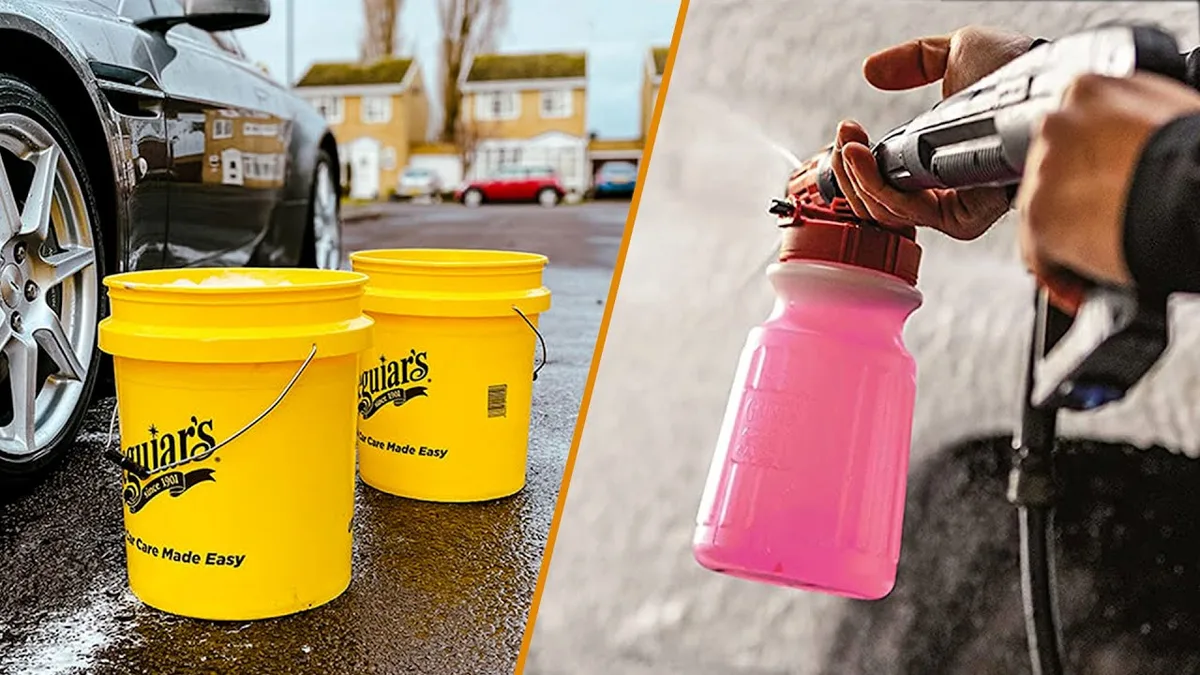
- Tools: 5-gallon bucket, microfiber wash mitt, grit guard
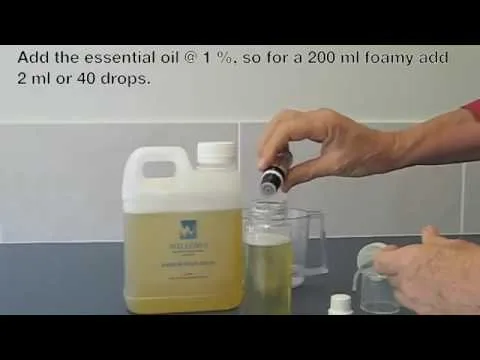
Image source: YouTube / Oscar Halfmouw (YouTube thumbnail (fair-use with source credit))
For best results, avoid anything with degreasers, ammonia, or high alkalinity. These can break down protective coatings. Per the International Carwash Association’s guidelines, even mild dish soaps can compromise wax seals over time.
The Chemistry Behind Safe Car Wash Soap
Car paint is protected by a clear coat that’s sensitive to pH extremes. Most commercial car soaps sit between 6.5 and 8.5 on the pH scale, neutral to slightly alkaline. This range lifts dirt without attacking the finish.
DIY mixes often fail because common household soaps skew too high or low. For example:
| Soap Type | Typical pH | Risk to Paint |
|---|---|---|
| Dish soap | 8–10 | Strips wax, dulls finish |
| Laundry detergent | 10–12 | Etches clear coat |
| Castile soap | 8–9 | Safe if diluted |
The right formula also includes lubricants to prevent micro-scratches. Without them, dirt particles drag across the surface, causing swirl marks.
Step-by-Step: 3 Simple DIY Car Soap Recipes
Basic pH-Balanced Soap
Best for: Regular maintenance washes
- 1 gallon distilled water
- 1/4 cup unscented castile soap
- 1 tbsp baking soda (optional, for extra cleaning power)
Mix in a clean bucket. Use with a microfiber mitt and rinse thoroughly. This recipe mirrors the mildness of many best car wash for white cars formulas.
Heavy-Duty Cleaner for Tough Grime
Best for: Mud, bug splatter, or road tar
- 1 gallon warm water
- 1/2 cup castile soap
- 1/4 cup white vinegar (for acidity balance)
- 1 tsp car wash conditioner
Combine and agitate before use. The vinegar helps break down stubborn contaminants, but don’t use this mix on waxed surfaces more than once a month.
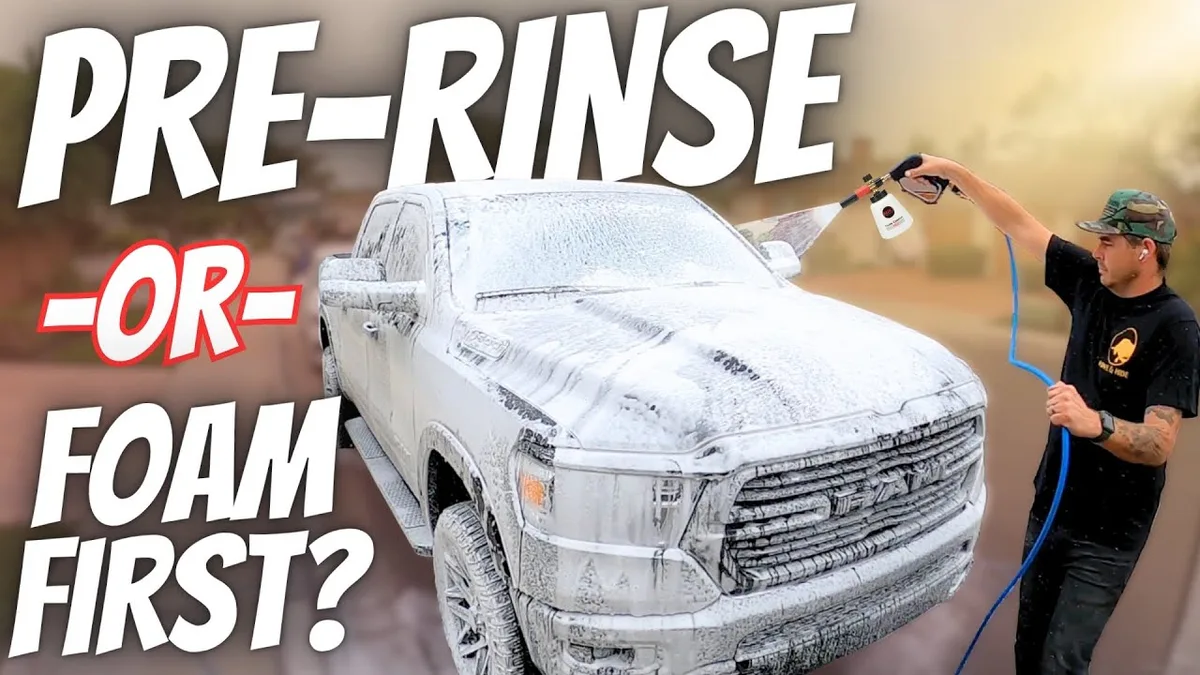
Image source: YouTube / IMJOSHV, Car Detailing and Reconditioning Tips (YouTube thumbnail (fair-use with source credit))
Eco-Friendly, Wax-Safe Formula
Best for: Environmentally conscious users
- 1 gallon distilled water
- 1/3 cup baby shampoo (fragrance-free)
- 1 tbsp vegetable glycerin (for lubrication)
This mix is gentle enough for ceramic coatings and sealants. It’s also biodegradable, making it a favorite for drivers in areas with strict water runoff regulations.
What to Avoid: Ingredients That Damage Your Car
Some household cleaners look harmless but will wreck your finish. Dish soap is the biggest offender. Its high pH and degreasers strip wax and leave paint vulnerable to UV damage.
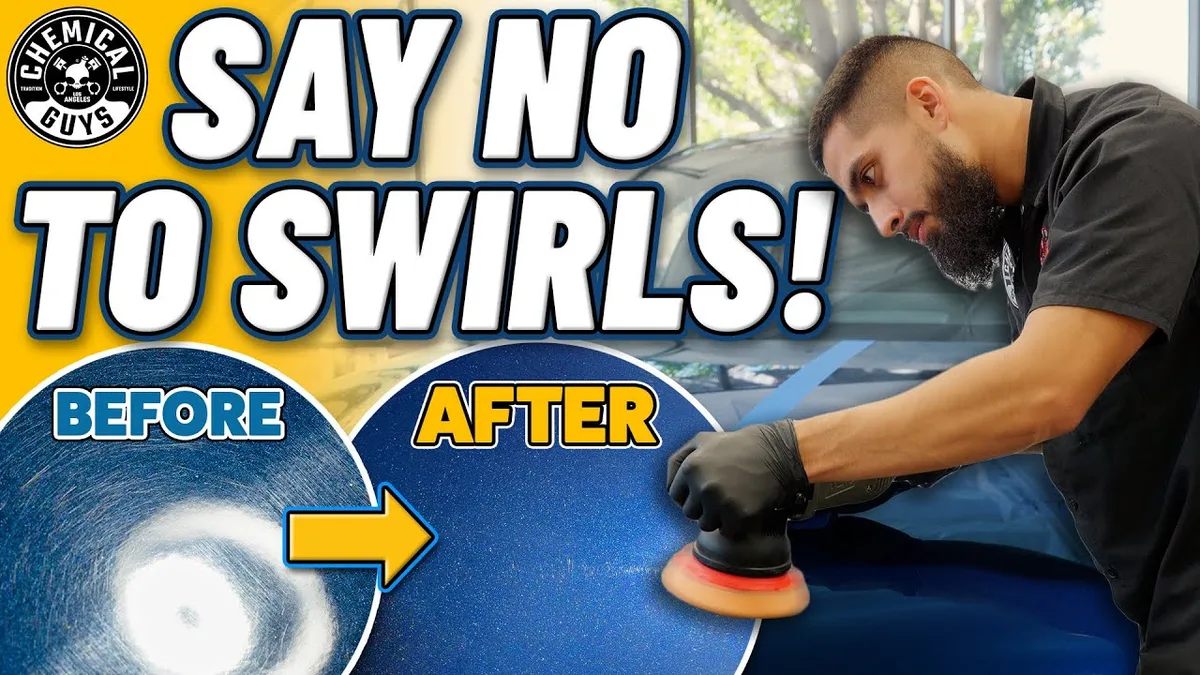
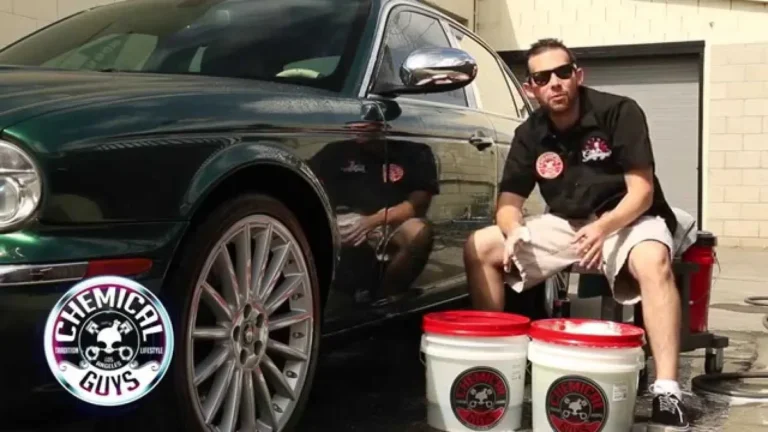
Image source: YouTube / Chemical Guys (YouTube thumbnail (fair-use with source credit))
Laundry detergent is worse. It contains optical brighteners that can yellow clear coats over time. Even vinegar in high concentrations can etch paint if left too long.
Avoid anything with ammonia, bleach, or abrasive particles. These can cause permanent clouding on headlights and trim. For wrapped vehicles, check how to wash a car that has been wrapped for specific guidance.
DIY vs. Store-Bought: Cost, Performance, and Convenience
DIY wins on cost and customization. A gallon of homemade mix costs about 50 cents. Commercial soaps run $1 to $3 per wash at retail prices.
But store-bought soaps have advantages. They include lubricants that reduce swirl marks. They also maintain consistent pH levels and sudsing power.
Many contain UV protectants that DIY mixes lack.
For most drivers, the choice comes down to priorities. If you wash weekly and want simplicity, commercial is better. If you wash occasionally and want to save money, DIY works fine with the right recipe.
When DIY Works Best (and When to Skip It)
DIY car soap shines for basic maintenance. It’s ideal for removing dust, pollen, and light road grime. It’s also great for eco-conscious users who want to avoid synthetic chemicals.
Skip DIY for heavy-duty cleaning. If your car has caked-on mud, tar, or industrial fallout, commercial cleaners have the strength to break it down. Also avoid DIY if you have a ceramic coating or fresh wax.
These need pH-perfect formulas to maintain their lifespan.
For best pressure washer psi for cars, even the best DIY soap won’t compensate for incorrect water pressure.
Common Mistakes That Ruin Your Paint
Using the wrong water is a frequent error. Hard water leaves mineral deposits that etch into paint. Always use distilled water or a portable water softener if your tap water is hard.
Another mistake is reusing dirty water. As you wash, dirt settles in the bucket. Dipping your mitt back in spreads contaminants across the surface.
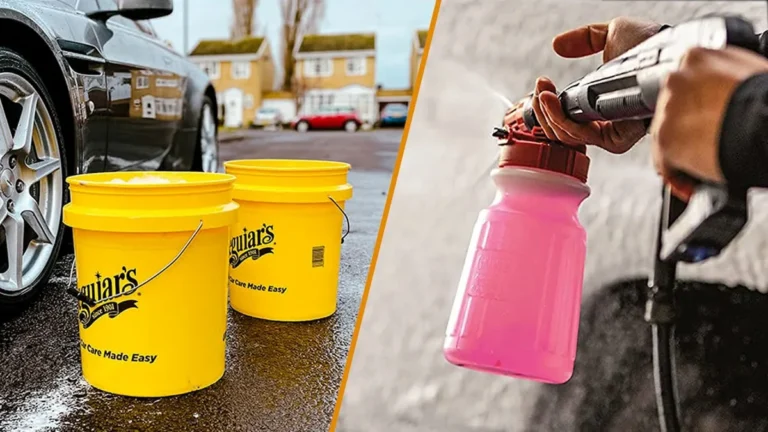
Use a grit guard or two-bucket method to keep water clean.
Over-concentrating soap is just as bad as under-diluting. Too much soap leaves a film that attracts dust. Too little won’t lift grime effectively.
Pro Tips for Better Results
Pre-rinse your car before soaping. This removes loose dirt and reduces the risk of scratching. Use a pressure washer at 1200, 1900 PSI for best results.
Work in sections. Wash from top to bottom to prevent dirt from running onto clean areas. Rinse each section immediately after soaping to avoid soap drying on the surface.
Dry with a clean microfiber towel. This prevents water spots and streaks. For black cars, consider a dedicated how to wash a black car at the car wash approach.
Safety and Environmental Considerations
Always wear gloves when handling concentrated soaps. Some natural ingredients like castile soap can dry out skin with repeated exposure. Work in a well-ventilated area if using vinegar or other strong-smelling additives.
For environmental safety, avoid washing in direct sunlight. Soap can dry too quickly, leaving residue. Use a driveway drain filter if washing at home to catch contaminants before they enter storm drains.
Check local regulations on water runoff. Many municipalities prohibit soap runoff into streets. As of 2026, the EPA recommends using phosphate-free soaps to protect waterways.
FAQs About Homemade Car Wash Soap
Can I use Dawn dish soap to wash my car?
Yes, but only in emergencies. Dawn is too harsh for regular use. It strips wax and can dull your paint over time.
Stick to pH-balanced soaps for routine washing.
How often should I wash my car with DIY soap?
Wash every two weeks to prevent dirt buildup. More frequent washing may require a milder formula to avoid stripping protective coatings.
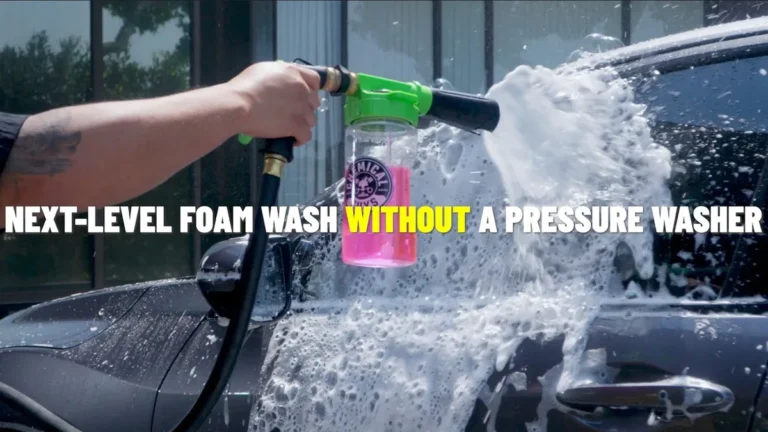
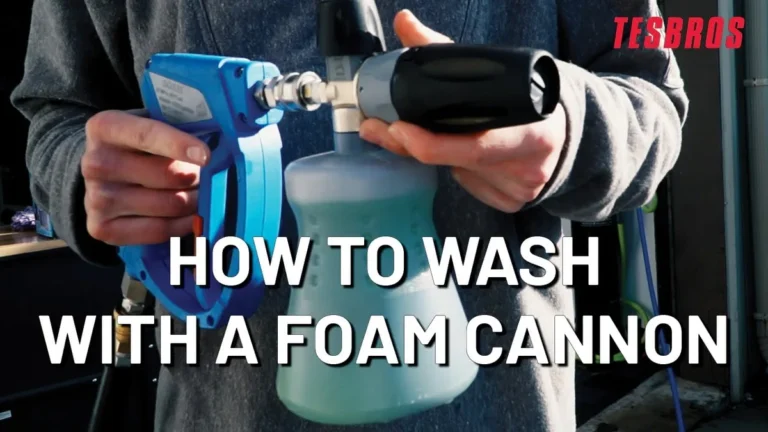
Will homemade soap work with a foam cannon?
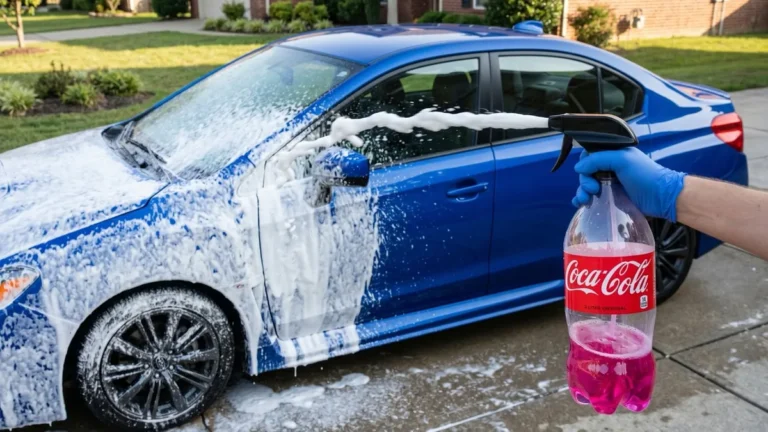
Yes, but you may need to adjust the concentration. Foam cannons require thicker suds than bucket washes. Add a bit more soap to the mix for better foam production.
Can I use homemade soap on a ceramic-coated car?
Use caution. Ceramic coatings need pH-neutral cleaners. Test a small area first.
If the water beads properly after drying, the soap is safe.
How long does homemade car soap last?
Most DIY mixes stay effective for 1, 3 months. Store in a cool, dark place to prevent degradation. Discard if the soap develops an odd smell or separates.
Final Verdict: Should You Make Your Own?
DIY car soap makes sense if you want to save money and control ingredients. It’s also a good option for eco-friendly drivers. Just follow the recipes carefully and avoid harsh chemicals.
For most drivers, the convenience of commercial soaps outweighs the cost savings of DIY. If you have a high-end finish or ceramic coating, stick with professional-grade products. The risk of damage isn’t worth the savings.
If you do try DIY, start with the basic pH-balanced recipe. Monitor your paint’s condition after a few washes. If you notice dulling or water spots, switch back to commercial soap.