You’ve probably stood in your driveway with a bucket of soapy water, wondering if you can wash a car with dishwashing liquid. The short answer is yes, but it’s not the best choice for regular use. Dish soap is harsh on car paint and can strip protective coatings over time.
Manufacturer specifications for automotive finishes typically recommend pH-balanced car wash soaps, which sit around 6, 8 on the pH scale. Dish soap, on the other hand, often registers between 9 and 12, making it far more alkaline. That’s why the real question isn’t just can you use it, but should you.
Quick Answer
Yes, you can wash a car with dishwashing liquid. It will clean the surface. But it strips wax and sealants.
Use it only in emergencies.
Why Dish Soap Isn’t Ideal for Your Car
Dish soap is designed to cut through grease and food residue, which means it’s highly effective at breaking down oils. That same power works against your car’s protective layers. Car paint, clear coats, and wax are all vulnerable to the high pH levels and strong surfactants in dish soap.
Over time, repeated use can lead to oxidation, fading, and a dull finish. The Idaho Transportation Department notes that improper cleaning methods can reduce a vehicle’s resale value, especially for older or classic models.
How Dish Soap Affects Car Paint and Finishes
The primary issue is the pH level. Car wash soaps are formulated to be gentle, with a neutral pH that won’t damage the clear coat or underlying paint. Dish soap, however, is alkaline, which can break down the protective wax and sealants on your car’s surface.
Here’s what happens:
- First wash: The soap strips away wax, leaving the paint exposed.
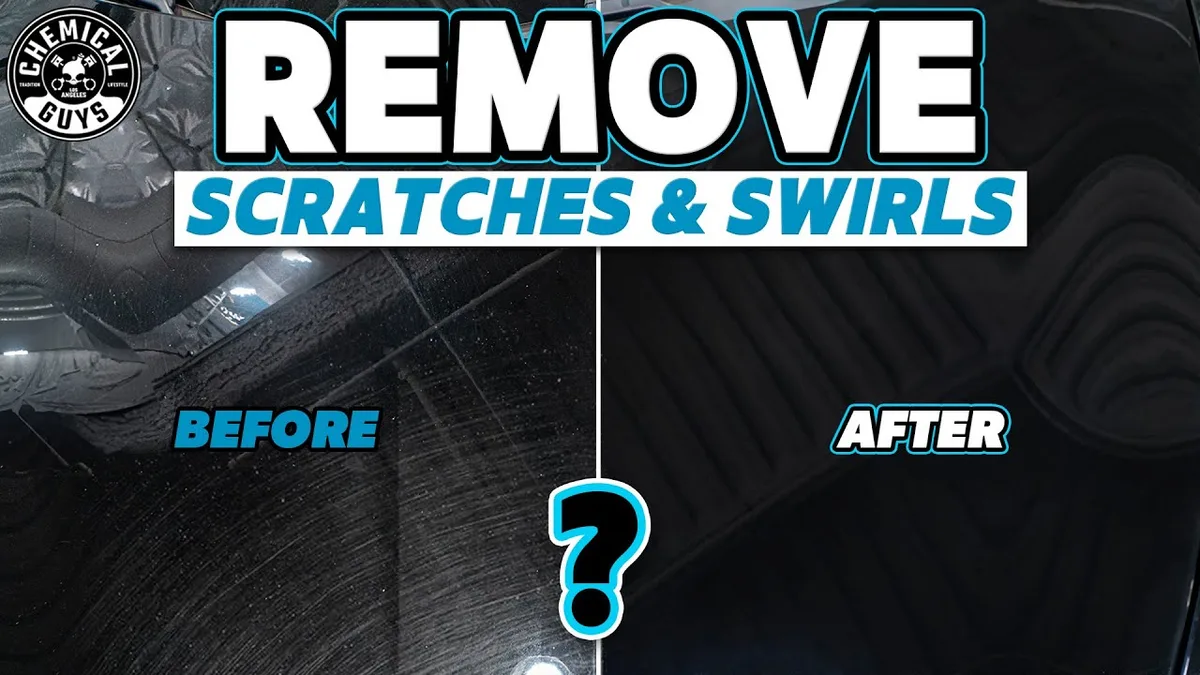
- Repeated use: The clear coat starts to degrade, leading to micro-scratches and swirl marks.
- Long-term damage: The paint becomes more susceptible to UV damage, oxidation, and fading.
When It’s Actually Okay to Use Dish Soap
There are a few scenarios where dish soap is a viable option. If you’re in a pinch and have no car wash soap available, a single use won’t cause immediate harm. It’s also useful for removing stubborn contaminants like bug splatter, tar, or tree sap that regular car soap might struggle with.
That said, always dilute it properly, one tablespoon of dish soap per gallon of water is a safe ratio. And follow up with a fresh coat of wax to restore protection.
Step-by-Step: How to Wash Your Car with Dish Soap (Safely)
If you’ve decided to use dish soap, follow these steps to minimize damage.
What you’ll need:
- Mild dish soap (avoid brands with added degreasers or abrasives)
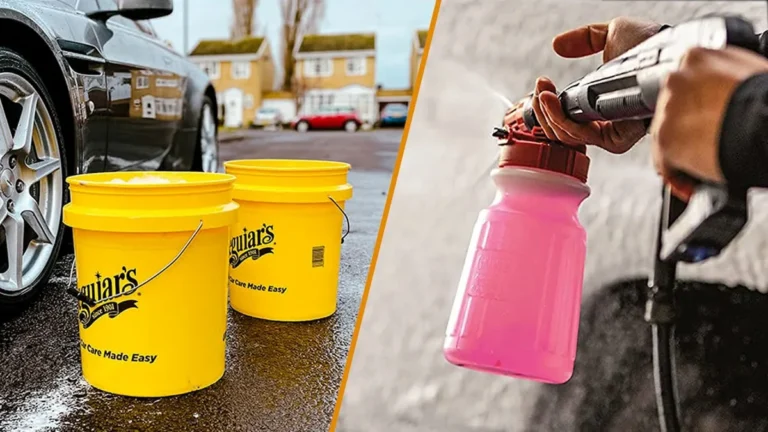
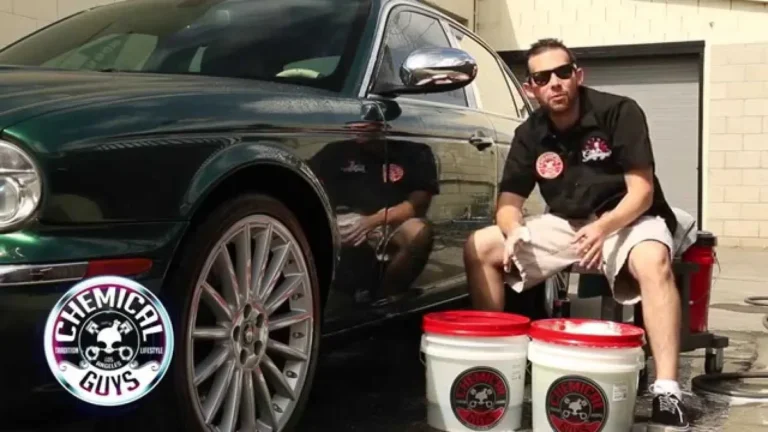
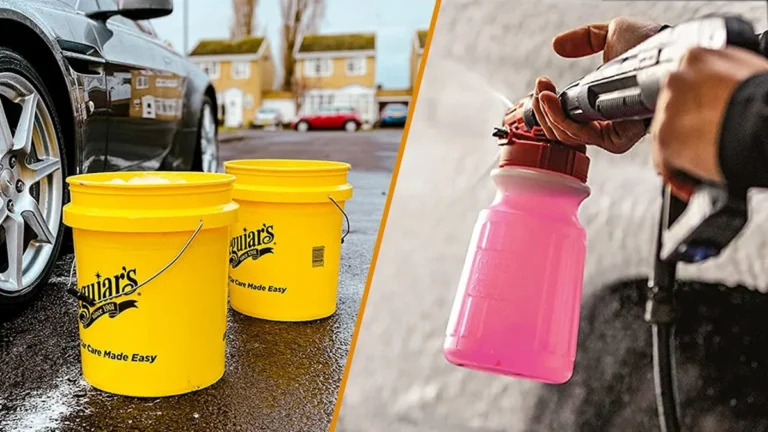
- Two buckets (one for soap, one for rinsing)
- Microfiber wash mitt or sponge
- Microfiber drying towels
- Hose with a nozzle or pressure washer
Steps:
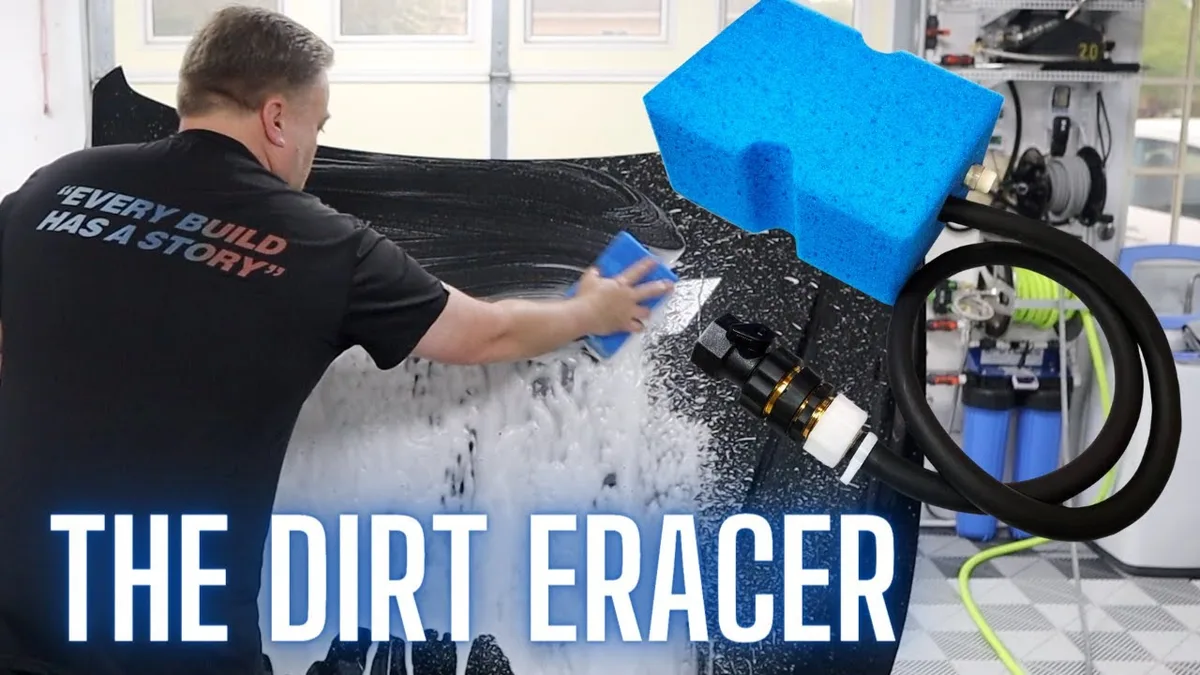
- Rinse first. Use a hose or pressure washer to remove loose dirt and debris. This prevents scratching the paint during the wash.
- Mix the solution. Add 1 tablespoon of dish soap to a gallon of water in the first bucket. Fill the second bucket with clean water for rinsing your mitt.
- Wash in sections. Start at the top and work your way down. Use the two-bucket method: dip the mitt in the soap bucket, wash a section, then rinse the mitt in the clean water bucket before reloading with soap.
- Rinse thoroughly. Soap residue can leave streaks or spots, so rinse each section immediately after washing.
- Dry with microfiber. Use a clean microfiber towel to dry the car and prevent water spots.
What Happens If You Use It Too Often?
Repeated use of dish soap will strip wax and sealants. This leaves the clear coat exposed to UV rays, oxidation, and contaminants. Over time, the paint will fade, develop swirl marks, and lose its gloss.
The damage isn’t always immediate. But after a few washes, you’ll notice the paint feels rougher and looks duller. Restoring it requires polishing and reapplying protective layers, which costs time and money.
Dish Soap vs. Car Wash Soap: The Real Differences
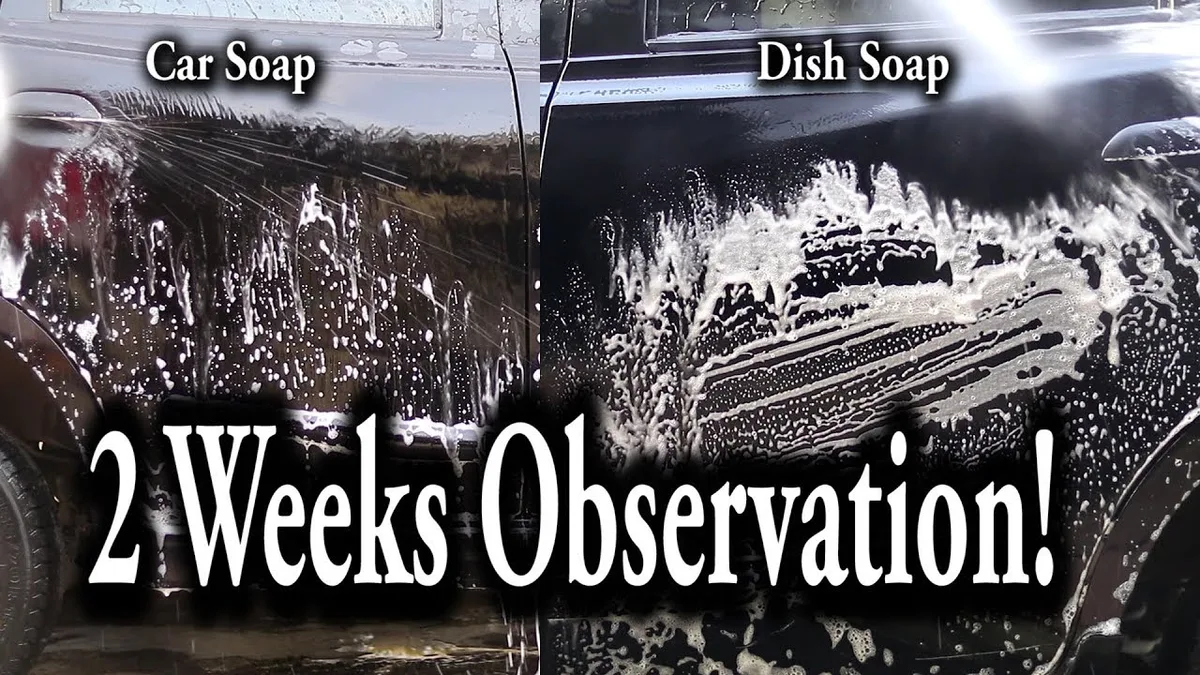
Car wash soap is pH-balanced to protect paint and clear coats. It also contains lubricants to reduce swirl marks during washing. Dish soap lacks these protections and is far more aggressive.
Here’s a quick comparison:
| Feature | Dish Soap | Car Wash Soap |
|---|---|---|
| pH Level | 9–12 | 6–8 |
| Wax-Safe | No | Yes |
| Lubrication | Low | High |
| Grease Cutting | High | Moderate |
Better Alternatives If You Don’t Have Car Soap
If you’re out of car wash soap, baby shampoo is a gentler substitute. It’s mild, pH-balanced, and won’t strip wax like dish soap. Laundry detergent is another option, but it’s harsher and not ideal for frequent use.
For a quick clean without soap, a waterless car wash spray can lift light dirt without damaging the finish. These products are designed to be safe on paint and clear coats.
Mistakes That’ll Ruin Your Paint
Using dish soap undiluted is a common mistake. Full-strength soap will dry out trim and leave residue. Always dilute it to minimize damage.
Another error is washing in direct sunlight. The soap dries too quickly, leaving spots and streaks. Work in the shade and rinse each section immediately after washing.
How to Fix Damage If You’ve Already Used Dish Soap
If your paint looks dull after using dish soap, start with a thorough wash using proper car soap. Then apply a clay bar to remove embedded contaminants. Follow up with a polish to restore shine and a fresh coat of wax or sealant to protect the surface.
For deeper damage like oxidation or swirl marks, a professional detailer can perform a paint correction. This involves machine polishing to remove a thin layer of clear coat and restore the finish.
Pro Tips for Emergency Car Cleaning
If you must use dish soap, stick to a mild brand like Dawn. Avoid formulas with added degreasers or abrasives, as these are even harsher on paint. Always use the two-bucket method to prevent swirl marks.
For stubborn spots like bug splatter or tar, apply a small amount of undiluted dish soap directly to the area with a microfiber cloth. Let it sit for a minute, then rinse thoroughly. This targeted approach minimizes exposure to the rest of the paint.
Frequently Asked Questions
Will dish soap remove car wax?
Yes, dish soap will strip wax and sealants. Even a single wash can break down these protective layers, leaving your paint exposed to damage.
Can I use dish soap on my car’s wheels and tires?
Dish soap is safe for wheels and tires in moderation. These parts are less sensitive than paint, but avoid using it on polished or coated wheels, as it can dull the finish.
How often can I wash my car with dish soap?
Limit it to once or twice a year at most. Frequent use will accelerate paint damage and require costly corrections.
Does dish soap cause water spots?
Yes, dish soap can leave residue that leads to water spots. Always rinse thoroughly and dry with a clean microfiber towel to prevent this.
What’s the best dish soap for washing a car?
Mild, unscented dish soaps like Dawn Original are the safest. Avoid brands with added moisturizers or degreasers, as these can leave films or damage surfaces.