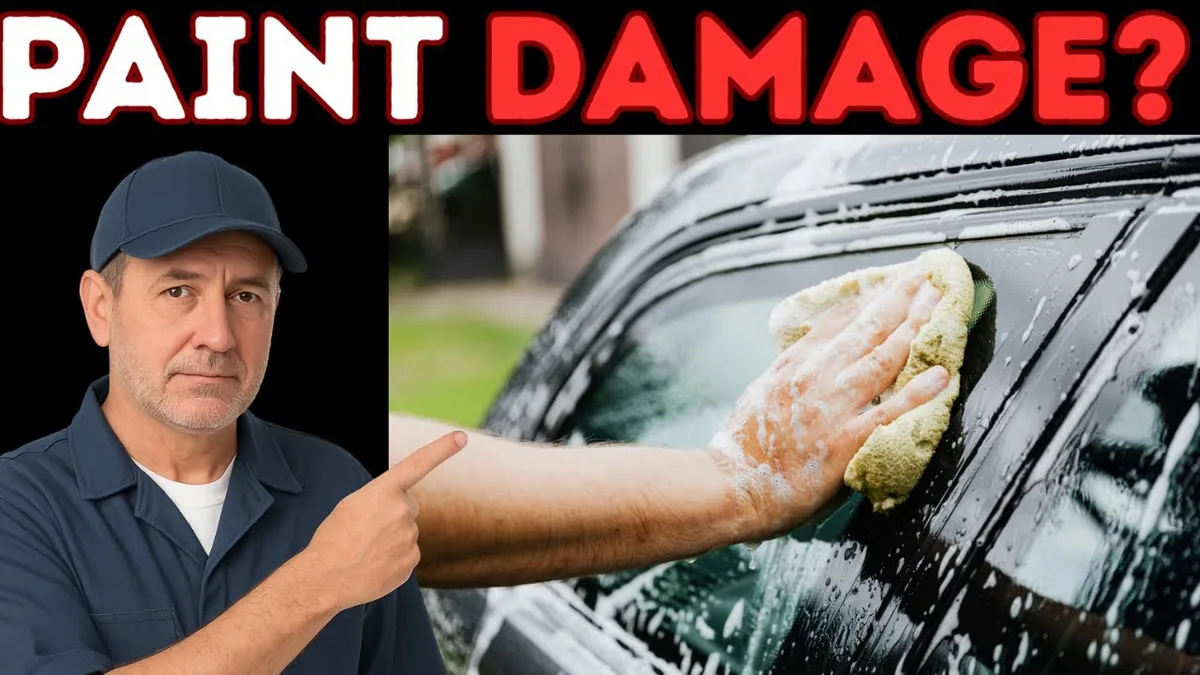
Using dishwashing liquid for washing cars seems like a quick fix when you’re out of car soap, but it’s one of the worst things you can do to your vehicle’s finish. Dishwashing liquid strips wax, dulls clear coat, and can cause long-term damage that’s expensive to repair.
Manufacturer specs confirm that most dish soaps have a pH of 9, 12, while car wash soaps are formulated to stay neutral at pH 6, 8. That difference is enough to break down protective layers on your paint over time.
Quick Answer
Dishwashing liquid for washing cars is a bad idea. It removes wax and sealants. It can damage clear coat.
Use pH-balanced car soap instead.
Why Dishwashing Liquid Is a Bad Idea for Washing Cars
Dish soap is designed to cut through grease and food residue, which means it’s packed with strong degreasers and surfactants. Those same properties that make it great for dishes are brutal on automotive paint and clear coat.
The high pH level in dish soap breaks down the oils in car wax and sealants, leaving your paint unprotected. Over time, this leads to oxidation, fading, and a dull appearance. Even a single wash can strip weeks of protection from a fresh wax job.
The Chemical Difference: Dish Soap vs. Car Soap
Car wash soap is engineered to clean without harming the finish. It uses milder surfactants and lubricants that lift dirt while preserving wax and sealants. Dish soap prioritizes cutting through tough grime, which requires harsher chemicals.
| Feature | Dish Soap | Car Soap |
|---|---|---|
| pH Level | 9–12 | 6–8 |
| Degreasing Power | High | Moderate |
| Safe for Paint | No | Yes |
| Lubrication | Low | High |
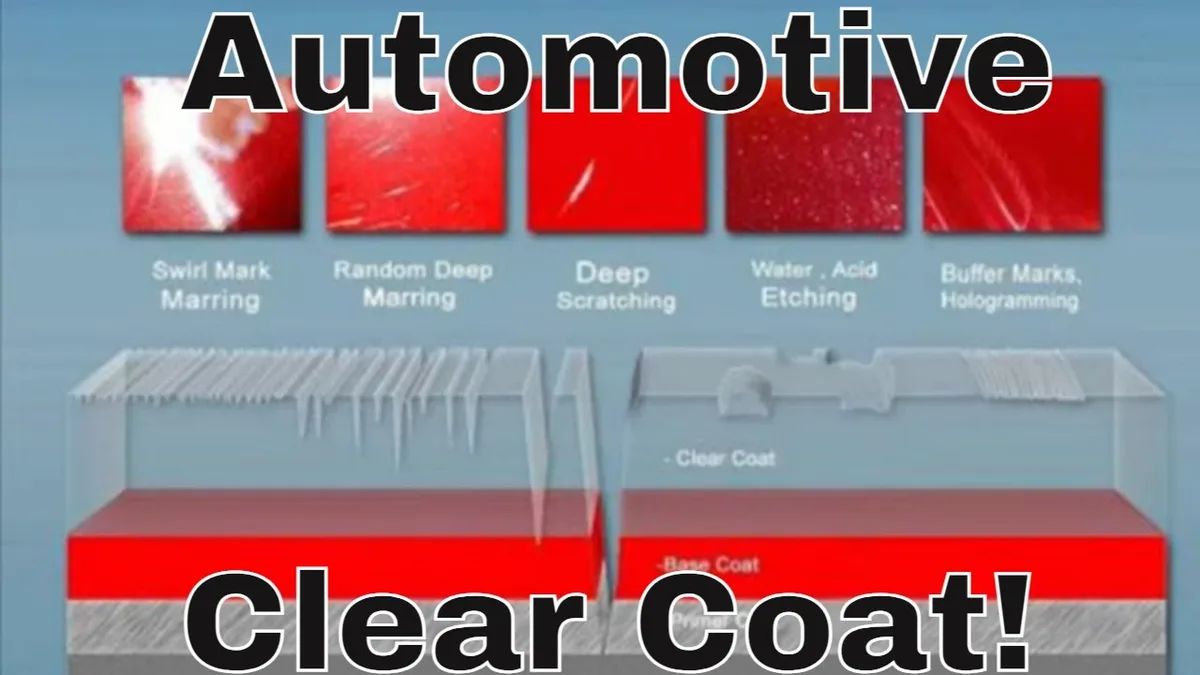
The clear coat on modern cars is thin, often just 1, 2 mils. According to SAE International, aggressive cleaners like dish soap can accelerate its breakdown, leading to peeling or hazing.
How Dish Soap Damages Your Car’s Paint and Finish
Dish soap strips wax in a single wash. The surfactants are so strong they can remove the protective layer instantly. Without that barrier, your paint is exposed to UV rays, bird droppings, and road grime.
Clear coat damage is another major risk. The alkaline nature of dish soap can etch into the clear coat, creating micro-scratches that scatter light and make your car look dull. Once that happens, the only fix is a costly repaint or professional correction.
Even the rubber and plastic trim isn’t safe. Dish soap can dry out these materials, leading to cracks and fading. Car-specific cleaners include conditioners to keep trim looking new.
The Hidden Costs of Using Dishwashing Liquid
The immediate savings are outweighed by long-term expenses. A bottle of dish soap might cost $2, but repairing the damage can run into the hundreds or thousands.
| Issue | Cost to Fix |
|---|---|
| Wax Removal | $50–$150 |
| Clear Coat Repair | $300–$1,000 |
| Paint Correction | $200–$600 |
| Trim Damage | Varies by part |
As of 2026, the average cost of a professional paint correction service is around $500. That’s a steep price for saving a few dollars on soap.
When You Might Get Away With It (And When You Won’t)
Dish soap can work in emergencies for non-painted surfaces. Wheels, tires, and engine bays often need stronger degreasers to cut through brake dust and grime.
Never use it on painted body panels, trim, or glass. The risk of damage far outweighs any cleaning benefit. If you must use it, rinse immediately and reapply wax afterward.
Safe Alternatives to Dish Soap for Washing Cars
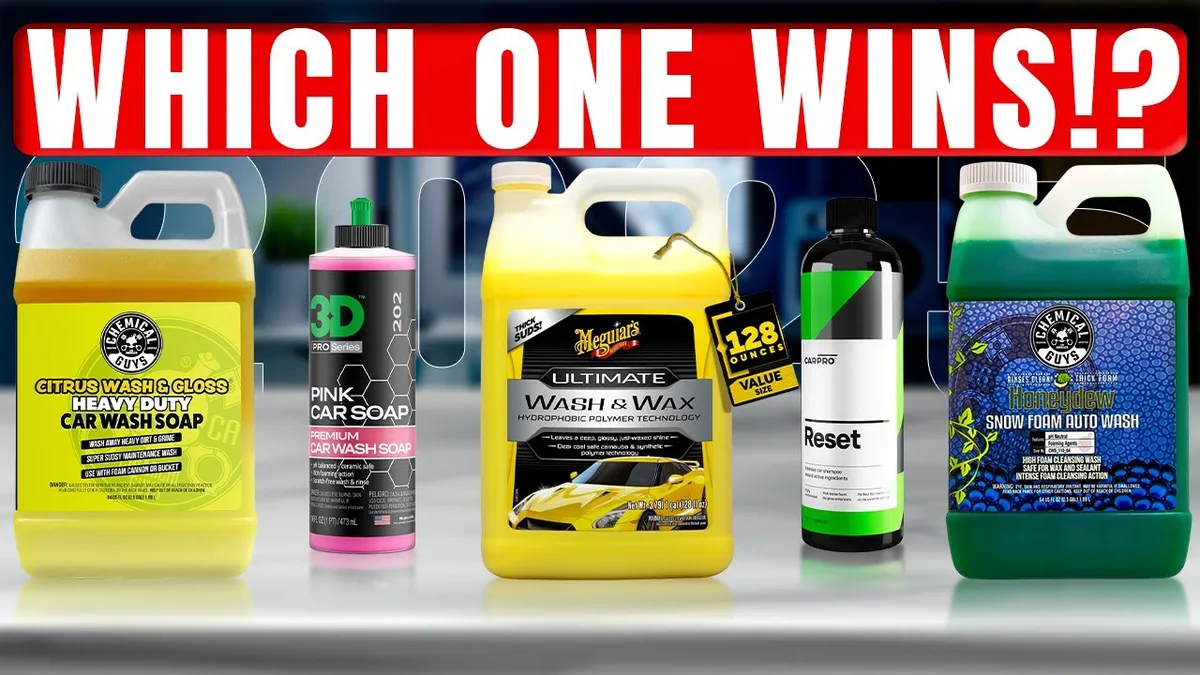
The best substitute is a dedicated car wash soap. These are pH-balanced and include lubricants to prevent swirl marks. Brands like Meguiar’s and Chemical Guys offer affordable options.
In a pinch, baby shampoo is a gentler alternative. It’s mild enough for paint but lacks the lubrication of car-specific products. Avoid laundry detergent, as it’s even harsher than dish soap.
Waterless wash sprays are another option for light cleaning. They’re designed to lift dirt without water or scrubbing. These work well for quick touch-ups between full washes.
How to Fix the Damage If You’ve Already Used Dish Soap
First, assess the damage. If the paint looks dull or hazy, the clear coat may be etched. A clay bar can remove embedded contaminants, but deeper issues may need professional correction.
Reapply wax or sealant immediately. This restores a protective layer and can mask minor dullness. Use a high-quality carnauba wax or synthetic sealant for best results.
For swirl marks or scratches, a light polish can help. Use a dual-action polisher with a fine compound, but be cautious. Over-polishing can thin the clear coat further.
The Right Way to Wash Your Car at Home
Start with a thorough pre-rinse to remove loose dirt. This prevents scratching during the wash. Use a pressure washer or hose with a nozzle for best results.
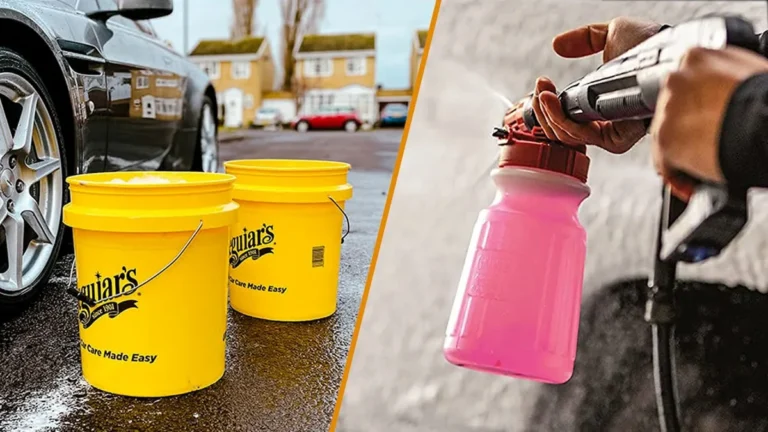
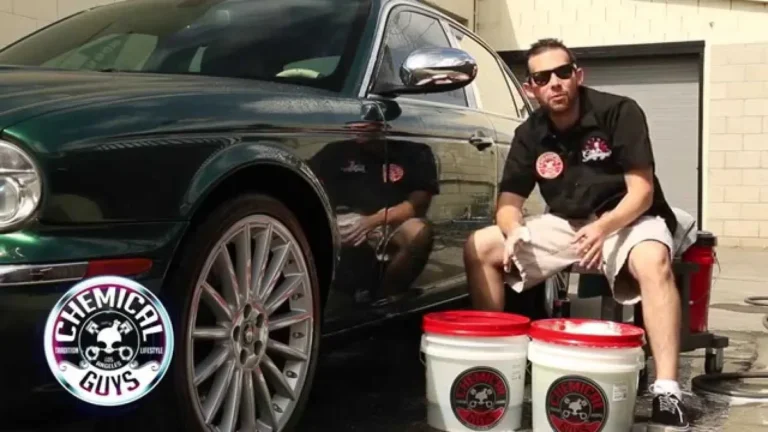
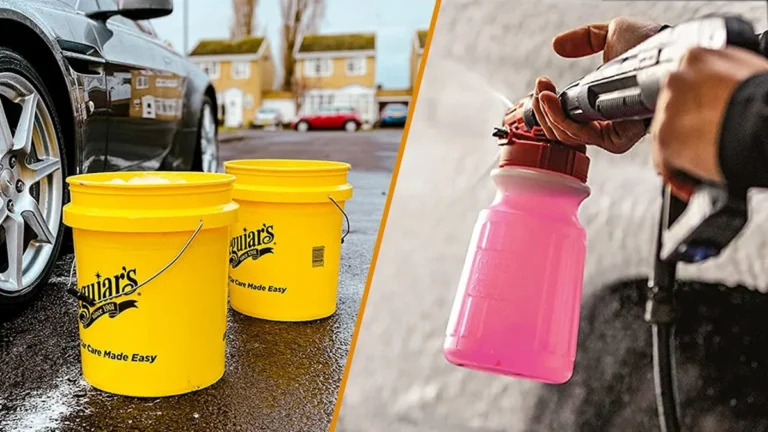
Use the two-bucket method. One bucket holds soapy water, the other holds clean water for rinsing your mitt. This keeps dirt from being reintroduced to the paint.
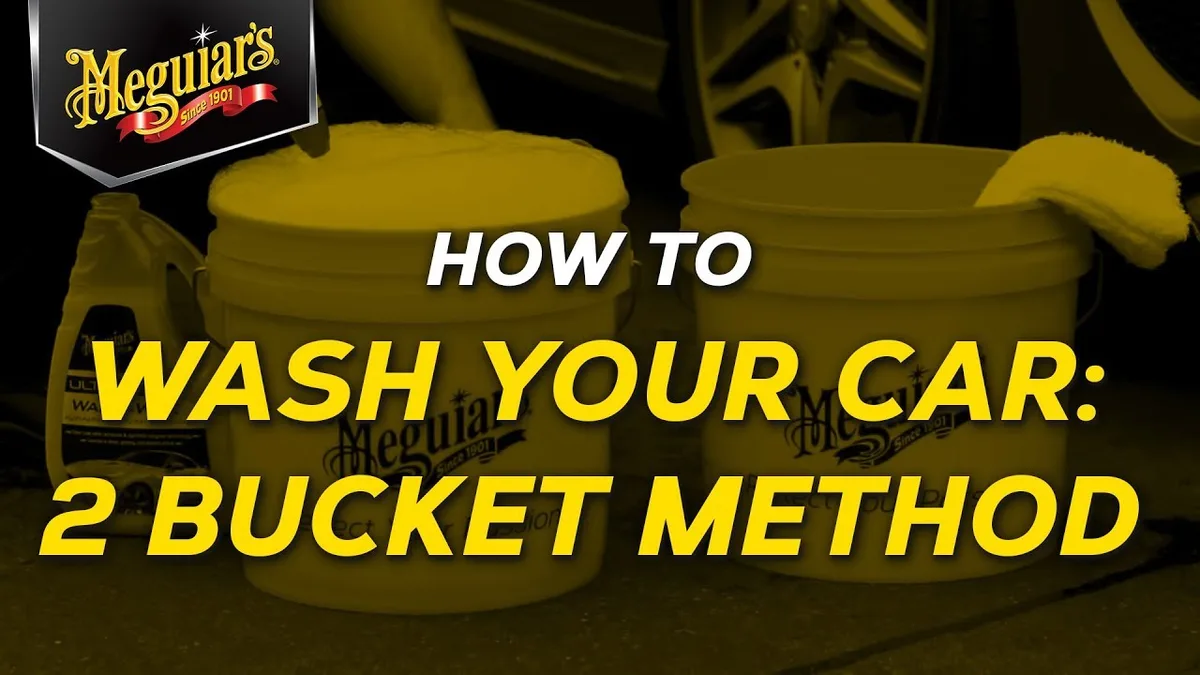
Wash from top to bottom in straight lines, not circles. This minimizes swirl marks. Use a high-quality microfiber mitt or sponge to avoid scratching.
What the Experts and Manufacturers Say
Car care brands universally advise against dish soap. Meguiar’s states that dish soap can strip wax and damage paint over time. Chemical Guys warns that it can leave residue and cause water spotting.
The International Detailing Association (IDA) recommends pH-neutral cleaners for automotive use. They emphasize that proper lubrication is key to preventing scratches and swirls.
Manufacturer guidelines for vehicles like Toyota and Ford also specify using only automotive-approved cleaners. Using the wrong products can void paint warranties in some cases.
Frequently Asked Questions
Can I use Dawn dish soap on my car once?
No. Even a single wash with Dawn can strip wax and begin damaging the clear coat. The high pH and strong degreasers are too harsh for automotive paint.
What’s the cheapest safe alternative to car soap?
Baby shampoo is the most budget-friendly safe option. It’s mild and won’t harm paint, though it lacks the lubrication of dedicated car soap.
How do I know if dish soap damaged my paint?
Look for dullness, hazing, or water spotting. Run your fingers over the surface, if it feels rough, the clear coat may be etched.
Will dish soap ruin my car’s wax job?
Yes. Dish soap will remove wax in one wash. You’ll need to reapply wax or sealant afterward to restore protection.
Can I use dish soap on my wheels?
Yes, but with caution. Wheels can handle stronger cleaners, but avoid getting dish soap on painted surfaces or brake components. Rinse thoroughly.
How often should I wash my car to prevent damage?
Wash every two weeks to remove contaminants before they cause damage. Use proper car soap and techniques to maintain the finish.