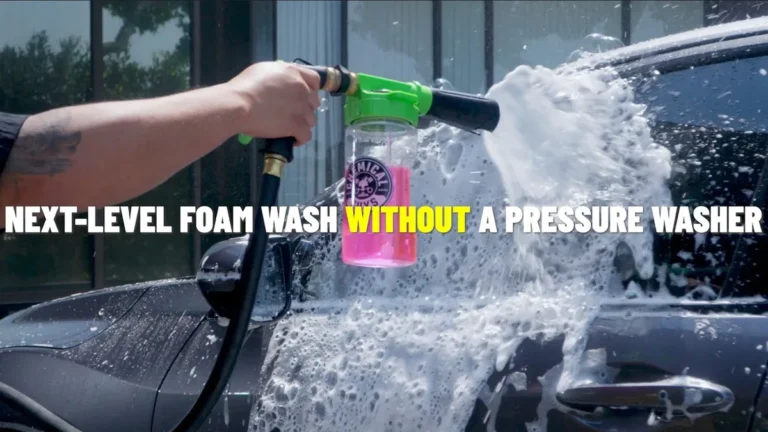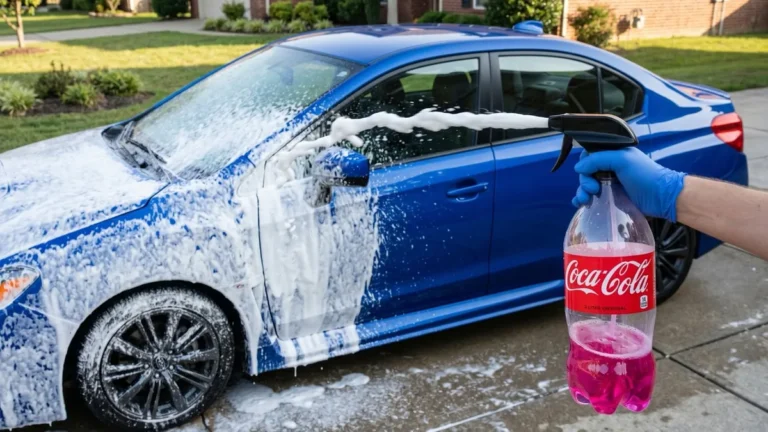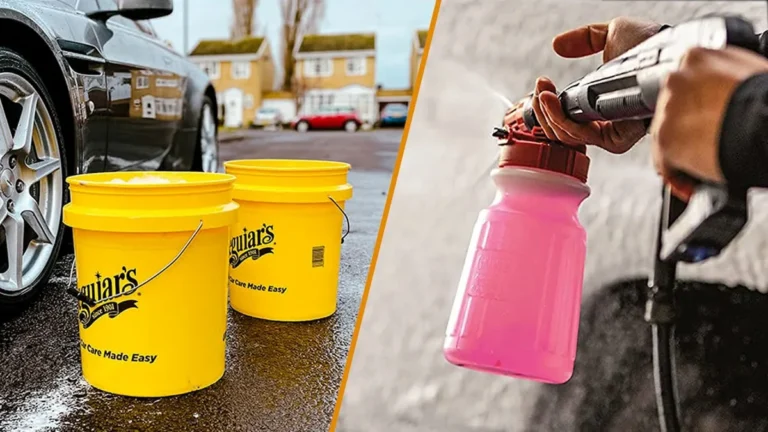
Image source: YouTube / Ganesh Balan (YouTube thumbnail (fair-use with source credit))
A homemade car wash recipe lets you clean your vehicle safely without harsh chemicals or overspending on commercial products. Many drivers turn to DIY mixes to avoid stripping wax or damaging paint, especially when store-bought options contain abrasives or high pH levels. The right formula balances cleaning power with gentleness, and it’s easier to make than you might think.
Per industry standards, a pH between 6.0 and 8.0 is ideal for automotive paint. This range cleans effectively without breaking down protective coatings. That’s why the first step is understanding what actually works in a DIY mix.
Quick Answer
A homemade car wash recipe uses mild soap, water, and optional additives like vinegar or baking soda. Castile soap is the safest base. Avoid dish detergent.
It strips wax. Always rinse thoroughly.
Why Homemade Car Wash Soap Is Worth Considering
Commercial car soaps often include preservatives, fragrances, or detergents that can degrade your car’s finish over time. A DIY mix lets you control the ingredients, which is especially useful for older vehicles or those with sensitive coatings like ceramic or clear sealants.
You’ll also save money. A gallon of commercial car wash soap can cost $15, $25, while a homemade batch using castile soap or baby shampoo runs about $2, $5 for the same volume. For drivers who wash their cars weekly, that’s a noticeable difference over a year.
How Commercial Soaps vs. Homemade Compare
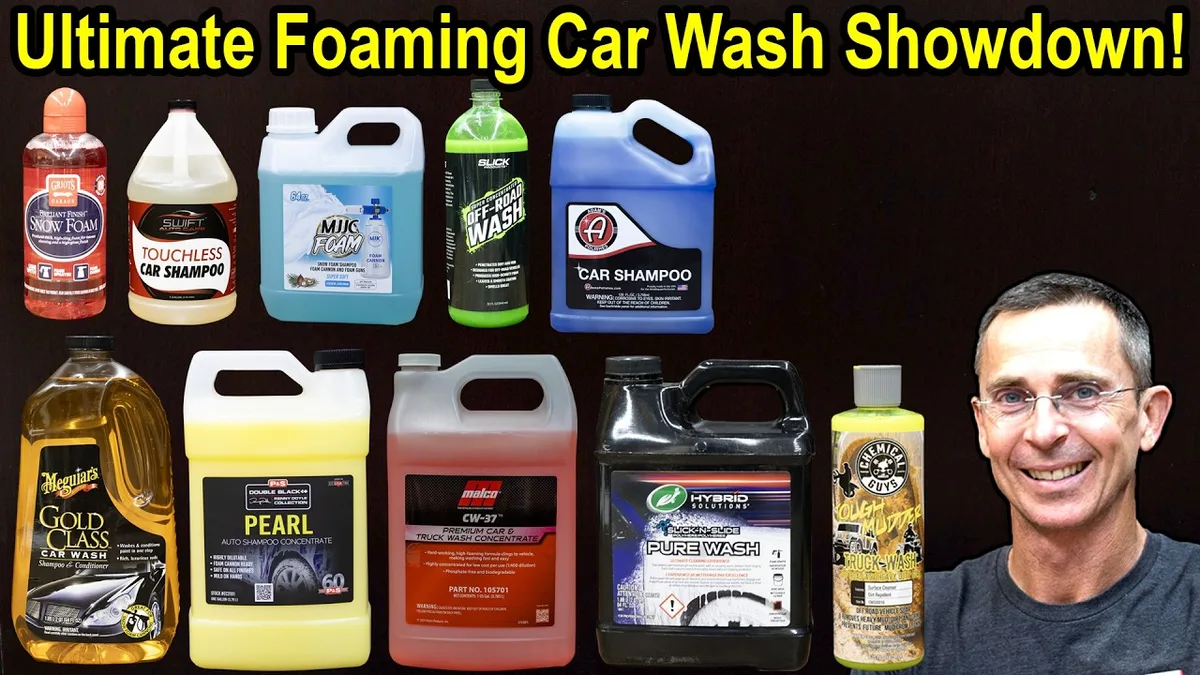
Image source: YouTube / Project Farm (YouTube thumbnail (fair-use with source credit))
| Factor | Commercial Car Soap | Homemade Mix |
|---|---|---|
| Cost per wash | $0.50–$1.50 | $0.10–$0.30 |
| pH control | Pre-balanced (usually 6.5–8.0) | Adjustable (risk of imbalance) |
| Additives | Foam boosters, wax, gloss enhancers | Customizable (vinegar, baking soda) |
| Shelf life | 1–2 years | 1–3 months (no preservatives) |
| Convenience | Ready to use | Requires mixing |
Commercial soaps are formulated for consistency and often include lubricants to prevent swirl marks. They’re the easiest choice if you want a no-fuss solution. Homemade mixes give you flexibility to tweak the formula for your car’s specific needs, like hard water or extra grime.
The trade-off is precision. A poorly balanced DIY soap can leave residue or even etch paint if the pH is too high.
Core Ingredients for a DIY Car Wash (What Works & What Doesn’t)
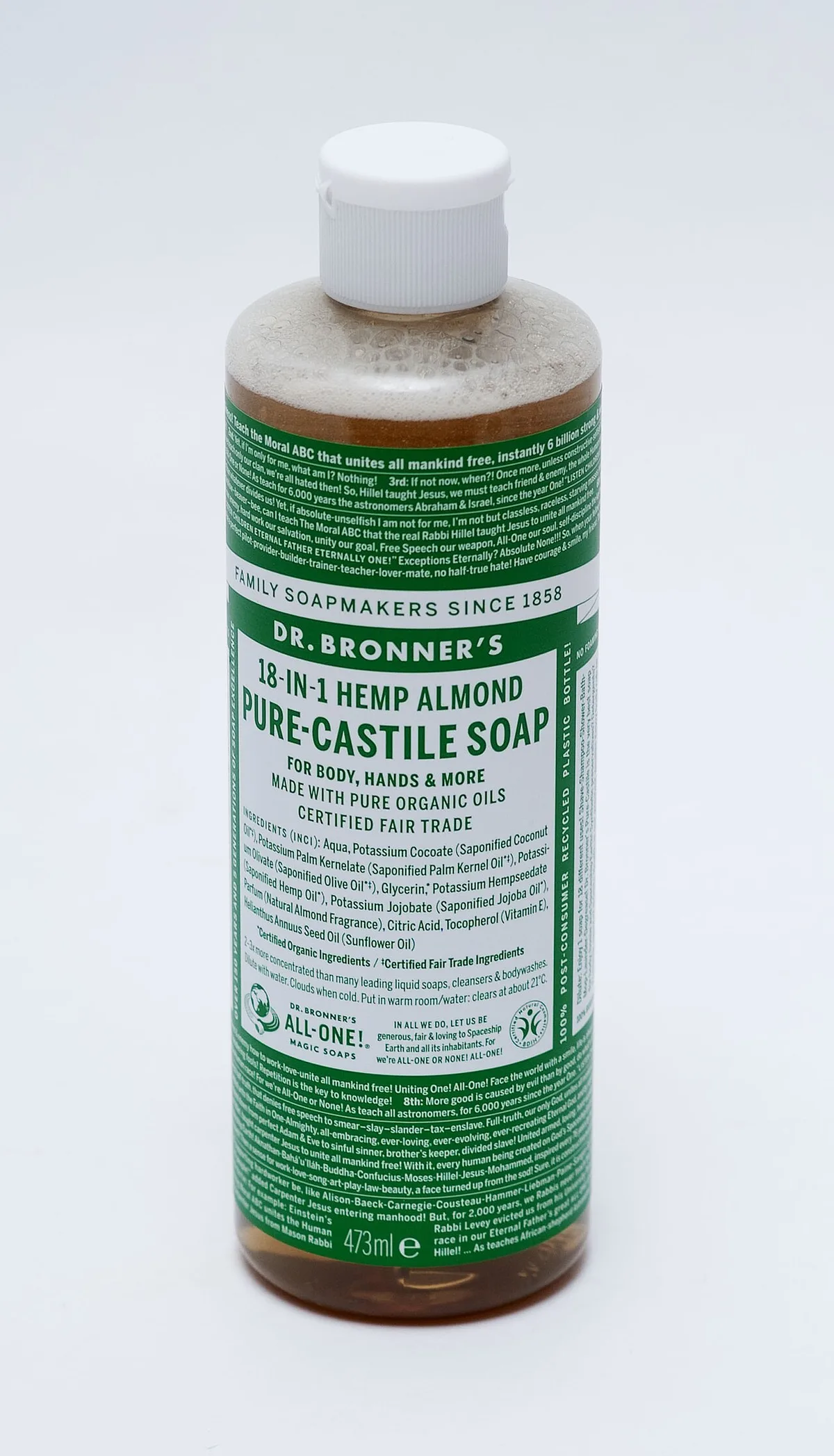
Image source: Wikimedia Commons / Ashley Pomeroy (CC BY-SA)
Safe Cleaning Agents
- Castile soap: The gold standard for DIY car wash. It’s plant-based, biodegradable, and gentle on paint. Look for unscented versions to avoid potential reactions with clear coats.
- Baby shampoo: Mild and pH-balanced, it’s a solid alternative for a basic wash. Avoid versions with added moisturizers or fragrances.
- Laundry detergent (pH-neutral): Only use if labeled as free of optical brighteners and phosphates.
Lubricants & Sudsing Boosters
- Baking soda: Helps soften water and boosts cleaning power for tough grime. Use sparingly (1, 2 tablespoons per gallon).
- White vinegar: Cuts through hard water minerals and adds shine. Mix 1/4 cup per gallon, but avoid using on waxed surfaces frequently.
- Rubbing alcohol (70% isopropyl): Effective for degreasing, but limit to 1/2 cup per gallon.
What Doesn’t Belong
Skip household cleaners like all-purpose sprays, bleach, or ammonia. These can strip wax, fade paint, and even corrode metal parts.
Step-by-Step: How to Make Your Own Car Wash Soap
Basic All-Purpose Recipe
- Mix the base: Combine 1 oz (2 tablespoons) of liquid castile soap with 1 gallon of warm water in a clean bucket.
- Add boosters (optional): For hard water, add 1/4 cup white vinegar. For extra suds, add 1 tablespoon baking soda.
- Test the pH: Use pH strips to check the solution. Aim for 6.5, 8.0. If it’s too alkaline, dilute with more water.
- Prep your tools: Use a grit guard in your bucket and a high-quality microfiber wash mitt.
Foam Cannon Mix
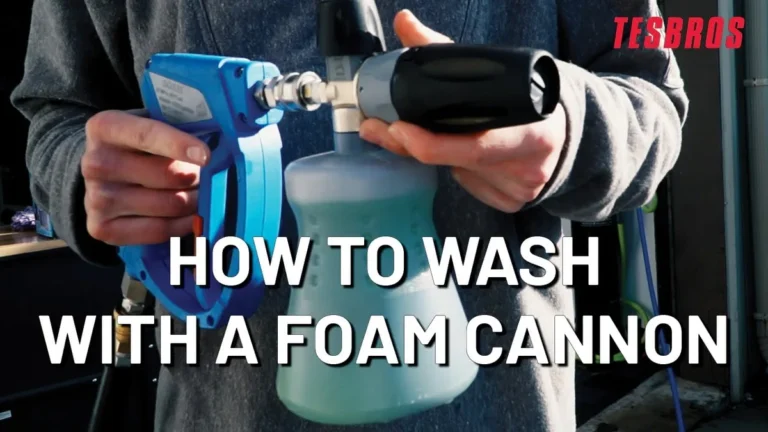
- Ingredients: 2 oz castile soap, 1 oz rubbing alcohol, 1 gallon water.
- Process: Add to a foam cannon and adjust the dilution ratio based on your pressure washer’s settings.
Waterless Wash Spray
- Ingredients: 1 cup distilled water, 1/4 cup rubbing alcohol, 1 teaspoon castile soap, 1 teaspoon carnauba wax (optional for shine).
- Process: Mix in a spray bottle. Shake well before use, and spray onto a microfiber towel to lift dirt without rinsing.
Best Homemade Recipes for Different Needs
For Regular Maintenance Washes
Use 1 oz castile soap per gallon of water. This is gentle enough for weekly washes and won’t strip existing wax. Add 1 tablespoon of baking soda if your water is hard.
For Heavy Grime & Bug Splatter
Mix 2 oz castile soap with 1 oz rubbing alcohol per gallon. The alcohol helps break down tough residues. Rinse immediately to prevent drying on the surface.
For Sensitive Paint (Ceramic Coating, Clear Coat)
Stick to pH-neutral baby shampoo at 1 oz per gallon. Avoid vinegar or alcohol, as these can degrade protective coatings over time.
For Hard Water Areas
Add 1/4 cup white vinegar to your standard castile soap mix. This helps prevent mineral deposits and water spots. Don’t use vinegar on waxed surfaces more than once a month.
Common Mistakes That Damage Your Car’s Finish
Using dish soap is the most common error. It’s designed to cut grease, which means it’ll strip wax and dry out rubber seals. Even a single wash with dish detergent can leave your paint vulnerable.
Another mistake is washing in direct sunlight. Water evaporates too quickly, leaving behind spots and streaks. Always wash in the shade or on a cloudy day.
Overloading your wash mitt with soap doesn’t mean a better clean. Excess suds can actually trap dirt and scratch the surface.
What to Avoid (Ingredients That Ruin Paint, Wax, or Sealants)
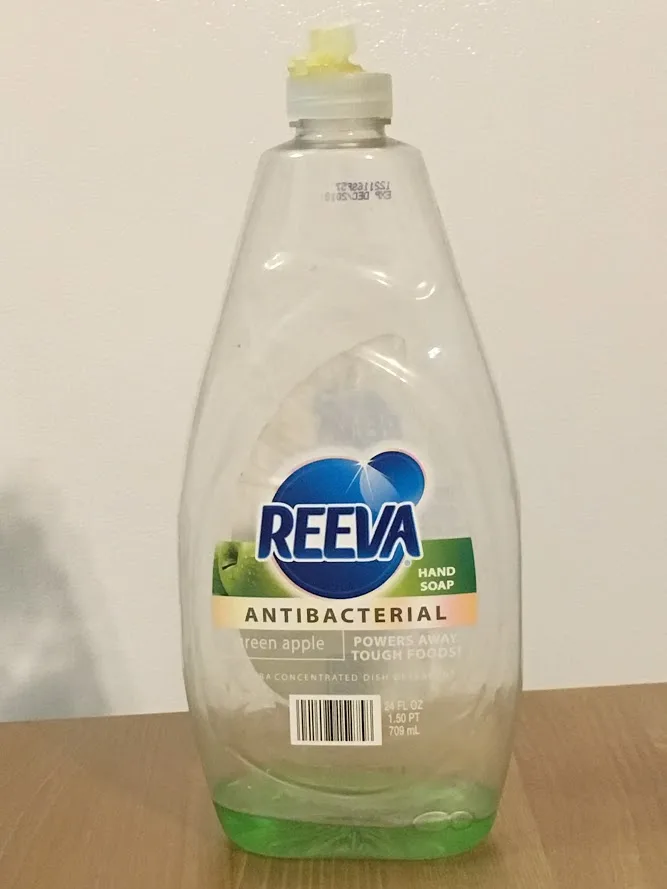
Image source: Wikimedia Commons / Ajpolino (CC BY-SA)
Never use household cleaners like bleach, ammonia, or all-purpose sprays. These can etch paint and corrode metal parts. Even diluted, they’re too harsh for automotive finishes.
Avoid automatic dish detergent. It contains abrasives and high pH levels that break down wax and clear coats. Hand dish soap is slightly better but still not ideal.
Skip powdered detergents. They don’t dissolve completely and can leave a gritty residue that scratches paint.
Cost Breakdown: Homemade vs. Store-Bought
A gallon of commercial car wash soap costs $15, $25 and lasts for 10, 20 washes. That’s $0.75, $2.50 per wash. Homemade mixes using castile soap run about $0.10, $0.30 per gallon, or $0.01, $0.03 per wash.
The savings add up quickly. If you wash your car weekly, you could save $50, $100 a year by switching to DIY.
Pro Tips for Better Results
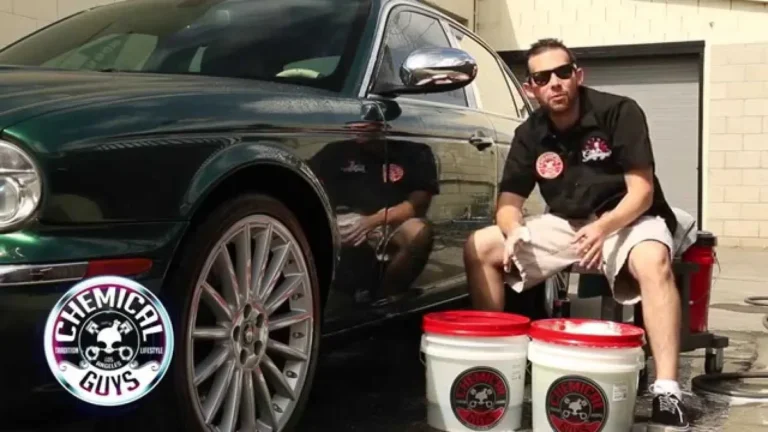
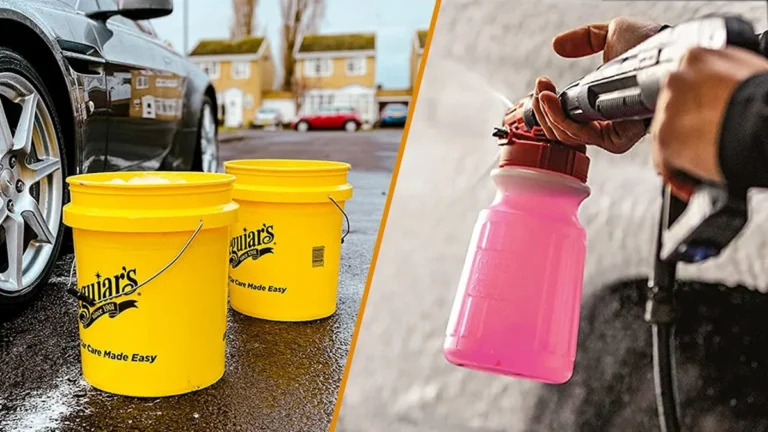
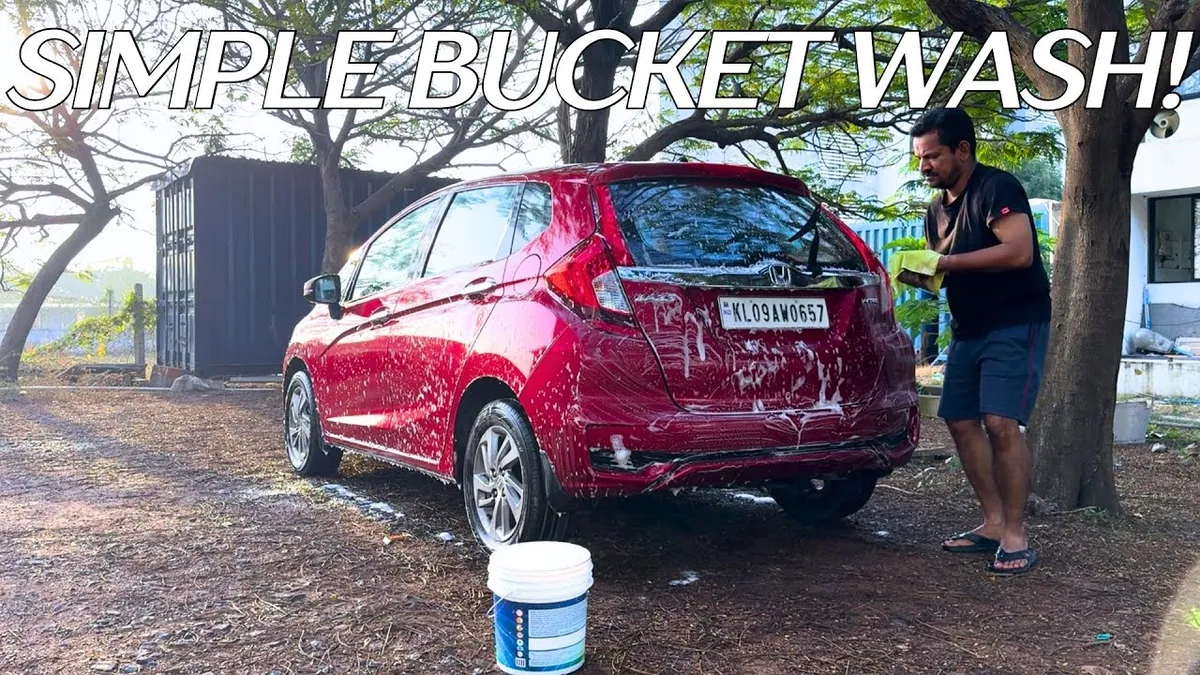
Use the two-bucket method. One bucket holds your soap solution, the other holds clean water for rinsing your mitt. This prevents dirt from being redeposited on your car.
Dry with a high-quality microfiber towel. Regular towels can leave lint and scratches. Microfiber absorbs more water and is gentler on paint.
Work in sections. Wash the roof first, then move to the sides and wheels last. This prevents soap from drying on the surface before you rinse.
Safety & Environmental Considerations
Washing your car at home can send soapy water into storm drains, which often lead directly to rivers and lakes. Even biodegradable soaps can harm aquatic life in high concentrations. Always wash on a gravel or grassy area where water can filter into the ground.
Avoid washing in extreme temperatures. Cold water won’t dissolve soap properly, while hot water can cause spots and premature drying.
Wear gloves if you have sensitive skin. Some ingredients like vinegar or rubbing alcohol can be drying or irritating with prolonged contact.
FAQs About Homemade Car Wash Soap
Can I use Dawn dish soap for a car wash?
No. Dawn and similar dish soaps are too harsh for automotive paint. They strip wax and can damage clear coats over time.
How often should I wash my car with a homemade mix?
Weekly washes are fine for most vehicles. If your car has a ceramic coating, you can extend this to every two weeks.
Will vinegar damage my car’s paint?
Used occasionally in the right dilution, vinegar is safe. But frequent use can degrade wax and sealants. Limit it to once a month.
How do I know if my homemade soap is too strong?
Test it on a small, hidden area first. If it leaves a film or dulls the finish, dilute it further.
Can I use this mix for my RV or boat?
Yes, but adjust the quantity. Larger surfaces may need a stronger concentration. Stick to the same pH guidelines.
Final Verdict: Should You DIY or Stick to Commercial?
Homemade car wash soap works well for regular maintenance if you use the right ingredients. It’s cost-effective and lets you avoid harsh chemicals.
Commercial soaps are more convenient and consistent. They’re formulated for automotive use and often include additives for extra shine and protection.
For most drivers, a DIY mix is worth trying at least once. If you notice streaks, residue, or dulling, switch back to a trusted commercial product.