If you’ve spent good money on a ceramic coating for your car, the last thing you want is a car wash that scrubs it away. The best no touch car wash for ceramic coated car keeps your finish pristine by eliminating physical contact entirely.
Ceramic coatings are rated at 9H on the pencil hardness scale, but even they can’t withstand abrasive brushes or contaminated water. Aggregate reviews show no-touch systems with high-pressure jets and pH-neutral soaps preserve that glossy protection longest.
Quick Answer
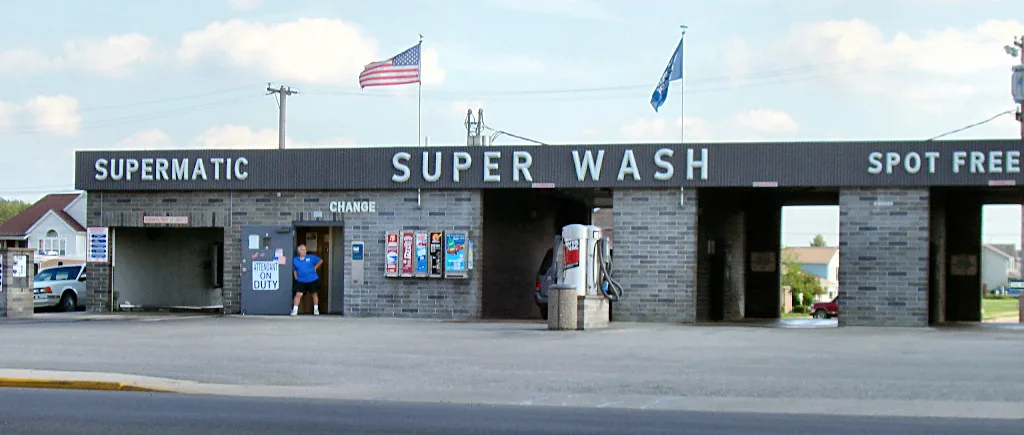
The best no touch car wash for ceramic coated car uses high-pressure water and pH-neutral detergents. It avoids brushes that can scratch or degrade the coating. Spot-free rinses prevent water spots.
Always check for deionized water options.
Why a No-Touch Car Wash Is the Safest Choice for Ceramic Coatings
Ceramic coatings bond to your car’s clear coat, creating a hydrophobic layer that repels water and contaminants. But that layer isn’t invincible. Abrasive brushes, harsh chemicals, or even dirty water can wear it down over time.
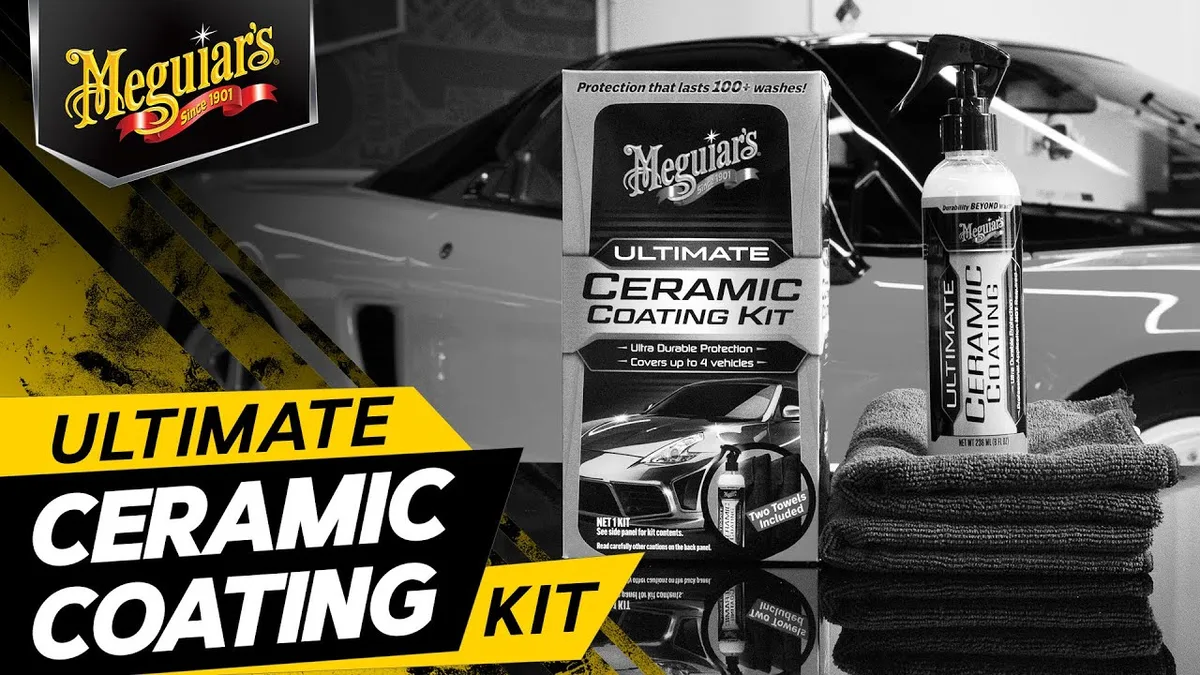
No-touch car washes eliminate the risk of physical damage. They rely on high-pressure water jets (typically 1,000, 2,500 PSI) and specialized soaps to lift dirt without scrubbing. Manufacturer specs from brands like Gyeon and Ceramic Pro confirm this method is gentler on ceramic coatings than soft-cloth or brush systems.
As of 2026, most premium coating brands recommend no-touch washes for routine maintenance.
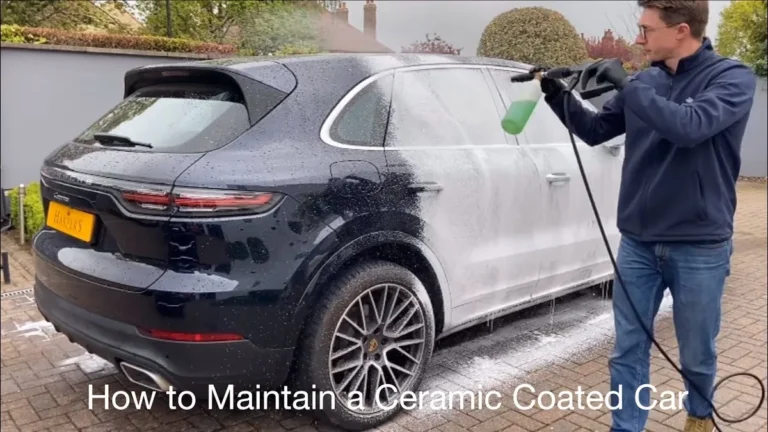
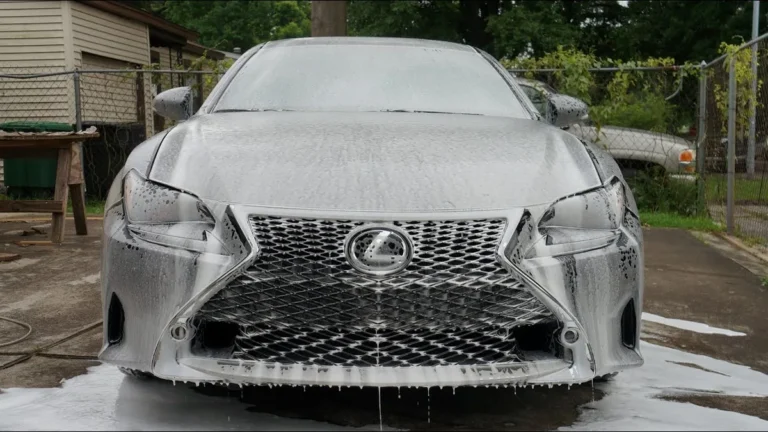
The trade-off is cleaning power. No-touch systems may struggle with baked-on grime like tar or bug splatter. For those, a pre-wash with a foam cannon at home can help before heading to the automatic wash.
How No-Touch Car Washes Work (And Why They’re Different)
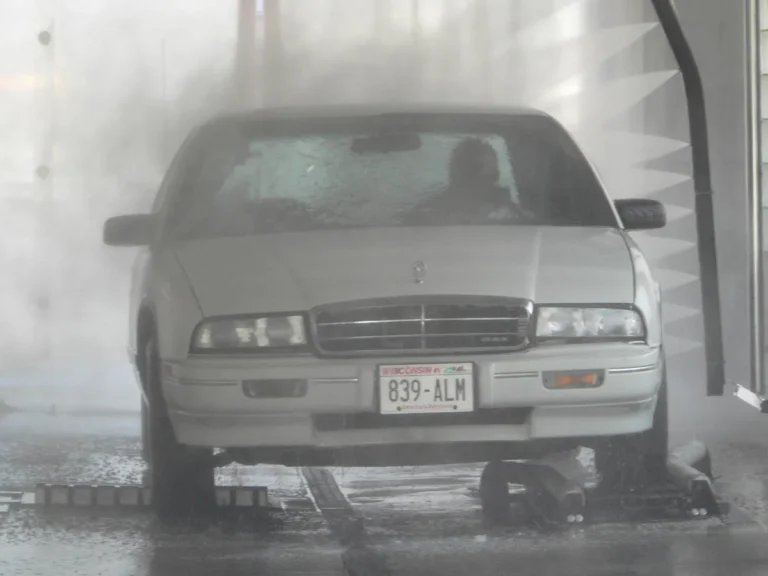
A no-touch car wash follows a simple but effective process. First, a pre-soak cycle loosens surface dirt. Then, high-pressure jets blast away contaminants from all angles.
After that, a pH-neutral soap or foam is applied to break down stubborn grime. Finally, a rinse cycle, ideally with spot-free water, removes all residue.
What sets no-touch systems apart is the absence of brushes or cloth. Traditional automatic washes use rotating brushes or soft cloth strips, which can trap dirt and drag it across your paint. Even “soft-cloth” systems risk micro-scratches over time.
No-touch washes, on the other hand, rely solely on water pressure and chemicals, making them the safest option for ceramic-coated cars.
The water pressure in these systems is key. Too low, and it won’t clean effectively. Too high, and it could stress the edges of your ceramic coating.
Most reputable no-touch washes operate in the 1,200, 2,000 PSI range, which is strong enough to clean but gentle enough for coatings.
What to Look for in a No-Touch Car Wash for Ceramic Coats
Not all no-touch car washes are created equal. To protect your ceramic coating, prioritize these features:
- pH-neutral soaps: Harsh detergents can degrade ceramic coatings over time. Look for washes that explicitly use pH-balanced (6.5, 7.5) cleaners.
- Spot-free rinse: Hard water leaves mineral deposits that can etch into your coating. Deionized or reverse-osmosis water prevents this.
- High-pressure jets: Ensure the system uses at least 1,200 PSI for thorough cleaning without contact.
- Multiple rinse cycles: A single rinse often isn’t enough. The best systems include pre-rinse, soap application, and final rinse stages.
- Blower drying: Air blowers reduce water spots by removing most moisture before it can evaporate and leave marks.
Avoid washes that use recycled water unless it’s filtered and softened. Contaminants in recycled water can settle on your coating and cause long-term damage.
No-Touch vs. Soft-Cloth vs. Hand Wash: Which Is Best for Ceramic?
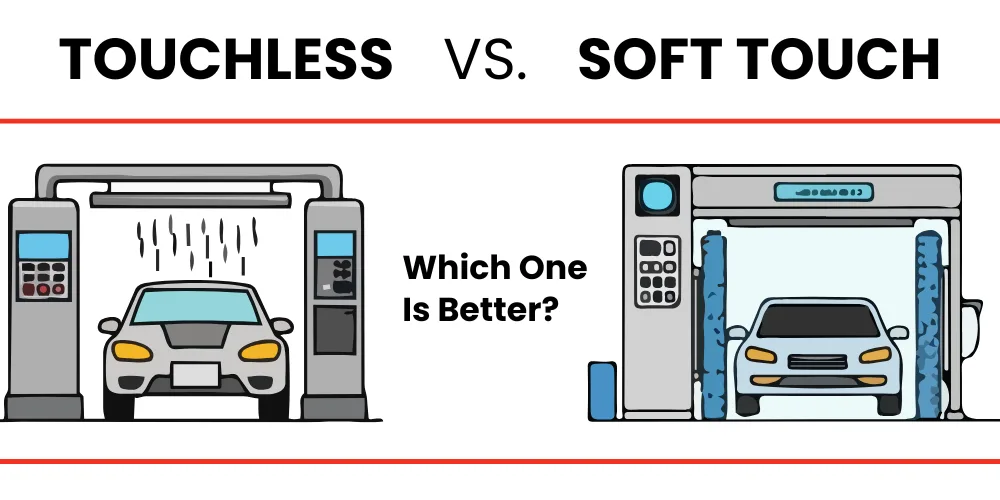
No-touch car washes are the safest for ceramic coatings, but they’re not the only option. Here’s how they compare:
| Factor | No-Touch | Soft-Cloth | Hand Wash |
|---|---|---|---|
| Contact with paint | None | Yes (cloth strips) | Yes (sponge/mitt) |
| Cleaning power | Good for loose dirt, less for stubborn grime | Stronger, but risk of trapped dirt | Best for deep cleaning |
| Risk to coating | Lowest | Moderate (depends on maintenance) | Low (if done correctly) |
| Time/effort | Fast, hands-off | Fast, hands-off | Slow, labor-intensive |
| Cost | Moderate ($15–$30 per wash) | Low ($10–$20 per wash) | Low (DIY) or high (professional detail) |
For ceramic-coated cars, no-touch is the clear winner for regular maintenance. Soft-cloth washes are a distant second, only use them if the brushes are well-maintained and the water is filtered. Hand washing is ideal for deep cleaning but isn’t practical for frequent use.
If you’re in a pinch and only have access to a soft-cloth wash, choose one with a “ceramic-safe” or “brushless” option. Always pre-rinse your car to remove loose dirt before entering the wash.
The 5 Best No-Touch Car Wash Options for Ceramic-Coated Cars
Not all no-touch washes are equal. The best ones for ceramic coatings share a few key traits: high-pressure jets, pH-neutral soaps, and spot-free rinses.
Premium automatic chains like Zips and Mister Car Wash offer no-touch programs with ceramic-safe settings. These use filtered water and adjustable pressure to avoid damaging coatings. Cost runs $20, $30 per wash.
Self-service no-touch bays give you control over pressure and soap type. Look for locations with deionized water and pH-balanced detergents. These are ideal if you want to customize the wash cycle.
Mobile no-touch services bring the equipment to you. They often use higher-end chemicals and water filtration than fixed locations. Pricing is typically $40, $60 per wash.
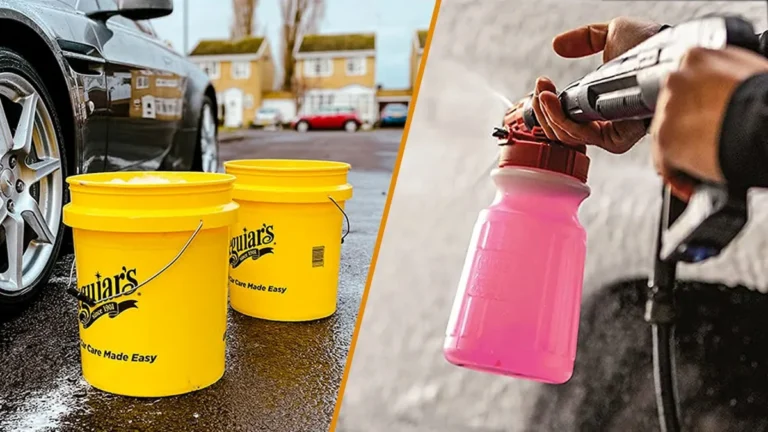
DIY no-touch setups with a pressure washer (1,500, 2,000 PSI) and foam cannon work well for enthusiasts. Use a ceramic-safe shampoo and always pre-rinse to avoid dragging dirt.
Dealership or detail shop no-touch washes are the most controlled option. They often use professional-grade equipment and coatings-specific products. Expect to pay $30, $50 per session.
Pros and Cons of No-Touch Washes for Ceramic Coatings
No-touch car washes excel at preserving ceramic coatings, but they’re not perfect.
Pros:
- Zero physical contact means no swirl marks or scratches.
- pH-neutral soaps won’t degrade the coating over time.
- Fast and convenient for regular maintenance.
- Spot-free rinses reduce water spotting.
- Consistent results with automated systems.
Cons:
- May not remove heavy contaminants like tar or bug splatter.
- Hard water can still cause spots if not filtered.
- Higher cost than basic automatic washes.
- Limited availability in some areas.
- Less cleaning power than hand washing for deep grime.
For most ceramic-coated cars, the pros far outweigh the cons. The key is choosing a high-quality no-touch system and supplementing with occasional hand washes for stubborn dirt.
Common Mistakes That Ruin Ceramic Coatings in Automatic Washes
Even with a no-touch wash, mistakes can damage your ceramic coating.
Using the wrong soap. Alkaline or acidic cleaners break down the coating’s hydrophobic layer. Stick to pH-neutral (6.5, 7.5) car shampoos.
Skipping the pre-rinse. Loose dirt can turn into abrasive particles under high pressure. Always pre-rinse at home or use a wash with a pre-soak cycle.
Ignoring water quality. Hard water leaves mineral deposits that etch into the coating. Opt for washes with deionized or filtered water.
Overusing high pressure. Excessive PSI can stress the edges of the coating. Most ceramic coatings handle 1,200, 2,000 PSI safely, but higher settings risk peeling.
Not drying properly. Water spots form when minerals are left to evaporate. Use a blower or microfiber towel to dry the car immediately after washing.
How Often Should You Wash a Ceramic-Coated Car?
Wash your ceramic-coated car every 1, 2 weeks to maintain its protective layer. More frequent washing prevents contaminants from bonding to the surface, which can degrade the coating over time.
In harsh conditions like winter (road salt) or high-pollution areas, increase the frequency to weekly. Use a no-touch wash for routine cleaning and reserve hand washing for deep cleaning sessions every 1, 2 months.
Over-washing isn’t a major risk with no-touch systems, but avoid daily washes unless absolutely necessary. The coating’s hydrophobic properties make it easier to clean, but excessive washing can still wear it down prematurely.
Step-by-Step: How to Use a No-Touch Car Wash Without Damaging Your Coating
Start with a pre-rinse at home to remove loose dirt. This prevents abrasive particles from being blasted against your coating during the wash.
Choose a no-touch wash with pH-neutral soap and a spot-free rinse option. Avoid any wash that uses recycled water unless it’s filtered and softened.
Position your car correctly in the bay to ensure full coverage. Misalignment can leave areas unwashed or expose parts of the car to excessive pressure.
After the wash, use the blower to remove as much water as possible. If the wash doesn’t have a blower, dry the car immediately with a clean microfiber towel to prevent water spots.
Inspect the car for any missed spots or residue. If needed, do a quick touch-up with a detail spray and microfiber cloth.
pH, Pressure, and Water: The Science Behind Safe Washing
Ceramic coatings bond at a molecular level to your clear coat, but they’re not indestructible. The pH of your car wash soap matters because alkaline or acidic cleaners can break down the coating’s hydrophobic layer. Stick to pH-neutral soaps (6.5, 7.5) to maintain the coating’s integrity.
Water pressure is another critical factor. Too low, and the wash won’t clean effectively. Too high, and it can stress the edges of the coating.
Most ceramic coatings handle 1,200, 2,000 PSI safely, but anything above 2,500 PSI risks peeling or damaging the coating over time.
Water quality also plays a role. Hard water contains minerals that can leave deposits on your coating, leading to water spots and etching. Deionized or reverse-osmosis water is ideal for a spot-free finish.
Hard Water vs. Deionized Water: Does It Matter for Ceramic?
Hard water does matter for ceramic coatings. The minerals in hard water, like calcium and magnesium, can leave behind deposits that etch into the coating’s surface. Over time, these deposits can dull the finish and reduce the coating’s hydrophobic properties.
Deionized water, on the other hand, has had its minerals removed. This prevents water spots and keeps your coating looking glossy. Many premium no-touch car washes use deionized water for their final rinse cycle.
If you’re washing at home, consider using a water softener or a deionizing filter for your pressure washer. This small investment can extend the life of your ceramic coating and keep your car looking its best.
Drying Matters: How to Prevent Water Spots After a No-Touch Wash
Water spots form when minerals in water are left to evaporate on your car’s surface. These spots can etch into your ceramic coating, leaving permanent marks. The best way to prevent them is to dry your car immediately after washing.
Use a high-velocity air blower if your no-touch wash has one. This removes most of the water before it can evaporate. If a blower isn’t available, use a clean microfiber towel to dry the car by hand.
Avoid letting the car air-dry, as this is when water spots are most likely to form.
For extra protection, apply a quick detail spray after drying. This adds a temporary hydrophobic layer that helps repel water and prevents spots from forming in the future.
Cost of No-Touch Washes: Is It Worth It for Ceramic Coats?
No-touch car washes typically cost more than traditional automatic washes, but the investment is worth it for ceramic-coated cars. Expect to pay $15, $30 per wash at a premium no-touch facility. This higher cost reflects the specialized equipment and pH-neutral soaps used to protect your coating.
Self-service no-touch bays are a more affordable option, usually ranging from $10, $20 per wash. These give you control over the pressure and soap type, but you’ll need to ensure the water is filtered and the soap is ceramic-safe.
Mobile no-touch services and dealership washes are at the higher end of the price spectrum, often $40, $60 per session. These options provide the most controlled environment and often use professional-grade products, making them ideal for maintaining a high-end ceramic coating.
DIY vs. Professional No-Touch Washes: Which Should You Choose?
DIY no-touch washing is a great option if you have the right equipment. A pressure washer with 1,500, 2,000 PSI, a foam cannon, and a pH-neutral car shampoo can deliver professional-level results. This approach gives you full control over the process and is cost-effective for frequent washing.
However, DIY washing requires time, space, and the right tools. If you don’t have access to a pressure washer or a well-ventilated area, a professional no-touch wash may be the better choice. These facilities use commercial-grade equipment and filtered water, ensuring a thorough and safe clean.
For most ceramic-coated car owners, a mix of both is ideal. Use a professional no-touch wash for regular maintenance and supplement with DIY washing for deep cleaning or when you need to address specific contaminants.
Frequently Asked Questions
Will a no-touch car wash damage my ceramic coating?
No, a properly maintained no-touch car wash will not damage your ceramic coating. It uses high-pressure water and pH-neutral soaps to clean without physical contact. Just ensure the wash uses filtered water and avoids harsh chemicals.
How often should I wash my ceramic-coated car?
Wash your ceramic-coated car every 1, 2 weeks for routine maintenance. In harsh conditions like winter or high-pollution areas, increase the frequency to weekly. Use a no-touch wash for regular cleaning and hand wash for deep cleaning every 1, 2 months.
Can I use a soft-cloth car wash on a ceramic-coated car?
You can, but it’s not ideal. Soft-cloth washes risk micro-scratches from trapped dirt. If you must use one, choose a well-maintained facility with filtered water and ceramic-safe settings.
Pre-rinsing your car helps reduce the risk.
What’s the best way to dry my car after a no-touch wash?
Use a high-velocity air blower if available. This removes most water before it can evaporate and leave spots. If a blower isn’t an option, dry the car immediately with a clean microfiber towel.
Avoid air-drying, as this increases the risk of water spots.
Does hard water affect ceramic coatings?
Yes, hard water can leave mineral deposits that etch into the coating’s surface. Over time, these deposits can dull the finish. Deionized or filtered water is the best choice for washing ceramic-coated cars.
Are no-touch car washes more expensive?
Yes, no-touch car washes typically cost more than traditional automatic washes. Expect to pay $15, $30 per wash at a premium facility. The higher cost reflects the specialized equipment and pH-neutral soaps used to protect your coating.