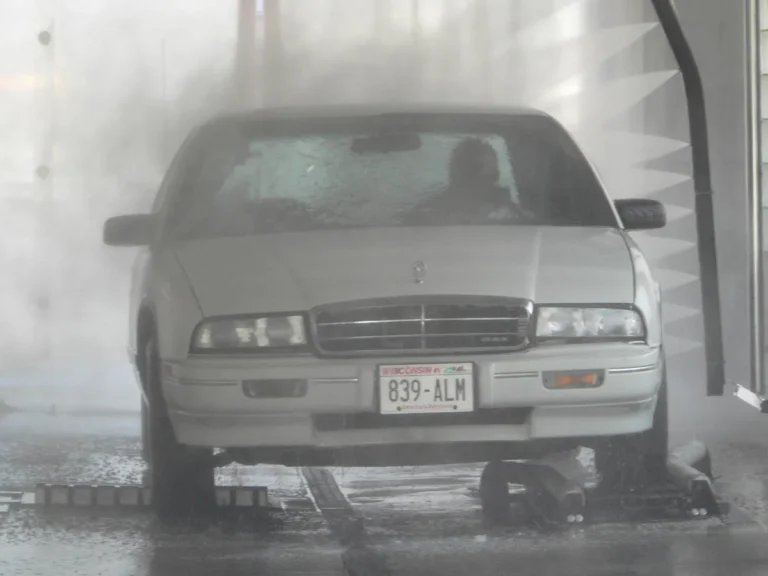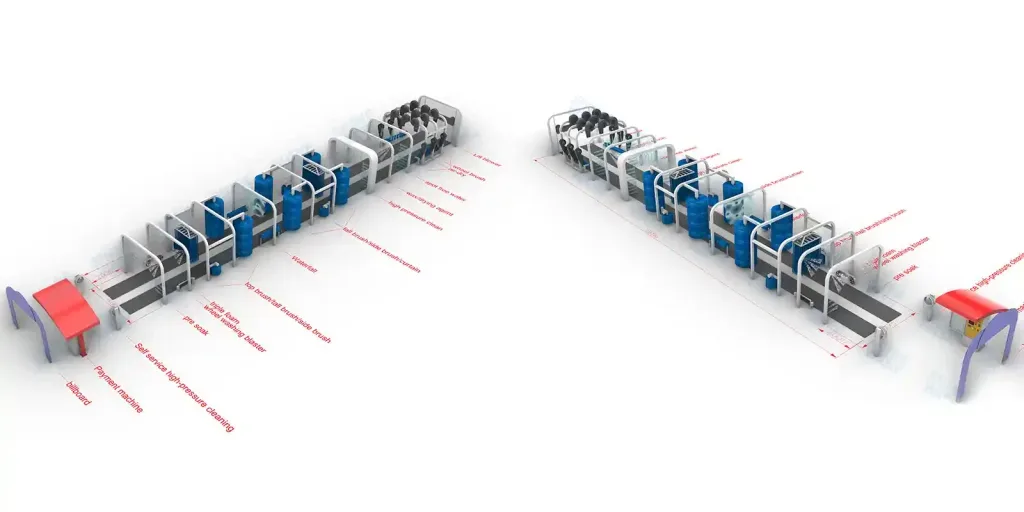
You’ve pulled up to the entrance, wondering how does a drive through car wash work and whether it’s safe for your paint. The answer is simpler than it looks: a conveyor moves your car through a series of automated cleaning stages while you stay inside. No manual scrubbing, no guesswork.
Most drive-through washes process a vehicle in 5, 15 minutes, using about 30, 80 gallons of water per cycle. The real difference comes down to the system, soft-cloth brushes or high-pressure touchless jets.
Quick Answer
A drive through car wash uses a conveyor to pull your car through a tunnel. Soft brushes or high-pressure water remove dirt in stages. Each stage applies soap, rinse, or wax automatically.
The system finishes with air blowers to dry the surface.
How a Drive-Through Car Wash Actually Works
The core idea is automation. Your car rolls onto a conveyor belt, which moves it through a sequence of cleaning stations at a controlled speed, usually 1 to 3 mph. Sensors detect your vehicle’s size and position, ensuring the equipment targets the right areas without contact (in touchless systems) or with gentle brushes (in soft-cloth systems).
Manufacturer specs confirm that modern tunnels use a combination of chemicals, water pressure, and mechanical action. The conveyor’s speed and the timing of each stage are calibrated to clean without damaging the finish. As of 2026, most commercial tunnels also include water recycling systems to reduce waste.
The Step-by-Step Process Inside the Tunnel
The wash follows a fixed order, though the exact timing varies by operator.
- Pre-soak: Alkaline or acidic solution breaks down road film.
- High-pressure rinse: 800, 1,200 PSI jets remove loose debris.
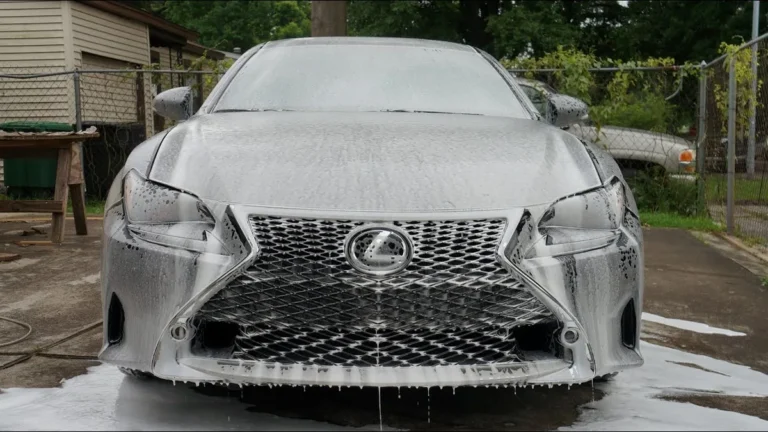
- Foam application: Thick detergent clings to vertical surfaces.
- Scrubbing (soft-cloth) or jet blast (touchless): Physical or water-based agitation.
- Rinse: Fresh water removes soap residue.
- Wax/sealant (optional): Adds a protective layer for shine and UV resistance.
- Final rinse: Spot-free water prevents mineral deposits.
- Drying: Air blowers or microfiber strips remove remaining water.
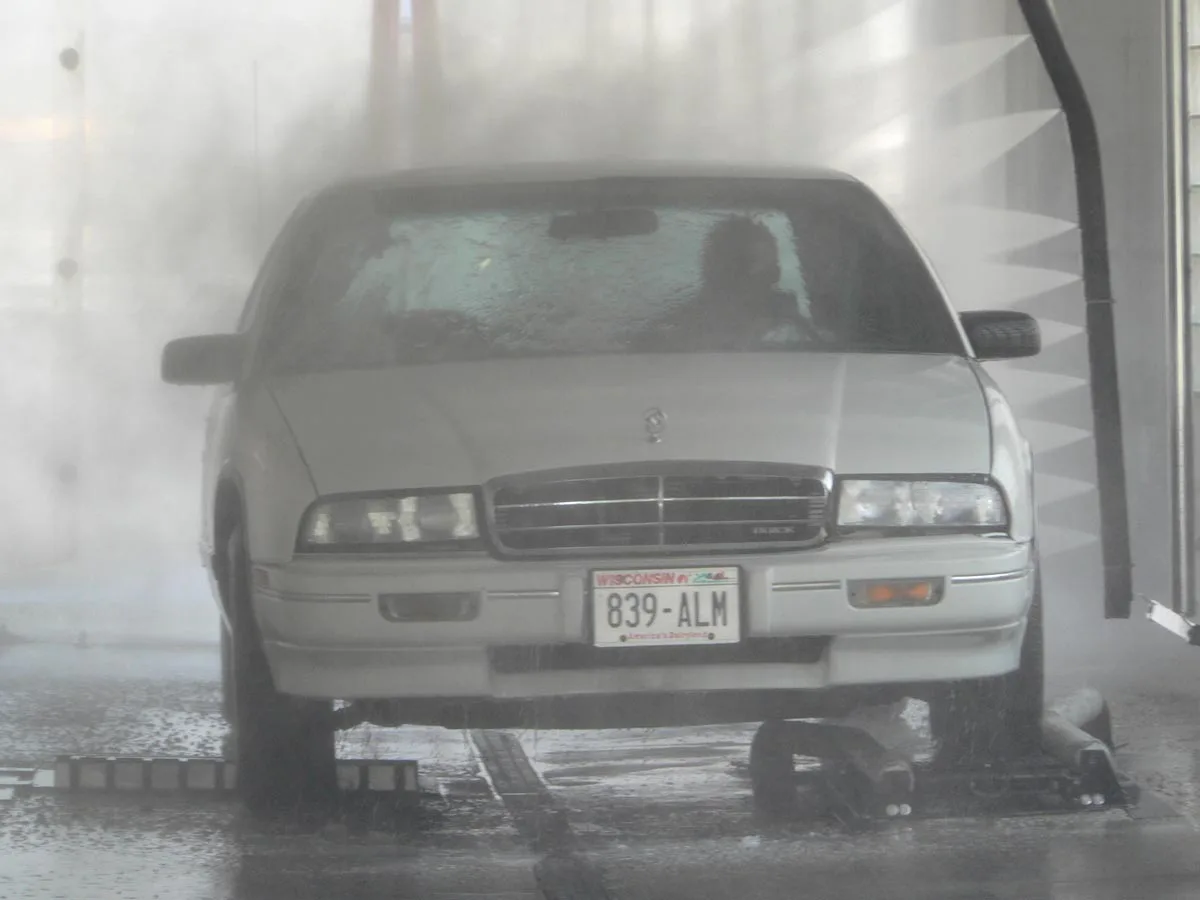
Touchless systems skip the scrubbing stage entirely. They rely on stronger chemicals and higher water pressure to compensate.
What You Need to Do Before, During, and After
Before entering
Remove loose items like antennas or bike racks. Close windows and retract side mirrors if possible. Check your vehicle height against the tunnel’s limit, most cap at 6’6” to 8’.
During the wash
Put the car in neutral (manual) or park (automatic). Keep hands and feet inside. Let the conveyor do the work, don’t brake or accelerate.
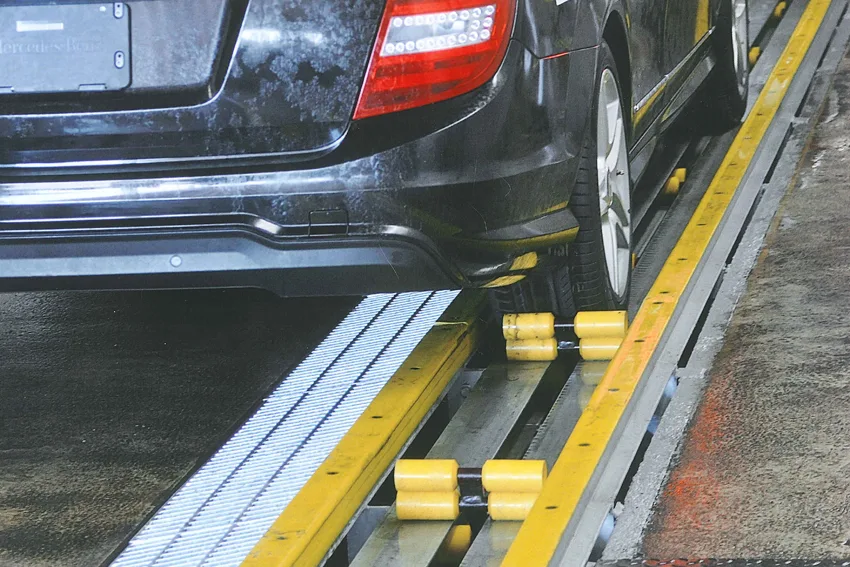
The alignment guides will keep your wheels straight. If your car stalls, stay calm and wait for the system to reset.
After the wash
Check for missed spots around mirrors and wheel wells. If water remains, use a microfiber towel to prevent spots. Reattach any removed parts.
Common Mistakes That Ruin the Results (or Your Car)
Going in with a dirty car can grind debris into the paint. Always rinse off loose dirt first if possible.
Ignoring height limits risks damage to your vehicle or the equipment. Most tunnels post their clearance at the entrance.
Using a soft-cloth wash with a heavily soiled car can transfer grit. Touchless is safer in these cases.
Leaving windows down lets water inside. That’s an easy fix, just roll them up before entering.
Who It’s Best For (and Who Should Avoid It)
Drive-through washes are ideal for busy drivers who need a quick, consistent clean. They’re also great for regular maintenance between deeper detail sessions.
Avoid them if your car has loose parts, aftermarket spoilers, or extreme modifications. The conveyor and equipment can catch on these.
Owners of classic or high-end cars often skip drive-through washes. Hand washing or touchless systems are gentler for delicate finishes.
Fleet vehicles benefit from the speed and consistency. Many commercial washes offer memberships for frequent users.
Cost, Time, and What Affects Both
Basic washes start around $8 to $12. Premium packages with wax and undercarriage cleaning can reach $20 to $25.
Time varies by tunnel length and traffic. Most take 5 to 15 minutes from start to finish.
Water usage ranges from 30 to 80 gallons per wash. Many modern systems recycle a portion of this.
Location affects pricing. Urban areas and high-traffic tunnels often charge more. Seasonal demand can also push prices up.
Safety Rules You Should Never Ignore
Always stay in your vehicle with the engine running. The conveyor needs your car in gear to move smoothly.
Keep all doors, windows, and sunroofs closed. Water and cleaning chemicals can damage interiors or electronics.
Never attempt to exit the car during the wash. The equipment operates automatically and can’t stop instantly.
If your vehicle stalls, turn on your hazard lights. Most tunnels have an emergency stop button or attendant to assist.
How Often You Should Really Use One
For daily drivers in normal conditions, a drive-through wash every two weeks keeps dirt and contaminants in check. This prevents buildup that can damage paint over time.
In winter, increase the frequency to weekly if you drive on salted roads. Salt accelerates corrosion and needs prompt removal.
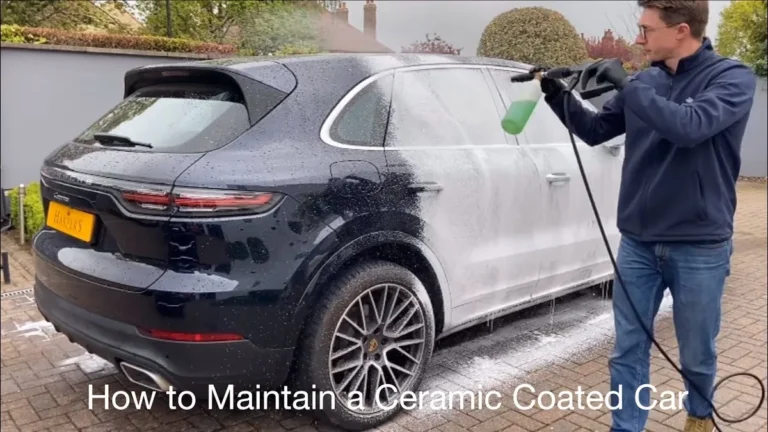
For vehicles with ceramic coatings or sealants, limit washes to every 3, 4 weeks. Frequent cleaning can degrade these protective layers faster.
If your car sits outside, more frequent washes help protect the finish from UV damage and bird droppings. These can etch paint if left untreated.
Soft-Cloth vs. Touchless: How the Wash Type Changes the Experience
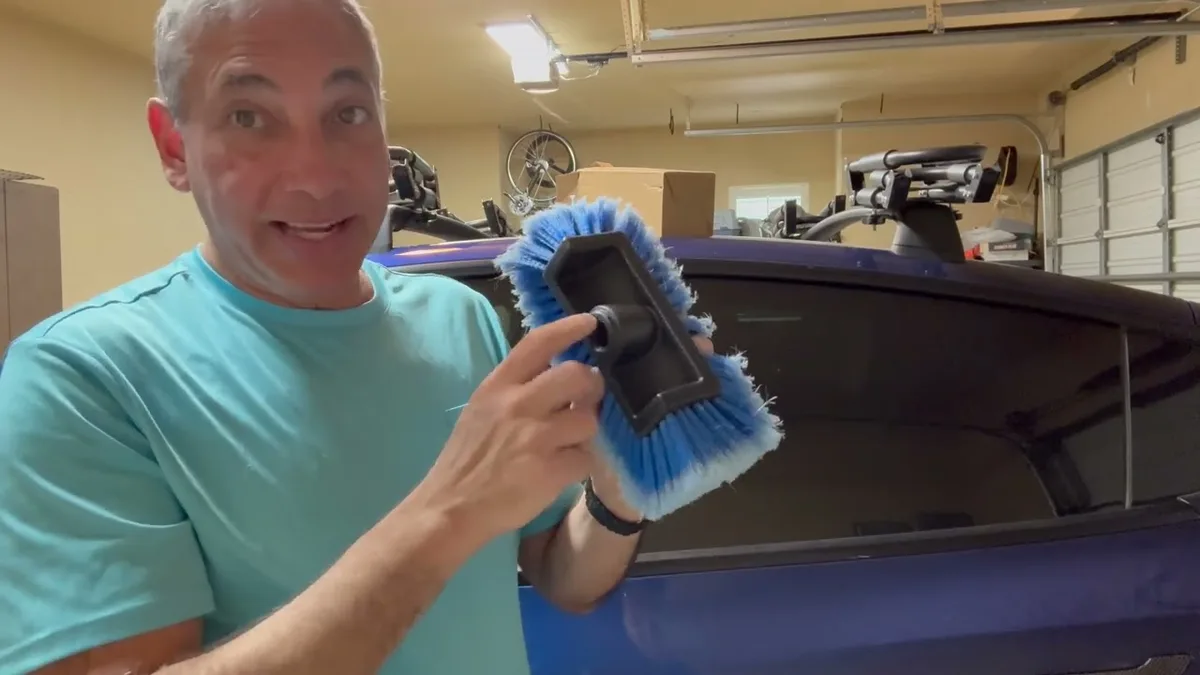
The two main systems each have trade-offs. Soft-cloth washes use fabric brushes to physically scrub the surface, which can remove more embedded dirt but may pose a slight risk if the brushes aren’t clean. Touchless washes rely on high-pressure water and chemicals, which are gentler on paint but might struggle with caked-on mud or sap.
| Feature | Soft-Cloth Wash | Touchless Wash |
|---|---|---|
| Cleaning method | Brushes + water | High-pressure water only |
| Paint safety | Good if brushes are clean | Best for delicate finishes |
| Dirt removal | Better for heavy grime | Struggles with thick mud |
| Drying effectiveness | Often better | Can leave more water spots |
Soft-cloth systems are common in colder climates where road salt is a concern, as the brushes help dislodge stubborn residue. Touchless washes, meanwhile, are popular in areas with strict water regulations, as they often use less liquid overall.
FAQs About Drive-Through Car Washes
Can a drive-through car wash damage my paint?
Modern systems are designed to be safe, but dirty brushes or improper maintenance can cause swirl marks. Touchless washes eliminate this risk entirely.
How do I know if my car is too tall for the tunnel?
Most tunnels post height limits at the entrance, typically between 6’6” and 8’. Check your vehicle’s height in the owner’s manual if unsure.
Do drive-through washes clean the undercarriage?
Many offer undercarriage cleaning as an add-on. This is especially useful in winter to remove road salt and grime.
Why does my car still have water spots after the wash?
Water spots occur if the drying stage doesn’t remove all moisture. A quick wipe with a microfiber towel afterward can prevent this.
Are drive-through washes bad for the environment?
Many modern systems recycle water and use biodegradable soaps. However, they still consume significant water and energy compared to hand washing.
Can I wash a convertible in a drive-through car wash?
It’s generally safe if the top is up and secured. Always check the manufacturer’s recommendations for your specific model.