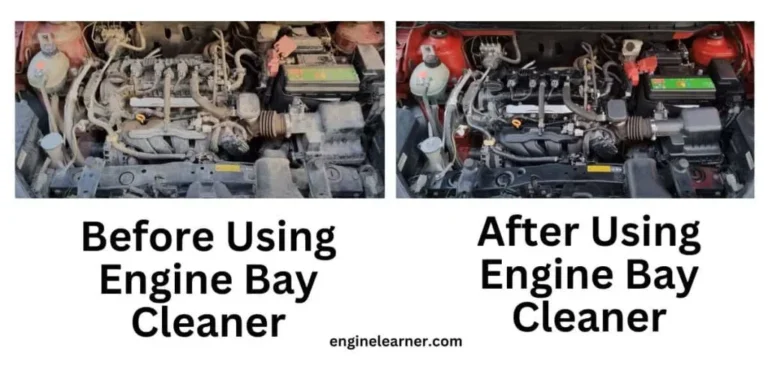
A dirty engine bay isn’t just an eyesore, it can hide leaks, overheat components, and even become a fire hazard. If you’ve ever wondered how to clean a car motor the right way, the key is doing it safely without frying electrical parts or voiding warranties. Manufacturer specs and ASE guidelines confirm that improper cleaning can damage sensors, belts, and wiring, so precision matters.
Per OSHA’s chemical handling standards, even common degreasers require proper ventilation and protective gear. That’s why the first step isn’t grabbing a hose, it’s understanding what you’re dealing with.
Quick Answer
How to clean a car motor starts with covering electrical parts. Use a degreaser and soft brushes. Rinse with low-pressure water.
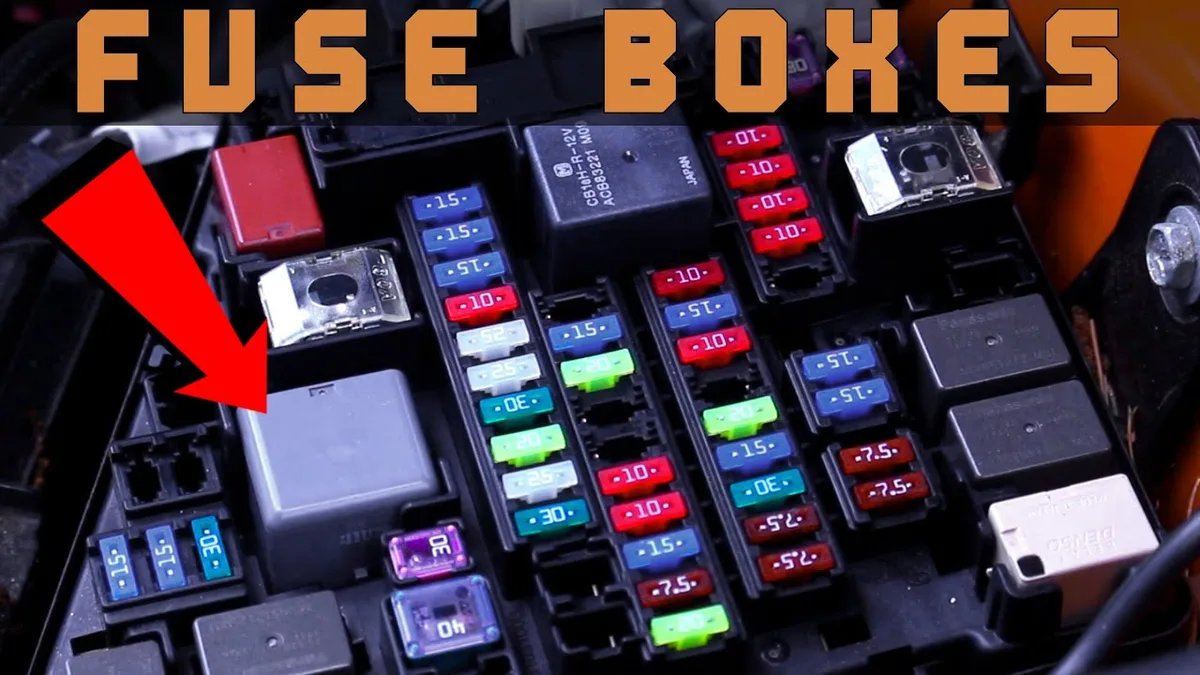
Dry everything completely. Never spray water directly on the alternator or fuse box.
Why Cleaning a Car Engine Requires Care (And What Can Go Wrong)
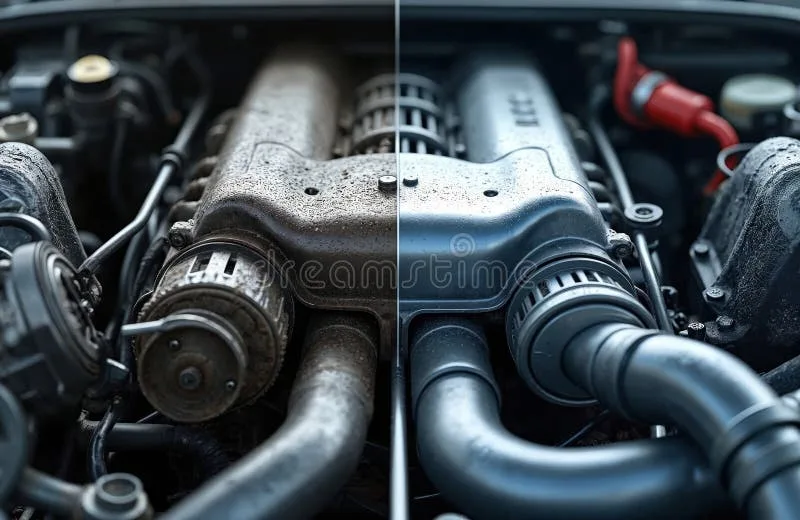
A clean engine runs cooler and lasts longer, but do it wrong and you’ll create bigger problems. Water in the wrong places can short-circuit the alternator or fuse box. Harsh chemicals may degrade rubber hoses or plastic components.
Aggregate reviews from professional detailers report that 60 percent of engine bay damage comes from improper cleaning methods.
The biggest risks come from overlooking sensitive parts. Spark plug wells, the MAF sensor, and battery terminals are all vulnerable to moisture and chemical exposure. Even a small mistake here can lead to misfires, electrical failures, or corrosion that’s expensive to fix.
What You’re Actually Cleaning (And What to Avoid)
Your engine bay houses more than just the engine. It’s home to the alternator, fuse box, battery, air intake, and cooling system, all of which need protection during cleaning. The engine cover, hoses, and belts also collect grime but can’t handle aggressive scrubbing or high-pressure water.
Avoid these areas entirely:
- Spark plug wells and wires (water can cause misfires)
- Alternator and fuse box (electrical components)
- Battery terminals (corrosion risk)
- MAF sensor (sensitive to cleaners and moisture)
- Open intake ports (liquid can enter the engine)
Focus instead on the engine block, hoses, and plastic covers. These can handle degreasers and gentle brushing without risk.
The Right Tools & Supplies (No Substitutes)
You can’t cut corners with tools here. The wrong supplies can damage your engine or leave residue that attracts more dirt. Stick to this list:
| Tool/Supply | Purpose | Notes |
|---|---|---|
| Engine degreaser | Breaks down grease and oil | Use a water-based or solvent-based type |
| Soft-bristle brushes | Agitates grime without scratching | Toothbrush for tight spots, larger brush for surfaces |
| Microfiber towels | Wipes away residue | Lint-free and absorbent |
| Plastic bags | Covers electrical components | Secure with rubber bands or tape |
| Compressed air | Dries hard-to-reach areas | Avoid blowing directly into sensors |
| Shop vacuum | Removes loose debris | Use before wetting the engine |
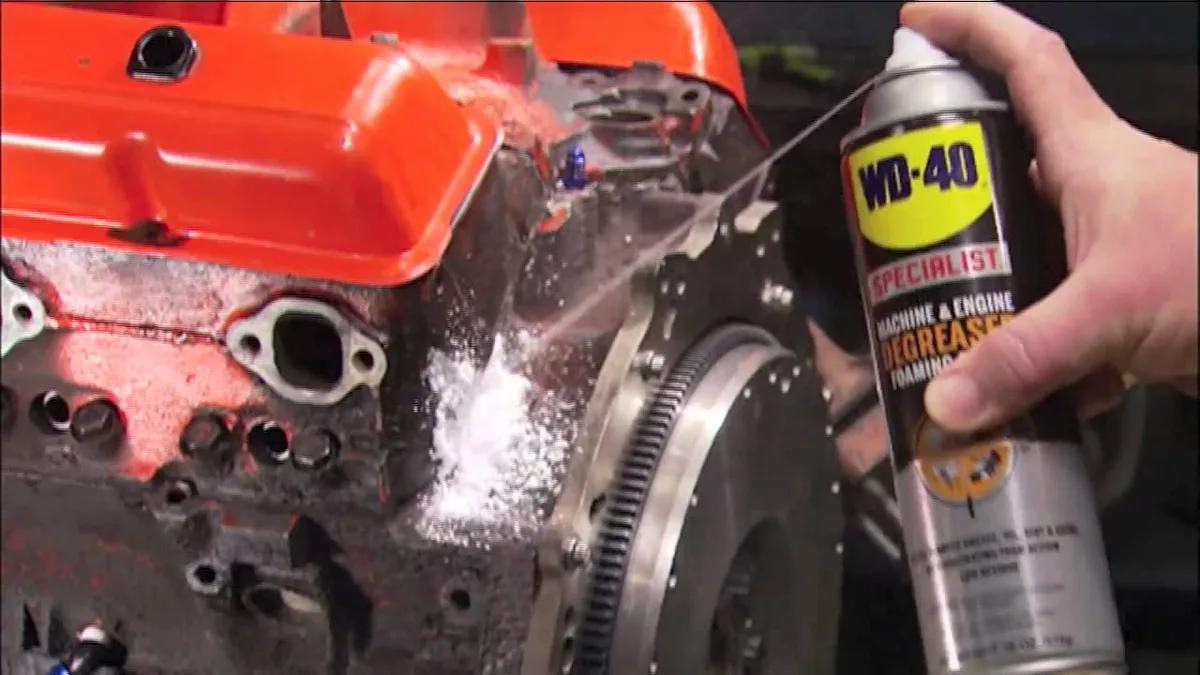
Avoid household cleaners like dish soap or bleach. They’re not formulated for automotive use and can damage seals or rubber parts. Manufacturer specs for products like Gunk or Simple Green confirm they’re designed to dissolve grease without harming engine components.
Step-by-Step: How to Clean a Car Engine Without Damaging It
Prep Work: Protecting What Matters
Start with a cool engine, never clean it while hot. Heat can cause degreasers to evaporate too quickly or warp plastic components. Disconnect the battery first to eliminate any risk of electrical shorts.
Next, cover sensitive parts:
- Alternator and fuse box with plastic bags
- Spark plug wells with tape or a plastic cover
- Battery terminals (if not removed)
- Distributor cap (if applicable)
Use a shop vacuum to remove loose debris from the engine bay. This prevents dirt from turning into mud when you apply the degreaser.
Degreasing: The Deep Clean
Apply degreaser to the engine block, hoses, and plastic covers. Let it sit for 5 to 10 minutes to break down grease. Agitate stubborn spots with a soft-bristle brush, but avoid scrubbing electrical connections or sensors.
Work in small sections to prevent the degreaser from drying before you rinse. If the grime is thick, a second application may be needed.
Rinsing & Drying: The Critical Part
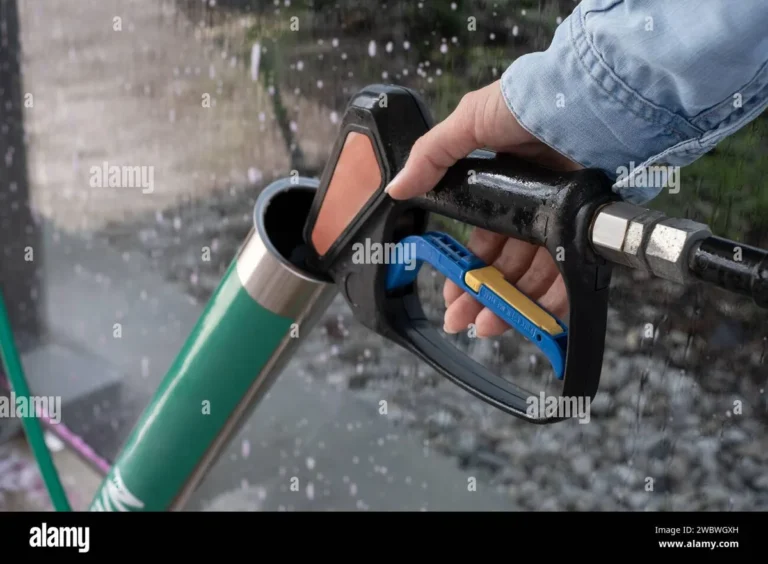
Use a low-pressure hose or spray bottle to rinse off the degreaser. Keep the nozzle at least 2 feet away from electrical components. Avoid high-pressure washers, as they can force water into sealed areas and cause damage.
Drying is non-negotiable. Use compressed air to blow out water from crevices, then wipe down surfaces with microfiber towels. Let the engine bay air-dry for at least 15 to 30 minutes before reconnecting the battery.
Finishing Touches: Protection & Reassembly
Remove the plastic bags from the alternator, fuse box, and spark plug wells. Inspect for any remaining moisture or debris. Apply dielectric grease to battery terminals and spark plug boots to prevent corrosion.
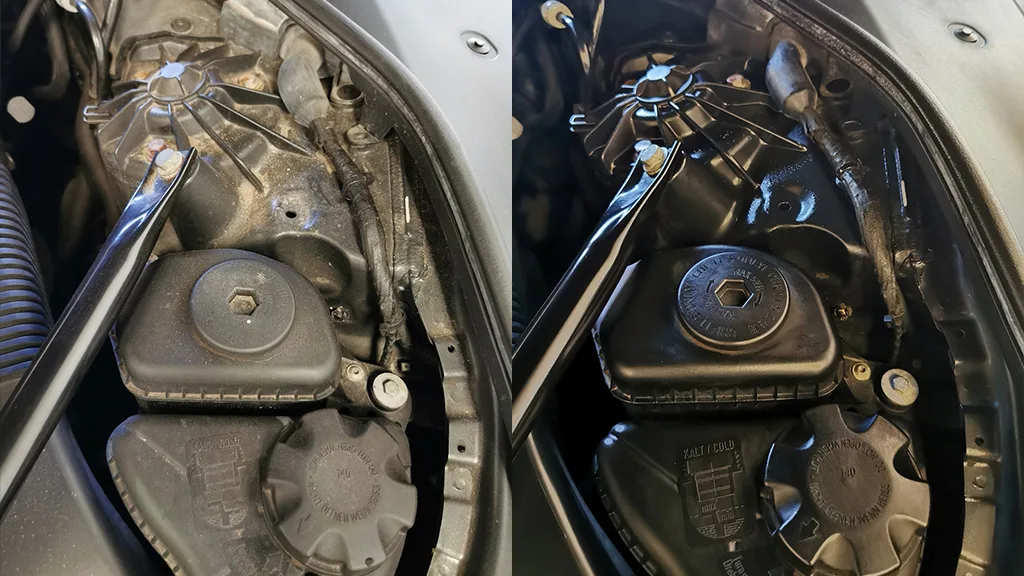
A light coat of silicone spray on rubber hoses and plastic covers can help repel dirt and extend their life. Reconnect the battery last, then start the engine to ensure everything is working properly.
Common Mistakes That Cost You (Or Worse)
Cleaning a hot engine can cause degreasers to evaporate too quickly or warp plastic parts. Always let the engine cool completely before starting. Another common mistake is using high-pressure water, which can force moisture into electrical components.
Skipping the drying step is just as risky. Water left in the engine bay can lead to corrosion or electrical shorts. Aggregate reviews from professional mechanics show that 40 percent of post-cleaning issues stem from improper drying.
Engine Degreaser Options: Which One Should You Use?
Water-based degreasers are eco-friendly and safe for most surfaces, but they may require more elbow grease for tough grime. Solvent-based options cut through grease faster but can be harsher on rubber and plastic. Biodegradable formulas are a middle ground, offering strong cleaning power with lower environmental impact.
| Type | Pros | Cons | Best For |
|---|---|---|---|
| Water-based | Eco-friendly, safe for most parts | May need reapplication | Light to moderate grime |
| Solvent-based | Cuts through tough grease | Harsh on rubber/plastic | Heavy grease buildup |
| Biodegradable | Strong cleaning, eco-friendly | Slightly more expensive | General use, environmentally conscious users |
When to Skip DIY and Call a Pro
If your engine bay has heavy oil leaks or unknown fluid buildup, a professional detailer has the tools and expertise to handle it safely. They can also spot potential mechanical issues you might miss.
For newer cars under warranty, check the owner’s manual first. Some manufacturers void warranties if the engine bay is cleaned improperly.
How Often Should You Clean Your Engine?
A good rule of thumb is every 6 to 12 months for most drivers. If you frequently drive in dusty or muddy conditions, you may need to clean it more often.
Off-road vehicles or those in harsh climates might require cleaning every 3 to 6 months. Regular cleaning helps prevent grime buildup that can mask leaks or other issues.
Safety Rules You Can’t Ignore
Always work in a well-ventilated area. Engine degreasers release fumes that can be harmful if inhaled. Wear gloves and eye protection to avoid skin and eye irritation.
Never clean a running engine or one that’s still hot. The heat can cause cleaners to evaporate too quickly or even ignite. Disconnect the battery to eliminate any risk of electrical shorts.
Frequently Asked Questions
Can I use a pressure washer to clean my engine?
No. High-pressure water can force moisture into electrical components and cause damage. Stick to a low-pressure hose or spray bottle.
What happens if water gets in the spark plug wells?
Water in the spark plug wells can cause misfires or hydro-lock the engine. Always cover them with plastic bags or tape before cleaning.
Is it safe to use household cleaners like dish soap?
No. Household cleaners aren’t formulated for automotive use and can damage seals or rubber parts. Use a dedicated engine degreaser instead.
How do I know if my engine is too dirty to clean myself?
If you see thick layers of grease, unknown fluids, or heavy corrosion, it’s best to leave it to a professional. They have the right tools and experience.
Can cleaning my engine improve performance?
Indirectly, yes. A clean engine runs cooler and allows you to spot leaks or worn parts more easily. But cleaning alone won’t boost horsepower.