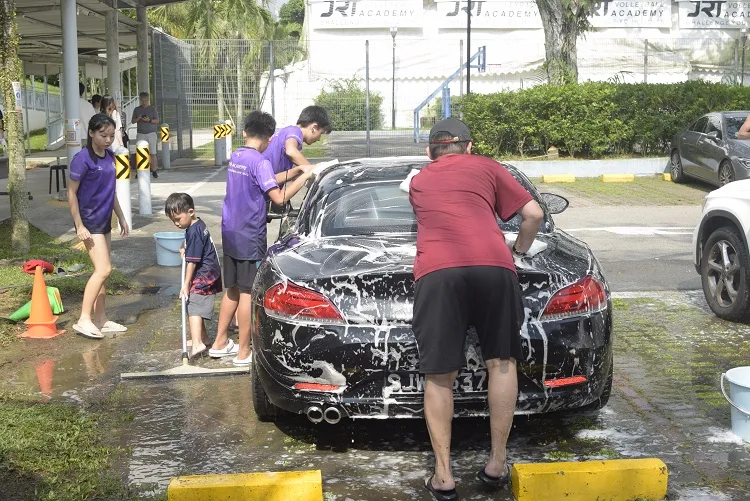
Automatic car washes are fast, but they often leave swirl marks and miss spots. A carwash manual car gives you full control over the process, protecting your paint and ensuring a thorough clean. It’s the preferred method for enthusiasts and anyone who wants to maintain their vehicle’s finish long-term.
Manufacturer specifications and detailing experts agree that hand washing uses about 40, 100 gallons of water, less than many automatic systems, while delivering better results. The key is using the right technique and tools, which we’ll break down next.
Quick Answer
A carwash manual car is the safest way to clean your vehicle. It prevents paint damage from harsh brushes. You control the soap, water, and drying process.
It costs less over time than automatic washes.
Why Hand Washing Beats Automatic (Most of the Time)
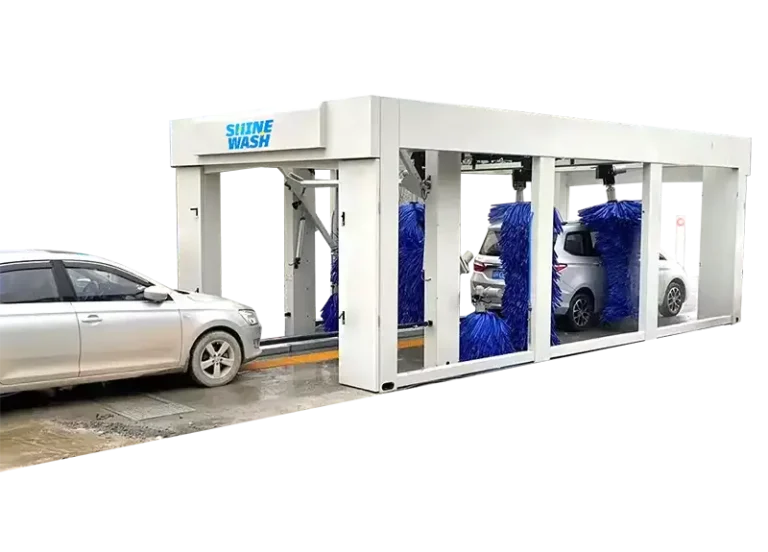
Automatic car washes are convenient, but they come with trade-offs. The rotating brushes can trap dirt and scratch your clear coat, especially if the brushes aren’t cleaned between cars. High-pressure jets might miss tight spots like wheel wells or under mirrors.
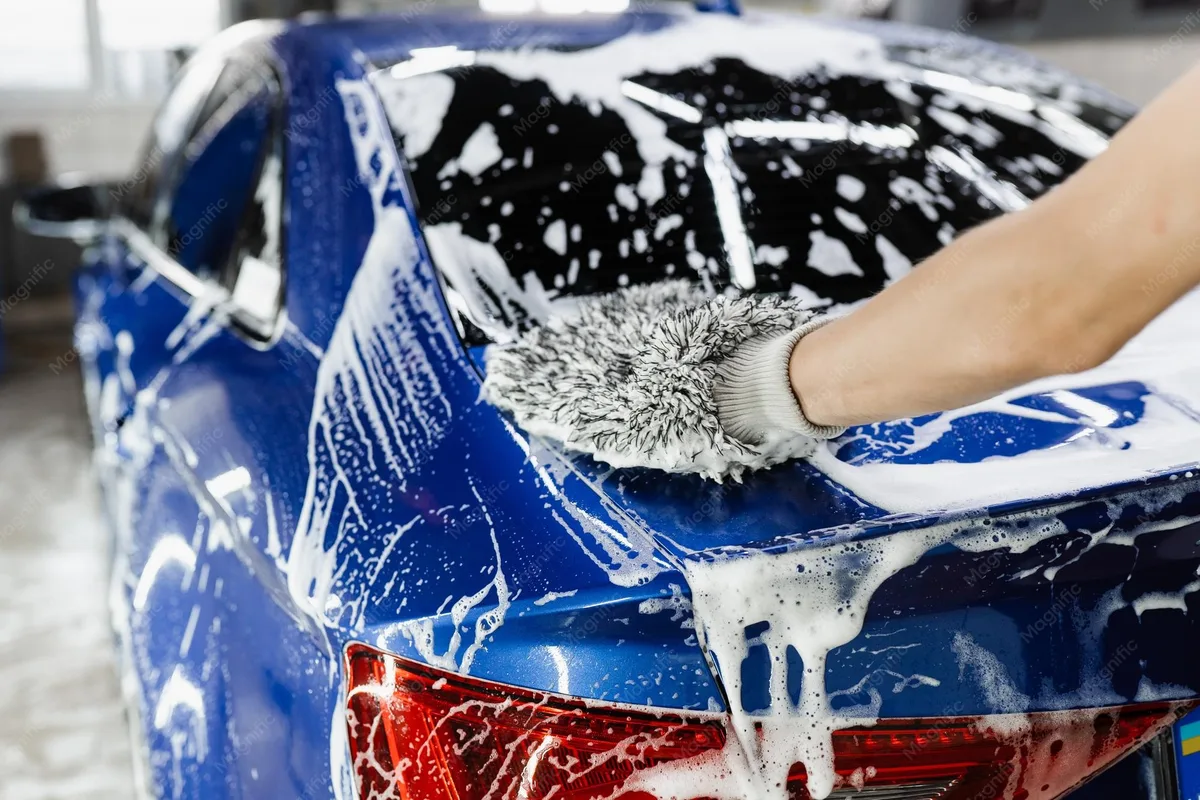
Hand washing lets you target every inch. You can adjust pressure, use pH-balanced soaps, and dry the car properly to avoid water spots. As of 2026, most detailing experts recommend manual washing for vehicles with premium paint jobs or protective coatings.
The Only Tools You Actually Need for a Safe Manual Wash
You don’t need a garage full of gear, but the right tools make all the difference. Here’s the essential kit:
| Tool | Purpose | Why It Matters |
|---|---|---|
| Microfiber wash mitt | Lifts dirt without scratching | Traps particles in its fibers |
| Two 5-gallon buckets | Separate clean and dirty water | Prevents reapplying dirt to the car |
| Grit guards | Keeps sediment at the bucket bottom | Reduces swirl marks |
| pH-balanced car soap | Cleans without stripping wax | Safe for clear coats and sealants |
| Wheel cleaner | Removes brake dust and grime | Acid-free for painted or alloy wheels |
| Microfiber drying towel | Absorbs water without streaking | Prevents water spots |
Skip the household sponges or dish soap. They’re too abrasive and can strip protective wax.
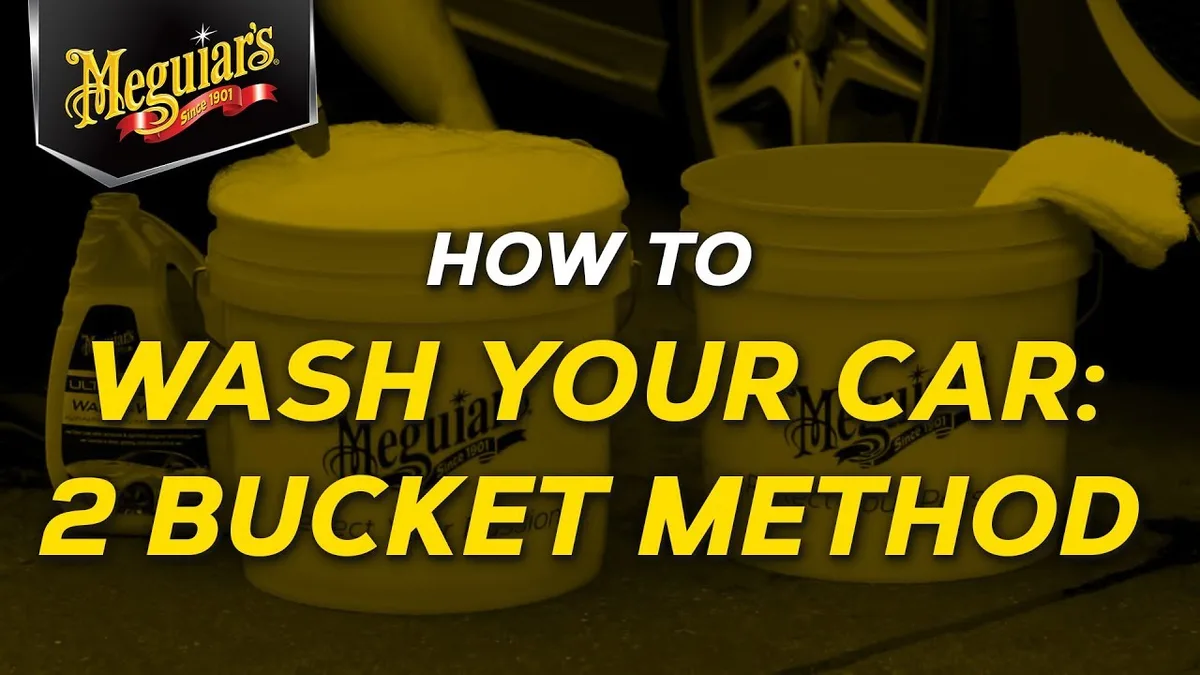
How the Two-Bucket Method Saves Your Paint
The biggest mistake in manual washing is using a single bucket. When you dip a dirty mitt back into soapy water, you’re grinding grit into the paint.
The two-bucket method fixes this. One bucket holds your soapy water, the other holds clean rinse water. After each pass on the car, rinse the mitt in the clean bucket before reloading it with soap.
Grit guards in both buckets trap dirt at the bottom, so it doesn’t get picked up again.
This method is backed by detailing standards from organizations like the International Detailing Association. It’s simple but cuts swirl marks by up to 80 percent compared to single-bucket washing.
Step-by-Step: The Proper Way to Wash a Car by Hand
Pre-Wash: Rinse and Prep Like a Pro
Start by rinsing the car with a hose or pressure washer to remove loose dirt. If you’re using a pressure washer, keep it at 1,500, 2,500 PSI to avoid damaging paint or trim. Work from the top down, letting gravity help carry dirt away.
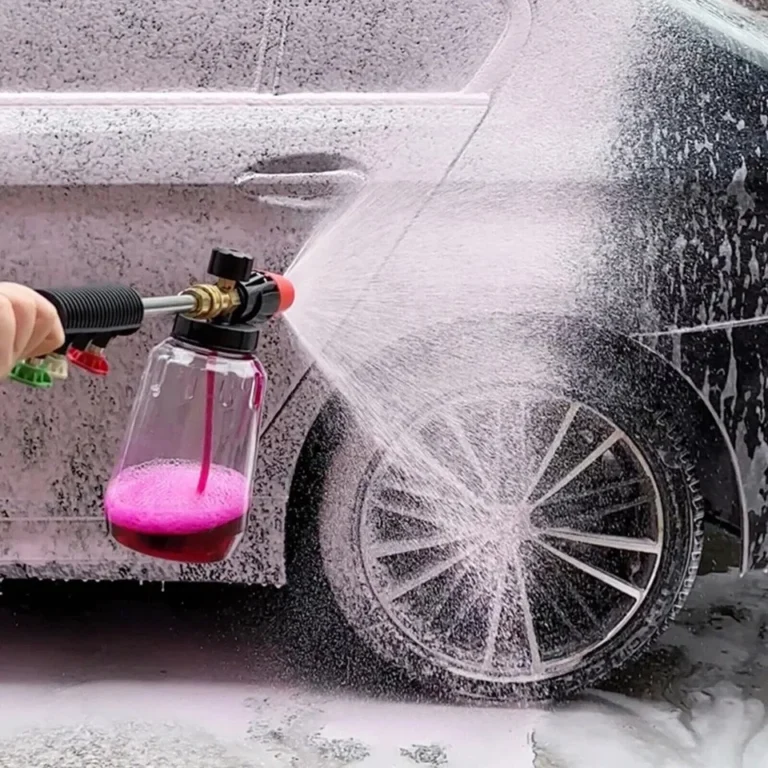
Apply a foam cannon if you have one. This pre-soak loosens grime before you touch the surface with a mitt. Let the foam dwell for 1, 2 minutes, but don’t let it dry.
Washing: Top to Bottom Without Scratching
Start at the roof and work downward. This prevents dirty water from dripping onto already cleaned panels. Use straight-line motions, not circles, to minimize swirl marks.
Dip the mitt in the soap bucket, then wash one section at a time. Rinse the mitt in the clean bucket after each pass. Reload with soap before moving to the next area.
Avoid pressing too hard. Let the soap and mitt do the work. If you hit stubborn grime, reapply foam and let it soak for a minute before scrubbing.
Wheels and Tires: The Separate (But Critical) Process
Wheels collect the worst grime: brake dust, road tar, and salt. Use a dedicated wheel cleaner and a separate mitt or brush. Acid-free cleaners are safest for painted or alloy wheels.
Spray the cleaner and let it dwell for 1, 2 minutes. Agitate with a wheel brush, focusing on the barrel and behind the spokes. Rinse thoroughly to prevent residue.
For tires, a stiff brush and degreaser work best. Scrub the sidewalls and tread, then rinse. Avoid getting cleaner on the paint, as some formulas can etch clear coat.
Drying: The Step Most People Mess Up
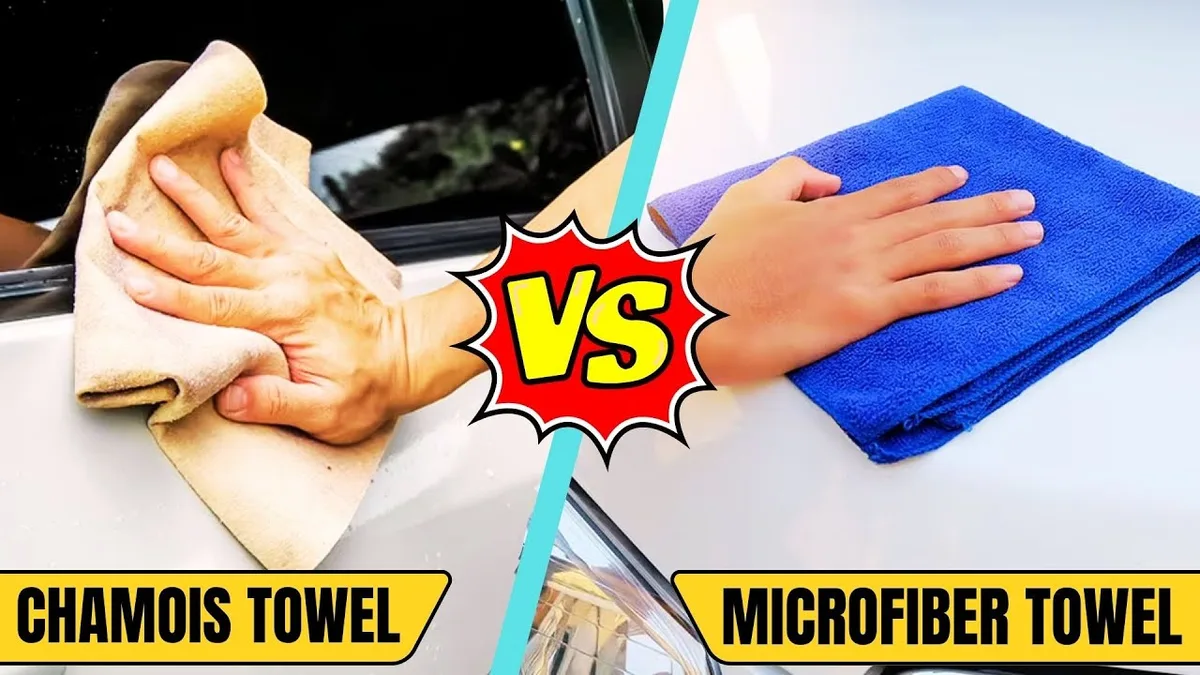
Water spots form when minerals in water dry on the surface. To prevent them, dry the car immediately after washing. Use a high-quality microfiber towel and blot, don’t drag.
Start at the top and work down. Fold the towel frequently to expose a clean side. For hard-to-reach areas like mirrors and door jambs, use a smaller drying towel.
If you’re in a hard water area, consider a water spot remover after drying. These products dissolve mineral deposits without harming the paint.
Manual vs. Automatic Car Wash: When to Choose Which
Automatic car washes are faster and require no effort. They’re fine for a quick clean on a daily driver with basic paint. But they can’t match the thoroughness of a manual wash.
Manual washing is best for:
- Vehicles with premium or custom paint jobs
- Cars with ceramic coatings or wax sealants
- Classic or collector cars
- Anyone who wants to inspect their vehicle for damage
Automatic washes work for:
- Quick cleanups between manual washes
- Vehicles with durable, factory paint
- People short on time or space
Common Mistakes That Ruin Your Car’s Finish
Using dish soap strips wax and damages clear coat. Always use a pH-balanced car soap.
Washing in direct sunlight causes water to dry too fast, leaving spots. Work in the shade or on a cloudy day.
Skipping the two-bucket method reintroduces dirt to the paint. This is the leading cause of swirl marks in DIY washes.
Not drying the car properly leads to water spots. Even a small amount of water left to evaporate can leave mineral deposits.
How Often Should You Really Wash Your Car?
Wash your car every two weeks to prevent dirt buildup. In harsh climates with salt or pollen, weekly washes are better. This frequency keeps contaminants from bonding to the paint.
Bird droppings and tree sap should be removed immediately. They can etch paint within 24, 48 hours. A quick spot clean with a waterless wash product works for emergencies.
Cost Breakdown: Manual Wash vs. Professional Detailing
A manual wash costs $1, $5 per session in soap and water. Initial setup for tools runs $50, $150. This pays for itself in about 20, 30 washes compared to automatic car washes.
Professional detailing costs $150, $300 per session. It includes deep cleaning, clay bar treatment, and waxing. For most drivers, manual washing with occasional professional detailing is the best balance.
Hard Water, Salt, and Other Local Hassles (And Fixes)
Hard water leaves mineral deposits that cause water spots. Use a water softener or a spot remover after drying. A final rinse with distilled water can help prevent this.
Road salt in winter accelerates rust. Wash your car weekly during salt season. Pay extra attention to the undercarriage and wheel wells where salt collects.
In high-pollen areas, wash more frequently. Pollen can stain paint if left too long. A pre-wash with a foam cannon helps lift it before scrubbing.
Waxing After Washing: When and How to Do It Right
Wax your car every 3, 4 months for basic protection. Synthetic sealants last 6, 12 months. Carnauba wax gives a deeper shine but requires more frequent reapplication.
Apply wax after the car is completely dry and cool. Use a foam applicator pad and work in small sections. Buff off with a clean microfiber towel once the wax hazes.
Avoid waxing in direct sunlight. The product can dry too fast, making it hard to remove. Always check the manufacturer’s instructions for drying times.
FAQs About Manual Car Washing
Can I use dish soap to wash my car?
No. Dish soap is too harsh and strips wax. Use a pH-balanced car soap instead.
It’s formulated to clean without damaging paint or clear coat.
How do I prevent water spots?
Dry the car immediately after washing with a microfiber towel. In hard water areas, use a water spot remover. A final rinse with distilled water can also help.
Is a pressure washer safe for my car?
Yes, if used correctly. Keep the PSI between 1,500, 2,500. Use a 40-degree nozzle and stay 12, 18 inches from the surface.
Never aim directly at trim or seals.
How often should I wash my car in winter?
Wash it weekly if roads are salted. Salt accelerates rust and can damage the undercarriage. Use an undercarriage spray if available.
What’s the best way to clean wheels?
Use a dedicated wheel cleaner and a separate brush. Acid-free cleaners are safest for most wheels. Scrub the barrel and behind the spokes thoroughly.