Organizing youth car wash doesn’t have to be chaotic. With the right plan, a group of volunteers can turn a few hours of work into a profitable fundraiser or community event. Most youth car washes bring in $1,000, $3,000 in a single day, depending on location and turnout.
The key is treating it like a business: pick the right spot, price it smartly, and keep the line moving.
Quick Answer
Organizing youth car wash starts with a high-traffic location and a simple setup. A team of 10, 15 can wash 50, 100 cars in 4 hours. Profit margins hit 50, 70% after supply costs.
Success depends on clear roles and fast workflow.
Is a Youth Car Wash Right for Your Group?
A youth car wash works best for groups with 8, 20 volunteers. Smaller teams struggle with speed, while larger ones risk inefficiency. It’s ideal for schools, churches, or nonprofits needing quick funds with minimal upfront cost.
If your group can’t secure a visible location or handle outdoor work, consider alternatives like bake sales or raffles. Car washes also require water access and basic supplies, which may limit rural or drought-prone areas.
How Much Money Can You Realistically Make?
Most youth car washes charge $10, $20 per vehicle. At $15 average, 100 cars mean $1,500 gross. Subtract $300, $500 for supplies, and you’re left with $1,000, $1,200 profit.
Top-performing events hit $2,500+ by adding upsells like interior vacuuming or wax for an extra $5, $10. Weekend events in busy areas outperform weekday washes by 30, 50%.
| Cars Washed | Avg. Price | Gross Revenue | Est. Profit (After Supplies) |
|---|---|---|---|
| 50 | $15 | $750 | $450–$600 |
| 100 | $15 | $1,500 | $1,000–$1,200 |
| 150 | $15 | $2,250 | $1,500–$1,800 |
Permits, Rules, and Legal Stuff You Can’t Skip
Not all car washes need permits, but many cities require them for commercial activity, even for fundraisers. Check with your local city hall or Idaho Transportation Department if you're in Idaho, as rules vary by state and municipality. Some areas also regulate water runoff to prevent pollution.
If you’re using a business’s parking lot, get written permission from the owner. For safety, post signs directing traffic and assign a spotter to guide cars.
Picking the Perfect Location (And What to Avoid)
The best spots have high visibility, easy access, and steady traffic. Grocery stores, gas stations, and community centers work well. Avoid residential streets with low throughput or areas with water restrictions.
Look for:
- Paved, level ground (no gravel or slopes)
- Shade (if possible, to keep volunteers comfortable)
- Proximity to a water source (hose hookup or portable tanks)
- Space for 3, 4 stations (wash, rinse, dry, payment)
Avoid locations with heavy pedestrian traffic or where cars might block driveways. If using a school or church lot, confirm insurance coverage for volunteers.
Supplies Checklist: What You Actually Need vs. What’s a Waste
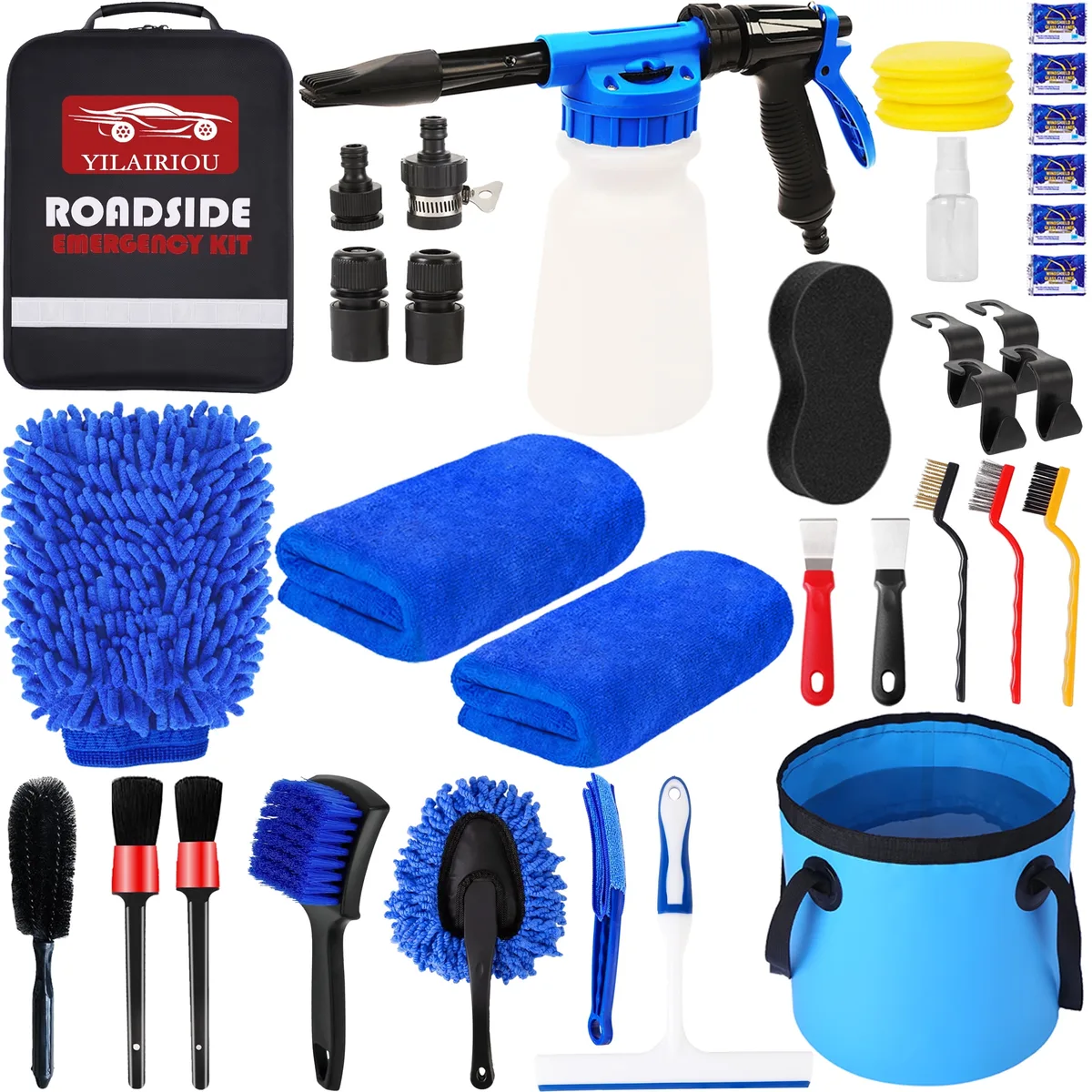
You only need the basics to run a profitable wash. Stock up on car wash soap, microfiber towels, sponges, and buckets. A pressure washer speeds things up but isn’t mandatory for small events.
Skip the expensive wax and polish. Most customers just want a clean car, not a showroom shine. A vacuum for interiors can justify a premium price if you have the manpower.
| Essential | Nice-to-Have | Skip It |
|---|---|---|
| Car wash soap | Pressure washer | Clay bars |
| Microfiber towels | Vacuum | Wax |
| Sponges/wash mitts | Signage | Polish |
| Buckets | Cones/barriers | Steam cleaner |
You only need the basics to run a profitable wash. Stock up on car wash soap, microfiber towels, sponges, and buckets. A pressure washer speeds things up but isn’t mandatory for small events.
Skip the expensive wax and polish. Most customers just want a clean car, not a showroom shine. A vacuum for interiors can justify a premium price if you have the manpower.
| Essential | Nice-to-Have | Skip It |
|---|---|---|
| Car wash soap | Pressure washer | Clay bars |
| Microfiber towels | Vacuum | Wax |
| Sponges/wash mitts | Signage | Polish |
| Buckets | Cones/barriers | Steam cleaner |
Pricing Your Wash So You Make a Profit
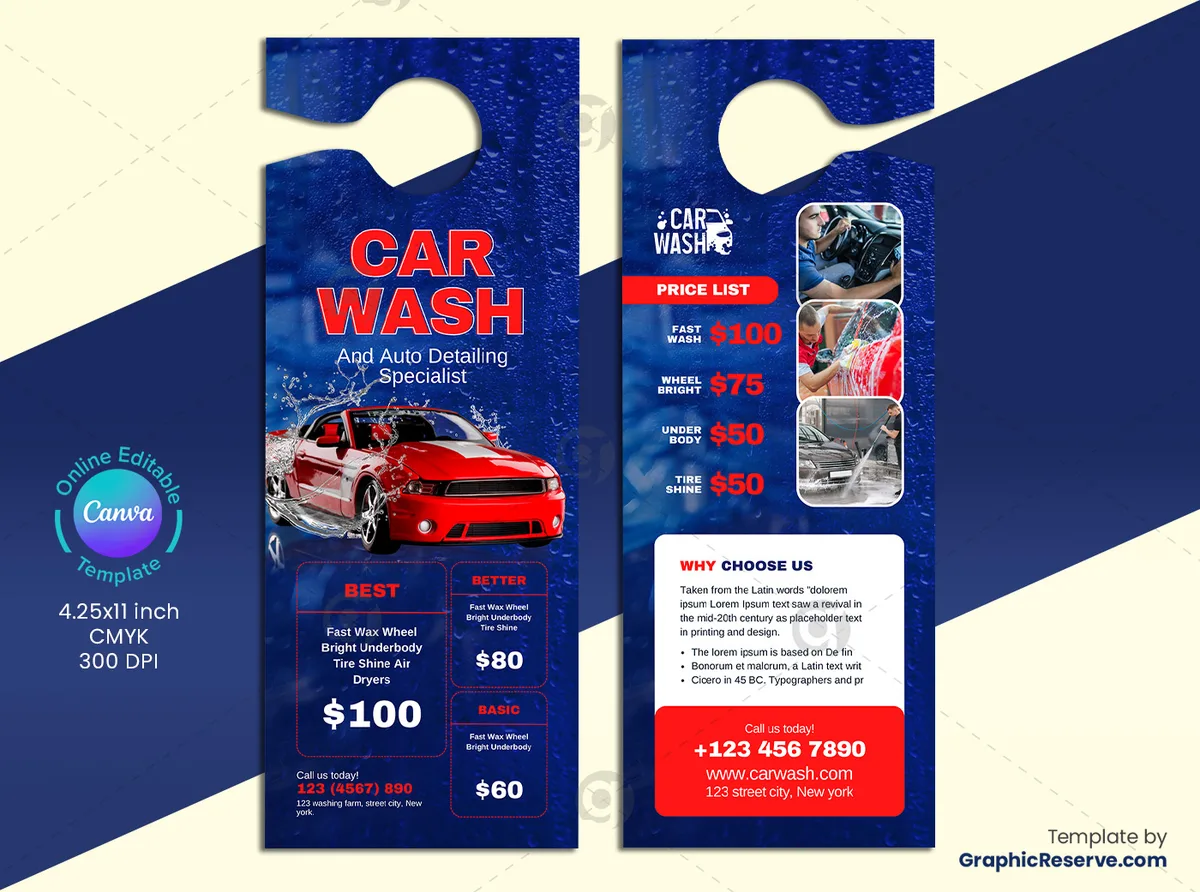
Charge $10, $15 for a basic exterior wash. Add $5, $10 for interior vacuuming or wax. Kids’ groups often round up to $20 for a full-service wash.
Offer a flat rate to keep lines moving. Tiered pricing works but slows down decision-making. Always have change ready, cash is still king at car washes.
Step-by-Step Workflow for a Smooth, Fast Car Wash
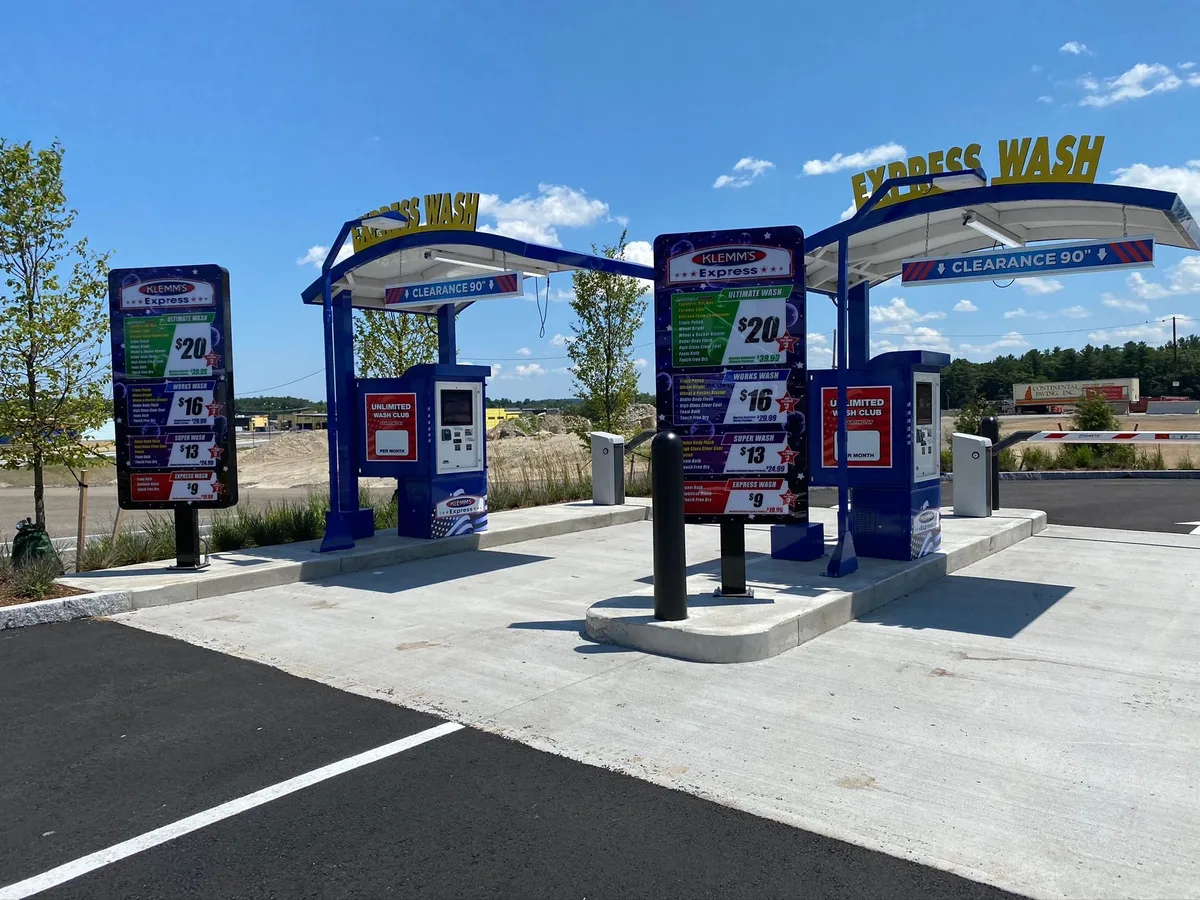
Set up stations in this order: greeting, pre-rinse, wash, rinse, dry, payment. Assign 2, 3 people per station to avoid bottlenecks.
Greeting
Direct cars to the wash line. Have one person collect payment upfront to speed up the process.
Wash
Use two buckets: one for soap, one for rinse water. This prevents dirt from being redeposited on cars.
Dry
Microfiber towels work best. Assign one person to check for missed spots before the car leaves.
Safety First: Protecting Volunteers and Customers
Wet surfaces are the biggest hazard. Lay down non-slip mats and keep the area clear of soap spills. Volunteers should wear closed-toe shoes and gloves.
If using chemicals, ensure they’re car-safe and non-toxic. Keep a first aid kit on hand for minor cuts or scrapes. Never let volunteers work in the path of moving vehicles.
Common Mistakes That Kill Profit (And How to Fix Them)
Underpricing is the top mistake. If you’re only charging $5, you’ll need 200 cars to break even. Aim for at least $10 to cover costs and make a profit.
Poor traffic flow is another issue. If cars are backing up, add more stations or simplify the process. Assign a traffic director to keep things moving smoothly.
Marketing Tricks to Get Cars Lined Up
Social media posts work best when shared 3, 5 days before the event. Include the date, time, location, and price. Ask local businesses to share your flyer in their windows.
Word of mouth is still powerful. Have volunteers tell friends and family to spread the word. Offer a free wash to the first 5 cars to create buzz.
What to Do After the Event (Cleanup, Counting, and Thank-Yous)
Assign a cleanup crew to pack up supplies and dispose of wastewater properly. Check the area for any missed trash or soap residue.
Count the money with at least two people present. Deposit it as soon as possible to avoid loss or theft. Send thank-you notes to volunteers and sponsors within a week.
Real-Life Example: How One Youth Group Made $2,500 in a Day
A church youth group in Boise set up in a grocery store parking lot. They charged $15 for a basic wash and $25 for a premium package with interior cleaning.
With 15 volunteers working in shifts, they washed 120 cars in 5 hours. After $400 in supply costs, they netted $2,200. The remaining $300 came from donations.
Frequently Asked Questions
How many volunteers do I need?
Aim for 10, 15 volunteers for a smooth operation. Fewer than 8 will struggle with speed. More than 20 can create confusion unless roles are clearly defined.
Do I need a permit?
Check local regulations. Many cities require permits for fundraisers, even for nonprofits. Some waive fees for youth groups.
What’s the best time of day?
Weekend mornings (9 AM, 1 PM) see the highest traffic. Avoid midday heat if possible. Evening washes work in cooler climates.
How do I handle bad weather?
Have a backup date ready. If rain is light, you can still operate with tarps. Heavy rain or storms mean rescheduling.
Can we accept digital payments?
Yes, but cash is faster. Use a mobile card reader if you expect many digital payers. Add a small fee to cover processing costs.