ByMax Lee
Swerls in Brush Car Washes: Causes & Fixes
Bing (Web (fair-use with source credit))
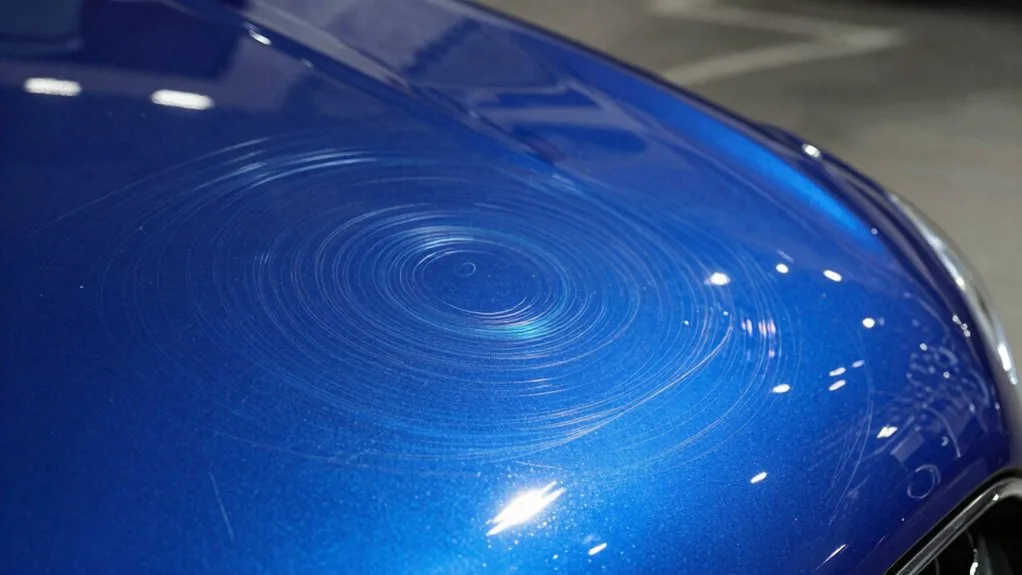
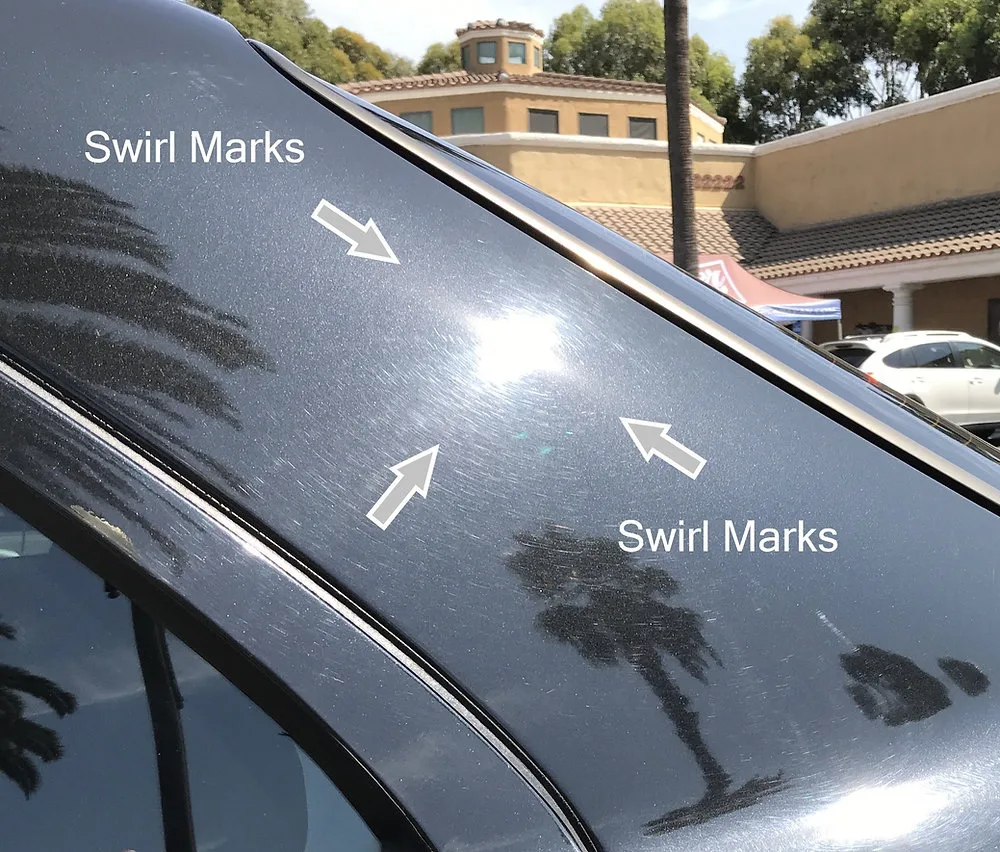
Yes, brush car washes often cause swirl marks. The rotating brushes drag dirt and debris across your paint, creating those fine, circular scratches you see in sunlight. It’s not just the brushes themselves, poor maintenance or harsh detergents make it worse.
Manufacturer specs confirm that soft paint finishes, like those on many luxury cars, are especially vulnerable. Even a single wash with dirty brushes can leave visible damage. So what’s really happening when you drive through that tunnel?
Quick Answer
Brush car washes cause swirls. The brushes pick up grit from other cars. That grit scratches your clear coat.
Darker colors show swirls more. Regular use increases the risk.
Why Swirl Marks Happen in Brush Car Washes
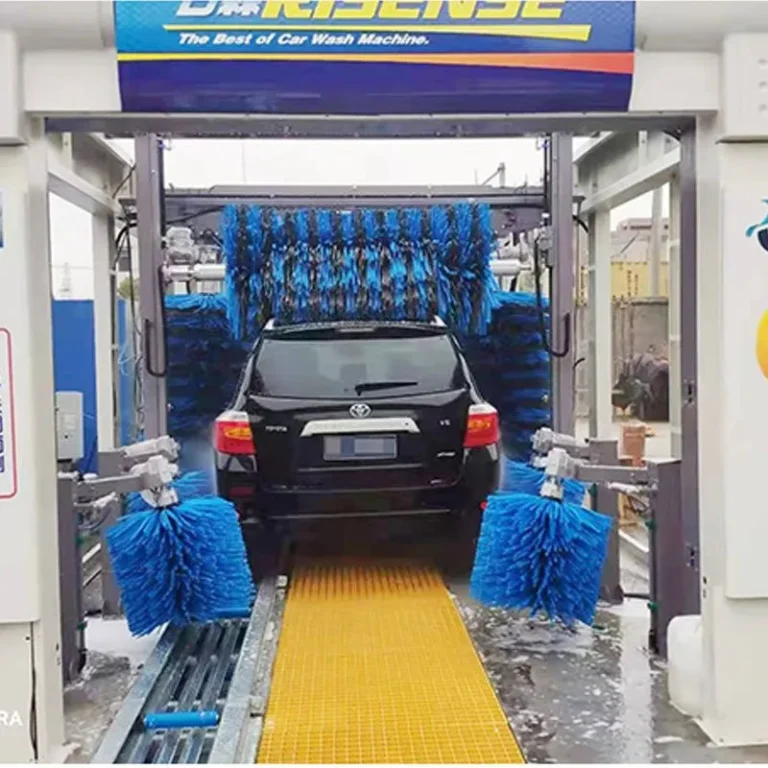
Swirl marks form when abrasive particles move across your car’s clear coat. In a brush car wash, the same brushes clean multiple vehicles without thorough rinsing between them. This means they carry dirt, sand, and even small rocks from one car to the next.
The pressure and rotation of the brushes then grind these particles into your paint. According to the International Carwash Association, improperly maintained brushes are a leading cause of surface damage. The result is a web of fine scratches that scatter light, making your car look dull under direct sunlight.
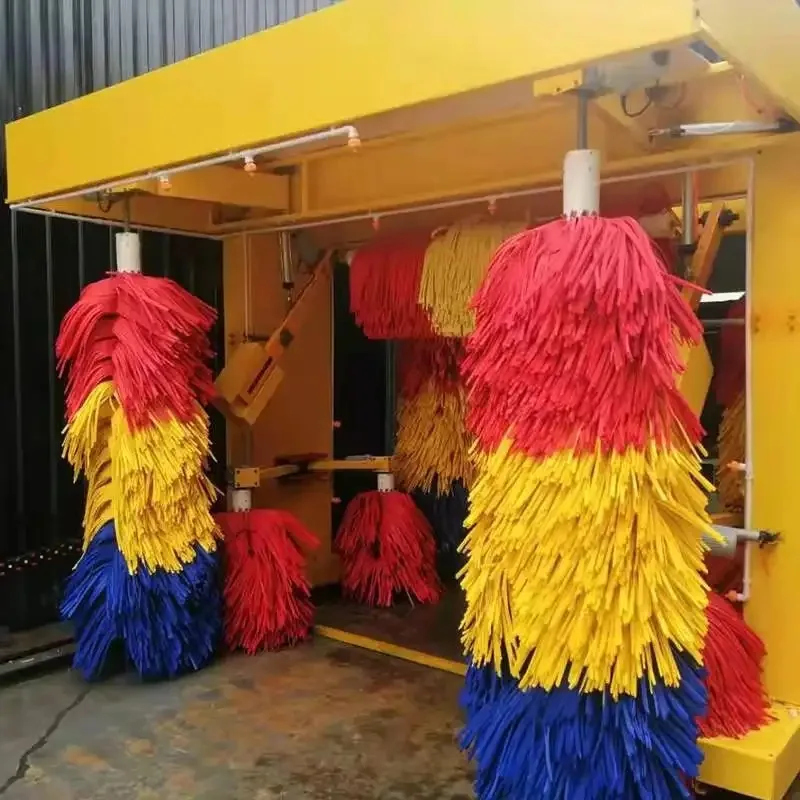
The 3 Types of Brushes and Their Risk Levels
Not all brushes are equally harsh. The material and design determine how likely they are to cause swirls.
- Foam brushes: Softest option, but still collect debris. They’re gentler than bristles but can still scratch if dirty.
- Soft cloth strips: Common in newer automatic washes. Less abrasive than foam but may miss stubborn grime.
- Stiff bristle brushes: Highest risk. These aggressively scrub dirt but also dig into paint. Often found in older or budget car washes.
Bing (Web (fair-use with source credit))
Foam brushes are the most common, but their softness doesn’t guarantee safety. If the wash doesn’t rinse them between cars, they’ll transfer contaminants. Cloth strips reduce friction but may not clean as deeply.
Bristle brushes, while effective for caked-on dirt, are the worst offenders for swirls.
How Paint Type Affects Swirl Damage
Your car’s paint job plays a big role in how visible swirls become. Single-stage paints, common on older cars, are thicker and more resistant but harder to repair. Modern clear coat finishes, used on most vehicles since the 1980s, are thinner and show swirls more easily.
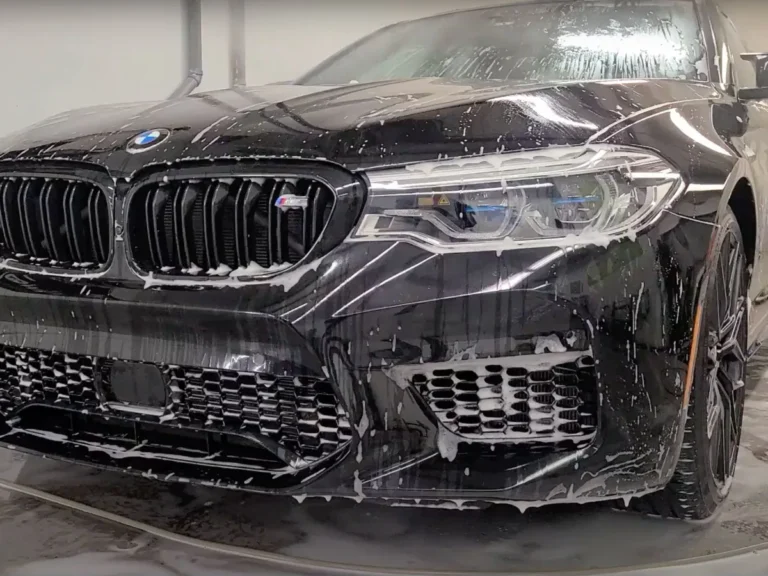
Darker colors, black, deep blue, or dark gray, highlight swirls because they reflect light differently. Lighter colors hide them better but aren’t immune. Metallic and pearl finishes scatter light in ways that can make swirls more noticeable.
Manufacturer guidelines, like those from BMW and Mercedes, often warn against brush washes for high-gloss or soft paints. These finishes are more prone to micro-scratches, which accumulate over time.
Quick Check: Are Your Swirls From the Brush or Something Else?
Not all swirls come from car washes. Here’s how to tell the difference.
- Brush car wash swirls: Random, overlapping circles. Often appear after a wash and worsen with repeated use.
- Improper drying swirls: Straight or curved lines from wiping with a dirty towel. Usually follow the direction of your drying motion.
- Automatic dryer swirls: Fine, uniform scratches from air blowers with debris. Typically appear in a consistent pattern.
- Environmental swirls: Caused by dust, pollen, or bird droppings left too long. Often localized to one area.
Run your fingers lightly over the swirls. If you feel nothing, they’re likely surface-level and caused by a wash or drying. If you feel grooves, the damage may be deeper and require professional attention.
How to Prevent Swirls If You Use a Brush Car Wash
Pre-wash rinses remove loose dirt before the brushes touch your car. Many modern car washes offer this as a first step. Always choose it if available.
Avoid washes with visibly dirty brushes. If the brushes look stained or caked with grime, drive through a touchless option instead. Regular maintenance schedules for brushes vary, but industry standards recommend cleaning them after every 50 to 100 washes.
Use a pre-wash foam or spray to loosen contaminants. This reduces the friction needed from the brushes. Some washes include this automatically, but you can also apply a quick spray yourself at self-service bays.
What to Do If You Already Have Swirl Marks
Light swirls can often be fixed with a clay bar and polish. The clay removes embedded contaminants, while the polish smooths out the clear coat. This is a DIY-friendly process if you have the right tools.
Bing (Web (fair-use with source credit))
For deeper swirls, a dual-action polisher and a fine cutting compound may be needed. This requires more skill, so consider professional detailing if you’re unsure. Costs vary, but expect to pay between $150 and $400 for professional paint correction, depending on severity.
Prevention is cheaper than repair. Once swirls appear, they’ll keep coming back if you don’t change your washing habits.
Brush vs. Touchless vs. Hand Wash: Which Is Safest for Your Paint?
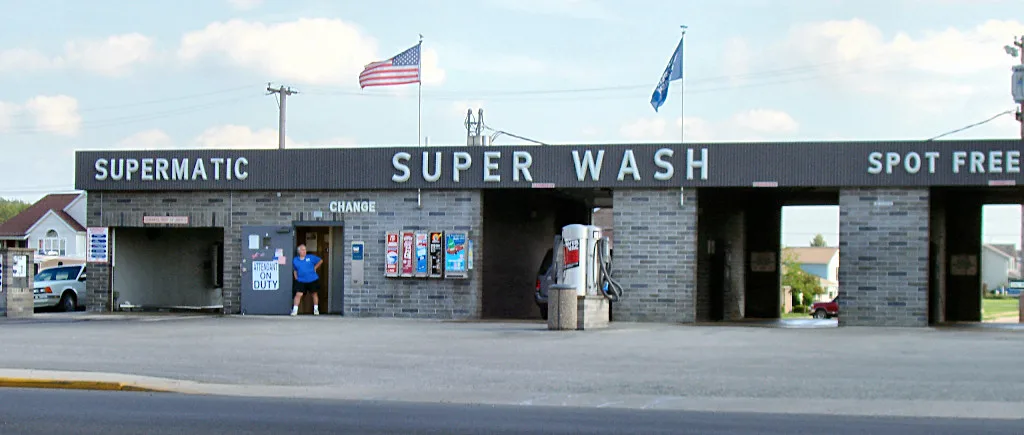
Touchless car washes use high-pressure water and chemicals to clean without physical contact. They’re the safest for paint but may not remove heavy dirt as effectively. Best for cars with soft or high-gloss finishes.
Bing (Web (fair-use with source credit))
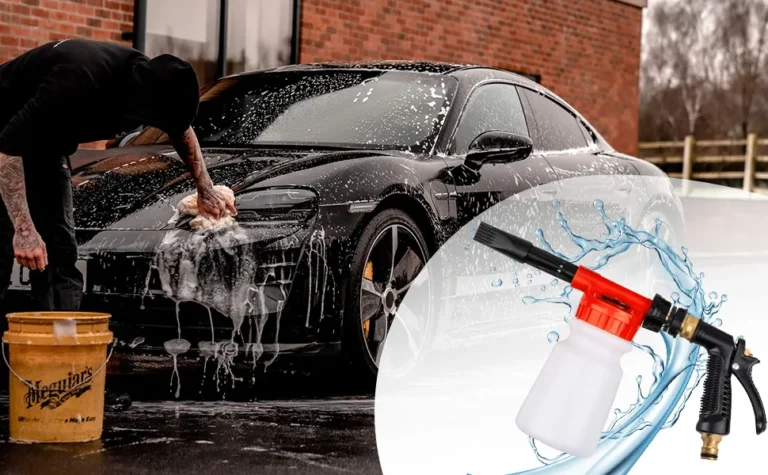
Hand washing gives you full control over the process. Use a microfiber wash mitt, pH-neutral soap, and the two-bucket method to minimize swirl risk. It’s the most labor-intensive but the gentlest option.
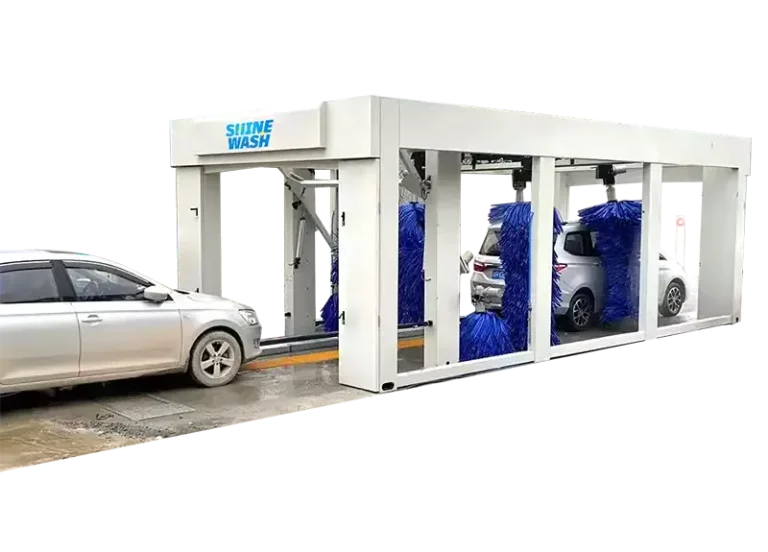
Brush washes are fast and convenient but carry the highest risk of swirls. If you must use one, stick to washes with soft foam brushes and pre-wash rinses. Avoid them entirely for luxury or classic cars with delicate paint.
The Hidden Factors That Make Swirls Worse
Hard water leaves mineral deposits that can scratch paint when wiped. If your area has high mineral content, rinse your car with distilled water after washing. This prevents water spots and reduces abrasion.
Drying with a regular towel can introduce new swirls. Always use a clean microfiber towel and pat dry instead of dragging it across the surface. Air blowers at car washes can also cause swirls if they’re dirty or too powerful.
Detergents with harsh chemicals strip wax and weaken the clear coat over time. Stick to pH-neutral car shampoos. As of 2026, many detailers recommend ceramic-infused soaps for added protection.
Cost of Fixing Swirl Marks (And How to Avoid It)
Light swirl removal with a clay bar and polish costs about $20 to $50 in supplies. A dual-action polisher kit runs $100 to $200. Professional detailing for swirl removal starts around $150 and can go up to $500 for severe cases.
| Method | Cost | Time Required | Skill Level |
|---|---|---|---|
| Clay bar + polish | $20–$50 | 1–2 hours | Beginner |
| Dual-action polisher | $100–$200 | 2–4 hours | Intermediate |
| Professional detailing | $150–$500 | 4–8 hours | Expert |
Preventing swirls saves money long-term. Regular washing with the right methods keeps your paint in better condition and reduces the need for corrections. A good wax or sealant adds a protective layer that makes swirls less likely to stick.
When a Brush Car Wash Is Actually Fine
Older cars with single-stage paint can handle brush washes better. Their thicker paint layers resist light scratches more than modern clear coats. Still, they’re not immune to damage over time.
If you drive a work truck or a vehicle with a matte finish, brush washes are less risky. Matte paint hides swirls better, and work vehicles often prioritize function over appearance. Just avoid them for showroom-quality paint jobs.
For daily drivers with average paint, occasional brush washes won’t ruin your finish. The key is consistency. If you’re washing weekly, the cumulative effect of brushes adds up.
Stick to touchless or hand washing when possible.
Pro Tips to Keep Your Paint Swirl-Free Long-Term
Wash your car when it’s cool to the touch. Heat causes water and soap to dry too quickly, leaving spots that can scratch paint when wiped. Early morning or evening washes are ideal.
Use the two-bucket method for hand washing. One bucket holds your soapy water, the other holds clean water for rinsing your mitt. This prevents dirt from being reintroduced to your paint.
Apply a wax or sealant every 3 to 6 months. This adds a protective layer that reduces the impact of brushes and environmental contaminants. Ceramic coatings last longer but require professional application.
FAQs About Brush Car Washes and Swirl Marks
Do all brush car washes cause swirls?
Not all, but most do over time. Well-maintained washes with soft foam brushes and pre-wash rinses minimize the risk. Poorly maintained ones almost always cause swirls.
Why do swirls show up more on black cars?
Black paint reflects light differently than lighter colors. Swirls scatter light, making them more visible on dark surfaces. Silver and white cars hide swirls better.
Can you remove swirls permanently?
Yes, with paint correction. A professional detailer can polish out swirls, but new ones will appear if you keep using harsh washing methods. Prevention is the only permanent solution.
How often should you wash your car to avoid swirls?
Wash every 1 to 2 weeks to prevent dirt buildup. More frequent washes reduce the need for aggressive cleaning. Always use the gentlest method available.
Are touchless car washes completely safe?
They’re safer than brush washes but not perfect. High-pressure water can still damage loose trim or older paint. They’re the best option for most modern cars.