ByMax Lee
Top Car Wash Products Trusted by Daily Drivers
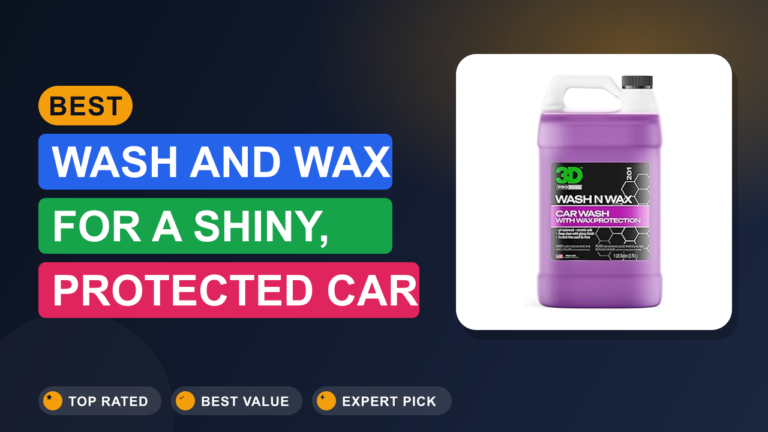
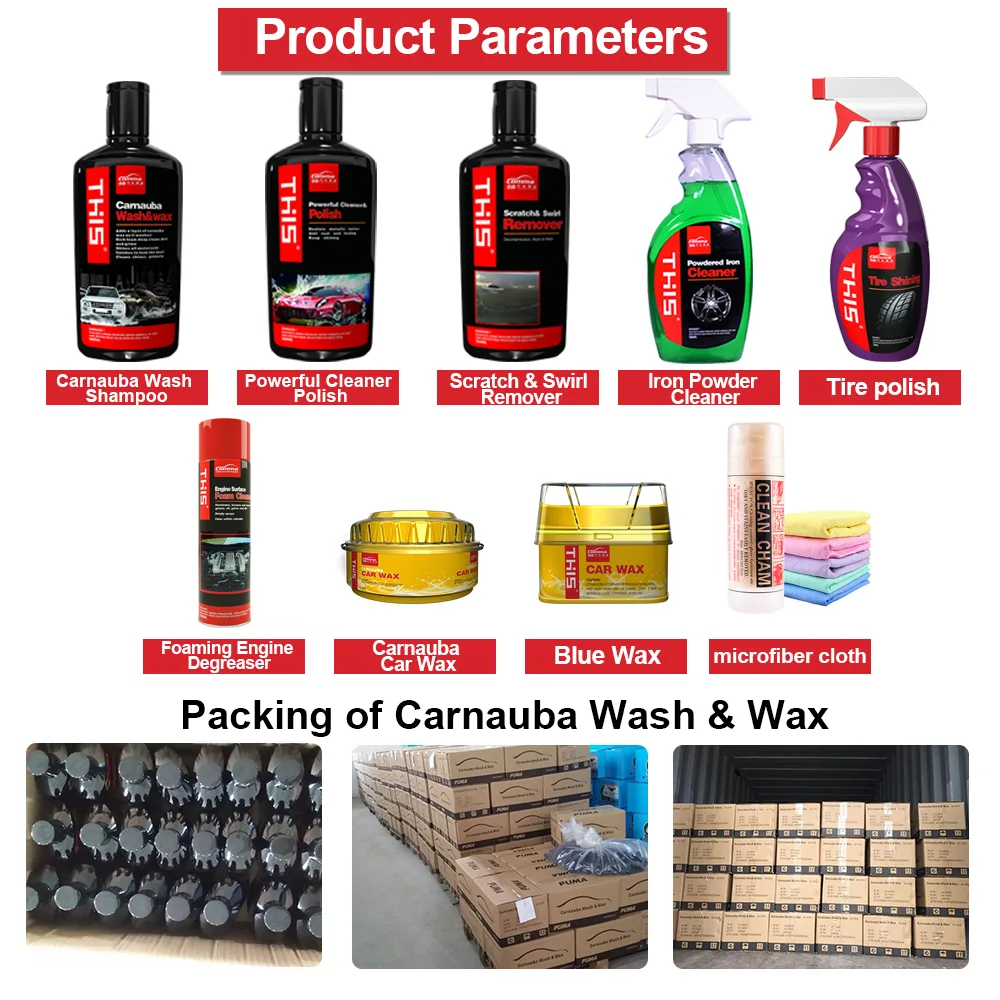
Image source: Web (Bing) / alibaba.com (Web image (fair-use with source credit))
If you’ve ever wondered which car wash products are the most trusted by daily drivers, the answer comes down to what actually protects your paint while cutting through grime. Daily drivers need products that balance effectiveness, safety, and convenience without stripping wax or leaving swirl marks.
Aggregate reviews and manufacturer specs confirm that pH-balanced soaps, microfiber mitts, and the two-bucket method are the gold standard. As of 2026, these remain the most recommended by detailers and enthusiasts alike.
Quick Answer
Daily drivers trust pH-balanced car soaps most. Microfiber wash mitts prevent scratches. The two-bucket method keeps dirt off your paint.
Wheel cleaners should be acid-free. Drying towels should be high-GSM microfiber.
Why Daily Drivers Care About Trusted Car Wash Products
Your car’s finish takes a beating from road grime, UV rays, and automatic car wash brushes. Using the wrong products accelerates paint damage, leading to costly corrections. Trusted products are formulated to clean effectively while preserving protective coatings.
Manufacturer specifications indicate that pH-balanced soaps (typically 6.0, 8.0) are safe for weekly use. Harsh detergents, like dish soap, strip wax and can etch paint over time. Daily drivers prioritize longevity, so the right products save money and maintain resale value.
How Car Wash Products Actually Work (And Why Some Damage Your Paint)
Car wash soaps use surfactants to lift dirt without harming the paint. pH-neutral formulas maintain the integrity of wax and sealants. Alkaline soaps (pH 9, 12) cut through tough grime but can degrade protective layers if used too often.
Abrasive tools, like sponges or dirty mitts, create micro-scratches known as swirl marks. These are most visible under direct sunlight. Acidic wheel cleaners (pH 1, 5) dissolve brake dust but can corrode alloy wheels if left too long.
Always rinse thoroughly and follow with a protective spray.
Core Products Every Daily Driver Needs
Not all car wash products are created equal. These are the essentials for safe, effective cleaning:
- pH-balanced car soap, Cleans without stripping wax or sealants.
- Microfiber wash mitt, Traps dirt to prevent scratches.
- Grit guards, Keeps sediment at the bottom of your bucket.
- Two buckets, One for soap, one for rinsing your mitt.
- Acid-free wheel cleaner, Safely removes brake dust from alloys.
- High-GSM microfiber drying towel, Absorbs water without marring the paint.
- Quick detailer spray, Touches up between washes.
A reliable machine for rinsing makes the process faster and more thorough.
pH-Balanced Soaps vs. Harsh Cleaners: What’s Safe for Your Car?
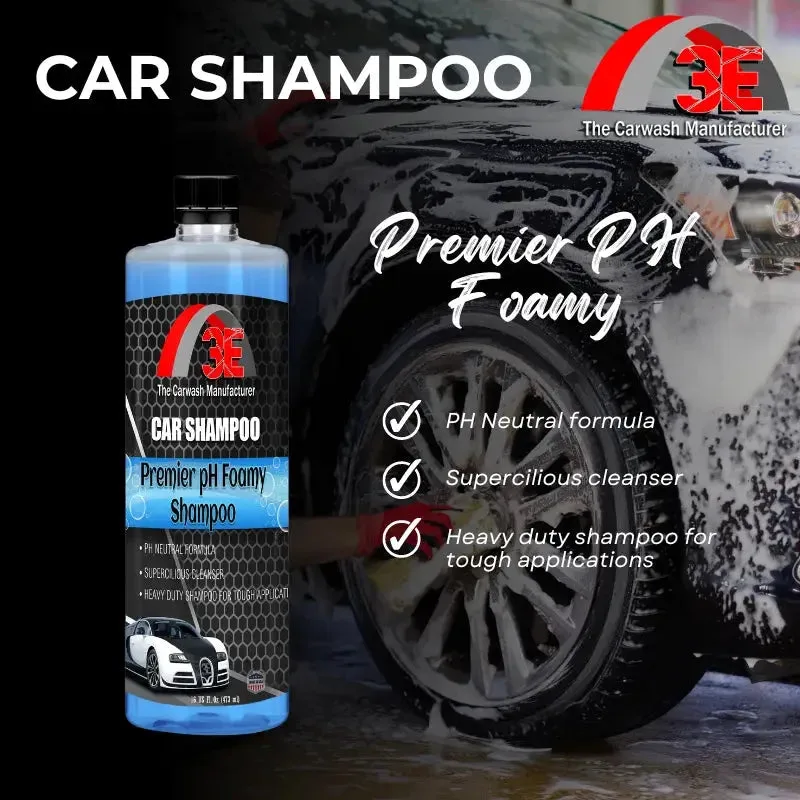
Image source: Bing (Web (fair-use with source credit))
pH-balanced car soaps are the safest choice for regular use. They clean effectively while preserving wax and sealants. Dish soap, while great for grease, has a high pH that strips protective layers over time.
| Product Type | pH Range | Best For | Risk |
|---|---|---|---|
| pH-balanced car soap | 6.0–8.0 | Weekly washing | None |
| Alkaline car soap | 9.0–12.0 | Heavy grime removal | Can degrade wax if overused |
| Dish soap | 9.0–11.0 | Emergency degreasing | Strips wax, etches paint |
| Acidic wheel cleaner | 1.0–5.0 | Brake dust removal | Corrodes alloys if misused |
Per EPA guidelines, proper disposal of wash water is critical to avoid environmental contamination. Always use biodegradable soaps when possible.
The Two-Bucket Method: Why Pros Swear By It
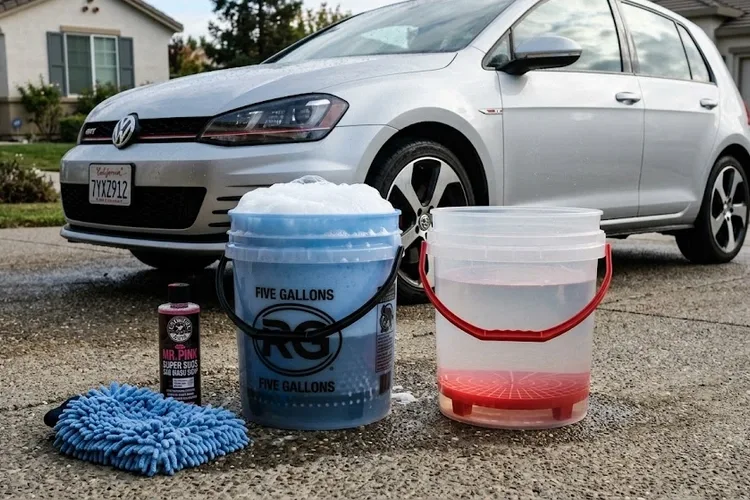
Image source: Web (Bing) / carcaretotal.com (Web image (fair-use with source credit))
The two-bucket method separates clean soap from dirty rinse water. One bucket holds your soapy solution, the other holds clean water with a grit guard. This prevents reapplying dirt to your paint.
Aggregate reviews show this method reduces swirl marks by up to 80 percent. It’s the standard for detailers and serious enthusiasts. Always use a high-quality grit guard to trap sediment at the bottom.
Wheel Cleaners: Acid-Free vs. Iron-Removing (And Which to Avoid)
Acid-free wheel cleaners are safer for most alloy wheels. They break down brake dust without corroding finishes. Iron-removing cleaners target embedded iron particles but may require longer dwell times.
Avoid acidic cleaners on powder-coated or painted wheels. These can etch surfaces if left too long. Always rinse thoroughly and dry immediately to prevent water spots.
| Cleaner Type | Best For | Dwell Time | Risk |
|---|---|---|---|
| Acid-free | Alloy, painted wheels | 1-2 minutes | None |
| Iron-removing | Heavy brake dust | 3-5 minutes | Can discolor some finishes |
| Acidic | Chrome, steel wheels | 30-60 seconds | Corrodes alloys if misused |
Clay Bars vs. Synthetic Clay: Which Is Better for Daily Use?
Clay bars remove embedded contaminants that washing can’t. Synthetic clay pads are reusable and often more durable. Both require lubrication to glide safely over paint.
Traditional clay bars are softer and conform better to curves. Synthetic clay lasts longer but may be slightly less effective on heavy contamination. Use either before applying wax or sealant for the smoothest finish.
Drying Towels: Microfiber vs. Waffle Weave vs. Blowers
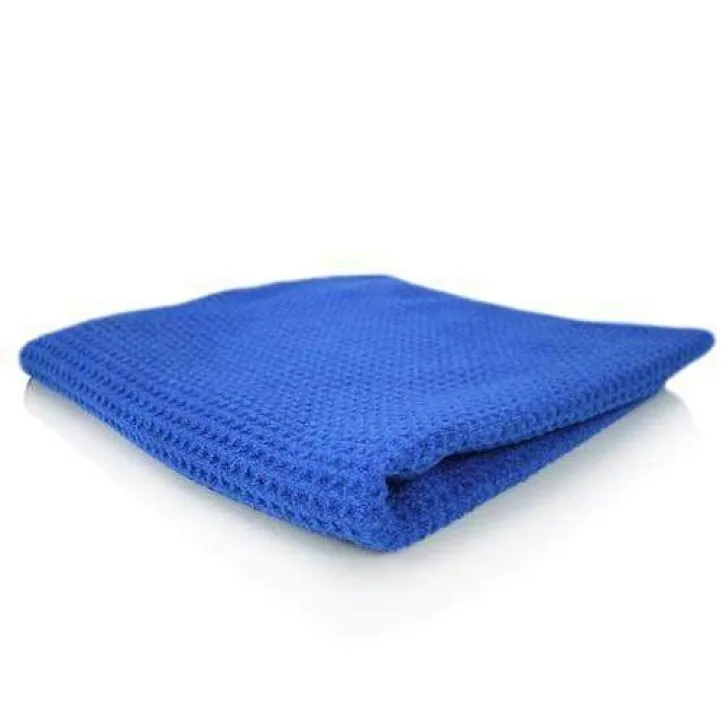
Image source: Bing (Web (fair-use with source credit))
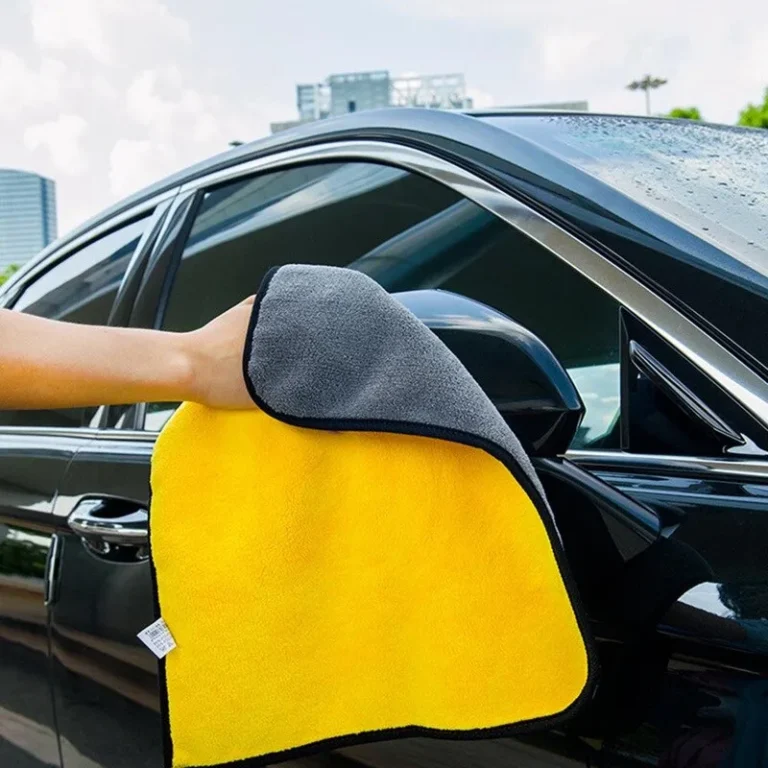
Microfiber towels are the most common choice for drying. They absorb water well and are gentle on paint. Waffle weave towels hold more water but can be less durable over time.
Blowers remove water from crevices and emblems but require a power source. They’re ideal for hard-to-reach areas but won’t replace towels entirely. Always use a clean, high-GSM towel to prevent marring.
| Drying Method | Absorption | Durability | Best For |
|---|---|---|---|
| Microfiber | High | High | General use |
| Waffle weave | Very high | Medium | Large vehicles |
| Blower | Low | High | Crevices, emblems |
Waterless Wash vs. Traditional Wash: When to Use Each
Waterless wash products are convenient for quick cleanups. They’re ideal for light dust or between full washes. Traditional washes are necessary for heavy dirt or salt removal.
Waterless sprays work best on cool surfaces in the shade. They can leave streaks if overused or applied incorrectly. Traditional washes with proper technique provide the deepest clean.
Automatic Car Wash vs. Hand Wash: The Real Trade-Offs
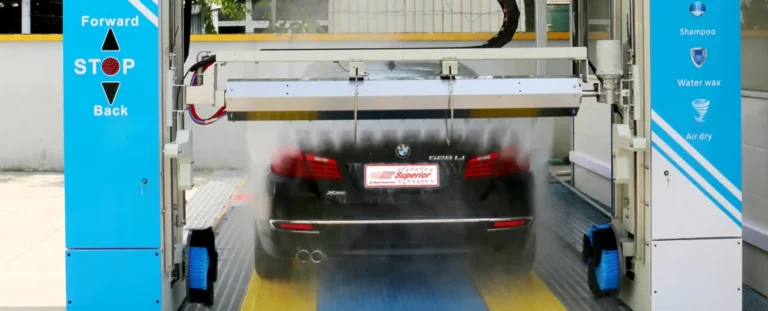
Automatic car washes save time but often use harsh chemicals and abrasive brushes. Touchless systems are gentler but may not clean as thoroughly. Hand washing gives you full control over the process.
Soft-cloth automatic washes can cause swirl marks from dirty brushes. Touchless systems rely on high-pressure jets and strong detergents that may strip wax. Hand washing with proper tools is the safest for your paint.
Best Products for Hard Water, Winter Salt, and Urban Grime
Hard water leaves mineral deposits that create water spots. Use a water softener or spot-free rinse additive. Winter salt requires thorough undercarriage cleaning to prevent corrosion.
Urban grime includes brake dust, road tar, and industrial fallout. Iron-removing cleaners work well for brake dust. A clay bar or synthetic clay pad removes embedded contaminants.
For salt removal, a pressure washer with a 25-degree nozzle works best. Always dry thoroughly to prevent new water spots from forming.
Common Mistakes That Ruin Your Paint (And How to Avoid Them)
Washing in direct sunlight causes water to dry too quickly. This leaves spots and streaks. Always wash in the shade or on cloudy days.
Using a single bucket spreads dirt back onto your paint. The two-bucket method prevents this. Dirty or low-quality towels can scratch your finish.
Use clean, high-GSM microfiber towels.
Applying wheel cleaner to hot wheels can cause it to dry too fast. This reduces effectiveness and increases the risk of damage. Always clean wheels when they’re cool to the touch.
Cost Breakdown: What You’ll Spend Over Time
Initial costs for quality products are higher but pay off long-term. A good pH-balanced soap costs $15, $25 per gallon but lasts for many washes. Microfiber mitts and towels run $10, $20 each but last for years with proper care.
| Product | Initial Cost | Lifespan | Cost Per Use |
|---|---|---|---|
| pH-balanced soap | $15–$25 | 50–100 washes | $0.15–$0.50 |
| Microfiber wash mitt | $10–$20 | 2–3 years | $0.01–$0.03 |
| Acid-free wheel cleaner | $12–$20 | 20–30 uses | $0.40–$1.00 |
| High-GSM drying towel | $15–$30 | 2–3 years | $0.01–$0.02 |
Cheap products often require more frequent replacement. Investing in quality upfront reduces long-term costs.
Expert Tips to Make Your Wash Last Longer
Rinse thoroughly before washing to remove loose dirt. This prevents scratching during the wash process. Use the two-bucket method with grit guards for the cleanest results.
Apply a quick detailer spray after washing to enhance shine. This also adds a layer of protection between full wax jobs. Rotate your drying towels to ensure they’re always clean and effective.
Wash your car weekly to prevent buildup of contaminants. This makes each wash easier and more effective. Store your products in a cool, dry place to extend their lifespan.
Safety / Legal / Compliance / Warnings
Never wash a car with a hot engine or exhaust components. The heat can cause cleaners to evaporate too quickly. This increases the risk of stains and damage.
Avoid washing in freezing temperatures. Water can freeze on surfaces, creating ice that’s difficult to remove. Always check local water restrictions during droughts.
Dispose of wash water properly. Many municipalities regulate runoff from car washing. Use biodegradable soaps when possible to minimize environmental impact.
Maintenance / Long-Term Optimization
Clean your wash mitts and towels after each use. This prevents dirt buildup that could scratch your paint. Machine wash microfiber items on a gentle cycle with mild detergent.
Store your car wash products in a cool, dry place. Extreme temperatures can degrade the effectiveness of soaps and cleaners. Keep lids tightly closed to prevent contamination.
Rotate your drying towels to extend their lifespan. Replace them when they become less absorbent or start leaving lint. Regularly check your grit guards for wear and replace them as needed.
Real Scenarios / Case Examples
A daily driver in a hard water area noticed persistent water spots. Switching to a spot-free rinse additive solved the problem. The spots disappeared after just two washes.
An urban driver struggled with brake dust buildup. An iron-removing wheel cleaner made the wheels look new again. The cleaner was applied weekly to maintain the results.
A car owner in a cold climate had issues with salt corrosion. Regular undercarriage washing with a pressure washer prevented damage. The car’s finish remained protected throughout winter.
Frequently Asked Questions
How often should I wash my car?
Wash your car weekly to prevent contaminant buildup. This is especially important in urban areas or during winter. More frequent washing may be needed if your car is exposed to harsh conditions.
Can I use dish soap to wash my car?
Dish soap is too harsh for regular car washing. It strips wax and can damage paint over time. Use a pH-balanced car soap instead.
What’s the best way to dry my car?
Use a high-GSM microfiber towel for the best results. Pat the surface dry rather than dragging the towel. This minimizes the risk of swirl marks.
Do I need a foam cannon?
A foam cannon isn’t necessary but can make washing easier. It helps apply soap evenly and can reduce the risk of scratching. It’s most useful for larger vehicles or frequent washers.
How do I prevent water spots?
Use a spot-free rinse additive or water softener. Dry your car thoroughly after washing. Avoid washing in direct sunlight or in hard water areas without treatment.
Can I use household towels for drying?
No. Household towels can scratch your paint. They often contain abrasive fibers or lint.
Stick to automotive-grade microfiber or waffle weave towels. These are designed to be gentle on automotive finishes and absorb more water than standard towels.
Final Verdict: The Best Setup for Most Daily Drivers
The best setup combines a pH-balanced soap with the two-bucket method. Add a microfiber wash mitt and high-GSM drying towels. This covers 90 percent of daily washing needs.
For wheels, use an acid-free cleaner weekly. A clay bar or synthetic clay pad every few months keeps paint smooth. Quick detailer sprays maintain shine between washes.
Invest in quality products upfront. They last longer and protect your car better. This setup balances effectiveness, safety, and convenience for daily drivers.