ByMax Lee
Is Car Wash Safe for Modified Vehicles?
Web (Bing) / win.lecercleturgot.com (Web image (fair-use with source credit))
A car wash can be safe for modified vehicles, but only if you match the method to your mods. The wrong choice can scratch wraps, peel edges, or bend low-hanging parts in seconds. Manufacturer specs confirm that most vinyl wraps need 7 days to cure before any high-pressure washing.
As of 2026, touchless systems are the safest for most builds, but even those have limits. The real test is your car’s lowest point and most delicate finish.
Quick Answer
A car wash is safe for modified vehicles if you avoid brushes on wraps or low-clearance builds. Touchless washes work for most mods. Soft-cloth systems need a 5-inch clearance minimum.
Hand washing is the safest for matte paint and fresh wraps.
The 3 Types of Car Washes and Which Ones Are Safe for Mods
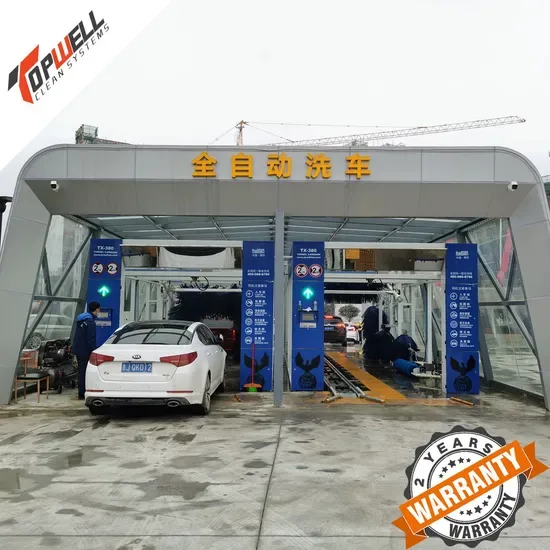
Automatic car washes fall into three main categories, and each interacts differently with modifications. The key is understanding how they clean and where they might cause damage.
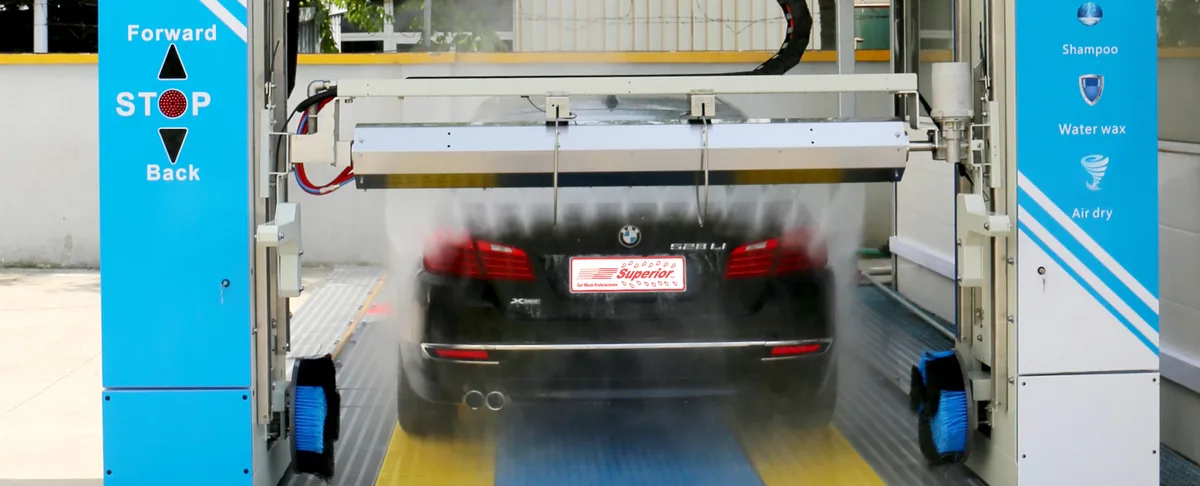
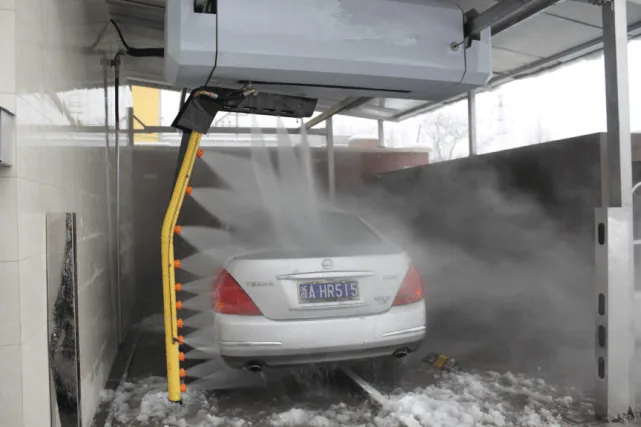
Touchless car washes use high-pressure jets and chemicals to remove dirt without physical contact. This makes them the safest for vinyl wraps, matte paint, and low-clearance vehicles. However, the pressure can still pose a risk to loose or poorly installed parts, so always inspect your vehicle before and after.
Bing (Web (fair-use with source credit))
Soft-cloth car washes use fabric strips or foam to gently scrub the vehicle. They’re safer than brush systems but still risky for vehicles with less than 5 inches of ground clearance. The cloth can catch on splitters, side skirts, or aftermarket bumpers, causing scratches or misalignment.
Brush car washes are the most aggressive, using rotating bristles to scrub dirt off. These are the worst choice for modified vehicles. The brushes can scratch matte or satin finishes, peel vinyl wraps, and even bend thin body panels.
If your car has any of these modifications, avoid brush washes entirely.
| Car Wash Type | Safe for Wraps? | Safe for Low Clearance? | Safe for Matte Paint? | Risk Level |
|---|---|---|---|---|
| Touchless | Yes | Yes | Yes | Low |
| Soft-Cloth | Conditional | No (under 5") | Conditional | Medium |
| Brush | No | No | No | High |
How Your Modifications Change the Rules
Not all modifications react the same way to a car wash. The type of mod, its material, and its placement all determine what’s safe.
Paint, Wraps, and Clear Coat Concerns
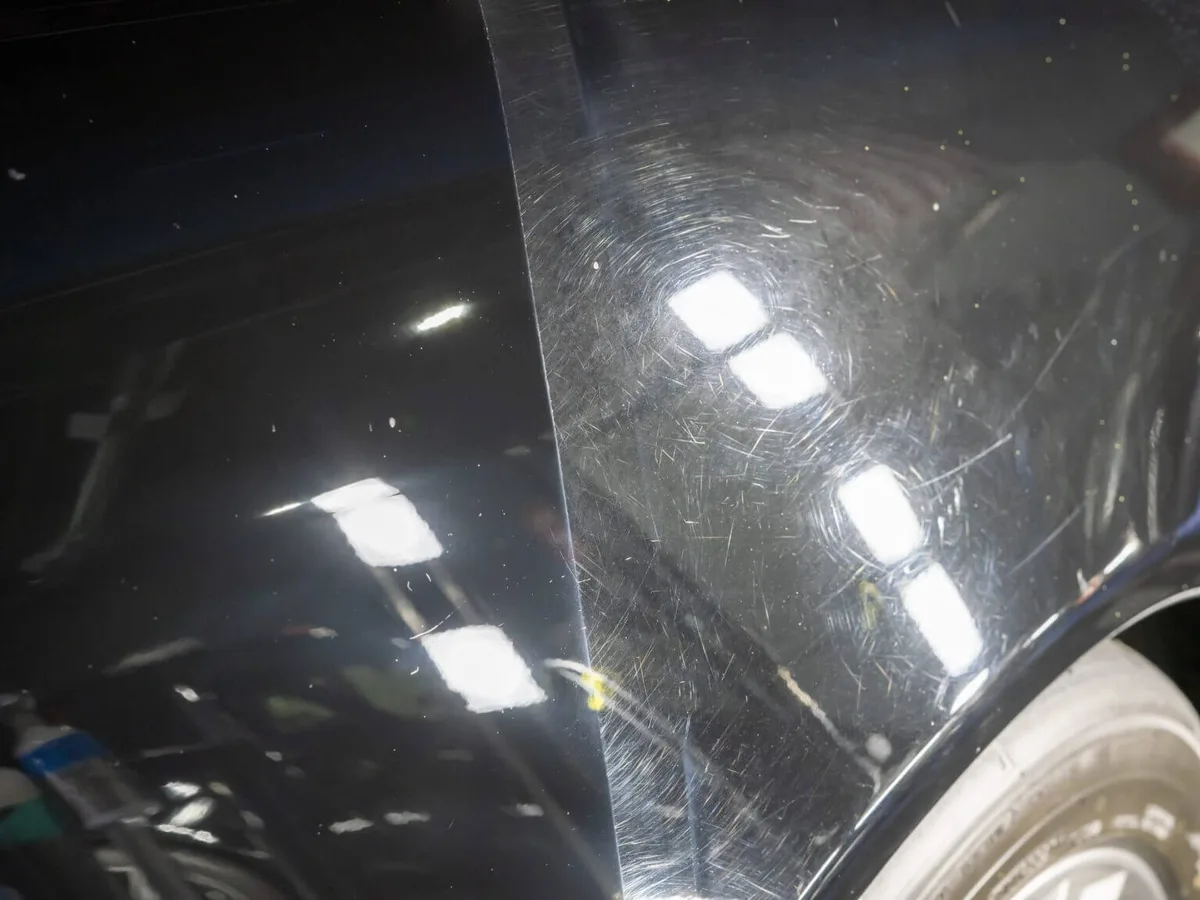
Custom paint jobs, especially matte or satin finishes, are highly sensitive to abrasion. Even soft-cloth washes can leave swirl marks if the fabric isn’t clean or the pressure is too high. Vinyl wraps are even more delicate.
High-pressure water can lift the edges, and brushes can tear them entirely.
Web (Bing) / dbrautodetail.com (Web image (fair-use with source credit))
Ceramic coatings add a layer of protection, but they’re not invincible. Harsh chemicals in some car washes can degrade the coating over time. Always use pH-neutral soaps and avoid automatic washes with unknown chemical blends.
Per 3M’s vinyl wrap care guidelines, wraps should not be exposed to brushes or high-pressure washers for at least 7 days after installation.
Suspension and Ground Clearance Risks
Lowered vehicles are the most at risk in automatic car washes. The average car wash track is designed for stock ride heights, typically around 5 to 6 inches of ground clearance. If your car sits lower than that, the conveyor or brushes can make contact with the undercarriage, splitters, or side skirts.
Lifted trucks have the opposite problem. While they clear the track easily, the high-pressure jets in touchless washes might not reach the undercarriage effectively. For lifted vehicles, a self-service pressure washer with a 40-degree nozzle is often the better choice.
Wheels, Tires, and Brake Components
Aftermarket wheels, especially those with custom finishes like chrome, powder coating, or anodizing, can be damaged by harsh wheel cleaners. Many automatic car washes use acidic or alkaline solutions that can corrode these finishes over time. If your car wash offers a wheel cleaner option, check that it’s safe for your wheel type.
Wide tires and low-profile sidewalls can also be an issue. Brushes can scrub against the tire’s sidewall, causing premature wear or even punctures in extreme cases. Stick to touchless or hand washing for vehicles with aggressive tire setups.
Body Kits, Splitters, and Aero Add-Ons
Body kits and aero components like splitters, diffusers, and side skirts are often made from lightweight materials like fiberglass or carbon fiber. These parts are not only low to the ground but also more fragile than stock body panels. A brush or even a soft-cloth strip can crack or dislodge them.
If your vehicle has these modifications, hand washing is the only guaranteed safe method. For touchless washes, inspect the car immediately afterward for any signs of stress or misalignment.
Step-by-Step: How to Wash a Modified Car Without Damage
Pre-Wash Prep (The Most Overlooked Step)
Rinse off loose dirt first. This prevents grit from scratching surfaces during the wash. Use a gentle stream from a hose or pressure washer set to 1,200 PSI max.
Check for loose body parts. Splitters, mirrors, or aftermarket spoilers can catch on equipment. Secure or remove them before washing.
Washing Techniques for Different Mods
Use separate mitts for wheels and body. Wheel cleaners can contain harsh chemicals that damage paint or wraps. A dedicated wheel mitt keeps contaminants away from delicate surfaces.
For vinyl wraps, use a pH-neutral soap. Harsh detergents can break down the adhesive over time. Always test a small area first if using a new product.
Drying and Post-Wash Care
Blow off water with a leaf blower or air compressor. This prevents water spots on matte finishes and helps dry hard-to-reach areas like side skirts.
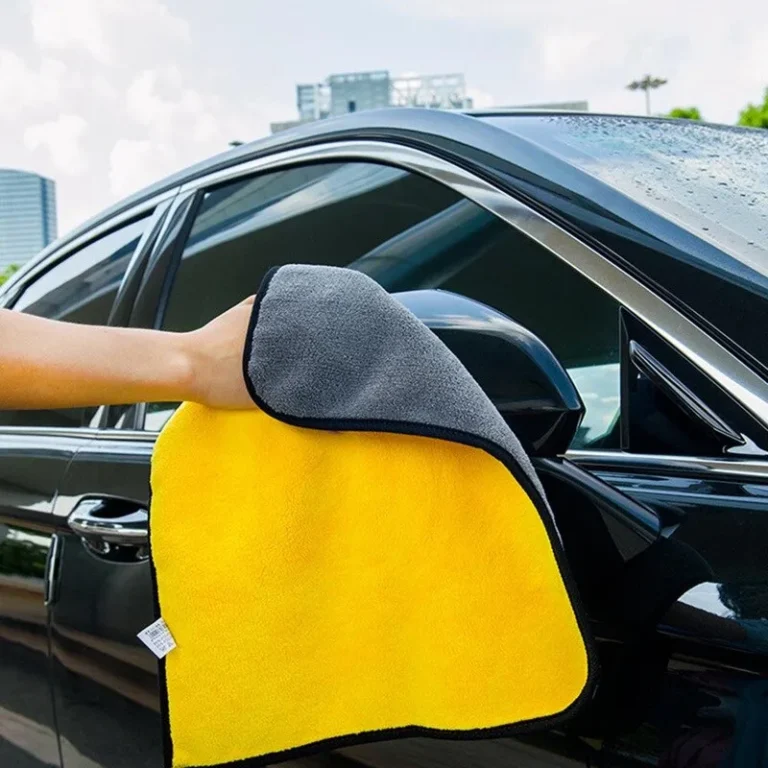
Use a plush microfiber towel for the body. Regular towels can leave swirl marks. Pat dry instead of rubbing to avoid scratching.
Car Wash Mistakes That Wreck Modified Vehicles
Using a brush car wash on a wrapped car is a guaranteed way to peel edges. Even soft brushes can lift vinyl over time.
Skipping the pre-rinse lets dirt grind into paint during washing. This causes micro-scratches that are hard to fix on custom finishes.
Ignoring ground clearance can bend splitters or scrape undercarriages. Always measure before entering an automatic wash.
Applying wheel cleaner to the body leaves chemical stains. These can etch into clear coats or discolor wraps.
Costs and Practical Considerations
Touchless car washes cost $10 to $20 per session. They’re the most budget-friendly safe option for modified vehicles.
Hand washing at a detail shop runs $50 to $150. Prices vary based on vehicle size and modification complexity.
A DIY pressure washer setup costs $100 to $300. This is a one-time investment for unlimited safe washes at home.
Self-service bays charge $5 to $15 for 10 to 15 minutes. They’re cost-effective but require you to bring your own supplies.
Expert Tips for Long-Term Protection
Wash your car every two weeks. Dirt buildup can degrade wraps and paint faster on modified vehicles.
Use a ceramic coating for extra protection. It adds a hydrophobic layer that makes washing easier and safer.
Avoid automatic washes in extreme temperatures. Cold weather can make vinyl brittle, while heat can soften adhesives.
Store your car in a garage or under a cover. This reduces exposure to dirt and UV rays that wear down finishes.
Final Decision Guide: Which Car Wash Method Should You Use?
If your car has a vinyl wrap or matte paint
Use touchless or hand wash only. Brushes and soft-cloth systems will scratch or peel the finish.
If your car is lowered under 5 inches
Hand wash is the only safe option. Automatic systems risk bending splitters or scraping the undercarriage.
If your car has aftermarket wheels with custom finishes
Touchless or hand wash with pH-neutral wheel cleaner. Acidic solutions in automatic washes can corrode powder-coated or chrome surfaces.
If your car is lifted with an off-road build
Self-service pressure washer with a 40-degree nozzle works best. Set PSI to 2,800 max for undercarriage cleaning.
If your car has a ceramic coating
Touchless or hand wash with pH-neutral soap. Harsh chemicals in some automatic washes can degrade the coating over time.
Use Cases and Who It's Right For
Daily drivers with mild mods
Touchless car washes are convenient and safe for tint, wheels, and exhaust upgrades. Just avoid brush systems.
Show cars with custom paint or wraps
Hand washing is non-negotiable. The risk of damage from any automatic system is too high for concours-level finishes.
Off-road and lifted trucks
Self-service bays let you target undercarriage dirt. Use a pressure washer with adjustable settings to avoid damaging seals or loose components.
Track and performance builds
Hand wash after every event. Brake dust and rubber residue require immediate, careful removal to prevent etching.
Mistakes to Avoid
Never use dish soap or household cleaners. They strip wax and can damage wraps or coatings.
Don’t skip the pre-rinse. Dirt left on the surface acts like sandpaper during washing.
Avoid automatic washes in freezing temperatures. Vinyl becomes brittle and more prone to cracking.
Never use a brush wash on a freshly wrapped car. Wait at least 7 days for the adhesive to fully cure.
Safety and Legal Considerations
Most automatic car washes disclaim liability for modified vehicles. Check the terms before entering.
Some areas have water restrictions. Self-service bays may be limited or banned during droughts.
High-pressure washers can violate local noise ordinances. Use them during permitted hours.
Maintenance and Long-Term Optimization
Reapply ceramic coating every 1 to 2 years. This maintains the hydrophobic layer that makes washing safer.
Inspect wraps and body kits monthly. Catch lifting edges or loose parts before they become major issues.
Use a dedicated wheel cleaner for aftermarket rims. This prevents chemical buildup that can corrode finishes.
Store your car in a garage when possible. UV exposure and dirt accelerate wear on custom finishes.
Frequently Asked Questions
Can I take a lowered car through an automatic car wash?
Only if it has at least 5 inches of ground clearance. Lower than that risks damage to splitters or undercarriage components.
Is a touchless car wash safe for matte paint?
Yes, it’s the safest automatic option. Avoid brushes or soft-cloth systems that can dull the finish.
How soon after wrapping can I wash my car?
Wait at least 7 days. This allows the adhesive to fully cure. High-pressure washing too soon can lift edges.
Will a car wash damage my aftermarket wheels?
It depends on the cleaner. Acidic or alkaline solutions can corrode custom finishes. Stick to pH-neutral wheel cleaners.
What’s the best way to dry a vinyl-wrapped car?
Use a leaf blower to remove water from edges and seams. Then pat dry with a microfiber towel to avoid lifting the wrap.
Can I use a pressure washer on a lifted truck?
Yes, but keep the nozzle at 40 degrees and PSI under 2,800. This cleans effectively without damaging the finish.