ByMax Lee
Mississippi Tractor Road Laws & Flashing Light Rules
Mississippi farm tractor road use laws and flashing light requirements can save you from a hefty fine or worse, a collision on a busy highway. If you’re moving a tractor between fields or down a county road, the state has clear rules about what’s required to stay legal and safe.
As of 2026, Mississippi Code mandates an SMV emblem and amber flashing lights for tractors traveling under 25 mph on public roads. Get this wrong, and you risk a citation or a dangerous situation with faster-moving traffic.
Quick Answer
Mississippi farm tractor road use laws and flashing light requirements apply to any tractor on public roads. You need an SMV emblem on the rear. You must have a flashing amber light if traveling under 25 mph.
The emblem must be visible from 500 feet. Fines apply for non-compliance.
Why Mississippi’s Tractor Road Laws Matter for Your Safety and Wallet
Mississippi roads see a mix of fast-moving cars and slow farm equipment. Without proper markings, drivers can’t judge your speed or intent. That leads to rear-end crashes or near-misses at intersections.
The state’s rules aren’t just bureaucracy. They’re designed to prevent accidents and keep traffic flowing smoothly. Ignoring them can mean fines, points on a license, or even liability if an accident occurs.
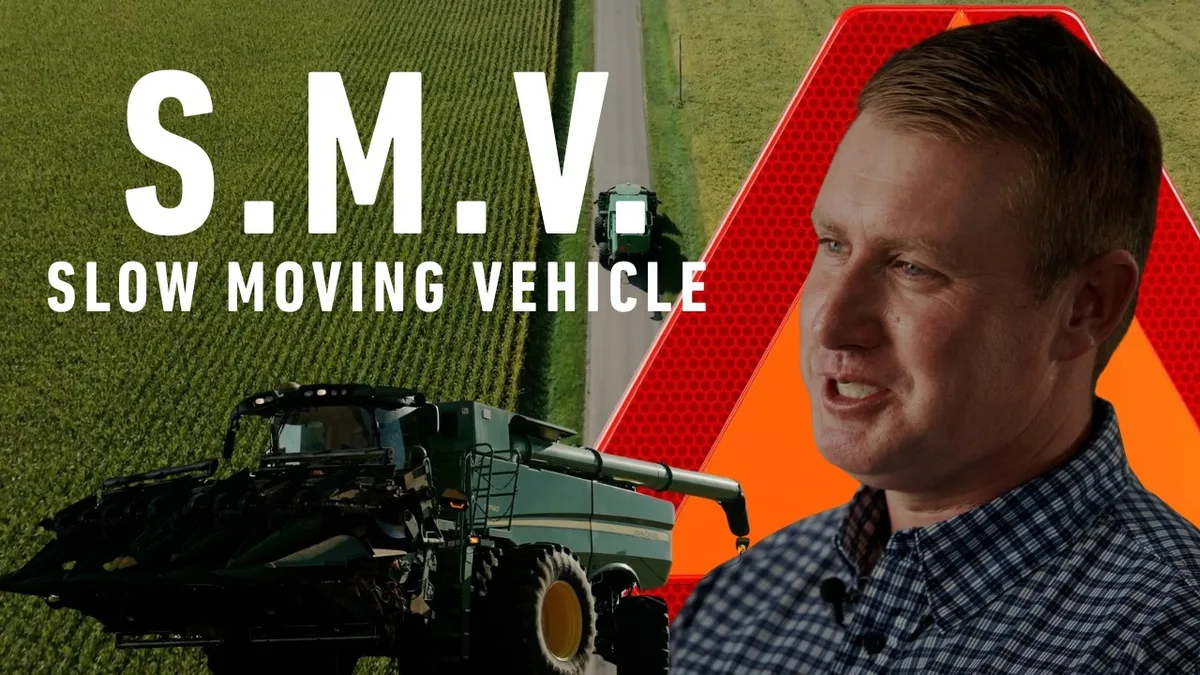
YouTube / IL Farm Bureau (YouTube thumbnail (fair-use with source credit))
The Legal Basics: Mississippi Code and What It Actually Says
Mississippi Code Title 63 covers motor vehicle equipment and operation. For tractors, the key sections fall under slow-moving vehicle (SMV) regulations. These apply to any agricultural equipment traveling on public roads at speeds below 25 mph.
The law doesn’t just target tractors. It includes combines, sprayers, and any farm machinery that shares the road with regular traffic. The goal is consistency so every driver knows what to expect when they see an SMV emblem or flashing light.

YouTube / Quimbee (YouTube thumbnail (fair-use with source credit))
SMV Emblem Requirements: Size, Color, and Placement
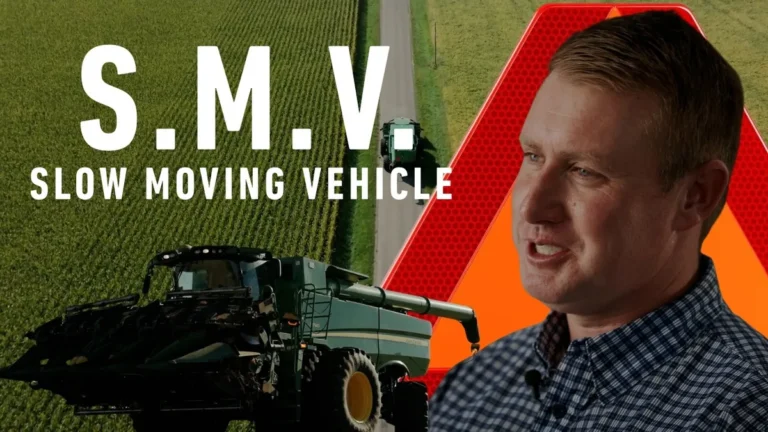
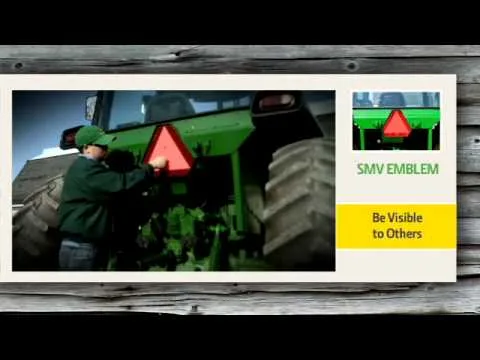
The SMV emblem is a fluorescent orange triangle with a red reflective border. It must be mounted on the rear of the tractor, centered as much as possible. The bottom of the emblem should be between 2 and 6 feet above the ground.
Visibility is non-negotiable. The emblem must be clean and unobstructed, visible from at least 500 feet in daylight. If it’s faded or damaged, it’s not compliant.
Replace it immediately.
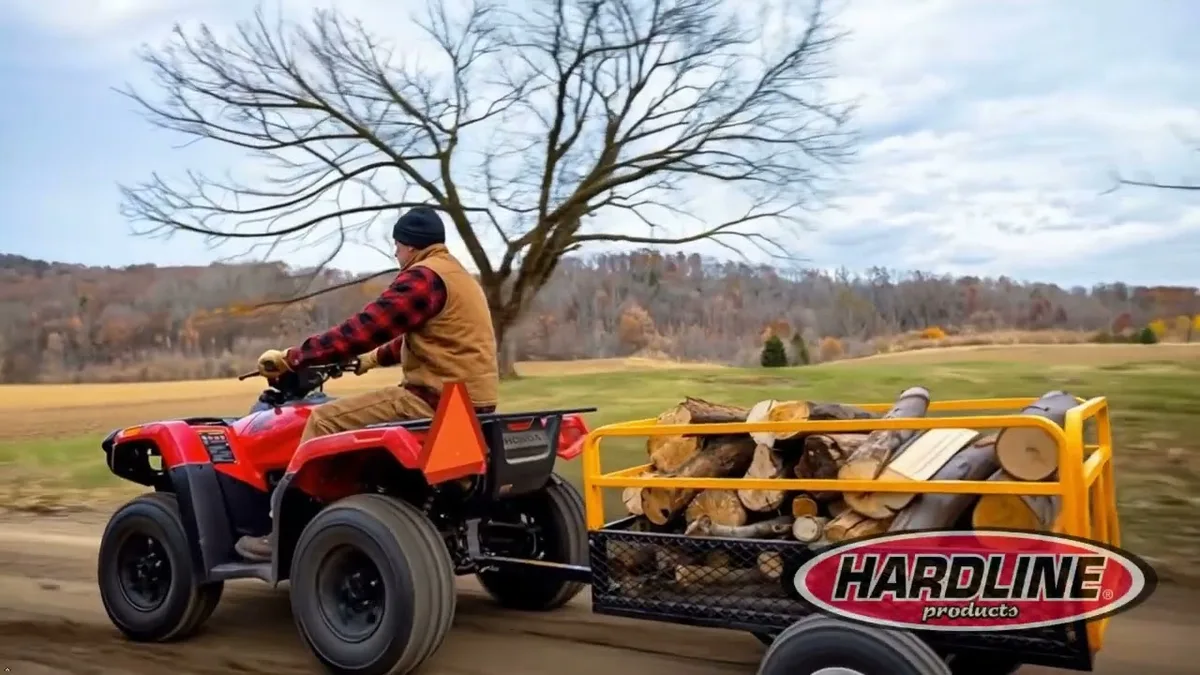
YouTube / Hardline Products® (YouTube thumbnail (fair-use with source credit))
Flashing Light Rules: Amber, Speed, and When You Need Them
If your tractor travels under 25 mph on public roads, you need a flashing amber light. This isn’t optional. The light must flash between 60 and 120 times per minute and be visible from 500 feet in all directions.
Mount the light as high as practical, ideally between 2 and 6 feet above the ground. It should be wired to activate whenever the tractor is on a public road, regardless of time of day.

YouTube / V1motors Chm (YouTube thumbnail (fair-use with source credit))
Exemptions and Gray Areas: When the Rules Don’t Apply
Not every tractor movement triggers these requirements. If you’re only crossing a public road to get from one field to another, and the distance is minimal, you might be exempt. However, Mississippi doesn’t define a specific distance.
Err on the side of caution.
Private roads are another exception. If you’re staying entirely on private property, the state’s SMV and lighting rules don’t apply. But the moment you hit a public roadway, even briefly, compliance kicks in.
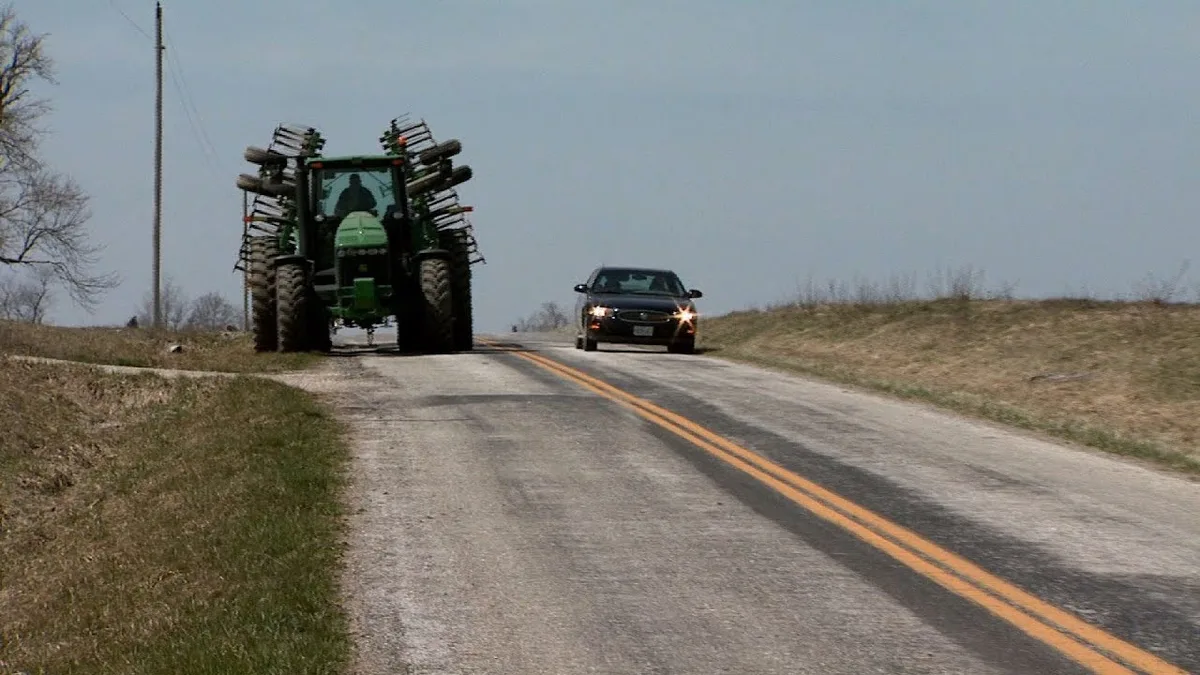
YouTube / University of Missouri System (UM System) (YouTube thumbnail (fair-use with source credit))
Step-by-Step: How to Check if Your Tractor Is Road-Legal
Start with the SMV emblem. Look for the orange triangle with red reflective border on the rear of your tractor. If it’s missing, faded, or obscured by dirt or equipment, it’s not compliant.
Next, verify the flashing amber light. It should be mounted high and visible from all directions. Test it before every road trip to ensure it’s flashing between 60 and 120 times per minute.
YouTube / JD MachineFinder (YouTube thumbnail (fair-use with source credit))
Check your speed. If your tractor can’t maintain at least 25 mph, the light and emblem are mandatory. If you’re unsure, assume you need both.
Finally, confirm visibility. Stand 500 feet behind your tractor in daylight. Both the emblem and light should be clearly visible.
If not, make adjustments or replacements.
Common Mistakes That Get Farmers Fined (And How to Avoid Them)
The most common mistake is a missing or improperly mounted SMV emblem. Some farmers assume the tractor’s factory paint or reflectors are enough. They’re not.
Another frequent issue is a non-functional flashing light. A burnt-out bulb or disconnected wire can lead to a citation. Always test the light before hitting the road.
Some operators forget to activate the flasher during daylight hours. The law doesn’t specify nighttime-only use. If you’re on a public road under 25 mph, the light must be on.
Finally, obstructed emblems are a problem. If your tractor is towing equipment that blocks the emblem, you need a secondary emblem on the rear of the load. Mississippi doesn’t make exceptions for convenience.
What Happens If You’re Pulled Over?
If an officer stops you for missing or non-compliant equipment, you’ll likely receive a citation. Fines vary by county but typically start around $50 and can go higher for repeat offenses.
You may also face a court appearance. Judges often dismiss first-time offenses if you show proof of correction. But don’t count on leniency.
In the worst case, an accident involving a non-compliant tractor can lead to liability issues. Insurance may deny claims if the equipment wasn’t properly marked.
Crossing State Lines: Mississippi vs. Alabama, Louisiana, Arkansas, and Tennessee
Mississippi’s rules align closely with federal SMV standards. But neighboring states have nuances.
Alabama requires the same SMV emblem but mandates two flashing amber lights for wider equipment. Louisiana follows federal guidelines but enforces them strictly on interstates. Arkansas allows some exemptions for short-distance travel.
Tennessee requires lights and emblems but has additional rules for oversized loads.
If you’re crossing state lines, check the specific requirements for each state. A quick call to the local Department of Transportation can save you a headache. When in doubt, over-comply.
Costs and Where to Buy Compliant Equipment
A standard SMV emblem costs between $10 and $20. You can find them at farm supply stores, tractor dealerships, or online retailers. Ensure it meets ASABE S298 standards.
Flashing amber light kits range from $30 to $80. Look for models with a 12V DC power source, compatible with most tractors. LED options last longer and draw less power.
Installation is straightforward. Most emblems come with adhesive backing or mounting hardware. Light kits include wiring instructions.
If you’re not comfortable with electrical work, a local mechanic can handle it for a small fee.
Real-World Scenarios: Harvest Season, County Roads, and Highway Travel
Harvest season means more tractors on the road. During this time, enforcement often increases. Officers know farmers are moving equipment between fields and may stop tractors to check compliance.
County roads present unique challenges. Dust, uneven surfaces, and low visibility can make it harder for drivers to spot your tractor. That’s why keeping your SMV emblem and flashing light clean is critical.
Highway travel is rare for tractors but does happen. If you must use a highway, stay in the right lane and use hazard lights in addition to your amber flasher. Mississippi doesn’t require a permit for short highway trips, but check local ordinances.
FAQs: The Questions Mississippi Farmers Ask Most
Do I need a flashing light if my tractor has hazard lights?
No. Hazard lights don’t meet the legal requirement. You need a dedicated amber flashing light that meets the 60-120 flashes per minute standard.
Can I use a red flashing light instead of amber?
No. Mississippi law specifically requires amber for agricultural equipment. Red lights are reserved for emergency vehicles.
How often should I replace my SMV emblem?
Replace it when the colors fade or the reflective border loses its brightness. Typically, this is every 2-3 years with regular use.
Are there any speed exemptions for tractors?
If your tractor can maintain 25 mph or more, you may not need the SMV emblem or flashing light. But most farm tractors can’t sustain that speed, so assume you need both.
What if I’m only moving my tractor a short distance?
Mississippi doesn’t define a specific distance exemption. If you’re on a public road, even briefly, you’re expected to comply.
Do towed implements need their own lighting?
If the implement obscures the tractor’s SMV emblem or light, yes. The rear of the load must have its own visible markings.