ByMax Lee
Mississippi Off-Road Light Bar Laws & Highway Rules
YouTube / Yota Xpedition (YouTube thumbnail (fair-use with source credit))
Mississippi auxiliary lighting and off road light bar highway restrictions can be confusing, but the stakes are real. Get it wrong and you risk fines, mandatory removal, or safety hazards. Many drivers assume any bright light bar is fine as long as it’s mounted properly, but Mississippi law draws a hard line between highway-legal auxiliary lamps and off-road-only setups.
Per FMVSS 108 standards, forward-facing lights must meet specific certification, height, and aiming rules to be street-legal. Mississippi enforces these under Title 63, and what’s allowed for farm equipment or off-road trails often isn’t for your daily driver.
Quick Answer
Mississippi prohibits off-road-only light bars on public roads. Highway-legal auxiliary lamps must be DOT/FMVSS 108 certified. They must meet height, spacing, and aiming rules.
Off-road bars lack this certification. Enforcement varies by county but citations are common.
Mississippi Vehicle Lighting Laws: Core Statutes and Definitions
Mississippi’s vehicle lighting rules live in Title 63 of the state code. This covers everything from headlamps to auxiliary driving lamps and off-road equipment.
Auxiliary driving lamps are additional forward-facing lights that supplement your headlights. They must comply with Federal Motor Vehicle Safety Standard 108 to be street-legal. Off-road light bars typically carry a "not for highway use" label and don’t meet these standards.
FMVSS 108 sets the baseline for brightness, color, and beam pattern. Mississippi adopts these federal standards and adds its own enforcement under state law.
Highway-Legal vs. Off-Road-Only: What Mississippi Actually Allows
YouTube / Lasfit Auto Lighting (YouTube thumbnail (fair-use with source credit))
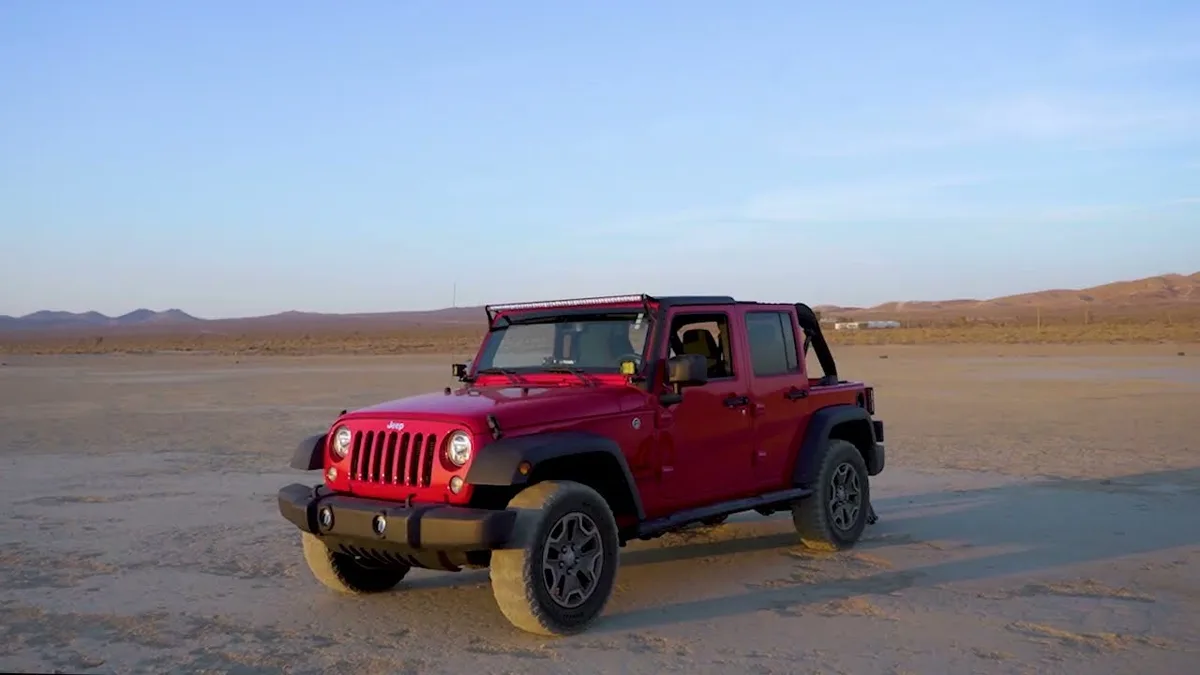
Highway-legal auxiliary lamps are DOT/FMVSS 108 certified and designed for road use. They must be white or amber, properly aimed, and mounted within specific height and spacing limits.
Off-road light bars are built for maximum illumination in uncontrolled environments. They often lack the certification required for highway use and may emit light patterns or colors that are illegal on public roads.
Mississippi allows some exceptions for specific vehicle types. Farm equipment, emergency vehicles, and certain utility vehicles may use auxiliary lighting that’s not permitted on standard passenger vehicles.
Installation and Aiming Rules That Keep You Legal in Mississippi
YouTube / Kory's Rides (YouTube thumbnail (fair-use with source credit))
Mississippi requires auxiliary driving lamps to be mounted at a height between 24 and 72 inches. This ensures the beam pattern aligns with the road and doesn’t create glare for other drivers.
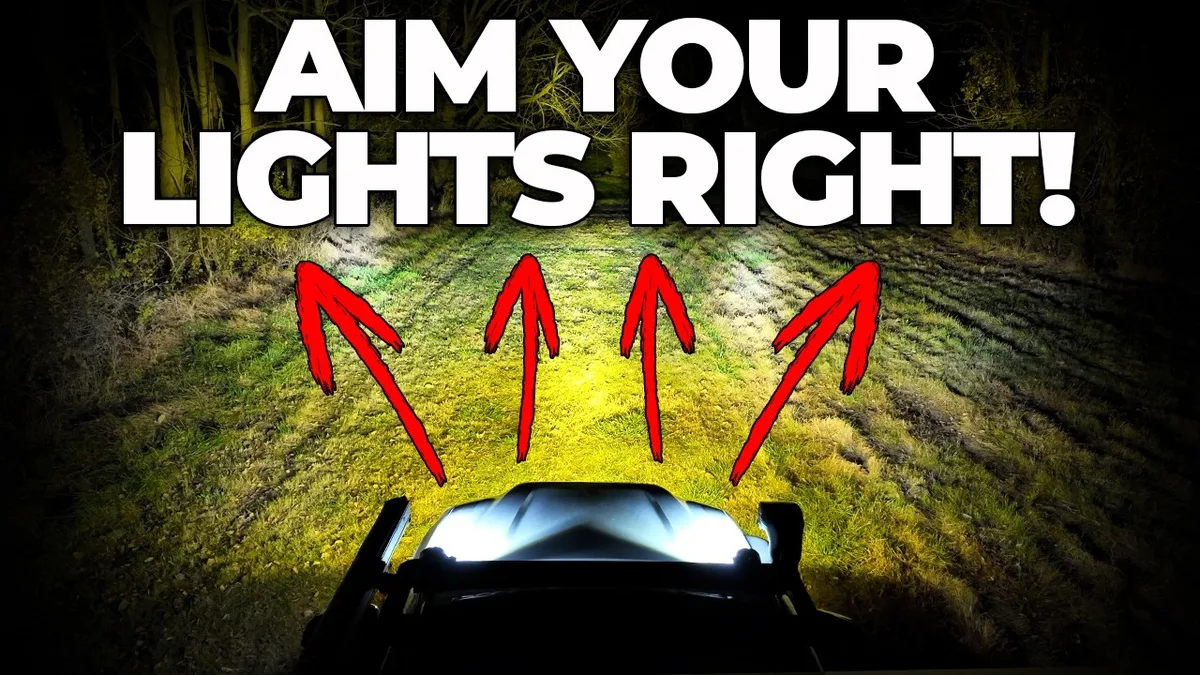
Aiming is critical. Auxiliary lamps must be aimed so they don’t illuminate the road more than 75 feet ahead when on high beam. Improper aiming is one of the most common reasons for citations.
Wiring must be secure and protected. Using a relay and fuse protection is a best practice to ensure safety and reliability.
Common Mistakes and Penalties: What Gets Drivers Ticketed in Mississippi
YouTube / WTAE-TV Pittsburgh (YouTube thumbnail (fair-use with source credit))
Using off-road light bars on public roads is a frequent violation. These are often brighter and less controlled than highway-legal lamps, leading to glare complaints and citations.
Improper aiming is another common issue. Lamps that are too high or angled incorrectly can blind other drivers. Mississippi law enforcement takes this seriously.
Unauthorized colors are also a problem. Forward-facing lights must be white or amber. Red, blue, or green lights are reserved for emergency vehicles and are illegal for standard passenger vehicles.
Penalties for violations typically include fines and orders to remove or correct the lighting setup.
Who Can Use Off-Road Lighting on Mississippi Roads: Key Exceptions
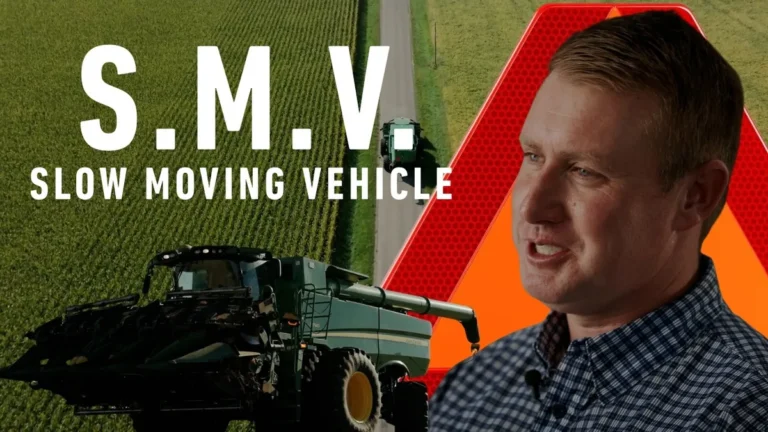
Farmers and agricultural operators can often run brighter auxiliary lighting on slow-moving equipment. Farm equipment moving on public roads may display amber warning lights and auxiliary lamps for visibility.
Emergency and volunteer responder vehicles may use red, blue, or white emergency lights along with auxiliary driving lamps. This applies to official emergency vehicles and certain authorized volunteer responders.
Utility and construction vehicles operating during daylight hours may use auxiliary lighting for work visibility. The key distinction is purpose.
Personal passenger vehicles and standard pickup trucks do not qualify for these exceptions. Understanding your vehicle classification matters when determining what lighting is legal. Visit the Mississippi Legislature for the full text of vehicle equipment statutes.
Installing Auxiliary Driving Lamps Legally: A Step-by-Step Compliance Guide
YouTube / Wet Coast Fab (YouTube thumbnail (fair-use with source credit))
Step 1: Verify Product Certification
Check that your auxiliary driving lamps carry FMVSS 108 compliance markings. Without this certification, the lamps are not legal for highway use.
Step 2: Confirm Height and Spacing Requirements
Measure the mounting height from the ground to the center of the lamp beam. Mississippi requires lamps to sit between 24 and 72 inches. Verify lateral spacing between multiple lamps meets the minimum 16-inch requirement.
Step 3: Choose Proper Mounting Points
Select locations that allow correct aiming without interfering with airbag deployment zones. Use sturdy brackets designed for auxiliary lamp installation.
Step 4: Wire with Protection
Install a relay and fuse protection on the power feed. Route wiring away from heat sources and moving parts.
Step 5: Aim the Beams Correctly
Position the vehicle facing a flat wall at a known distance. Adjust until the cutoff falls below the required height. Test the aim both high and low beam positions.
Step 6: Perform a Legal Check
Verify that lamps can be easily switched off. Confirm the beam pattern does not blind oncoming drivers.
Use Cases: Choosing the Right Lighting Setup for Your Mississippi Driving Needs
Different driving scenarios call for different lighting approaches. Matching your setup to your actual use case helps avoid legal trouble while maximizing safety.
Rural Commuting on Dark Two-Lane Roads
Highway-legal auxiliary driving lamps are the right choice here. They provide additional illumination on unlit country roads while staying within legal limits.
Farm-to-Field Routes and Slow-Moving Equipment
If you regularly operate agricultural equipment on public roads, the farm exemption may cover your lighting needs. Ensure your equipment meets Mississippi agricultural definitions.
Recreational Off-Roading in State Parks and Trails
Off-road light bars belong on designated trails, not public highways. Use them only in areas where highway restrictions do not apply.
Work and Utility Vehicles
Utility vehicles performing daytime work may use auxiliary lighting under the work vehicle exception. Keep the lights on only when actively working.
| Driving Scenario | Recommended Lighting | Legal Path |
|---|---|---|
| Rural night commuting | FMVSS 108 auxiliary lamps | Always legal when properly mounted |
| Farm equipment transport | Agricultural exemption lamps | Exempt under specific conditions |
| Trail riding only | Off-road light bars | Off-road areas only |
| Daytime utility work | Work vehicle auxiliary lights | Exempt when actively working |
Frequently Asked Questions
Can I drive with an off-road light bar on Mississippi highways at night?
No. Off-road-only light bars lack FMVSS 108 certification and are illegal for highway use. They can result in citations and mandatory removal.
Are LED pods legal if they are not labeled off-road only?
Not necessarily. The label alone does not determine legality. The lamps must meet FMVSS 108 standards and comply with Mississippi mounting and aiming requirements.
What happens if I am cited for auxiliary lamp glare in Mississippi?
You will receive a citation requiring correction. This typically means dimming or removing the improperly aimed lamps.
Do I need to dim or turn off auxiliary lights when meeting oncoming traffic?
Yes. Mississippi requires all forward-facing auxiliary lamps to be dimmed or switched off when approaching oncoming vehicles.
Are there different rules for motorcycles, ATVs, and UTVs on public roads?
Yes. Each vehicle class has specific lighting requirements. Motorcycles must meet separate headlamp and taillamp standards.
Can I install amber auxiliary lamps on a personal passenger vehicle?
Amber auxiliary lamps are generally permitted for forward-facing use on passenger vehicles. They must still meet FMVSS 108 standards and comply with all mounting and aiming rules.
Final Decision Guide: How to Stay Compliant and Drive Safely in Mississippi
YouTube / Rosco Laboratories Inc (YouTube thumbnail (fair-use with source credit))
Staying compliant with Mississippi auxiliary lighting rules comes down to a few clear checks before you hit the road.
First, verify that your lamps carry FMVSS 108 certification. Second, confirm proper mounting height and spacing according to state requirements. Third, aim the beams correctly to prevent glare.
Fourth, ensure you can switch the lamps off easily when meeting other traffic.
If any of these steps raise questions, consult a qualified installer or review the official statutes directly. The NHTSA FMVSS 108 page provides detailed federal standards that Mississippi adopts.
The bottom line remains straightforward. Choose highway-approved auxiliary lamps for road use. Reserve off-road light bars for trails and private property.
Never compromise on aiming or color rules when driving on Mississippi public roads.