ByMax Lee
Mississippi Trailer Towing Safety Chain & Lighting Rules
Mississippi trailer towing safety chain and lighting equipment requirements exist to prevent accidents and keep you legal on the road. If you're hauling anything from a small utility trailer to a large camper, the state has clear rules about chains and lights that you can't ignore.
As of 2026, Mississippi law mandates at least two safety chains for trailers over 3,000 lbs, with each chain rated to the trailer's Gross Vehicle Weight Rating. These aren't suggestions, they're requirements that officers enforce during traffic stops.
Quick Answer
Mississippi trailer towing safety chain and lighting equipment requirements apply to all trailers. You need crossed safety chains rated for your trailer's weight. All trailers must have working tail lights, brake lights, and turn signals.
Side markers and reflectors are required for wider trailers. Non-compliance risks fines and serious safety hazards.
Why Getting Mississippi Towing Regulations Right Matters
Trailer detachments cause severe accidents, often because safety chains fail or lighting isn't visible. Mississippi enforces these rules to protect everyone on the road.
Wrong setups lead to citations, liability, and worse. Officers check chains and lights during routine stops. Following the law isn't just about avoiding tickets, it's about preventing disasters.
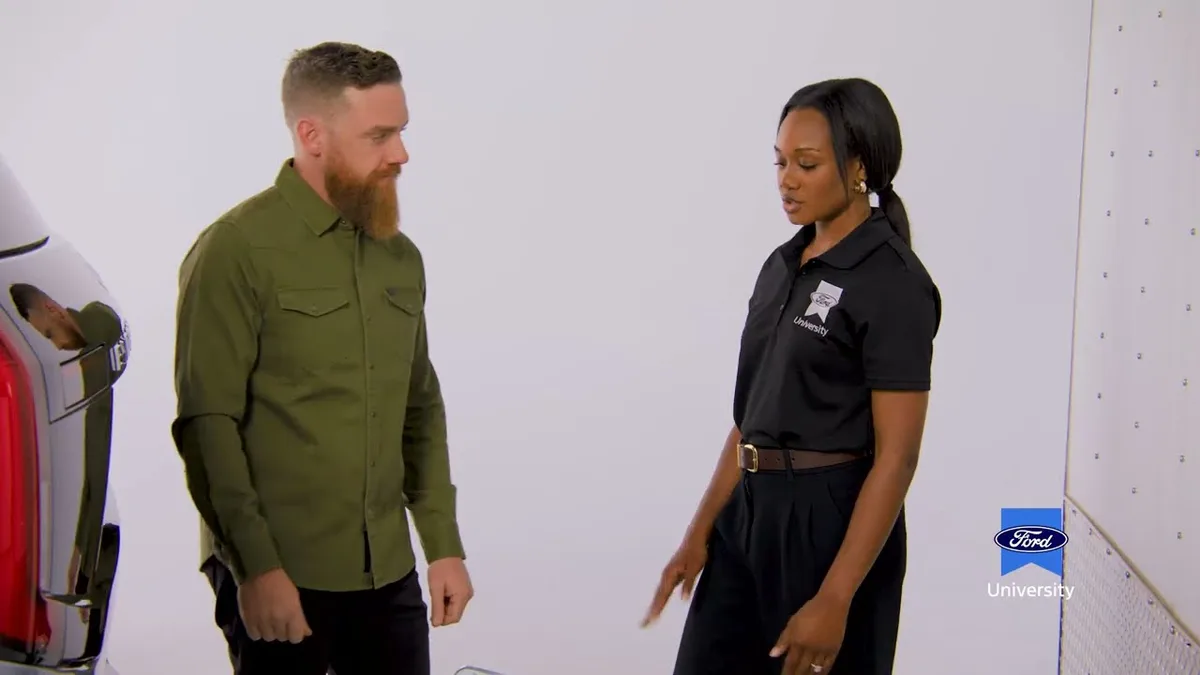
YouTube / Ford Motor Company (YouTube thumbnail (fair-use with source credit))
Mississippi Safety Chain Requirements: Core Facts
When You Need Safety Chains
Mississippi requires safety chains for all trailers. The law doesn't specify a minimum weight, but practical safety demands them for any towed load.
For trailers over 3,000 lbs, you must use at least two chains. Lighter trailers should still use chains as a precaution.
How to Attach Safety Chains
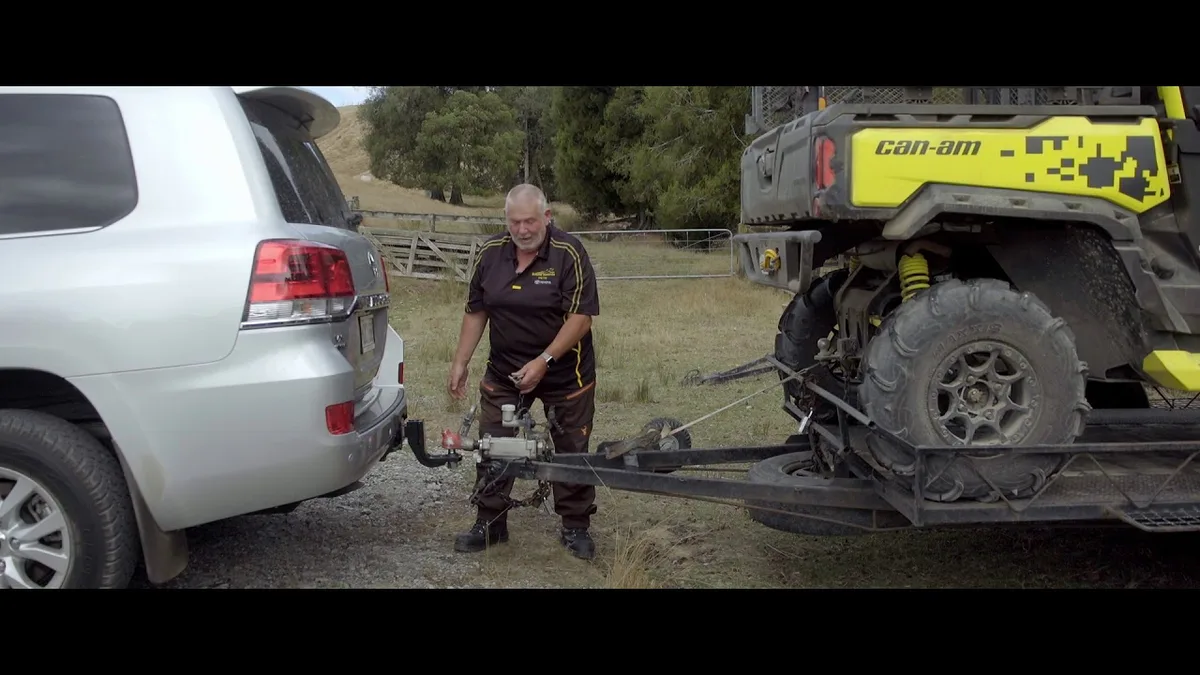
Always cross the chains under the trailer tongue in an X pattern. This prevents the tongue from digging into the road if the hitch fails.
Attach the chains to the tow vehicle's frame, not the hitch itself. This provides a stronger anchor point.
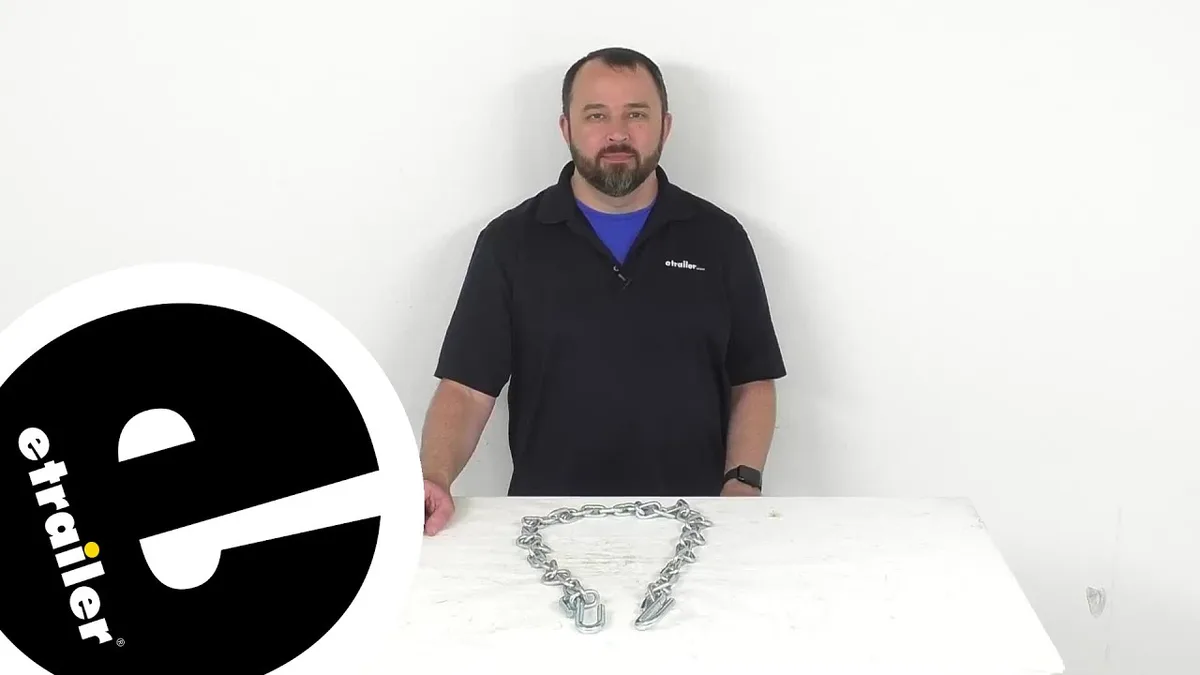
YouTube / etrailer (YouTube thumbnail (fair-use with source credit))
Chain Strength Requirements
Each chain must have a breaking strength equal to or greater than your trailer's Gross Vehicle Weight Rating. This ensures they can handle the load if the primary connection fails.
Grade 70 chains work for most consumer trailers. Grade 80 offers higher strength for heavier loads.
For reference, similar regional towing rules follow comparable safety standards.
Mississippi Trailer Lighting Requirements: Core Facts
Mandatory Lights for All Trailers
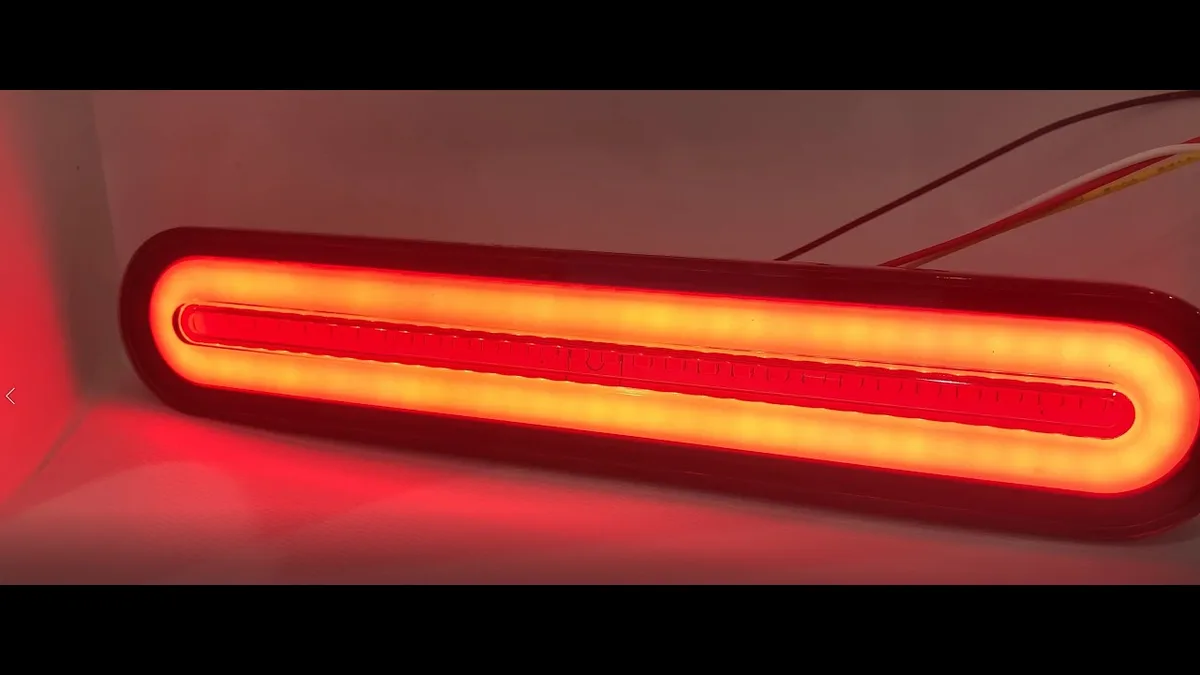
Every trailer must have working tail lights, brake lights, and turn signals. These must be visible from 500 feet at night.
Reflectors are required on the rear (red) and sides (amber). These help other drivers see your trailer in low light.
Additional Lighting for Larger Trailers
Trailers over 80 inches wide need side marker lights and reflectors. These improve visibility from the sides.
Trailers over 30 feet long require clearance lights. These mark the trailer's full length for other drivers.
Wiring Standards
Most small trailers use a 4-way flat connector for basic lighting. Larger trailers with brakes need a 7-way round connector.
Always match your tow vehicle's connector to your trailer's wiring. Mismatches cause lighting failures.
YouTube / North 53 Overland (YouTube thumbnail (fair-use with source credit))
For more on vehicle equipment standards, see the NHTSA guidelines.
Risk Factors: What Goes Wrong in Real Towing Situations
Chain Failures
Weak or improperly rated chains can snap under load. This is especially dangerous on highways or during sudden stops.
Chains that are too loose can drag on the road. Chains that are too tight can't accommodate turns properly.
Lighting Problems
Burnt-out bulbs are a common issue. Always check all lights before each trip.
Corroded connectors cause intermittent failures. Clean and protect these connections regularly.
YouTube / How2Mechanics (YouTube thumbnail (fair-use with source credit))
Wiring Issues
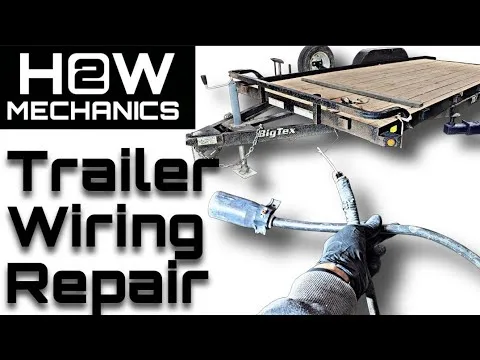
Improper grounding leads to flickering or non-functional lights. Ensure all connections are tight and clean.
Using the wrong connector type can leave some lights inoperable. Double-check compatibility between your vehicle and trailer.
Safe Practices: How to Tow Compliantly and Safely in Mississippi
Pre-Trip Inspection Checklist
Before every tow, perform these checks to stay legal and safe.
- Safety chains: Ensure they're crossed under the tongue with about 12 inches of slack. Hook them securely to frame-mounted points.
- Lighting test: Have someone operate your signals while you walk around the trailer. Confirm all lights function and are clean.
- Connector check: Inspect the wiring plug for corrosion, cracks, or loose pins. Clean contacts with electrical contact cleaner if needed.
- Trailer condition: Verify tires are properly inflated and not worn. Check that brakes engage smoothly if equipped.
YouTube / Double D Distribution (YouTube thumbnail (fair-use with source credit))
Before every tow, perform these checks to stay legal and safe.
- Safety chains: Ensure they're crossed under the tongue with about 12 inches of slack. Hook them securely to frame-mounted points.
- Lighting test: Have someone operate your signals while you walk around the trailer. Confirm all lights function and are clean.
- Connector check: Inspect the wiring plug for corrosion, cracks, or loose pins. Clean contacts with electrical contact cleaner if needed.
- Trailer condition: Verify tires are properly inflated and not worn. Check that brakes engage smoothly if equipped.
YouTube / Double D Distribution (YouTube thumbnail (fair-use with source credit))
Proper Chain Tension and Attachment
Loose chains can whip dangerously. Overly tight ones limit turning ability. Aim for enough slack for turns but not so much that they drag.
Attach chains to the tow vehicle's frame, not the hitch ball mount. Frame mounts provide the strength needed in a detachment event.
Wiring Best Practices
Corrosion and poor grounding cause most lighting failures. Keep connectors coated with dielectric grease to repel moisture.
If your trailer has a 7-way connector, verify the brake controller connection works before loading.
When to Seek Help or Professional Inspection
Signs Your Setup Isn't Compliant
If any light fails during a test and won't stay fixed after cleaning connections, you likely have a deeper wiring issue.
Visible fraying, cracks, or rust on safety chains means immediate replacement. Don't risk a weak link.
Difficulty coupling or uncoupling the trailer suggests alignment problems with the hitch or coupler.
Complex Wiring Issues Beyond DIY Fixes
Repeated bulb blowouts, dim lights, or signals that activate randomly point to grounding faults. These require systematic diagnosis.
If you've checked grounds, connectors, and fuses without success, consult a trailer repair specialist.
Commercial or Oversized Loads Requiring Special Knowledge
Trailers over 80 inches wide or 30 feet long often need specialized lighting and chaining setups. Commercial operators should follow both state and federal motor carrier safety regulations.
When in doubt, visit a certified inspection facility or contact the Mississippi Department of Transportation for guidance.
Comparison: Common Mistakes vs. Correct Practice
| Mistake | Consequence | Correct Approach |
|---|---|---|
| Chains crossed incorrectly or attached to the hitch | Tongue drops into road if detached, causing loss of control | Always cross chains in an X pattern and attach to frame |
| Using chains rated below trailer weight | Chain failure under load, trailer detaches | Choose chains with a breaking strength equal to or greater than trailer GVWR |
| Skipping side marker lights on wide trailers | Reduced visibility from sides, higher accident risk | Install required markers on trailers wider than 80 inches |
| Ignoring connector grounding | Flickering or dead lights, especially when braking | Clean ground connection points and ensure metal-to-metal contact |
| Over-tightening chains | Restricts turning, strains hitch and vehicle | Adjust for moderate slack that allows full turns without dragging |
YouTube / Toyota New Zealand (YouTube thumbnail (fair-use with source credit))
Frequently Asked Questions
Do I need safety chains for a small utility trailer?
Yes. Mississippi expects safety chains for any trailer towed on public roads.
What size trailer requires side marker lights in Mississippi?
Trailers wider than 80 inches must display side marker lights and reflectors.
Can I use any safety chains, or do they need to meet a grade?
Chains must meet or exceed the trailer's Gross Vehicle Weight Rating. Grade 70 or higher is recommended.
How often should I inspect my trailer lights and chains?
Inspect before every trip. Perform a thorough maintenance check at least once a season.
What's the difference between a 4-way and 7-way connector, and when do I need each?
A 4-way connector handles basic lighting. A 7-way adds circuits for electric brakes and battery charging. Use a 7-way if your trailer has electric brakes.
Are LED trailer lights legal in Mississippi?
Yes. LED lights are legal as long as they produce the required brightness and color for each function.
Verified Summary: Mississippi Trailer Safety at a Glance
Safety chains are mandatory for all trailers and must be crossed under the tongue, rated to the trailer's GVWR.
All trailers need functional tail lights, brake lights, turn signals, and rear red reflectors visible from 500 feet.
Trailers over 80 inches wide require amber side marker lights. Those over 30 feet long need clearance lights.
Inspect chains and wiring before each tow. Replace any damaged components immediately.
When violations are discovered or repairs exceed your skill level, seek help from a professional or the Mississippi DOT.