ByMax Lee
Missouri U-Turn Laws: Controlled Intersections & Crossovers
Missouri U turn laws at controlled intersections and highway crossovers can be confusing, especially when signs and signals seem to conflict. Whether you're at a busy city intersection or a divided highway, knowing the exact rules prevents tickets and keeps you safe.
In Missouri, U-turns are generally allowed at controlled intersections unless a sign explicitly prohibits them, but highway crossovers have stricter rules. As of 2026, violating these laws can cost you up to $200 and add points to your driving record.
YouTube / Federal Highway Administration USDOTFHWA (YouTube thumbnail (fair-use with source credit))
Quick Answer
Missouri U turn laws at controlled intersections and highway crossovers allow U-turns unless signs prohibit them. At signalized intersections, U-turns are legal on green unless a "No U-Turn" sign is posted. Highway crossovers permit U-turns only at designated median openings.
Violations carry fines up to $200 and 2-3 points on your license.
The Decision Tree: What Type of Location Are You At?
If You're at a Signalized Intersection
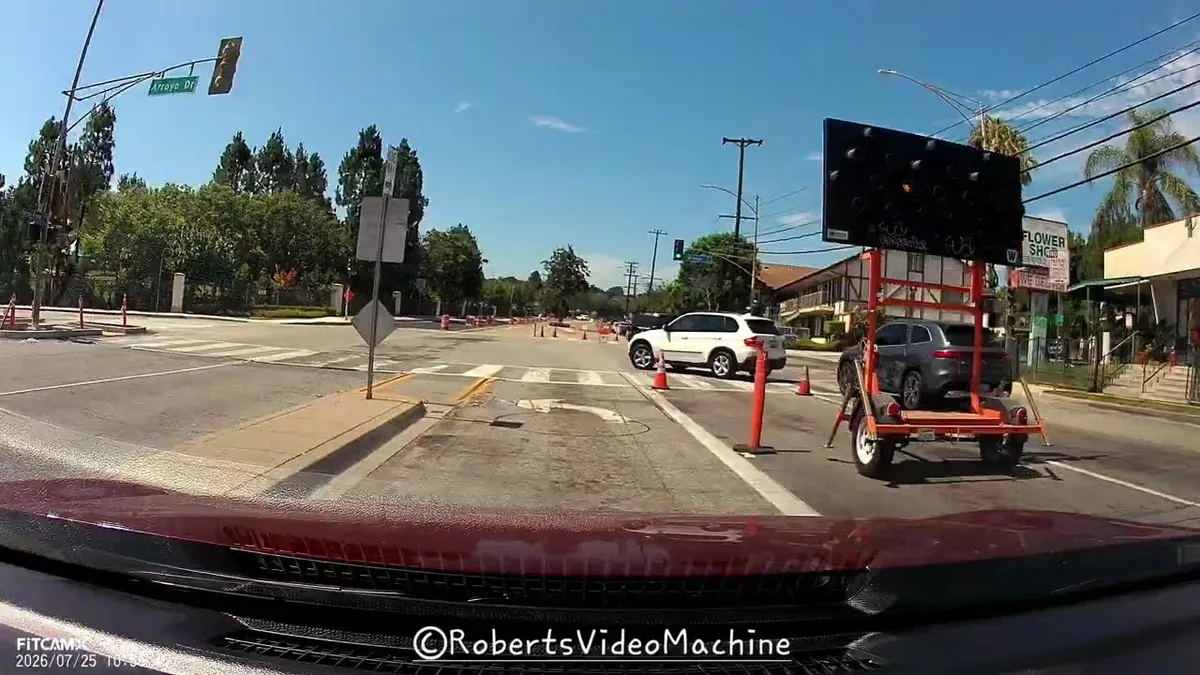
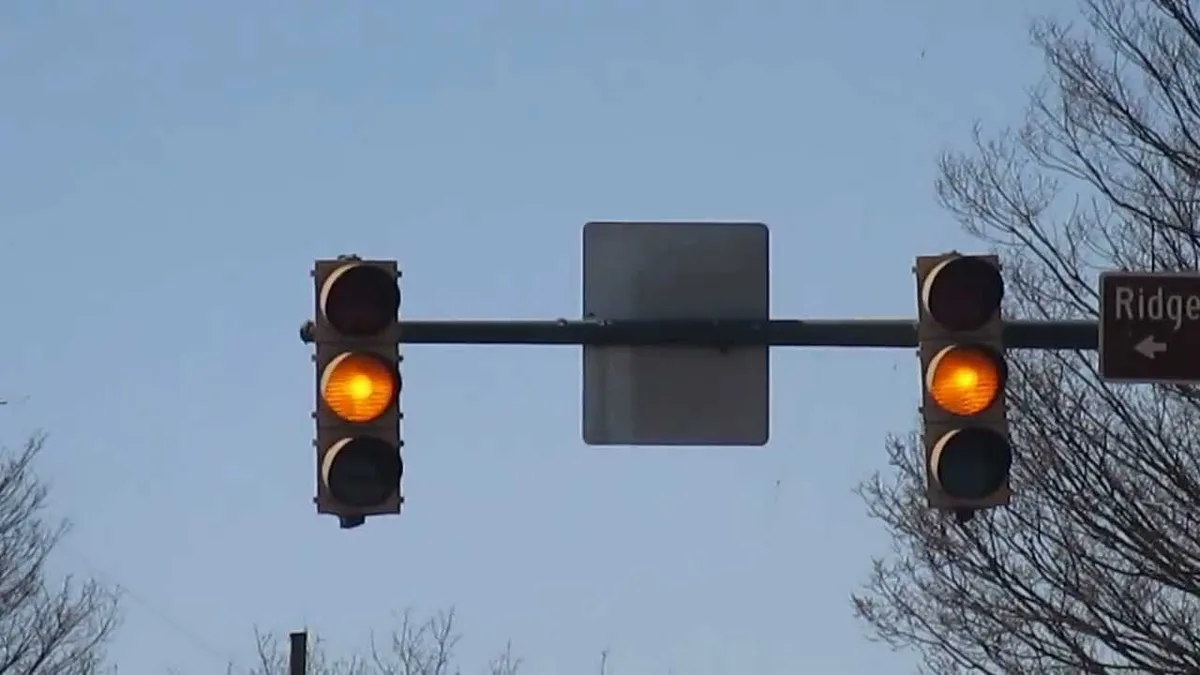
At a green light, U-turns are allowed unless a "No U-Turn" sign is present. If the light is flashing yellow, treat it as a yield and proceed only if safe.
A flashing red light requires a full stop before making any turn, including a U-turn. A solid green arrow means left turns are protected, and U-turns are typically allowed unless restricted by signage. Never attempt a U-turn on red in Missouri, as this is explicitly prohibited.
YouTube / Robert's Video Machine (YouTube thumbnail (fair-use with source credit))
If You're at a Stop-Sign Controlled Intersection
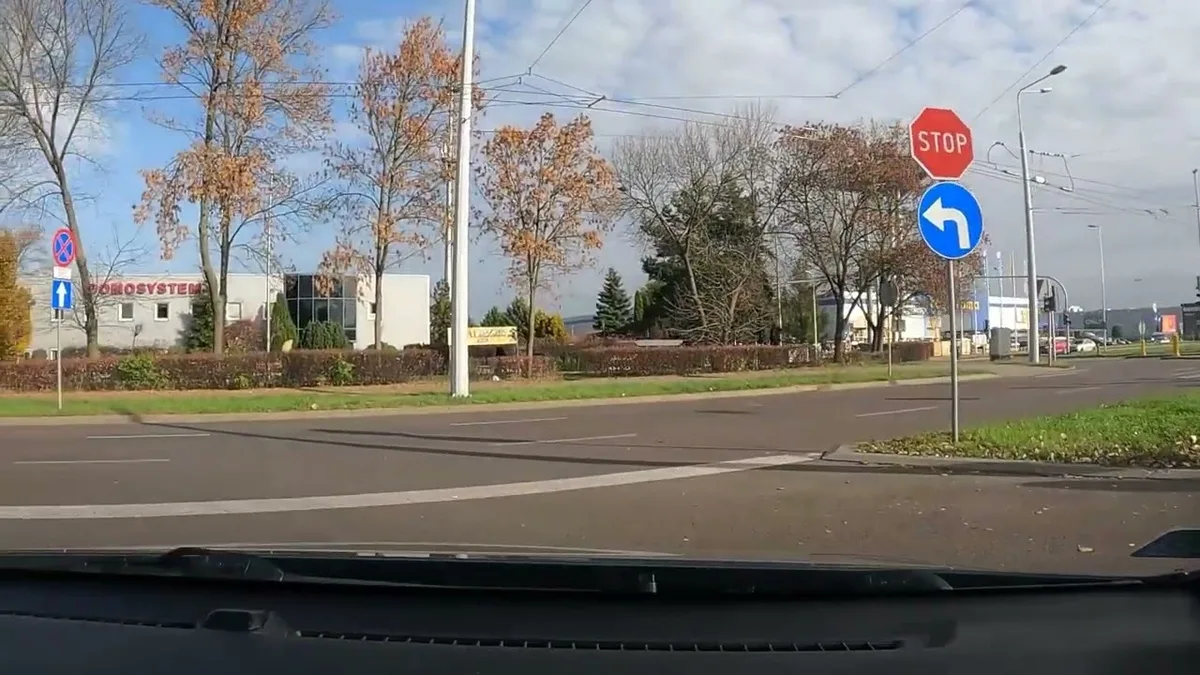
At a stop sign, you must come to a complete stop before making a U-turn. Check for "No U-Turn" or "No Left Turn" signs, as these often apply to U-turns as well. Yield to all oncoming traffic and pedestrians before completing the turn.
If You're Using a Highway Crossover (Median Opening)
Highway crossovers are the only legal places to make U-turns on divided highways. Look for designated median openings, often marked with signs or pavement indicators. Never attempt a U-turn across barriers or solid double yellow lines.
Step-by-Step: How to Legally Make Each Type of U-Turn
At a Controlled Intersection
- Position your vehicle in the leftmost lane or a lane marked for turns.
- Activate your left turn signal at least 100 feet before the intersection.
- Yield to oncoming traffic, pedestrians, and cyclists.
- Complete the U-turn without crossing into the wrong lane or blocking traffic.
- End in the correct lane for your direction of travel.
Avoid swinging wide into the right lane, as this can confuse other drivers and create hazards.
YouTube / Edmonton Police Service (YouTube thumbnail (fair-use with source credit))
At a Highway Crossover
- Approach the designated median opening at a safe speed.
- Check for signage confirming U-turns are permitted.
- Look both ways for oncoming traffic, as visibility may be limited.
- Signal your intent and merge smoothly into the crossover.
- Complete the U-turn without stopping in the median.
Never use a highway crossover as a passing lane or for any purpose other than turning.
YouTube / OSK AMIGO LUBLIN (YouTube thumbnail (fair-use with source credit))
Safety & Legal Risks: What Happens If You Violate Missouri U-Turn Laws
Penalties for Illegal U-Turns
In Missouri, an illegal U-turn is a Class C misdemeanor. Fines can reach up to $200, and you may receive 2-3 points on your driving record. These points stay on your record for three years and can lead to higher insurance premiums.
If an illegal U-turn results in a collision, you may be held liable for damages and face additional penalties.
YouTube / 6abc Philadelphia (YouTube thumbnail (fair-use with source credit))
Physical Dangers of Improper U-Turns
U-turns made in the wrong location can lead to side-swipe or head-on collisions. These maneuvers are particularly dangerous on divided highways, where drivers may not expect a vehicle to cross into oncoming traffic.
Pedestrians and cyclists are also at risk if drivers fail to yield the right-of-way during a U-turn.
Common Mistakes Drivers Make (And How to Avoid Them)
Mistake #1: Assuming All Intersections Allow U-Turns
Not all signalized intersections permit U-turns. Some have "No U-Turn" signs posted, often due to traffic flow or safety concerns.
YouTube / Traffic Light Videos (YouTube thumbnail (fair-use with source credit))
Mistake #2: Confusing "No Left Turn" with U-Turn Permission
A "No Left Turn" sign typically applies to U-turns as well. If you see this sign, assume U-turns are prohibited unless another sign explicitly allows them.
Mistake #3: Turning Across Double Yellow Lines Illegally
Double yellow lines indicate a no-passing zone, and crossing them to make a U-turn is illegal. Only make a U-turn where the lines are broken or at a designated crossover.
Mistake #4: Blocking Crosswalks or Bike Lanes
U-turns must not interfere with pedestrian or cyclist right-of-way. Start your turn behind the crosswalk line and ensure bike lanes are clear before proceeding.
Mistake #5: Misreading Traffic Signal Phases
A green arrow for left turns usually allows U-turns, but a flashing yellow or red signal requires caution. Never attempt a U-turn on a solid red light.
Expert Tips: Making U-Turns Safely and Confidently
For Urban Drivers in St. Louis, Kansas City, and Springfield
Downtown areas often have stricter U-turn rules due to heavy traffic and pedestrian activity. Watch for local ordinances that may override state law, especially near schools, hospitals, or business districts.
Use GPS to identify legal U-turn points before you need one.
For Rural and Highway Drivers
Rural highways may have fewer designated crossovers, so plan your route accordingly. Never attempt illegal crossovers through barriers just to save time.
Allow extra space for large vehicles making wide turns.
Seasonal Considerations
Winter conditions reduce tire traction during sharp turns. Reduce speed and avoid sudden maneuvers on icy roads.
Flood season can temporarily close median crossovers. Check MoDOT's road conditions for updates before traveling.
FAQs About Missouri U-Turn Laws
Can I make a U-turn at a red light in Missouri?
No. Missouri law prohibits U-turns on red unless a sign explicitly allows it.
What's the difference between a crossover and an intersection?
An intersection is where two roads meet. A crossover is a designated break in a highway median for turning movements.
Do I need to signal if there are no cars around?
Yes. Missouri law requires signaling for all turns, including U-turns, regardless of traffic conditions.
Can I U-turn across a double yellow line?
Only where the line ends at a designated crossover or intersection. Crossing solid double yellow lines to U-turn is illegal.
Are U-turns legal on one-way streets?
Generally yes, but follow local signage. Ensure you don’t cross into prohibited areas or block traffic.
Final Recommendation: Your U-Turn Decision Guide
When in Doubt, Do This
- Look for explicit permission signs.
- Confirm no prohibitory signage exists.
- Ensure visibility is unobstructed.
- Yield completely to all other road users.
- If still uncertain, drive to the next legal turnaround point.
Missouri-Specific Reminders
RSMo Chapter 304 governs all turning movements in the state. MoDOT maintains official crossover locations statewide.
Local municipalities may impose additional restrictions. When laws conflict, always follow the most restrictive sign or signal.
Quick Reference Cheat Sheet
- Allowed: Signalized intersections without "No U-Turn" signs, designated highway crossovers.
- Prohibited: On divided highways without crossovers, within 200 feet of curves or hills, where double yellow lines can’t be crossed, in business districts without designated areas.
- Legal requirement: Signal early, yield fully, complete turn in the correct lane.
Best For: Who Should Pay Extra Attention to These Rules?
Teen Drivers and Permit Holders
New drivers often struggle with intersection navigation. Practice U-turns in empty parking lots before attempting them on roads.
Out-of-State Drivers
Visitors from states with different U-turn laws may unknowingly violate Missouri rules. Adjust your expectations when driving locally.
Delivery and Rideshare Drivers
These professionals make frequent route adjustments. Knowing legal U-turn locations saves time and avoids tickets.
Drivers with Large Vehicles
Trucks and RVs need wider turning radii. Attempting tight U-turns can cause collisions with curbs, medians, or other vehicles.
Maintaining Good Driving Habits Around U-Turns
Stay Alert for Sign Changes
Construction zones often feature temporary signage. Follow posted instructions even if they differ from permanent signs.
Regular Vehicle Maintenance
Ensure your turn signals work properly. Faulty signals create confusion for other drivers.
Seasonal Driving Adjustments
Summer tourist seasons bring heavier traffic near attractions. Allow extra space for turns in congested areas.