ByMax Lee
NJ Window Tint Laws: Legal Limits & Light Transmission
YouTube / Window tint laws (YouTube thumbnail (fair-use with source credit))
New Jersey's Window Tinting Laws: What's Actually Legal in 2024
New Jersey window tinting legal limits and light transmission requirements are some of the strictest in the country. Getting them wrong can cost you time, money, and headaches. Drivers across the state receive citations every year during routine traffic stops.
Most violations happen because their tint falls outside state allowances.
The baseline rule is clear. Front side windows must allow at least 70% of light through. Rear side windows and the rear windshield have no darkness restriction.
This requirement comes directly from the New Jersey Motor Vehicle Commission. Here's what you need to know to stay on the right side of the law.
Quick Answer: NJ's Legal Tint Limits at a Glance
New Jersey window tinting legal limits and light transmission requirements center on one number. Front side windows require a minimum of 70% visible light transmission. This means the tint can block no more than 30% of visible light.
Rear side windows and the rear windshield face no state-imposed darkness limit. Any tint shade is technically legal on those panels. The windshield can only feature non-reflective tint above the manufacturer's AS-1 line.
Reflective tints are prohibited statewide regardless of window position.
These limits apply uniformly across sedans, SUVs, vans, and pickup trucks. Commercial vehicles and law enforcement equipment may carry separate exemptions. Medical exemption holders can petition for darker tint below the 70% threshold with proper documentation.
Why These Rules Exist (And Why You Should Care)
New Jersey enforces window tint laws primarily for visibility and safety reasons. Dark tint reduces a driver's ability to see pedestrians and obstacles during night driving. It also makes it harder for officers to check inside vehicles during stops.
These concerns shaped the 70% VLT threshold for front side windows. The rule ensures drivers maintain adequate peripheral vision. The state takes a stricter stance than most neighbors.
Drivers crossing from Pennsylvania or New York often discover non-compliance the hard way.
Penalties extend beyond fines. Violations can trigger failed safety inspections and required tint removal before registration renewal. Understanding how other states handle trailer registration shows why interstate drivers need to adjust expectations.
The Core Rules: Light Transmission (VLT) by Window
Visible light transmission percentages define every legal tint rule in New Jersey. VLT measures how much light passes through both glass and film. A 70% VLT rating allows 70% of sunlight through.
A 20% VLT blocks 80% of incoming light.
The state breaks window rules by specific panel position. Each location carries different allowances. Front side windows directly impact your field of view.
They carry the strictest requirement.
| Window Position | Legal VLT Minimum | Notes |
|---|---|---|
| Front side windows | 70% VLT | Strictest limit in the state |
| Rear side windows | No restriction | Any darkness permitted |
| Rear windshield | No restriction | Any darkness permitted |
| Windshield | Non-reflective only | Above AS-1 line permitted |
| All windows combined | No reflective tint | Metalized or mirrored finishes banned |
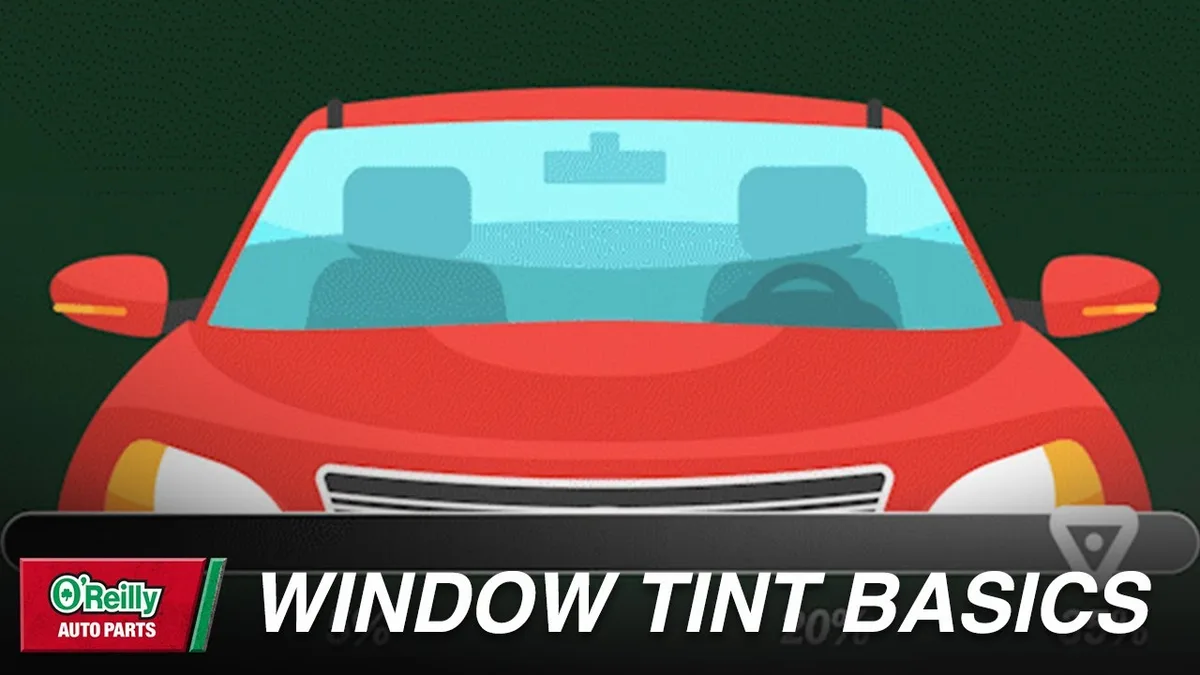
The 70% front side requirement limits acceptable tint shades. You need approximately 50% VLT film or higher when applied over factory glass. Most factory glass already reduces light transmission by 10 to 20%.
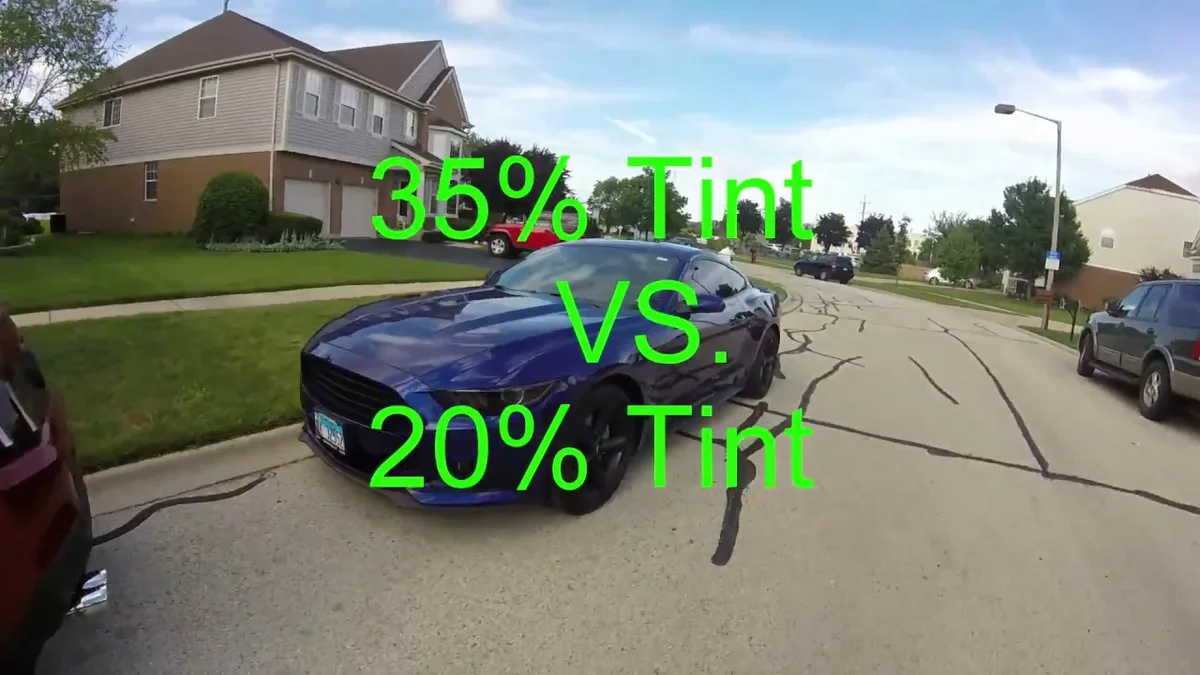
Adding aftermarket film pushes the combined reading lower. A 35% VLT film over new glass will likely fall below the legal threshold.
YouTube / O'Reilly Auto Parts (YouTube thumbnail (fair-use with source credit))
Which Vehicles Get Different Rules?
New Jersey applies identical tint standards across all standard passenger vehicles. Sedans, coupes, SUVs, minivans, and pickup trucks share the same 70% VLT requirement. No special categories exist for vehicle size or seating capacity.
Government and emergency vehicles operate under separate provisions. Law enforcement cruisers, fire units, and state agency vehicles may carry darker tint. These exceptions stem from operational security needs.
Medical exemption holders receive individualized permission to install darker tint. This pathway requires documented physician verification of a qualifying light sensitivity condition. The exemption certificate must remain registered with the MVC.
Medical Exemptions: How to Get Darker Tint Legally
Obtaining a medical exemption starts with a qualified physician diagnosis. The doctor must confirm a legitimate photosensitivity condition. Qualifying conditions include xeroderma pigmentosum, albinism, lupus-related photophobia, or certain post-surgical recovery states.
General sun discomfort does not qualify.
Once diagnosed, the physician completes an MVC Medical Exemption Certificate. This document specifies the approved darkness level. It remains valid for the duration noted by the treating practitioner.
Some conditions require annual renewal.
The exemption certificate travels with your vehicle registration. Keep a physical copy inside the glove compartment alongside registration cards. Officers routinely request this documentation during tint compliance checks.

YouTube / MyEyeRx (YouTube thumbnail (fair-use with source credit))
What's Banned in New Jersey (Even If It Looks Cool)
Certain tint styles draw immediate citations in New Jersey regardless of darkness level. Reflective or mirror-finish films violate state law on every window position. These coatings create glare hazards for other drivers.
Red, amber, and blue colored tints carry explicit prohibition. These colors mimic emergency vehicle lighting. They create confusion on roadways.
Any pigment shifting tint appearance toward these hues triggers enforcement action.
Punch-out patterns and design cuts also violate current law. The state bans any film featuring cutouts or asymmetric applications. Uniform coverage without decorative interruptions remains the only compliant installation approach.
YouTube / CarCulture305 (YouTube thumbnail (fair-use with source credit))
How Tint Is Measured—and Why Your Shop Might Get It Wrong
Professional tint measurement relies on a calibrated VLT meter. These handheld devices shine a focused beam through glass and film. They return an immediate percentage reading.
Law enforcement units carry these meters during traffic stops.
Testing requires measuring each window pane separately. Factory glass differences and tint aging cause readings to shift. A shop installing 35% film on all doors might pass a rear window test while failing the front side measurement.
Several measurement pitfalls affect consumer understanding. Meter calibration drift occurs regularly when shops skip maintenance. Temperature extremes during testing alter readings slightly.
More commonly, shops quote film darkness ratings instead of installed system ratings. This creates false confidence about compliance.

YouTube / James Madison Audits (YouTube thumbnail (fair-use with source credit))
Always request a written VLT meter reading after installation. Recording these numbers provides documented proof if you face enforcement questions.
Step-by-Step: Checking If Your Tint Is Legal
Start with a visual inspection of each window. Front side windows should appear nearly clear. Any slight darkening is acceptable.
If they look noticeably dark from the outside, they likely violate the 70% VLT rule.
Use a VLT meter for precise verification. These devices are available at auto parts stores or online. They cost between $20 and $50.
Test each window separately. Hold the meter flat against the glass in multiple spots to account for uneven application.
If you don't own a meter, visit a professional tint shop. Most will check your windows for free or a small fee. They can provide a printed reading.
This serves as documentation if you face enforcement questions.
What Happens If You Break the Rules?
A first offense typically results in a fine between $50 and $200. The exact amount varies by municipality. You'll also be required to remove or replace non-compliant tint.
Failed inspections are another common penalty. If your vehicle fails the annual state inspection due to illegal tint, you won't receive new registration until the issue is fixed. This can leave you unable to legally drive the vehicle.
In some cases, law enforcement issues a fix-it ticket. This gives you 10 to 30 days to correct the violation. You must provide proof to the court.
Ignoring the ticket or failing to comply can lead to additional fines or a court summons.
Understanding radar detector laws in other states helps drivers grasp how strictly states enforce vehicle equipment rules.
Common Mistakes That Get Drivers Fined
Assuming factory tint is always legal is a frequent error. Some vehicles come with lightly tinted windows from the manufacturer. Adding aftermarket film can push combined VLT below 70%.
Always measure total light transmission. Do not rely on the film's rating alone.
Another mistake is relying on the tint shop's word alone. Some installers claim their product is legal in most states. They may not confirm New Jersey's specific requirements.
Always ask for a VLT meter reading after installation.
Drivers also overlook the AS-1 line rule for windshields. Tint applied below this line is illegal. The line sits typically 4 to 6 inches from the top.
Even clear strips in this area can result in a citation.
Ceramic vs. Dyed vs. Metallic: Which Tint Types Are Safest?
Ceramic tint is the premium choice for compliance and performance. It blocks up to 99% of UV rays. It reduces heat without affecting visibility.
It's also non-reflective and non-metallic. This makes it fully legal in New Jersey when VLT meets the 70% front side requirement.
Dyed tint is the most affordable option. It provides basic privacy and UV protection. It offers less heat rejection than ceramic.
It's legal if the VLT is correct. It can fade over time, potentially altering light transmission.
Metallic tint is banned in New Jersey due to its reflective properties. Even if the VLT meets the legal limit, the mirror-like finish violates state law. This type of tint can also interfere with electronic signals like GPS or radio reception.

YouTube / On Point Pro Styles (YouTube thumbnail (fair-use with source credit))
How to Get Compliant Tint Installed (Without the Hassle)
Choose a reputable shop that specializes in legal tint installation. Ask for references or check online reviews. Ensure they understand New Jersey's specific requirements.
A good shop will use a VLT meter to confirm compliance before you leave.
Request a written guarantee that the tint meets state laws. This document should include VLT percentages for each window. It should also contain a statement of compliance.
Keep this paperwork with your vehicle registration for future reference.
Schedule installation during a time when you won't need to drive immediately. Most tints require 24 to 48 hours to cure. Keep windows rolled up during this period.
Driving with freshly installed tint can cause bubbles or peeling.
Learning about vehicle registration requirements in other territories shows why understanding local laws matters for drivers who move or travel.
FAQs: Real Questions from NJ Drivers
Is 20% tint legal in NJ?
No, 20% tint is not legal for front side windows. The state requires a minimum of 70% VLT. This means the tint can block no more than 30% of light.
Rear side and back windows have no darkness restrictions.
Can I get pulled over for tint in New Jersey?
Yes, law enforcement actively enforces tint laws. Officers use VLT meters during traffic stops to verify compliance. If your front side windows fall below 70% VLT, you risk a citation.
Does factory tint count toward the 70% limit?
Yes, factory tint is included in the measurement. The 70% VLT requirement applies to combined light transmission of glass and film. Adding tint to darkened factory windows can push the total below the legal threshold.
What's the darkest legal tint for front windows in NJ?
The darkest legal tint for front side windows allows 70% of light through. This translates to a very light shade, often barely noticeable. Anything darker, including 35% or 50% VLT films, is non-compliant.
Can I tint my windshield in New Jersey?
Non-reflective tint is permitted above the manufacturer's AS-1 line. This line sits typically at the top 4 to 6 inches of the windshield. Tinting below this line is illegal regardless of darkness or reflectivity.
How do I prove my tint is legal?
Carry a VLT meter reading from a professional shop or your own device. Some shops provide a compliance certificate after installation. If you have a medical exemption, keep the MVC-approved documentation in your vehicle at all times.
Understanding vehicle documentation requirements helps drivers stay prepared for compliance questions across different jurisdictions.