ByMax Lee
NJ Catalytic Converter Theft Prevention: Etching Benefits
Catalytic converter theft is surging in New Jersey, costing drivers thousands in repairs and downtime. The New Jersey catalytic converter theft prevention and etching program benefits include deterring thieves and improving recovery rates by marking your converter with your vehicle’s VIN.
In 2022 alone, NJ saw over 1,200 catalytic converter thefts, with replacement costs often exceeding $3,000. Etching your converter is a quick, low-cost way to make it far less appealing to thieves.
Quick Answer
The New Jersey catalytic converter theft prevention and etching program benefits include theft deterrence and higher recovery rates. Etching marks your converter with your VIN, making it traceable. Scrap yards often refuse unmarked parts.
The process takes under 30 minutes. Costs range from free to $50 in NJ.
Why Catalytic Converter Theft Is a Big Problem in New Jersey
Thieves target catalytic converters because they contain precious metals like platinum, palladium, and rhodium. These metals fetch high prices at scrap yards, making converters a lucrative target. In NJ, SUVs, trucks, and hybrids are hit the hardest due to their higher ground clearance and valuable converters.
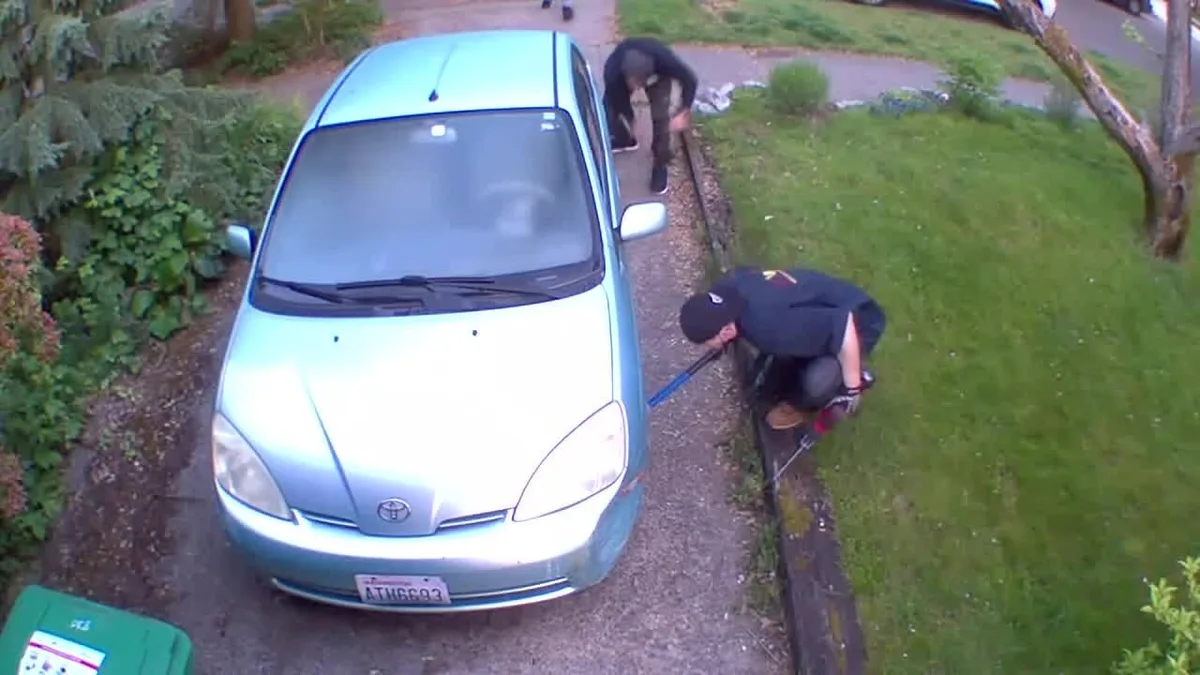
The theft itself is shockingly fast. A thief can slide under a vehicle and saw off a converter in under two minutes. As of 2026, the National Insurance Crime Bureau reports a 1,215% increase in catalytic converter thefts nationwide since 2019.
NJ’s urban areas, like Newark and Jersey City, are hotspots due to dense parking and easy access to vehicles.
How NJ’s Catalytic Converter Etching Program Works

NJ’s etching program involves permanently marking your catalytic converter with your vehicle’s VIN. This makes it easier for law enforcement to trace stolen parts and harder for thieves to sell them. The process is simple: a technician uses a specialized tool to etch the VIN directly onto the converter’s metal surface.
The marking is tamper-proof and visible under normal inspection. Some programs also include a sticker or certificate for your records. The NJ Division of Consumer Affairs (DCA) partners with local shops to offer this service, often at a reduced cost or even free.
The Real Benefits of Etching Your Converter in NJ
Etching your catalytic converter in NJ offers several key advantages. First, it acts as a strong deterrent. Thieves are less likely to target a marked converter because it’s harder to sell.
Scrap yards and recyclers in NJ are required to check for VINs, so etched converters are often rejected.
Second, etching improves recovery rates. If your converter is stolen and later found, the VIN marking helps police return it to you. Insurance companies also look favorably on etched converters, as they prove you’ve taken proactive steps to protect your vehicle.
Some insurers may even offer discounts on comprehensive coverage.
Finally, etching is a one-time process with no maintenance. Unlike physical barriers, which can be costly and may affect your vehicle’s warranty, etching is non-invasive and permanent.
Does Etching Actually Stop Theft? (What the Data Says)
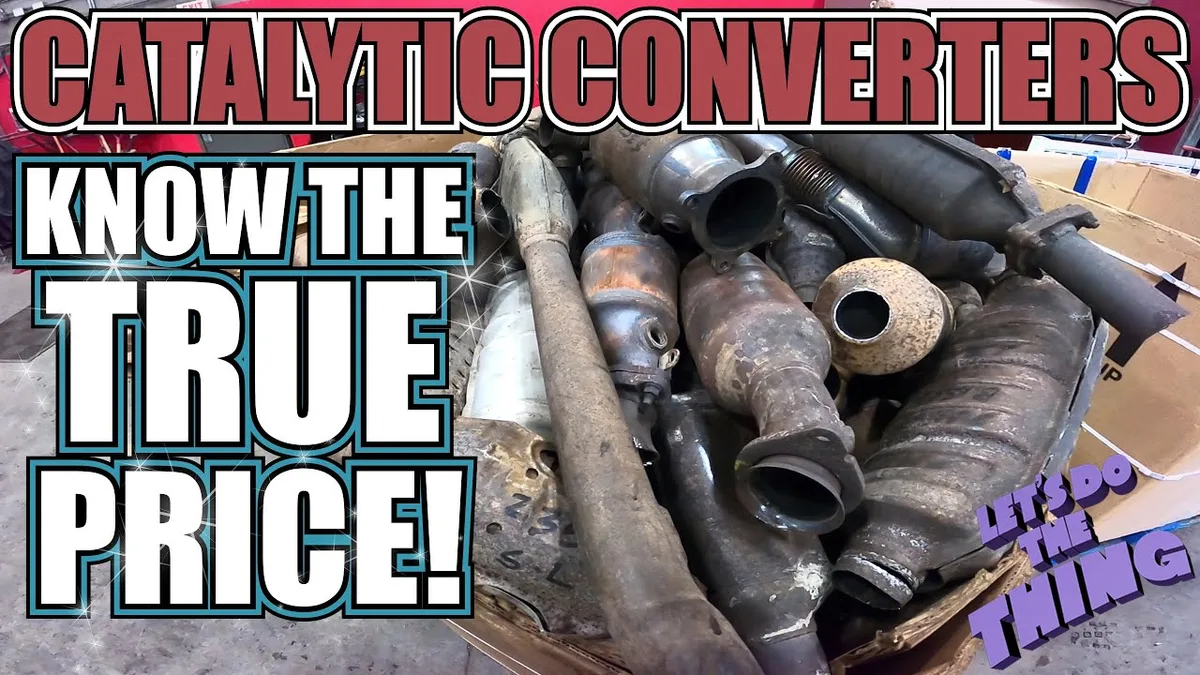
Etching doesn’t physically prevent theft, but it significantly reduces the risk. According to the National Insurance Crime Bureau, marked converters are up to three times less likely to be stolen. This is because thieves prefer easy, untraceable targets.
When a converter is etched, it becomes a liability rather than an asset.
In NJ, scrap yards are legally required to verify the ownership of catalytic converters. If a converter is marked with a VIN, it’s much harder for thieves to sell it. Data from NJ law enforcement shows that recovery rates for etched converters are around 40%, compared to less than 5% for unmarked ones.
That said, etching isn’t foolproof. Determined thieves may still steal a marked converter, especially if they plan to remove the marking. However, the effort and risk involved make it a far less attractive option.
NJ Etching Program vs. Other Anti-Theft Methods
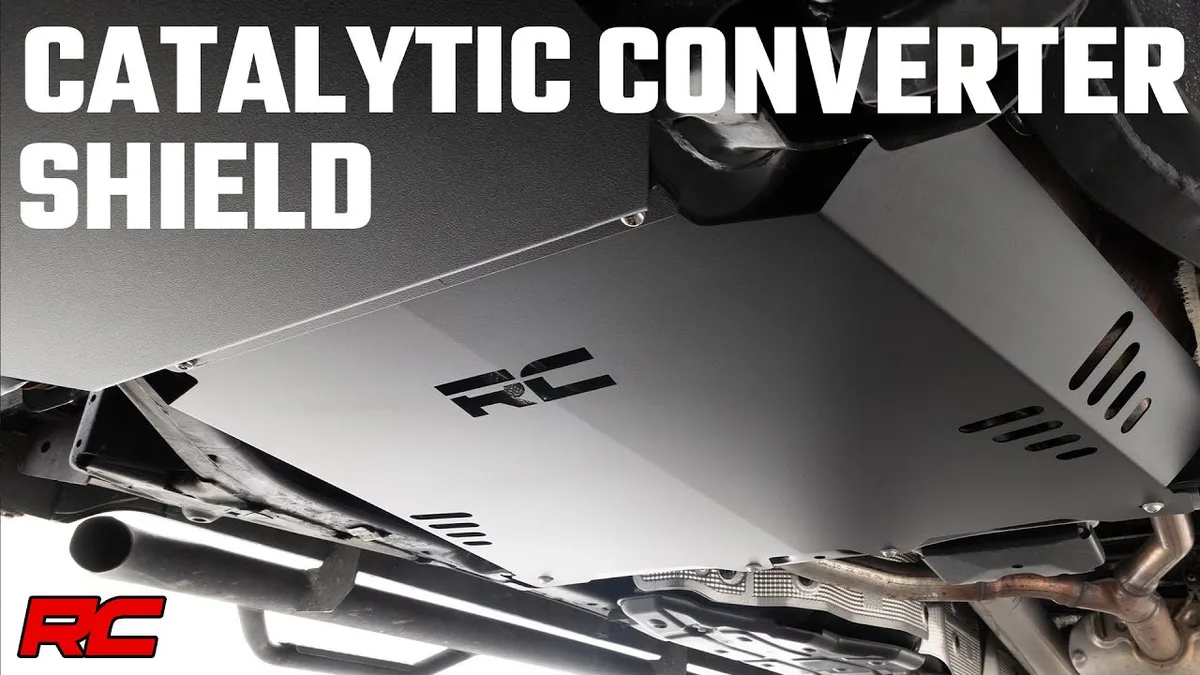
Etching isn’t the only way to protect your catalytic converter. Physical barriers, like steel cages or shields, are another popular option. These devices make it harder for thieves to access the converter, but they come with drawbacks.
Installation can cost between $200 and $500, and some may void your vehicle’s warranty.
Alarms and sensors are also available. These systems trigger a loud noise or alert your phone if someone tampers with your vehicle. However, they can be expensive and may produce false alarms.
Etching, on the other hand, is low-cost and requires no maintenance.
Here’s a quick comparison:
| Method | Cost | Effectiveness | Maintenance | Warranty Impact |
|---|---|---|---|---|
| Etching | $0–$50 | High | None | None |
| Steel Cage/Shield | $200–$500 | Very High | None | Possible |
| Alarm/Sensor | $100–$300 | Moderate | Battery | None |
Step-by-Step: How to Get Your Converter Etched in NJ
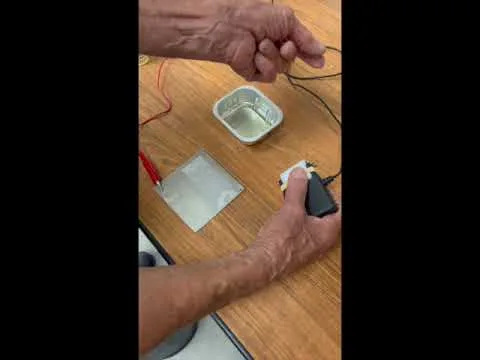
Getting your catalytic converter etched in NJ is straightforward. Most participating shops offer the service as a drive-up or by appointment. The process typically takes under 30 minutes and requires your vehicle to be on a lift.
What to Expect During the Appointment
When you arrive, the technician will need your vehicle’s VIN. You’ll also need to provide proof of ownership, like your registration or title. The vehicle must be lifted so the converter is accessible.
The technician will clean the converter’s surface, then use a specialized tool to etch the VIN directly onto the metal. The marking is permanent and tamper-resistant. You’ll receive a certificate or sticker for your records, which you should keep with your vehicle documents.
After the Etching Is Complete
After etching, keep your certificate in a safe place. Some insurance companies may require this proof for discounts. If your local police department offers a registry program, consider registering your etched converter for an extra layer of protection.
Costs, Discounts, and Where to Go in New Jersey
The cost of etching in NJ varies by county and program. Some areas offer free etching through local law enforcement partnerships. Others charge between $25 and $50, depending on the provider.
If your county doesn’t have a free program, you can visit an independent auto shop or mechanic. Prices at private shops usually range from $50 to $150. Always ask upfront if they’re certified for the NJ etching program.
Insurance Discounts and Rebates
Many NJ insurance companies offer discounts for vehicles with etched catalytic converters. The discount typically ranges from 5% to 15% on your comprehensive coverage. Check with your provider to see if they offer a telematics or anti-theft discount.
Some local governments also provide rebates or subsidies for etching. For example, certain NJ municipalities run periodic “etch and catch” events where etching is free for residents.
Finding a Provider Near You
To find a certified etching provider, start with the NJ Division of Consumer Affairs website. They maintain a list of participating shops by county. You can also contact your local police non-emergency line for recommendations.
Common Mistakes That Leave Your Converter at Risk
Even with an etching program, drivers often make mistakes that leave their catalytic converters vulnerable. One common error is assuming etching alone is enough protection. While etching deters thieves, it doesn’t physically prevent access.
Combining etching with a physical barrier, like a steel cage, adds an extra layer of security.
Another mistake is skipping the process because you’ve “never heard of theft in my area.” Catalytic converter theft is widespread in NJ, not just in urban centers. Thieves target suburban areas too, especially where vehicles are parked overnight in driveways or street parking.
Ignoring the Certificate and Registration
After etching, some drivers toss the certificate or lose it. This document is your proof of ownership and may be needed for insurance claims. Keep it in your glove compartment or with your vehicle’s important papers.
If your local police offer a registry program, take the extra step to register your etched converter.
DIY Etching Kits: A Risky Shortcut
Some drivers consider buying a DIY etching kit to save money. While these kits exist, they often produce shallow, uneven marks that thieves can grind off. Professional etching uses deep, permanent markings that are far harder to remove.
NJ Laws You Need to Know (And How Etching Helps)
New Jersey has strengthened its laws around catalytic converter theft in recent years. A key regulation requires scrap metal dealers to verify the ownership of any converter they purchase. This makes it much harder for thieves to sell stolen parts legally.
If a converter is etched with a VIN, dealers can quickly confirm whether it’s stolen.
Another important law is the requirement to report catalytic converter theft to law enforcement within 24 hours. If your converter is stolen, file a police report immediately. This creates an official record and helps law enforcement track stolen parts across the state.
How Etching Aligns with NJ Regulations
Etching directly supports NJ’s anti-theft regulations by making converters traceable. The NJ Division of Consumer Affairs promotes the program as part of a broader strategy to deter theft. When you etch your converter, you’re participating in a system that helps police recover stolen parts and hold scrap dealers accountable.
Insurance and Etching: What NJ Drivers Should Ask
If you have comprehensive auto insurance, your policy likely covers catalytic converter theft. However, coverage terms vary by insurer. Before etching your converter, call your insurance provider to ask about discounts or requirements.
Some companies require etching as a condition for theft-related coverage.
Understanding Your Coverage Limits
Comprehensive insurance typically covers theft of your catalytic converter, but your deductible applies. If your deductible is $500 and the replacement costs $2,000, you’ll pay $500 out of pocket. In some cases, if your deductible is high relative to the replacement cost, it may not be worth filing a claim.
What If Your Converter Is Stolen Anyway?
If your etched converter is stolen, file a police report immediately. Provide the report number to your insurance company along with your etching certificate. Law enforcement may recover the part if it’s found in a scrap yard or repair shop, since the VIN makes it traceable.
Frequently Asked Questions
Does etching guarantee my catalytic converter won’t be stolen?
No, etching doesn’t physically prevent theft but it makes your converter far less attractive to thieves. Marked converters are harder to sell and easier to trace.
How long does the etching process take?
The entire process typically takes 20 to 30 minutes. This includes lifting the vehicle, cleaning the converter surface, and applying the permanent VIN marking.
Can I etch my converter myself?
Technically yes, but professional etching is deeper and more tamper-proof. DIY kits may produce shallow marks that thieves can grind off.
Will etching affect my vehicle’s warranty?
No, etching is non-invasive and doesn’t modify your vehicle’s performance. It’s purely an identification measure.
Do all NJ counties offer free etching?
Not all. Some counties provide free etching through police departments or special events. Others charge a small fee, typically between $25 and $50.
How do I prove my converter is etched for insurance?
Keep the certificate provided by the etching service. Some shops also give a sticker for your window.
Final Verdict: Is Etching Worth It for NJ Drivers?
For most NJ drivers, etching is absolutely worth it. The low cost, quick process, and strong deterrent effect make it one of the best ways to protect your catalytic converter. Given NJ’s high theft rates, the small investment can save you thousands in replacement costs.
Etching is especially valuable if you park in high-risk areas like urban streets or apartment complexes. It’s also a smart move if you own a frequently targeted vehicle, such as a Toyota Prius, Honda CR-V, or Ford F-Series.
That said, etching works best as part of a layered approach. Pair it with comprehensive insurance and consider adding a physical barrier if you’re in a very high-theft zone. For the average NJ driver, though, etching alone provides excellent protection.