North Carolina farm truck registration eligibility and restricted usage rules can be confusing, especially when you're trying to figure out if your operation qualifies. The state has specific conditions for who can register a farm truck and where it can legally travel. As of 2026, these rules are designed to support agricultural operations while keeping public roads safe.
The key is understanding that eligibility depends on your farm's size, the truck's weight, and how you plan to use it. Get this wrong, and you risk fines or denied registration.

Quick Answer
North Carolina farm truck registration eligibility and restricted usage rules apply to vehicles used primarily for agricultural purposes. You must operate a bona fide farm. Trucks under 10,000 lbs GVWR may qualify for exemptions.
Restricted usage limits travel to 25 miles from the farm. Annual recertification is required.
How North Carolina Defines a “Farm Truck”
A farm truck in North Carolina isn’t just any vehicle used on a farm. The state defines it as a motor vehicle primarily used to transport agricultural products, supplies, or equipment for a bona fide farming operation.
The North Carolina Division of Motor Vehicles (DMV) also requires that the vehicle be owned by a farmer or agricultural business. Hobby farmers can qualify, but they must meet minimum agricultural activity thresholds, such as maintaining at least 1 acre of land for farming purposes.
The 3 Key Conditions That Decide Your Eligibility
Your eligibility hinges on three main factors: your farming operation, the truck’s weight, and its intended use.
Farming operation: You must be engaged in a legitimate agricultural activity. This includes crop production, livestock raising, or other farming enterprises recognized by the state.
Truck weight: The gross vehicle weight rating (GVWR) determines which rules apply. Trucks under 10,000 lbs may have different requirements than heavier vehicles.
Intended use: The truck must be used primarily for agricultural purposes. This includes transporting crops, livestock, or farm supplies between fields, storage facilities, or markets.
GVWR Limits: What Weight Class Fits Your Use
The GVWR of your truck is a critical factor in determining eligibility and usage restrictions. North Carolina categorizes farm trucks based on weight, and each category has different rules.
Trucks under 10,000 lbs GVWR may qualify for exemptions from standard registration requirements. Heavier trucks may require additional permits or have stricter usage restrictions.

For example, a truck with a GVWR of 12,000 lbs used to haul grain from your fields to a local elevator would likely qualify as a farm truck. But the same truck used to deliver non-agricultural goods would not.
Here’s a quick breakdown of GVWR limits and their implications:
| GVWR Range | Registration Requirement | Restricted Usage Radius |
|---|---|---|
| Under 10,000 lbs | May qualify for exemption | 25 miles from farm |
| 10,001–26,000 lbs | Standard farm truck registration | 25 miles from farm |
| Over 26,000 lbs | Additional permits required | Varies by permit |
Restricted Usage Rules: Where and When You Can Drive
Even if your truck qualifies for farm registration, North Carolina imposes strict limits on where and when you can drive it. These rules are designed to balance agricultural needs with public safety.
Farm trucks are generally restricted to a 25-mile radius from the farm. This means you can’t use your farm-registered truck for long-haul trips or non-agricultural errands outside this zone. Travel must be directly related to farming activities, such as transporting crops to market or hauling feed for livestock.
There are also time restrictions. Farm trucks may not operate on public roads during peak traffic hours in certain areas. Always check local ordinances, as some counties have additional restrictions.
Step-by-Step: How to Register Your Farm Truck in NC
Start by confirming your eligibility. You’ll need proof of agricultural operation, like property tax records or a farm ID number from the North Carolina Department of Agriculture.
Next, complete the MVR-317 form from the NC DMV. This form requires details about your truck and farming operation.
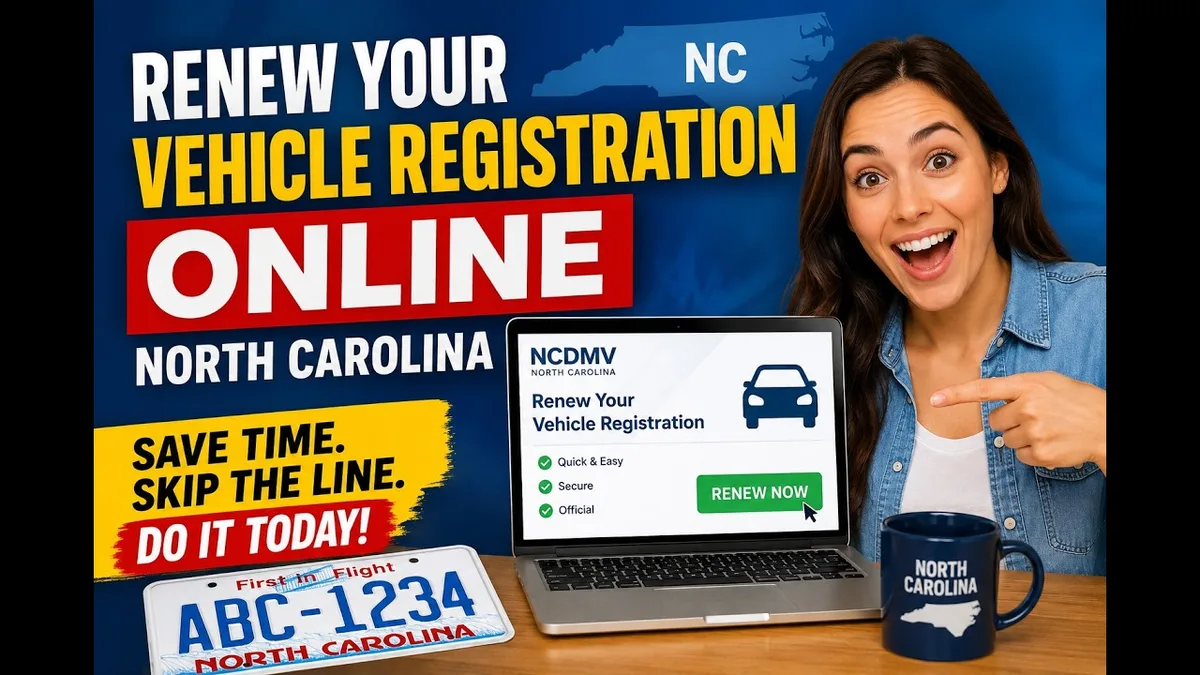
Submit it in person at a local DMV office with your documentation. You’ll pay a reduced fee compared to standard commercial registration. Processing typically takes 2 to 4 weeks.
Once approved, you’ll receive farm-use plates or a restricted usage decal.
Documents You’ll Need to Prove Agricultural Use
The NC DMV requires specific paperwork to verify your farming operation. Bring your property deed or lease agreement showing agricultural land use. A farm tax exemption certificate also works as proof.
You’ll need your truck’s title and proof of insurance. If the vehicle is leased, include the lease agreement.
The DMV may request additional documents, like crop receipts or livestock records. Keep copies of all submitted documents. The DMV can audit your eligibility at any time.
Missing paperwork is the most common reason for delayed approvals.
Common Mistakes That Get Applications Denied
Using a farm truck for non-agricultural purposes is a quick way to lose eligibility. Even occasional personal use can disqualify you. The DMV checks usage patterns during audits.
Another frequent issue is incomplete documentation. Forgetting to include property records or tax forms leads to automatic rejection. Double-check your paperwork before submitting.
Operating outside the 25-mile radius without proper permits is also a common violation. Stick to the rules or risk fines up to $500 for first offenses.
Hobby Farmers vs. Commercial Farms: Different Rules
Hobby farmers can register a farm truck, but the rules are stricter. You must prove at least 1 acre of active farming. Commercial farms face fewer restrictions on vehicle weight and usage.
Commercial operations can often register heavier trucks with fewer limitations. Hobby farmers are typically limited to lighter vehicles under 10,000 lbs GVWR.
The key difference is scale. Commercial farms move larger volumes of goods, so they get more flexibility. Hobby farmers must stay within tighter boundaries.
Costs, Fees, and Potential Savings
Farm truck registration fees are significantly lower than standard commercial rates. Expect to pay around 10 to 20 percent of regular fees. The exact amount depends on your truck’s weight class.
You’ll also save on insurance. Farm-use policies are cheaper than commercial coverage. Some insurers offer discounts up to 40 percent for restricted-use vehicles.
Here’s a quick cost comparison:
| Vehicle Type | Registration Fee | Insurance Savings |
|---|---|---|
| Standard Commercial | $200–$500 | None |
| Farm Truck | $20–$100 | 20–40 percent |
| Hobby Farm Truck | $20–$80 | 15–30 percent |
What Happens If You Break the Rules
Operating outside the 25-mile radius without proper permits triggers fines. First offenses can cost up to $500. Repeat violations may lead to registration suspension.
Using your farm truck for non-agricultural purposes voids your eligibility. The DMV can revoke your farm plates if they find evidence of misuse. This means you’d have to re-register as a standard commercial vehicle.
Law enforcement can stop and inspect farm trucks on public roads. If you can’t prove agricultural use, you’ll face penalties. Always carry your registration and proof of farming operation.
FAQs About NC Farm Truck Registration
Can I use my farm truck for personal errands?
No. Farm trucks must be used exclusively for agricultural purposes. Personal use, even occasional, disqualifies you from farm registration benefits.
How often do I need to renew my farm truck registration?
Annually. You must recertify your eligibility each year. The DMV will send a reminder, but it’s your responsibility to submit updated documentation.
What’s the maximum distance I can travel from my farm?
25 miles. This is a hard limit for restricted-use farm trucks. Travel beyond this radius requires additional permits.
Do I need a CDL to drive a farm truck?
Not usually. North Carolina exempts farm truck operators from CDL requirements if the vehicle is used within 150 air miles of the farm. This applies to both intrastate and interstate travel for agricultural purposes.
Can I register a truck over 26,000 lbs as a farm vehicle?
Yes, but with restrictions. Trucks over 26,000 lbs require additional permits. You’ll need to prove the vehicle is essential to your farming operation.
What counts as proof of agricultural use?
Property deeds, tax records, or a farm ID number work. Crop receipts, livestock records, or a farm tax exemption certificate also qualify. The DMV may request multiple documents.
Final Decision Guide: Are You Good to Go?
Work through this quick if/then check to confirm your eligibility before you submit an application.
Start with your operation type. If you run a commercial farm with documented annual agricultural sales, you meet the core operation requirement. If you operate a hobby farm, confirm you have at least 1 acre of active production.
Next, verify your truck’s GVWR against the weight tiers. If your truck is under 10,000 lbs GVWR and used only for farm work, you may qualify for the reduced exemption pathway. If it falls between 10,001 and 26,000 lbs GVWR, you will need standard farm truck registration.
Then, confirm your intended usage aligns with restricted rules. If all your trips will stay within 25 miles of your farm and relate directly to agricultural work, you meet the usage requirement.
If you pass all three checks, gather your documentation and submit your application. The official NC DMV Agricultural Vehicle Registration page has the latest form links and processing timelines as of 2026. If you fail any check, adjust your plans or apply for the correct registration type to avoid fines or coverage gaps.