North Carolina winter driving requirements and studded tire regulations trip up even long-time locals every year, mostly because the rules shift so much depending on where you drive and when you visit. You might see snow chains required on the Blue Ridge Parkway while coastal drivers deal only with occasional black ice. The studded tire rules are nothing like the year-round allowances common in colder northern states, which causes confusion for both residents and out-of-state travelers.
As of 2026, North Carolina only permits studded tires from November 1 through March 31, with studs limited to 1/32 inch of protrusion above the tread surface per state statute. Breaking these rules carries fines up to $100 plus court costs, even if you’re just passing through from a state that allows year-round stud use. We’re breaking down exactly how these rules apply to your situation, no guesswork required.

Quick Answer
North Carolina winter driving requirements and studded tire regulations set seasonal and regional equipment rules for state roadways. Studded tires are only legal from November 1 to March 31. Maximum allowed stud protrusion above tread is 1/32 inch.
Western mountain routes may require snow chains during winter weather events. Out-of-state drivers must follow NC rules while traveling in the state.
North Carolina Studded Tire Rules: What’s Actually Legal (No Guesswork)
NC’s studded tire rules are written into state law, so there’s no gray area for compliant drivers. The rules are laid out in North Carolina General Statute § 20-126.1, which sets the only legal parameters for studded tire use on state roadways. NC limits studded tire use to reduce road surface damage, as metal studs wear down pavement faster than standard rubber tires, especially on high-traffic interstates.
There are no exceptions for out-of-state vehicles, even if your home state allows year-round stud use.
Studded tires are only permitted for use on NC roadways between November 1 and March 31 each year. Any studded tire installed outside that window is a violation, even if you never drive on public roads with it. The maximum allowed protrusion of any stud above the tire tread surface is 1/32 inch.
Tires with studs that extend further than that limit are illegal to use or even have installed on your vehicle during the off-season. There are no exemptions for personal preference, vehicle type, or travel purpose.
Key Legal Note: As of 2026, there is no pending legislation to expand NC’s studded tire season or loosen the protrusion limit, so these rules are set to stay consistent for the foreseeable future.
Which Winter Driving Rules Apply to You? 4 Key Condition Variables
Your applicable winter driving rules depend entirely on four specific conditions. No single set of rules applies to every driver in North Carolina, which is why so many people get caught off guard by fines. We’ve mapped each variable to its impact on your requirements below.
You can use this breakdown to check your specific situation before you head out this winter.
The four key variables are your location within North Carolina, your residency status, the time of year you’re traveling, and your vehicle type. Location is the biggest driver of rule differences, as western mountain areas get regular snow and ice while coastal regions see almost no winter precipitation. Residency status matters because out-of-state visitors are not exempt from NC’s studded tire seasonal limits, even if their home state allows year-round use.
Travel dates determine whether the November 1 to March 31 studded tire season applies to your trip, or if you’re outside the permitted window. Vehicle type matters most for commercial operators, who face additional chain and equipment requirements for trucks and fleets.
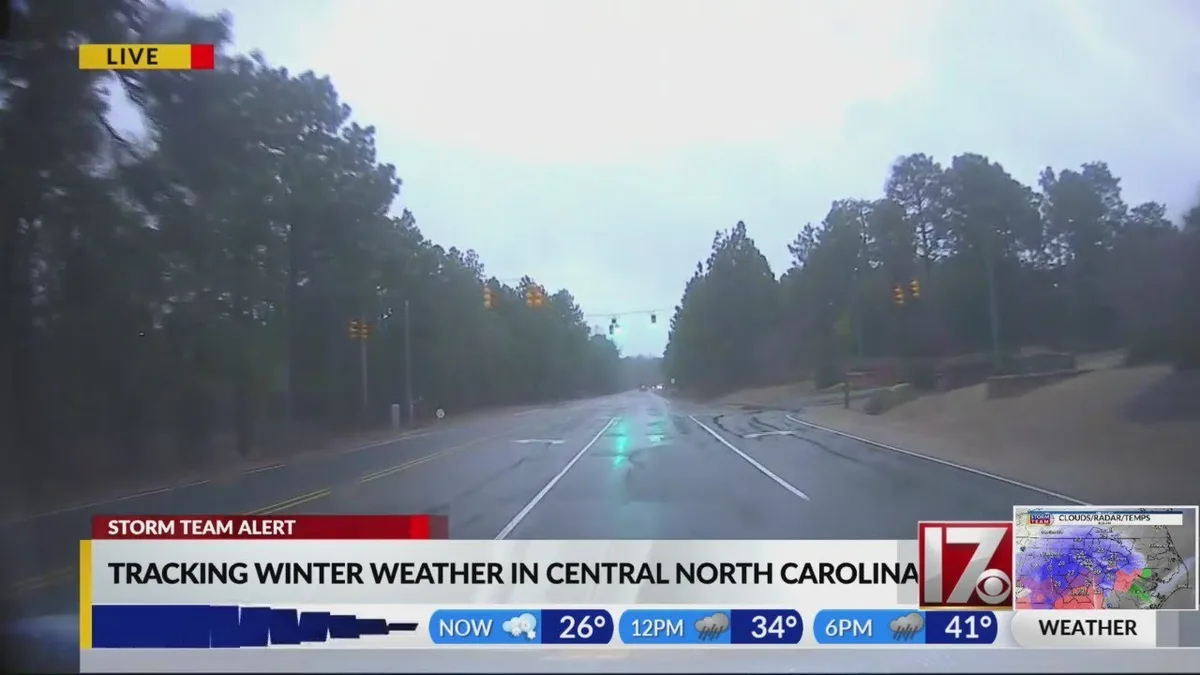
If you’re driving in the western mountain region between November and March, you’ll face stricter chain and tire requirements than coastal drivers, who rarely see sustained snow or ice. If you’re an out-of-state visitor with studded tires legal in your home state, those tires are only allowed in NC during the permitted November-to-March season. Commercial vehicles operating in western NC have additional chain requirements not applied to passenger cars.
Your first step to compliance is confirming each of these four variables for your trip or daily commute.
Decision Branches: Western NC Mountain vs. Piedmont/Coastal Winter Driving Requirements
Regional climate differences mean western North Carolina has far stricter winter driving requirements than the piedmont or coastal plain. Western NC’s Appalachian high elevations get 20 to 100 inches of annual snowfall, with frequent black ice and sudden road closures that can leave drivers stranded for hours. Coastal areas see less than 2 inches of snow per year on average, with ice events limited to once every few years, mostly during strong nor’easters.
The piedmont region, which includes Charlotte and Raleigh, falls in the middle, with occasional snow and ice events that last a few days each winter. These gaps lead to very different equipment and preparation rules for drivers in each zone.
The only consistent rule across all three regions is the November 1 to March 31 studded tire season and 1/32 inch maximum stud protrusion limit. If you’re driving the Blue Ridge Parkway or other high-elevation western routes, you need to carry snow chains in your vehicle during winter months, even if they aren’t required at the time you start your trip. NCDOT can implement mandatory chain requirements with little advance notice during sudden winter weather events.
Coastal and piedmont drivers almost never face chain mandates, but they still need to meet the same studded tire seasonal limits. If you’re driving between regions, you need to adjust your equipment and preparation as you move from one zone to another.
| Region | Studded Tire Allowance | Chain Requirement Trigger | Minimum Recommended Tread Depth |
|---|---|---|---|
| Western NC Mountains | Nov 1–Mar 31, 1/32" max protrusion | Mandatory when NCDOT issues winter weather advisory for mountain routes | 4/32 inch |
| Piedmont | Nov 1–Mar 31, 1/32" max protrusion | Rare, only during major ice events on secondary roads | 4/32 inch (3/32 inch minimum legal) |
| Coastal Plain | Nov 1–Mar 31, 1/32" max protrusion | Almost never required, only during rare winter storm events | 3/32 inch minimum legal |
Step-by-Step Winter Prep for NC Residents, Out-of-State Visitors, and Commercial Fleet Operators
Winter prep steps vary slightly depending on whether you’re a full-time NC resident, an out-of-state visitor, or a commercial fleet operator. All drivers need to complete a core set of checks before winter travel to stay compliant and safe. Follow the workflow below to avoid common compliance gaps this season.
We’ve included specific steps for each user group to match your exact situation.
Universal Pre-Winter Checks (All Driver Types)
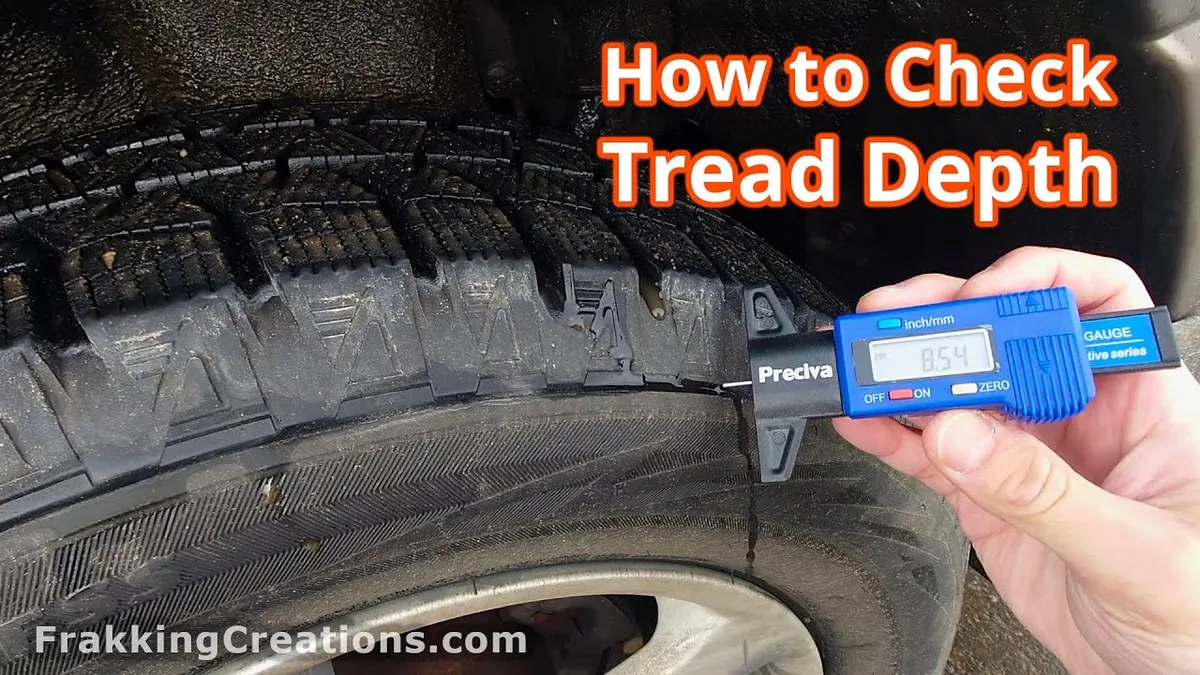
- Confirm your vehicle’s minimum tire tread depth meets NC’s 2/32 inch legal limit, with 4/32 inch recommended for western NC winter travel. Tread depth below 4/32 inch reduces ice traction significantly, per NHTSA testing.
- Verify any studded tires on your vehicle are installed within the November 1 to March 31 permitted season, with no studs protruding more than 1/32 inch above the tread surface. A simple $10 tread depth gauge works for both measurements.
- Check that your tire size matches your vehicle’s manufacturer specifications for winter road conditions. Incorrect tire sizes can reduce handling performance on snow and ice, increasing your crash risk.
Steps for NC Resident Drivers
- Schedule a winter vehicle inspection with a licensed NC mechanic before the November 1 season start date. Inspections catch worn tires, broken defrosters, and low coolant levels that cause winter breakdowns.
- Keep a copy of your vehicle’s winter maintenance records in your glovebox for law enforcement checks. This documentation can help you avoid fines if you’re pulled over for equipment violations.
- Sign up for NCDOT’s free winter road alert texts to get real-time updates on mountain road closures and chain requirements. Alerts are sent directly to your phone with no cost or app required.
Steps for Out-of-State Visitors
- Confirm your vehicle’s tire equipment complies with NC rules before crossing the state line, even if your home state allows year-round studded tire use. Many visitors get ticketed at NC border rest stops for non-compliant tires.
- Remove studded tires before entering NC if you’re traveling outside the November 1 to March 31 season, regardless of your home state’s rules. There are no temporary permits or exemptions for short-term visitors.
- Carry proof of insurance and vehicle registration from your home state to avoid unnecessary delays if pulled over. Law enforcement can verify out-of-state documents quickly to confirm you’re compliant.
Steps for Commercial Fleet Operators
- Verify all commercial vehicles in your fleet meet NC’s winter equipment requirements before operating in the state, including chain carrying mandates for western NC routes. Non-compliant commercial vehicles face fines up to $500 per violation.
- Train drivers on NC’s specific studded tire and chain rules, including the 1/32 inch stud protrusion limit. Aggregate fleet industry data shows formal driver training on state-specific winter rules cuts compliance errors significantly.
- Keep compliance records for all fleet vehicles available for NCDOT or law enforcement inspection upon request. Records include tire purchase receipts, installation dates, and maintenance logs.
Costly Compliance Mistakes to Avoid With NC Studded Tires and Winter Equipment
Even small oversights can lead to expensive fines or dangerous winter driving situations in North Carolina. We’ve compiled the most common compliance mistakes drivers make, along with the real-world costs of each error. Avoiding these pitfalls will keep you safe and on the right side of the law this winter.
- Assuming home state rules apply: Out-of-state drivers with year-round studded tire allowances in states like Michigan or New York often get ticketed in NC outside the November 1 to March 31 season. Fines start at $25 plus court costs, and violations add 2 points to your driving record. Repeat offenses can lead to higher insurance premiums for years after the ticket.
- Ignoring stud protrusion limits: Even if your studded tires are installed during the permitted season, studs protruding more than 1/32 inch above the tread surface are illegal. Law enforcement can measure this with a simple gauge during a traffic stop, and violations carry the same fines as out-of-season stud use. Worn or damaged studs often protrude further than new ones, so check them regularly during the season.
- Skipping chain requirements in western NC: NCDOT can issue mandatory chain requirements with less than an hour of advance notice during sudden winter weather events in the mountains. Drivers caught without required chains face fines up to $100, and may be turned around at mountain road checkpoints with no option to continue driving until chains are installed. Commercial vehicles caught without required chains face fines up to $500.
- Using worn tires regardless of season: Tires with less than 2/32 inch of tread depth are illegal to operate on NC roadways year-round, but the risk is far higher in winter. Worn tires reduce traction on ice and snow, and NHTSA data links low tread depth to a significantly higher share of winter weather crashes. Many winter crashes in NC are linked directly to worn tires, not just poor road conditions.
- Failing to check studded tire condition before the season: Damaged studs or worn tread on studded tires reduce their effectiveness on ice and snow, even if they’re installed during the permitted season. Inspect your studded tires for loose or missing studs before the November 1 season start, and replace them if you find widespread damage.
Your Quick Decision Guide: Studded Tires vs. Studless Winter Tires vs. All-Season for NC Use
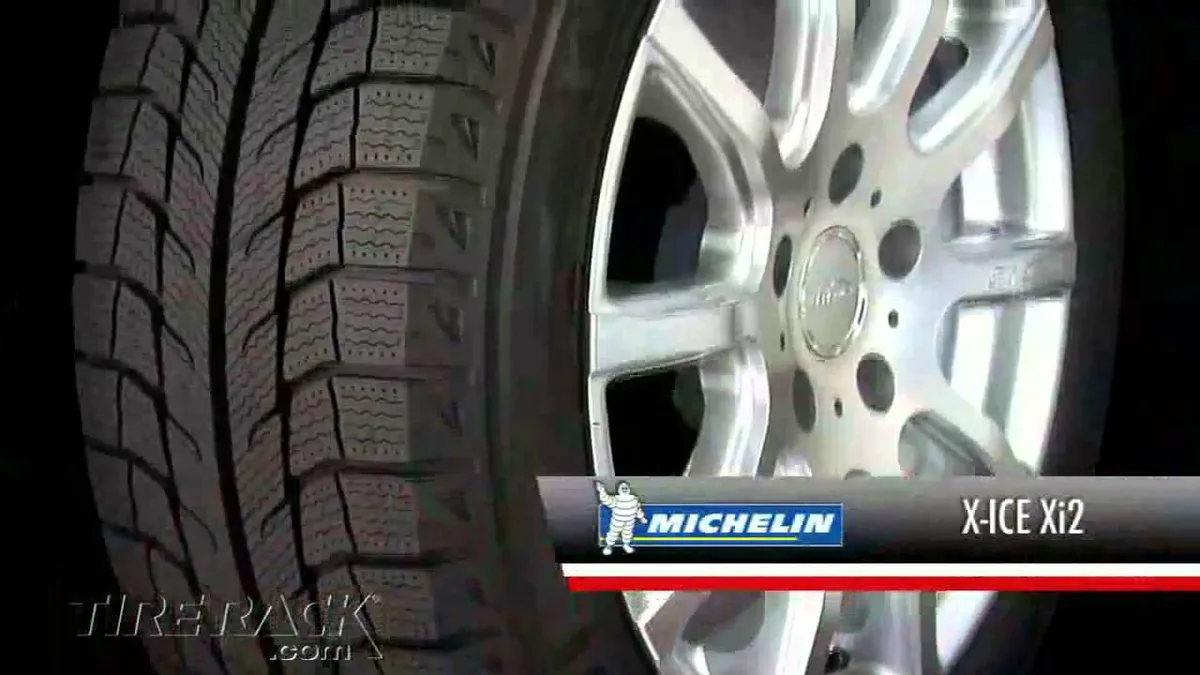
The right NC winter tire depends on where you drive and how often you encounter snow or ice. We’ve matched each option to the specific conditions you’ll face in the state.
Studded tires are the best pick for western NC mountain drivers who travel regularly between November and March. Metal studs cut into packed snow and ice, cutting stopping distances by up to 50% on icy routes, per NHTSA aggregate data. You must remove them after March 31 to avoid fines.
Studless winter tires work well for piedmont and coastal drivers who see occasional snow and ice. Their cold-weather rubber stays soft below 40°F, and deep siping channels water away from the tread. They’re legal to use year-round in NC, no seasonal restrictions.
All-season tires are only a good fit for coastal or lower piedmont drivers with less than 5 snow days per year. They lose traction quickly on ice below 40°F, so they’re not safe for regular western NC travel.
Use this simple flow: if you drive western NC mountains more than 10 days per winter, pick studded or studless winter tires. If you drive mostly in the piedmont or coast with rare snow, all-seasons work with 4/32 inch of tread depth.
NC Winter Driving Legal Rules: Fines, Violations, and Statute § 20-126.1 Details
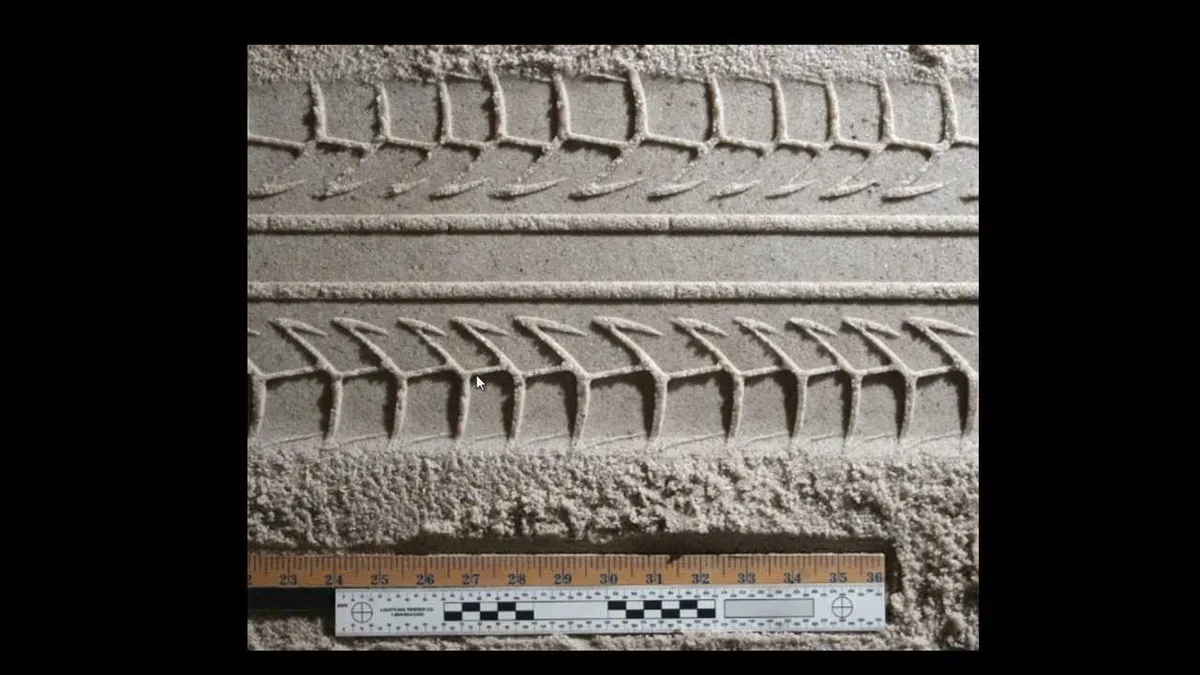
NC’s winter driving legal rules are set in North Carolina General Statute § 20-126.1, with clear penalties for non-compliance. There’s no gray area for violations, even for out-of-state visitors.
Out-of-season studded tire use carries a $25 fine plus court costs, with 2 points added to your driving record. Repeat violations within 3 years double the fine amount. Commercial vehicles face fines up to $500 per violation for non-compliant winter equipment.
Studs protruding more than 1/32 inch above the tread surface during the permitted season carry the same penalty. Law enforcement measures stud protrusion with a calibrated gauge during traffic stops, with no exceptions for worn or damaged studs.
Real-World Winter Driving Scenarios for Western NC, the Blue Ridge Parkway, and NC Urban Areas
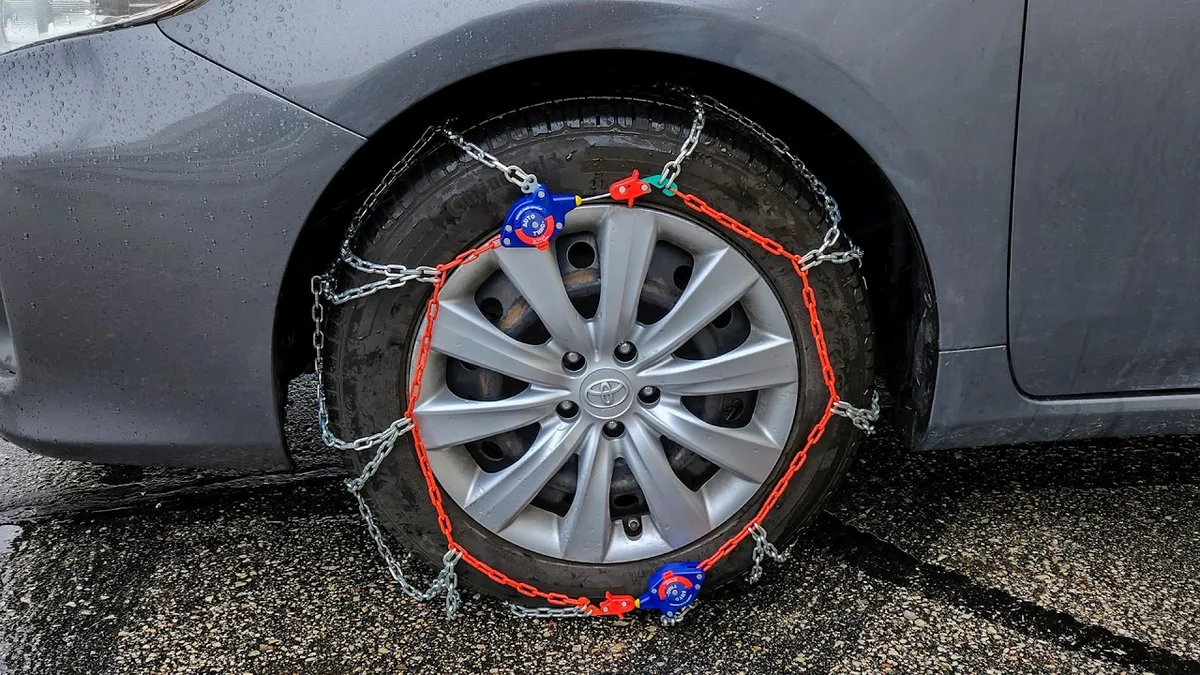
NC’s three distinct regions create very different winter driving scenarios, each with unique rules and risks.
If you’re driving the Blue Ridge Parkway in winter, you must carry snow chains in your vehicle at all times. Sudden storms can hit high-elevation routes with less than an hour of warning, and rangers will turn around drivers without chains. Aggregate NCDOT crash data shows out-of-state drivers are overrepresented in winter crashes on the Parkway and other western mountain routes.
If you’re heading to a western NC ski resort from Charlotte or Raleigh, studded or studless winter tires are required, and chains must be carried in your trunk. I-40 west of Asheville sees frequent black ice in early morning hours, and chain mandates are common on secondary resort routes.
Mandatory chain violations in western NC carry a $100 fine for passenger vehicles, and up to $500 for commercial trucks. You may also be turned around at mountain checkpoints with no option to continue until chains are installed.
Pro Tips From NCDOT and Western NC Long-Time Drivers
These tips come directly from NCDOT safety guidelines and feedback from western NC drivers with decades of mountain winter experience.
Sign up for NCDOT’s free winter road alert texts before November 1. Alerts go out for mountain closures, chain requirements, and storm warnings with no app or cost required. You can sign up via the NCDOT website or by texting the state’s alert keyword.
Practice installing snow chains on dry pavement before winter hits. Western NC long-time drivers recommend keeping chains in an accessible trunk spot, not buried under cargo or sports gear.
Check your studded tire studs every 3 months during the permitted season for looseness or damage. Worn or damaged studs reduce ice traction noticeably, and protruding studs can trigger a traffic violation. A quick visual check takes less than 5 minutes per tire.
Keep a small winter emergency kit in your vehicle for all winter trips. The kit should include a blanket, extra warm layers, water, a phone charger, and a small shovel. If you get stranded during a sudden storm, this kit can keep you safe for several hours until help arrives.
Frequently Asked Questions
Can out-of-state drivers use studded tires in North Carolina?
Yes, but only during NC’s November 1 to March 31 permitted season. Out-of-state drivers follow the same 1/32 inch maximum stud protrusion rule as residents, with no exemptions for home states that allow year-round stud use. Violations carry a $25 fine plus 2 license points.
When are snow chains required on NC mountain roads?
Snow chains are mandatory on western NC mountain routes when NCDOT issues a winter weather advisory or chain requirement for those roads. The Blue Ridge Parkway requires all vehicles to carry chains in their trunk during winter months, even if no requirement is active when you start your trip. Requirements can be issued with less than one hour of warning.
What is the fine for illegal studded tires in NC?
Out-of-season studded tire use carries a $25 fine plus court costs, with 2 points added to your driving record. Studs protruding more than 1/32 inch above the tread surface during the permitted season carry the same fine. Commercial vehicle violations carry fines up to $500 per offense.
Do I need winter tires for piedmont NC driving?
Winter tires are recommended but not required for piedmont NC driving, as the region sees 5 to 10 snow days per year on average. All-season tires with 4/32 inch of tread depth are sufficient for most winter conditions, though winter tires provide better traction during sudden ice events.
Can I use snow chains on NC highways year-round?
No, snow chains are only permitted on NC public roadways during winter weather events when NCDOT issues a mandatory chain requirement. Using chains on dry or bare pavement damages road surfaces and can result in a $50 fine. Remove chains as soon as you exit the winter weather zone.
What tread depth do I need for NC winter driving?
NC’s minimum legal tread depth is 2/32 inch year-round, but 4/32 inch is recommended for winter driving, especially in western NC. Tread depth below 4/32 inch reduces ice traction significantly, per NHTSA testing, raising crash risk. Worn tires are a factor in a large share of NC winter weather crashes.