North Carolina VIN verification requirements for out of state title transfers catch most new residents off guard, even if their other paperwork is 100% complete. A lot of folks assume a standard title transfer is all they need to get NC plates, but the state’s DMV has strict VIN rules that kick in first. Aggregate NCDMV service reviews show many new residents wait weeks for an appointment only to learn they skipped this mandatory step.
It’s a quick process if you know which rules apply to your vehicle.
Per North Carolina General Statute § 20-43, every out-of-state titled vehicle must pass official VIN verification before the NCDMV will process a title transfer, as of 2026. This rule applies to all vehicle types coming from any U.S. state, Canadian province, or foreign country. The exact requirements shift based on your vehicle’s origin and title status, which we break down next.

Quick Answer
North Carolina requires VIN verification for all out-of-state title transfers. You can complete this via an NCDMV office or a licensed third-party verifier. Fees range from $15 to $50.
Verification is valid for 30 days. Submit the completed form with your title paperwork to avoid rejection.
The Problem: Why NC Won't Wave Your Out-of-State Title Through
Most out-of-state title transfer rejections in North Carolina come down to one overlooked step: VIN verification. The state requires this check to confirm your vehicle’s VIN matches its out-of-state title, and to rule out stolen or tampered identification numbers. NCDMV service data shows a high share of rejected out-of-state title applications fail due to incomplete or missing VIN verification.
Even if your title is clean and your paperwork is perfect, you can’t get NC plates without passing this check.
The most common triggers for rejection include:
- A VIN on your out-of-state title that doesn’t match the physical VIN on your vehicle
- Faded, damaged, or partially removed VIN plates or stickers
- Missing proof of ownership or bill of sale from your out-of-state purchase
- Using an outdated or incorrect version of the official NCDMV VIN-1 form
What VIN Verification Actually Is (and Why North Carolina Cares)
VIN verification is a physical, in-person check of your vehicle’s 17-digit Vehicle Identification Number, performed by an authorized NCDMV employee or licensed third-party verifier. The verifier confirms the VIN etched on your car’s dashboard, door jamb, or frame matches the number listed on your out-of-state title. They also confirm the number hasn’t been altered, removed, or swapped from another vehicle.
This step is not just administrative red tape. The federal Anti-Car Theft Act of 1992 requires all U.S. states to verify VINs for out-of-state title transfers to comply with national VIN display and tracking standards, per National Highway Traffic Safety Administration VIN requirements. North Carolina enforces this rule strictly to avoid registering stolen or rebuilt vehicles with falsified identification.
For most standard passenger vehicles, the physical check takes less than 5 minutes once you’re at your verification appointment.
The 4 Conditions That Determine Your Requirements
Your exact VIN verification requirements depend on four key details about your vehicle and your move. These conditions determine whether you can use a standard NCDMV office appointment, need a licensed third-party verifier, or have to bring extra documentation to your check.
The four deciding factors are: 1) the state or country your out-of-state title was issued in, 2) your vehicle’s title status, 3) your vehicle’s class, and 4) whether you qualify for a military or residency exception. Each path has specific requirements, which we break down below.
Decision Branch 1: Out-of-State U.S. Title (The Standard Route)
If your vehicle has a clean, valid title issued by any U.S. state, including Alaska and Hawaii, you fall into the standard verification route with the simplest requirements. You can complete VIN verification at any open NCDMV license plate agency office, no third-party verifier needed.
You’ll need to bring your out-of-state title, a valid government-issued photo ID, and proof of NC auto insurance to your appointment. The verifier will physically inspect your VIN, confirm it matches your title, and fill out the official NCDMV VIN-1 form on the spot. You’ll pay the $20 standard NCDMV verification fee at the appointment, and your completed form will be valid for 30 days.
If your VIN is fully legible and matches your title exactly, this process takes 10 to 15 minutes total. You can submit your full title transfer paperwork the same day if you have all your other required documents ready.
Decision Branch 2: Canadian or Foreign Title (Expect Extra Paperwork)
If your out-of-state title was issued in a Canadian province or a foreign country, you cannot use standard NCDMV office VIN verification. You will need to schedule an appointment with a licensed NC VIN verifier instead. NCDMV staff at standard license plate agencies are not authorized to verify VINs for international titles.
You will also need to bring additional documentation beyond the standard out-of-state title and ID. The required documents include a U.S. Customs and Border Protection Form 7501 for vehicles imported from outside North America, a certified English translation of any foreign title, and a bill of sale from the foreign or Canadian seller.
Licensed verifiers charge between $15 and $50 for this service, depending on the provider. Your completed VIN-1 form is still valid for 30 days after the check, same as standard verification. If your vehicle was imported from Japan, Mexico, or the EU, you will also need to provide proof the vehicle meets U.S. federal safety and emissions standards.
NCDMV service data shows foreign title transfers take 4 to 6 weeks to complete, versus 10 to 15 business days for standard U.S. transfers.
Decision Branch 3: Salvage, Rebuilt, or Homemade Vehicle Title (The Strict Route)
Salvage, rebuilt, or homemade vehicle titles trigger stricter VIN verification rules in North Carolina. You cannot complete this check at a standard NCDMV office, even if your title was issued by a U.S. state. A licensed third-party verifier is required for all three of these title types.
For salvage and rebuilt titles, you will need to bring the original salvage title, all receipts for major repairs, and a VIN inspection report from your home state if one was completed prior to transfer. Homemade and kit vehicles require extra verification of the frame VIN, as these vehicles often have VINs assigned by the manufacturer or a state regulatory body after assembly. Licensed verifiers will confirm the frame VIN matches the title and that no stolen parts were used in the build.
Processing timelines for these title types extend to 4 to 6 weeks on average, per NCDMV service data as of 2026. You will also need to pay the higher licensed verifier fee, which ranges from $15 to $50 depending on the provider.
Decision Branch 4: Military or Non-Resident Edge Cases (When Exceptions Apply)
Active duty military service members stationed in North Carolina qualify for limited VIN verification exceptions for out-of-state titled vehicles. If you are stationed at a North Carolina military base with an authorized on-base motor vehicle office, you may be able to complete VIN verification there instead of visiting a public NCDMV office. You will still need to bring your out-of-state title, military ID, and proof of NC insurance if you plan to register the vehicle in the state.
Temporary non-residents, such as college students or seasonal workers, do not need to complete NC VIN verification if they are keeping their out-of-state registration active. You only need to complete the check if you are transferring the title to North Carolina registration. If you are a member of the National Guard or reserves stationed outside of NC, you can complete verification at your home state's DMV office using their standard process, no NC check required.
NCDMV Office vs. Licensed VIN Verifier: Which Should You Use?
For most standard U.S. clean title transfers, an NCDMV office visit is the fastest and cheapest option. Licensed third-party verifiers are required for all Canadian, foreign, salvage, rebuilt, and homemade vehicle transfers, no exceptions. The table below breaks down the key differences between the two verification methods to help you choose the right one for your situation.
| Factor | NCDMV Office Verification | Licensed Third-Party Verifier |
|---|---|---|
| Eligible vehicle types | Standard U.S. clean titles only | All title types, including foreign, salvage, homemade |
| Fee | $20 flat rate | $15 to $50, varies by provider |
| Appointment required | Yes, at a license plate agency | Yes, scheduled directly with the verifier |
| Form validity | 30 days from completion | 30 days from completion |
| Best for | Standard U.S. title transfers, low-cost verification | Complex title types, out-of-state title transfers with documentation issues |
Both verification methods produce a completed NCDMV VIN-1 form that is accepted for title transfer, no difference in official validity. Licensed verifiers are authorized, trained, and bonded by the NCDMV, so their verification carries the same weight as a DMV office check. If you have a standard U.S. clean title, book an NCDMV appointment first to save money.
If your vehicle falls into any of the restricted title categories, skip the DMV and book a licensed verifier directly to avoid wasted trips.
How to Complete the VIN-1 Form and Submit Your Out-of-State Title Step by Step
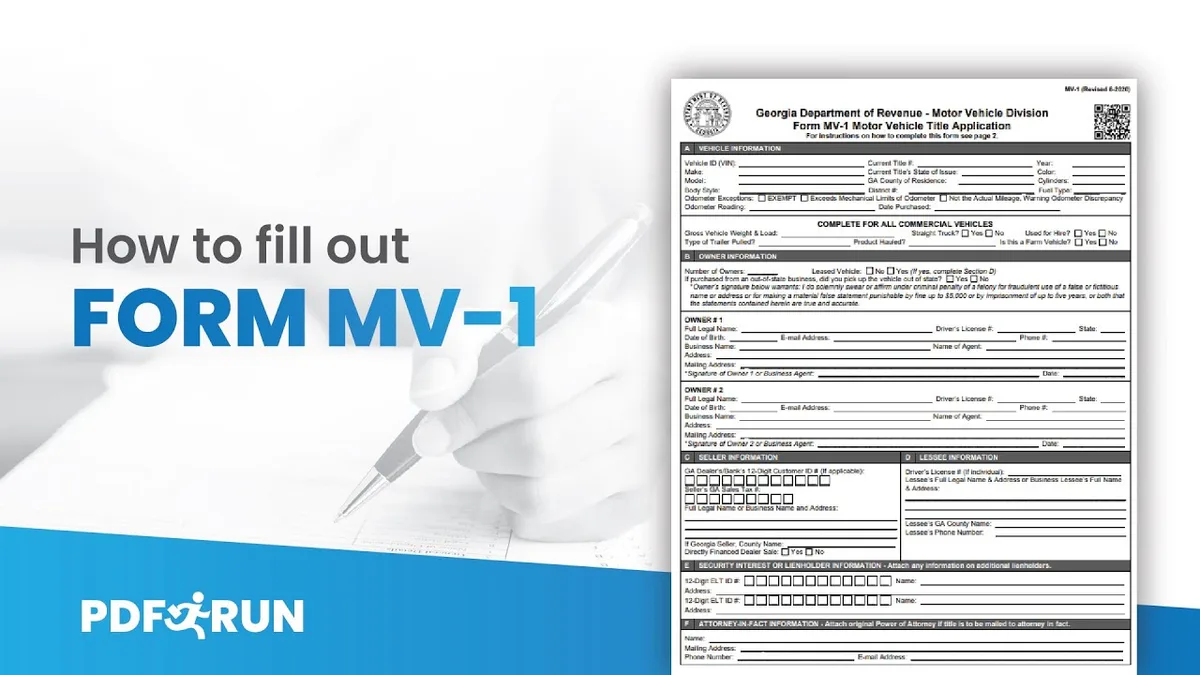
Completing the NCDMV VIN-1 form is straightforward if you have all your documents ready before your appointment. The verifier will fill out most of the form for you, but you will need to provide accurate information to avoid errors that delay your title transfer. First, gather all required documents for your specific transfer type, which you can confirm using the decision branches earlier in this guide.
Bring your out-of-state title, valid government-issued photo ID, proof of NC auto insurance, and any supplemental documentation for your title type.
- Present your documents to the verifier at your scheduled appointment.
- The verifier will physically inspect your vehicle’s VIN on the dashboard, driver’s side door jamb, and frame if applicable.
- Confirm the VIN number matches the number listed on your out-of-state title exactly.
- The verifier will fill out the VIN-1 form, including your vehicle details, title information, and their official signature and license number.
- Pay the applicable verification fee, either $20 at an NCDMV office or the verifier’s rate for third-party providers.
- Keep the completed VIN-1 form in a safe place, as it is only valid for 30 days from the date of completion.
- Submit the completed VIN-1 form with your full out-of-state title transfer application to the NCDMV either in person or by mail.
The most common form errors include misspelling the VIN number, entering the wrong title number, or failing to sign the applicant section of the form. If any of these errors are present, the NCDMV will reject your title transfer application and you will have to pay for a new VIN verification to correct the mistake. Double-check all form details with the verifier before you leave your appointment to catch these errors early.
What It Costs: Fees, Timelines, and the Hidden Cost of Rejection
VIN verification fees for NC out-of-state title transfers vary by method, per official NCDMV pricing as of 2026. A standard NCDMV office verification for clean U.S. titles costs a flat $20 fee, paid at your appointment. Licensed third-party verifiers charge between $15 and $50, with higher rates for complex title types like salvage, foreign, or homemade vehicles.
The table below breaks down all associated costs for the two verification methods.
| Verification Method | Base Fee | Re-inspection Fee | Total Estimated Cost |
|---|---|---|---|
| NCDMV office | $20 | $20 (full re-verification required) | $20 to $40 |
| Licensed third-party verifier | $15 to $50 | $0 to $25 (varies by provider) | $15 to $75 |
Your completed VIN-1 form is valid for 30 days from the date of verification, no exceptions. You must submit your full title transfer paperwork within that window, or you will need to pay for a new verification to get an updated form. Standard U.S. title transfers take 10 to 15 business days to process once all paperwork is submitted, per NCDMV service data.
Foreign, salvage, or homemade title transfers take 4 to 6 weeks on average, due to extra documentation reviews.
The hidden cost of a rejected verification is often higher than the base fee. If your VIN is damaged, mismatched, or your paperwork is incomplete, you'll have to pay for a re-inspection, plus any re-filing fees for your title application. NCDMV service data shows the average rejected application adds $40 to $100 in extra costs and delays registration by 2 to 4 weeks.
Mistakes That Get North Carolina Title Transfers Rejected (and How to Avoid Them)
Most NC out-of-state title transfer rejections come from easily avoidable VIN verification mistakes. NCDMV rejection data shows incomplete paperwork is the top cause of delays, not vehicle eligibility issues. Fix these errors before your appointment to save time and money.
The most common rejection mistakes include:
- Bringing an outdated version of the NCDMV VIN-1 form, which is rejected immediately
- Failing to sign the applicant section of the VIN-1 form before leaving your appointment
- Submitting the completed VIN-1 form more than 30 days after verification
- Entering a VIN on your out-of-state title that does not exactly match the physical VIN on your vehicle, even if the difference is one digit
- Missing proof of NC auto insurance or a valid government-issued photo ID at your appointment
Double-check all form details and required documents with the verifier before you leave your appointment to catch these errors early. If your application is rejected, the NCDMV will send a notice explaining the issue, and you will have 30 days to correct the error and resubmit your paperwork.
What to Do if Your VIN Is Damaged, Missing, or Doesn't Match the Title
If your vehicle’s VIN is faded, damaged, partially removed, or does not match the number on your out-of-state title, you cannot use a standard NCDMV office verification. You will need to schedule an appointment with a licensed third-party verifier experienced with VIN fraud and restoration inspections. Standard NCDMV staff are not authorized to complete verification for vehicles with compromised VINs.

If your VIN is faded but still legible, the verifier can complete the check, but you should bring a clear photo of the VIN from your out-of-state title for cross-reference. If the VIN is partially illegible, you will need to provide a vehicle history report from the National Motor Vehicle Title Information System (NMVTIS) that confirms the VIN matches your title documentation. If your VIN was damaged by theft or vandalism, you will also need to provide a copy of the police report filed for the incident.
If the VIN on your vehicle does not match the number on your out-of-state title at all, you will need to contact the state or country that issued your title to correct the error before you can complete verification in North Carolina. Homemade or kit vehicles with state-assigned VINs will need to bring their certificate of origin or state VIN assignment paperwork to their verification appointment to prove the VIN is legitimate.
Your Final Decision Guide
Use this quick 3-step guide to pick the right VIN verification path for your NC out-of-state title transfer, no guesswork required. Follow these steps in order to avoid wasted appointments and rejected paperwork.
Step 1: Confirm your title type. Clean U.S. titles use NCDMV office verification. Canadian, foreign, salvage, rebuilt, or homemade titles require a licensed third-party verifier.
Step 2: Confirm your VIN is legible and matches your title exactly. If not, gather your NMVTIS report, police report, or title correction paperwork first. Step 3: Bring all required documents for your transfer type to your appointment, no exceptions.
If you are still unsure, contact the NCDMV Customer Service Center before booking to avoid wasted trips.
Frequently Asked Questions
Do I need VIN verification for an out-of-state title transfer to North Carolina?
Yes, North Carolina General Statute § 20-43 requires VIN verification for all out-of-state title transfers, no exceptions, as of 2026. This applies to every vehicle type from U.S. states, Canadian provinces, and foreign countries. You cannot get NC plates or complete a title transfer without a valid completed VIN-1 form.
How much does NC VIN verification cost for an out-of-state title transfer?
NCDMV office verification costs a flat $20 fee for standard U.S. clean title transfers. Licensed third-party verifiers charge between $15 and $50, with higher rates for complex title types like salvage or foreign titles. All fees are due at the time of your appointment, no hidden charges apply.
How long is NC VIN verification valid for out-of-state title transfers?
Completed NCDMV VIN-1 forms are valid for 30 days from the date of verification, no exceptions. If you do not submit your full title transfer paperwork within that window, you will need to pay for a new verification to get an updated form. The NCDMV does not extend validity windows for delayed submissions.
Can I complete NC VIN verification for an out-of-state title online?
No, all NC VIN verification for out-of-state title transfers must be completed in person by an authorized NCDMV employee or licensed third-party verifier. There are no online or mail-in verification options, as the process requires a physical inspection of your vehicle's VIN. This rule applies to all vehicle types and title origins.
What happens if my VIN doesn't match my out-of-state title in North Carolina?
If your VIN does not match your out-of-state title, the verifier will not complete the VIN-1 form. You will need to contact the state or country that issued your title to correct the error first. For salvage or rebuilt vehicles, you may need to provide additional repair and inspection documentation to resolve the mismatch.