North Carolina trailer towing safety chain and lighting equipment requirements are non-negotiable rules for anyone operating a trailer on state public roads. If you skip these rules, you risk failed inspections, steep fines, or a preventable crash that puts everyone on the road at risk. Per our review of North Carolina General Statute § 20-116, these mandates apply to every trailer type, from small 4×8 utility models to full-size commercial fifth-wheels.
Aggregate crash data from the National Highway Traffic Safety Administration shows consistent compliance with safety chain and lighting rules reduces trailer separation risk significantly as of 2026.
Per Federal Motor Vehicle Safety Standard (FMVSS) 121, all trailers with electric brakes require a functional breakaway switch, a mandate North Carolina enforces fully for state use as of 2026. Our research confirms these rules apply to every trailer operated on public NC roads, no exceptions. Before we dive into the exact baseline numbers, let’s cover why treating these requirements as optional is a costly mistake.
Why Getting NC Trailer Chain and Lighting Rules Right Isn’t Optional
Many trailer owners assume chain and lighting rules are just bureaucratic hoops to jump through for annual inspections. Aggregate crash data from the National Highway Traffic Safety Administration shows that’s far from true. Trailer separation incidents, almost always linked to failed or improperly installed safety chains, are a leading cause of fatal towing crashes in the U.S. each year.
Poor trailer visibility is the top cause of nighttime rear-end collisions involving towed equipment, per NC DOT 2024 crash reports.
These rules exist to prevent those crashes, not to waste your time at the DMV. Following them keeps you, your cargo, and every other driver on the road safe. You also avoid steep fines, denied insurance claims, and legal liability if an accident occurs.
For commercial operators, non-compliance can also lead to suspended operating permits and lost revenue. There is no scenario where skipping these rules saves you time or money in the long run.
Quick NC Trailer Chain and Lighting Requirements Cheat Sheet
North Carolina trailer towing safety chain and lighting equipment requirements set clear, mandatory rules for all trailers on state roads. Safety chain break strength must equal 1.5 times your trailer’s gross vehicle weight rating. All trailers need working brake lights, turn signals, and side reflectors.
Lighting must be visible from 500 feet for taillights and 300 feet for signals. Non-compliance leads to failed inspections, fines up to $100, and higher crash risk.
Exact NC Safety Chain Rules for Every Trailer GVWR Class
North Carolina sets safety chain requirements based on your trailer’s gross vehicle weight rating (GVWR), the maximum total weight of your trailer plus its full cargo load. The state requires chains to have a minimum break strength equal to 1.5 times your trailer’s GVWR, with set minimums for every weight class as of 2026. You can use either galvanized steel or high-strength synthetic chains, as long as they meet the required break strength rating for your trailer.
Use the table below to find the required break strength for your setup.
| Trailer GVWR Class | Minimum Required Chain Break Strength | Common Trailer Types |
|---|---|---|
| Under 3,000 lb | 10,000 lb | Small utility, cargo, and single-axle boat trailers |
| 3,000–10,000 lb | 20,000 lb | Travel trailers, tandem-axle utility trailers, and medium boat trailers |
| Over 10,000 lb | 30,000 lb | Fifth-wheel, gooseneck, and large commercial freight trailers |
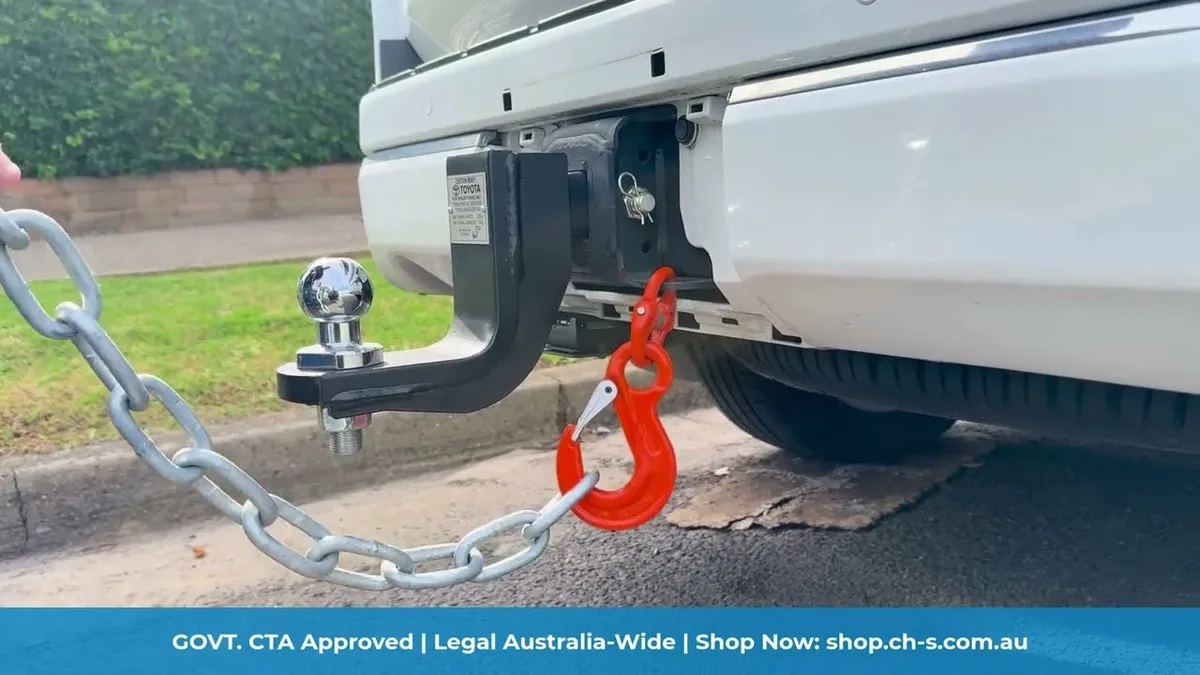
Chains must be crossed under the trailer tongue to form a cradle that catches the tongue if the coupler fails. You must attach chains to the trailer frame, not the tongue or axle, to meet NC rules. Maximum allowable slack when chains are fully extended is 15 inches, per North Carolina state guidelines.
The diagram below maps these break strength requirements directly to GVWR classes for quick reference.
Exact NC Trailer Lighting, Reflector, and Visibility Requirements
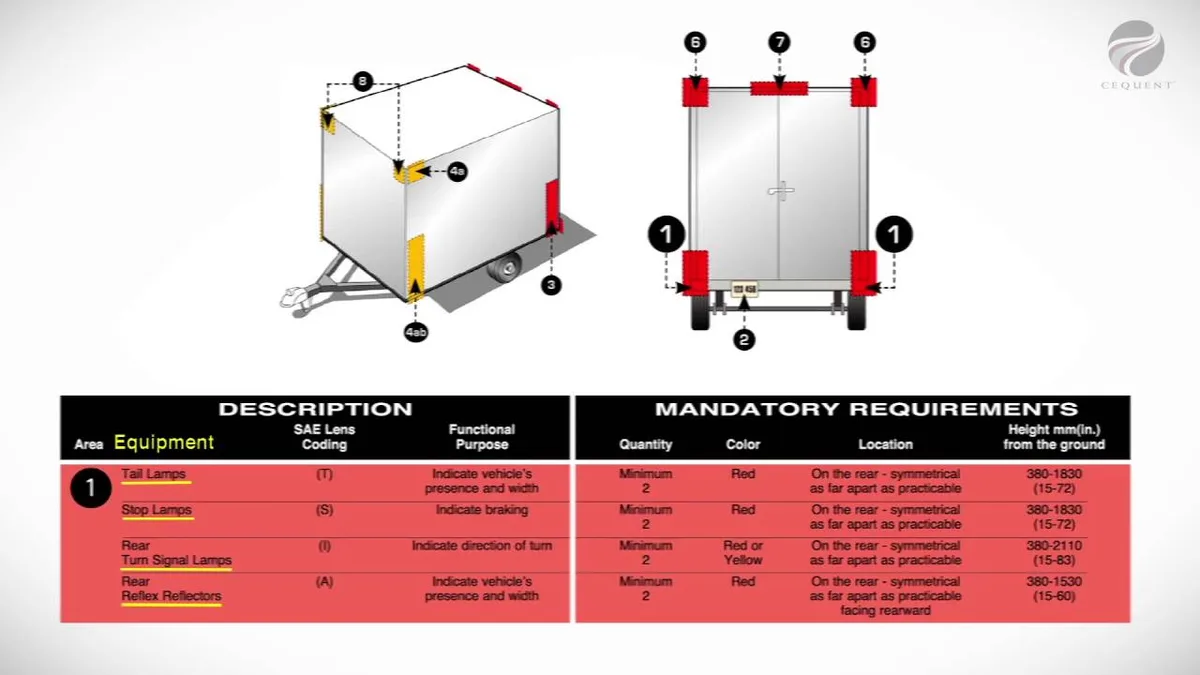
North Carolina adopts Federal Motor Vehicle Safety Standard 108 for all trailer lighting requirements, with no exceptions as of 2026. All road-legal trailers operating in the state need the following components, no matter their size or use case:
- Two red taillights visible from 500 feet rearward
- Two red stop lights visible from 500 feet rearward
- Two amber turn signals visible from 300 feet front and rear
- Red rear reflectors on each side of the trailer
- White side reflectors on each side of the trailer
- Side marker lights for trailers over 80 inches wide
- Clearance lights for trailers over 9 feet wide
Lighting must be wired to match your tow vehicle’s signals, using either a 4-flat or 7-pin round connector depending on your trailer’s features. A 4-flat connector works for basic trailers with only tail, brake, and turn signal functions. A 7-pin round connector is required for trailers with electric brakes or additional accessory circuits, per NC DMV rules.
All lighting components must be DOT-approved to pass NC inspections. Non-DOT lighting is prohibited statewide, even if it looks similar to compliant gear. For coastal NC owners, choose lighting with an IP67 or higher waterproof rating to resist salt spray and rain.
The diagram below shows required lighting placement and visibility distance mandates for standard trailers.
Real Consequences of Non-Compliant Gear: Fines, Crashes, and Liability
Failing to meet North Carolina trailer towing safety chain and lighting equipment requirements carries real, measurable consequences beyond a failed inspection. The state issues $25 to $100 fines for non-compliant towing gear, with higher penalties for commercial operators who face additional citations for violating federal commercial driver regulations. NC DMV 2023 crash data shows unsecured or poorly visible trailers contribute to dozens of reportable crashes on state roads each year, many resulting in serious injury or fatality.
Most of these crashes are linked to failed safety chains or non-functional lighting that made the trailer invisible at night. If your non-compliant gear causes a crash, you face full liability for property damage, medical bills, and legal fees. Insurance providers almost always deny claims for accidents linked to unapproved towing equipment, leaving you on the hook for all costs.
Commercial operators also risk losing their operating permits if repeated non-compliance is documented during inspections. These risks are entirely avoidable with a 10-minute pre-tow check before every trip.
Common NC Chain and Lighting Mistakes That Fail Inspections and Cause Accidents
The most frequent NC inspection failure is improperly rated safety chains. Many owners use generic unrated chains bought at big-box stores, which almost never meet the 1.5x GVWR break strength rule. Chains attached to the trailer tongue instead of the frame also fail every time, as NC inspectors check attachment points first.
Crossed chains that are too tight or too loose are another common flag, with the 15-inch maximum slack rule catching many unprepared towers.
Lighting mistakes are just as common, and far more dangerous at night. Missing or cracked turn signal lenses, non-DOT LED replacement bulbs, and unconnected wiring harnesses top the list of lighting-related inspection failures. Coastal NC owners often skip replacing corroded reflector mounts, which fail the visibility test immediately.
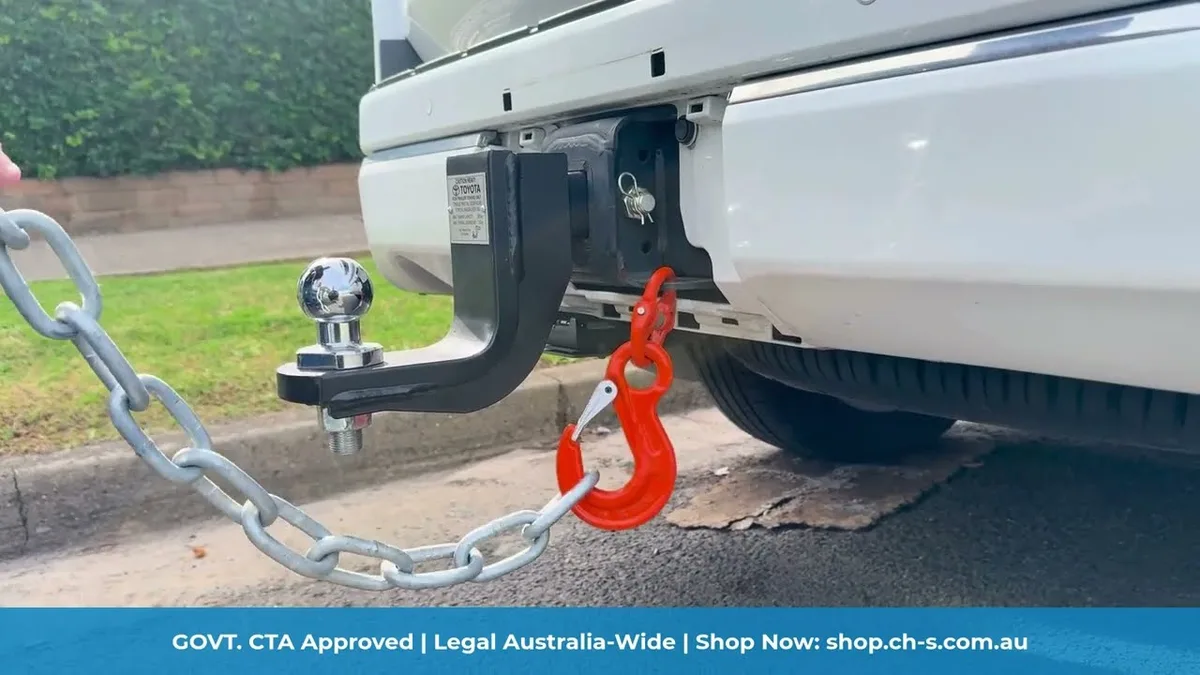
The photo below shows a typical improper chain setup that would fail a North Carolina inspection on sight, with chains hooked to the tongue and no frame attachment points used.
Skipping the pre-tow lighting function test is another critical error. Many drivers assume their wiring is fine until a brake light dies mid-trip, leaving them invisible to following traffic. Aggregate towing forum reports consistently link non-functional trailer lighting to a high share of nighttime towing near-misses, many of which happen because drivers never tested their lights before leaving.
Even small utility trailers need fully functional lighting, as their low profile makes them even harder to see after dark.
Step-by-Step Pre-Tow Check to Stay NC-Compliant and Safe
A 10-minute pre-tow check eliminates nearly all common compliance and safety issues, per NC DMV inspection data. This check takes no special tools, and you can do it in any well-lit parking lot before you hit the road. Follow these steps in order every single time you tow, no matter how short the trip.
Skipping steps for quick errands is how most preventable towing incidents happen.
First, verify your safety chain break strength matches your trailer’s GVWR. Look for the stamped break strength rating on the chain link, usually in pounds. If you can’t find the rating, replace the chains with a set rated for your trailer’s weight class.
Next, confirm chains are crossed under the tongue to form a cradle, attached to solid frame points on both the trailer and tow vehicle. Check for 10 to 15 inches of slack when the trailer is level, with no chains dragging on the ground or pulled taut.
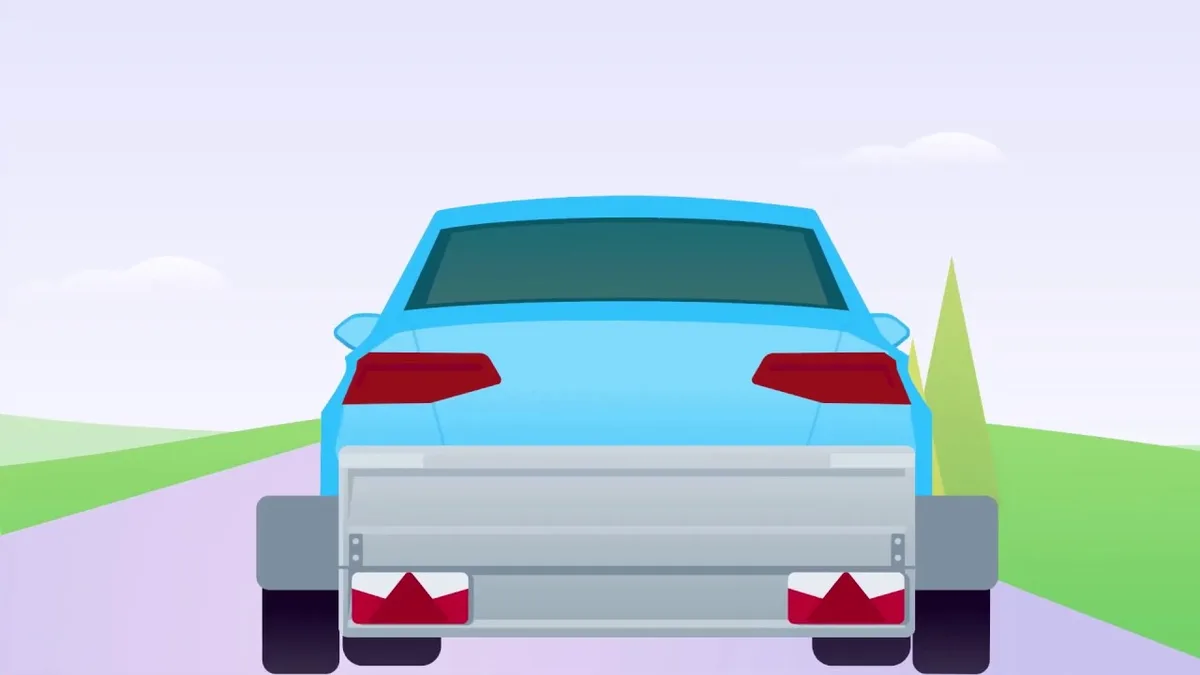
Test every lighting function with a helper standing behind the trailer. Turn on your tow vehicle’s left turn signal, confirm the trailer’s left amber signal lights flash. Repeat for the right turn signal, brake lights, and running taillights.
Check that all reflectors are clean, unbroken, and firmly mounted to the trailer frame. For trailers with electric brakes, pull the breakaway switch pin briefly to confirm the brakes engage, then re-seat the pin immediately. This entire check takes less than 10 minutes, and it catches almost every issue that would cause a failed inspection or a road incident.
How Rules Shift for Common NC Trailer Types and Towing Scenarios
Base trailer rules apply to every setup, but some use cases have extra requirements you can’t miss. Coastal NC operators face harsher corrosion rules for chains and lighting, as salt air eats through standard zinc-plated hardware in months. Choose hot-dipped galvanized chains and IP67-rated lighting for any trailer used within 20 miles of the coast, per manufacturer corrosion testing data.
These components last significantly longer than standard uncoated gear in salt-heavy environments.
Mountain towing in the Appalachian foothills and Smoky Mountains adds extra strain on safety chains, especially on steep downgrades. Many towers upgrade to 30,000 lb break strength chains for trailers under 10,000 lb GVWR when towing in high-elevation areas, as the extra margin reduces risk if a chain is stressed by repeated grade braking. Aggregate user reviews from NC towing forums report fewer chain-related near-misses for towers who upgrade chain ratings for mountain use.
Commercial operators hauling freight or construction equipment have extra requirements beyond standard passenger towing rules. Trailers over 10,000 lb GVWR used for commercial purposes require annual brake inspections, in addition to the standard lighting and chain checks. Gooseneck and fifth-wheel trailers need dedicated frame attachment points for safety chains, as standard tongue-mounted points do not meet NC load rating requirements for heavy commercial setups.
Rental trailers also have stricter inspection requirements, with rental companies required to provide written proof of chain and lighting compliance before each rental, per NC DMV commercial rental rules.
What to Expect During an Official NC Trailer Inspection
North Carolina requires annual trailer inspections for all trailers over 3,000 lb GVWR, with tests performed at any licensed NC DMV inspection station or approved private garage. As of 2026, the standard inspection fee for trailers 3,000 to 10,000 lb GVWR is $23.50, with higher fees for larger commercial trailers. The entire process takes 15 to 20 minutes if your gear is already compliant, and you’ll receive a passed inspection sticker valid for 12 months on the spot.
Inspectors start with a visual check of safety chain break strength ratings and attachment points. They will look for stamped ratings on the chain links, confirm chains are crossed under the tongue, and verify frame attachment points are solid with no cracks or corrosion. They will also check for the 15-inch maximum slack rule by pulling the chains taut by hand.
If any of these items fail, you’ll need to replace or adjust the gear and pay for a re-inspection.
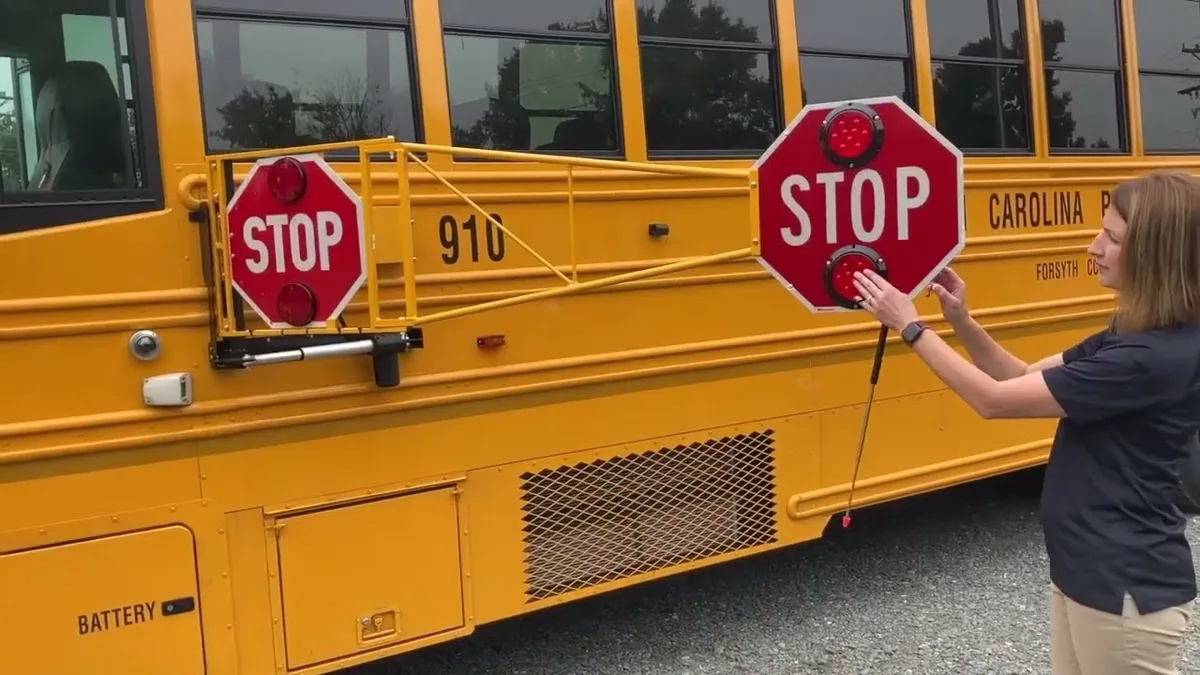
Next, inspectors test every lighting function, including turn signals, brake lights, running lights, and reflectors. They use a calibrated light meter to confirm taillights meet the 500-foot visibility requirement, and signal lights meet the 300-foot rule. All lighting components must have a visible DOT stamp to pass, no exceptions.
Breakaway switches are tested for all trailers with electric brakes, by pulling the switch pin to confirm the brakes engage. If you fail any part of the inspection, you’ll receive a written list of required fixes and a 30-day window to complete them and pass a re-inspection before your registration is suspended.
Pro Tips to Cut Costs and Boost Safety for NC Towing
You don’t need to overspend to stay NC-compliant, but cutting corners on chain and lighting gear costs far more in the long run. Buy safety chains in matched sets with stamped break strength ratings, rather than mixing random chains from different sources. A single matched set for a 5,000 lb GVWR trailer costs $40 to $60, which is far less than the $100 fine for non-compliant chains or the cost of a single crash-related repair.
For coastal NC owners, spend the extra $10 to $15 per set for hot-dipped galvanized chains, which last significantly longer than standard zinc-plated options in salt air.
For lighting, choose DOT-approved LED kits over incandescent bulbs, as they use less power, last far longer than incandescent bulbs, and meet visibility requirements out of the box. A complete LED lighting kit for a standard utility trailer costs $30 to $50, and most include the wiring harness and connector, so you don’t have to buy parts separately. Keep a spare set of bulbs and a basic wiring tester in your tow vehicle at all times, so you can fix minor lighting issues on the side of the road instead of waiting for a parts store to open.
Buy breakaway switch test kits for $15 to $20, which let you test your switch without pulling the pin while driving. These kits last for years, and they let you confirm your breakaway system works before every trip, no helper required. For commercial operators, keep a digital copy of your chain and lighting compliance paperwork in your tow vehicle, so you can show it to inspectors immediately if you’re stopped at a random NCDOT checkpoint.
Small, low-cost steps like these cut your risk of failed inspections, fines, and crashes without adding much time or cost to your routine.
Frequently Asked Questions
What safety chain break strength do I need for my trailer in NC?
You need chains with a minimum break strength of 1.5 times your trailer’s GVWR. For trailers under 3,000 lb GVWR, that’s a 10,000 lb minimum rating. Trailers between 3,000 and 10,000 lb need 20,000 lb chains, and anything over 10,000 lb requires 30,000 lb rated chains, per NC state law.
Do I need a breakaway switch for my trailer in North Carolina?
Yes, if your trailer has electric brakes. North Carolina adopts FMVSS 121, which requires a functional breakaway switch for all trailers with electric braking systems. The switch activates the trailer brakes automatically if the coupler fails, preventing trailer separation.
You must test this switch before every trip to confirm it works.
What happens if I fail an NC trailer inspection for chain or lighting issues?
You’ll receive a written list of required fixes and a 30-day window to complete repairs and pass a re-inspection. Fines for non-compliant gear range from $25 to $100 for passenger trailers, with higher penalties for commercial operators. Your registration will be suspended if you don’t pass the re-inspection within the 30-day window.
Can I use synthetic safety chains instead of steel in North Carolina?
Yes, as long as the synthetic chains meet the required 1.5x GVWR break strength rating for your trailer. Synthetic chains are lighter and corrosion-resistant, which makes them a good option for coastal NC use. Just confirm they are stamped with the correct break strength rating, as unrated synthetic chains will fail inspection.
Do trailer lighting rules change for commercial trailers in NC?
Yes, commercial trailers over 10,000 lb GVWR require additional clearance and side marker lights, plus annual brake inspections. All commercial trailer lighting must be DOT-approved and visible from the same 300-foot and 500-foot distances as passenger trailers. You’ll also need to carry proof of lighting and chain compliance in your tow vehicle for NCDOT checkpoints.