ByMax Lee
NH Auxiliary & Off-Road Light Bar Highway Laws
New Hampshire auxiliary lighting and off road light bar highway restrictions can trip up even experienced off-road drivers. Get it wrong and you're looking at a citation, a failed inspection, or worse, a blown headlight beam blinding oncoming traffic on a dark White Mountains road.
The rules come down to a few clear lines in New Hampshire law. Light bars are fine on trails and private land. They are illegal for highway use unless the system is fully shielded and switchable.
Our research into state statutes and inspection guidelines makes the picture clear. Here's what you need to know before you flip the switch.
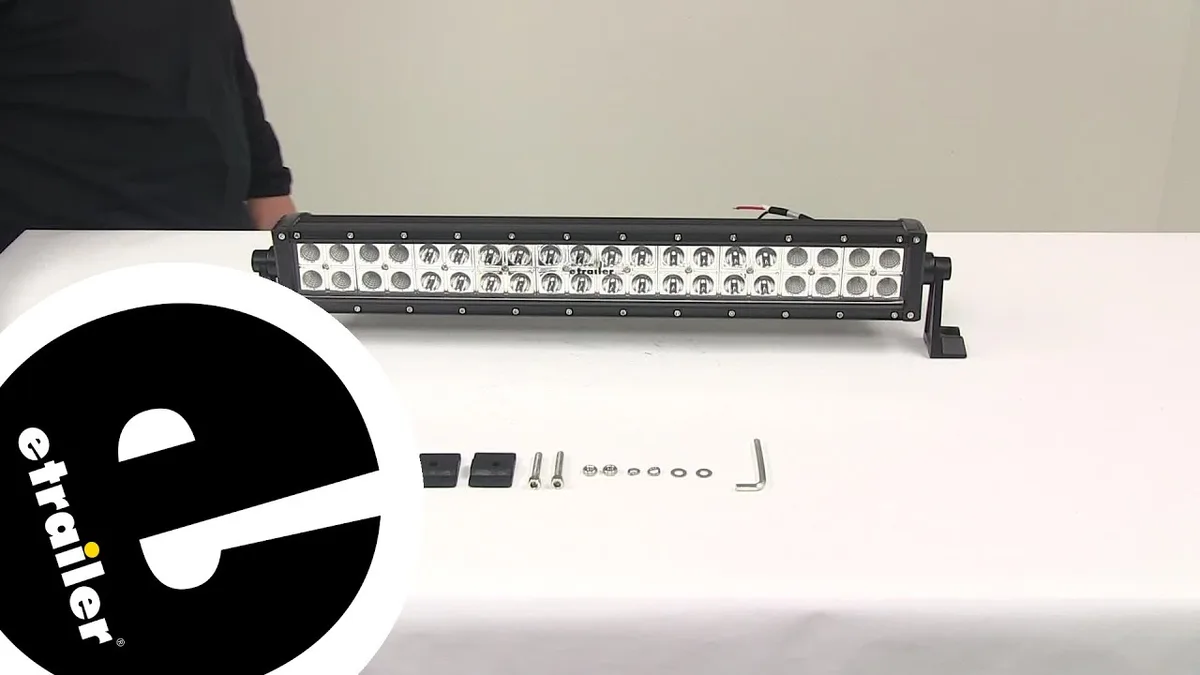
YouTube / etrailer (YouTube thumbnail (fair-use with source credit))
Quick Answer: Are Light Bars Legal on NH Highways?
New Hampshire auxiliary lighting and off road light bar highway restrictions are strict. Light bars may not be used while driving on public highways. They must be capped or covered for road use.
Only low beams and fog lights are legal for highway driving. Off-road use is allowed on trails and private property.
The bottom line is simple. Your light bar can illuminate a forest trail. It cannot illuminate I-93 at night.
Keep it switched off and properly shielded whenever you enter public roadway territory.
The Exact NH Laws You Need to Know (RSA 266 Breakdown)
New Hampshire bundles vehicle lighting rules under Title XXI, Chapter 266 of the Revised Statutes Annotated. These are the sections that actually govern your light bar.
- RSA 266:78 covers auxiliary driving lights and their placement requirements.
- RSA 266:79 controls which colors you may legally use on the front and rear.
- RSA 266:80 sets the height and spacing limits for all forward-facing lamps.
- RSA 266:81 prohibits flashing or oscillating lights on civilian vehicles.
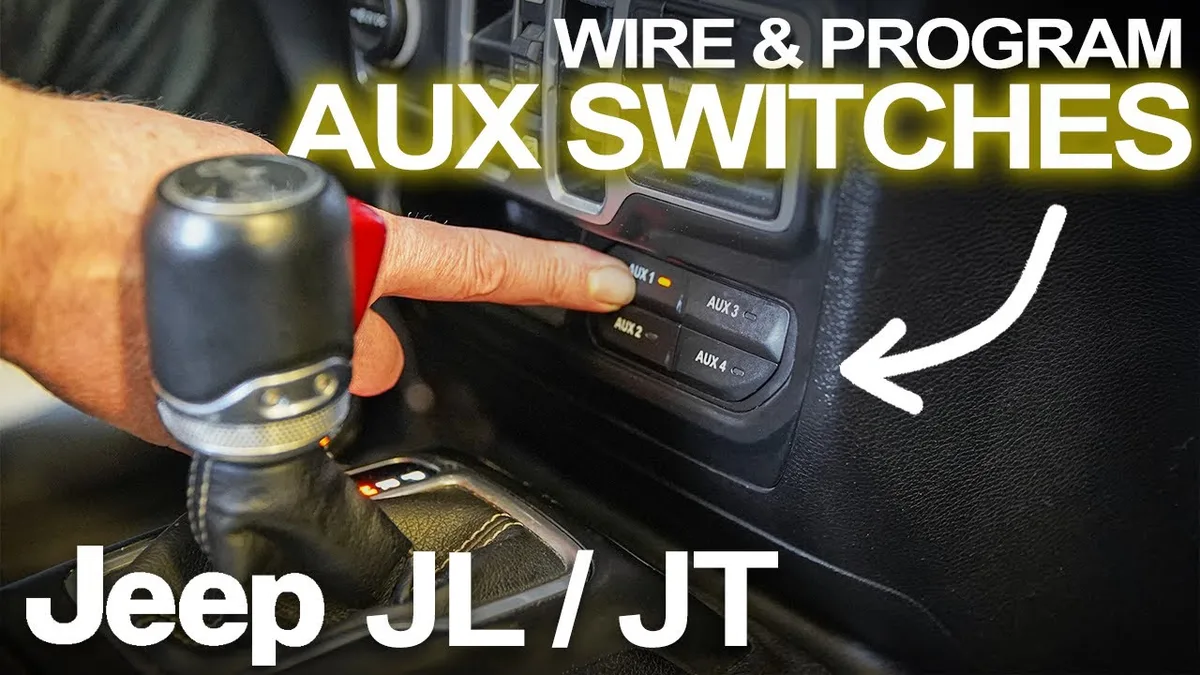
YouTube / Northridge4x4 (YouTube thumbnail (fair-use with source credit))
Let's walk through what each section means in practice.
RSA 266:78, Auxiliary Driving Lights
This statute allows auxiliary lamps but ties them to strict conditions. You may add extra forward-facing lights. They must meet certain height and beam criteria.
The law treats them as supplements to your primary headlamp system. They do not replace it.
RSA 266:79, Color Restrictions
Front-facing lights must emit white or amber. Red is banned on the front. Blue is reserved for emergency vehicles.
Rear-facing lights must be red. Amber turn signals are acceptable at the rear in most configurations. Mixing colors arbitrarily is a quick path to a citation.
RSA 266:80, Height and Placement
This is where most drivers run into trouble. Auxiliary lights must fall within a defined vertical band. They also need proper lateral spacing from your main headlights.
Lights mounted too high create glare. Lights mounted too low fail to provide usable illumination. The exact measurements matter and we cover them next.
RSA 266:81, No Flashing or Oscillating Lights
Strobe-style light bars are illegal on public roads in New Hampshire. If your bar pulses, flashes, or sweeps, it violates this section. Some off-road lighting controllers offer flash modes.
Turn those features off before you hit a maintained road.
You can read the full statutory text through the New Hampshire state legislature website. Keeping the actual law in mind helps you make smarter mounting decisions.
Where and How You Can Mount Auxiliary Lights in NH
Mounting position is the single biggest factor in staying legal. NH law cares about two things: how high your lights sit and how far they spread from your headlights.
Get the height wrong and your beam becomes a hazard. Get the spacing wrong and you risk failing inspection. Here's how to do it right.
Height Requirements
Auxiliary driving lights must be mounted between 24 and 54 inches from the ground. This range applies to the center of the light source. Anything above 54 inches is considered too high for highway use.
Anything below 24 inches may not provide adequate illumination and could also draw scrutiny.
Lateral Spacing
Your auxiliary lights must sit at least 12 inches apart from each other. They also need to be within a certain lateral range from your primary headlamps. The idea is to keep the beam pattern coherent and avoid creating blind spots or confusing other drivers.
Front vs. Rear Placement
Front-facing auxiliary lights follow the white or amber rule. Rear-facing lights follow the red rule. You cannot mount a white light bar on your rear bumper and expect it to pass.
Rear fog lights are permitted under specific conditions.

YouTube / TWEEN Automobile School (YouTube thumbnail (fair-use with source credit))
Mounting Locations That Work
- Bumper mounting, Keeps the light bar low and centered. Easy to aim. Stays within the 24 to 54 inch band on most trucks and SUVs.
- Grille mounting, Popular for light bars. Works well when the bar sits below the hood line. Verify height after installation.
- Roof mounting, Common for off-road rigs. Often exceeds the 54 inch legal limit for highway use. Fine on trails. Illegal on roads unless you have a removable system.
- A-pillar mounting, Offers excellent throw. Risky for compliance since height varies by vehicle. Measure carefully.
The Switchable System Requirement
New Hampshire expects auxiliary lights to be easily switchable. You should be able to turn them off with a single switch inside the cabin. Hardwired-to-always-on setups are a red flag during inspection.
Install a relay-controlled switch that clearly disconnects power when off.
A proper switch panel also gives you peace of mind. You won't accidentally leave your light bar on while driving home through a populated area.
Light Bar Specs That Pass (and Fail) NH Inspection
Not all light bars are created equal. Some meet SAE and DOT standards. Many do not.
The difference matters at inspection time and on the road.
Here's what to look for and what to avoid.
SAE and DOT Compliance
SAE stands for the Society of Automotive Engineers. Their J583 standard covers fog lamps. Their J592 standard covers auxiliary driving lamps.
A light bar bearing an SAE marking has been tested against those standards. DOT compliance means the product also meets federal motor vehicle safety standards under FMVSS No. 108.
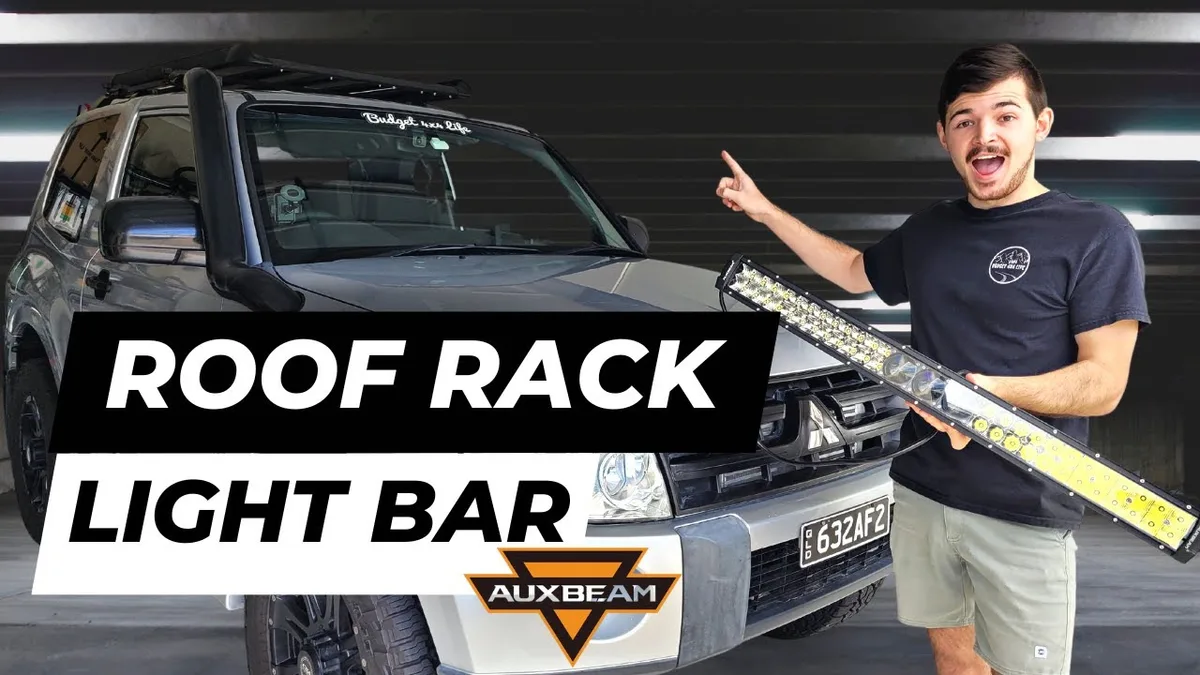
YouTube / BGT4X4 (YouTube thumbnail (fair-use with source credit))
What Passes Inspection
- SAE J583 or J592 marked units
- Proper beam pattern with a sharp cutoff
- Correct mounting height after installation
- Functional switch that kills power completely
- No exposed wiring or makeshift mounts
What Fails Inspection
- Unmarked or unknown-compliance light bars
- Bars with a flat wide beam that blows past the cutoff
- Mounts that obstruct the windshield or driver view
- Wiring that runs across the footwell without protection
- Lights that remain on when the switch is off
Wattage and Lumens
Higher wattage does not automatically mean illegal. But it does mean more glare potential. NH inspection focuses on beam pattern and placement more than raw output.
A well-aimed 50-watt LED bar is easier to pass than a misaimed 100-watt unit.
The Capper Requirement
If you run a light bar on public roads, you need a capper. A capper is a physical cover that blocks the light output when the bar is not in use. Some manufacturers sell snap-on caps.
Others use flip covers. The key is that the cap fully obscures the LEDs when engaged.
You can check SAE standards directly at SAE International for detailed technical specifications on lighting performance.
Color, Beam Pattern, and Brightness Rules in New Hampshire
Color and beam pattern are where most illegal installations fail. NH law is specific about both. Let's break it down.
Front Light Colors
White is the default and the safest choice for auxiliary driving lights. Amber is also permitted on the front. Some jurisdictions allow amber turn signals integrated into auxiliary bars.
Red is never legal on the front face.
Rear Light Colors
Red is mandatory for rear-facing lights. Amber is acceptable for turn signals and rear fog lights in many configurations. White reverse lights are permitted.
Mixing white lights on the rear is a common mistake that triggers violations.
Beam Pattern Matters
A spot beam throws light far but creates a narrow cone. A flood beam spreads light wide but loses distance. A combo beam offers both.
For highway-legal auxiliary use, a sharp cutoff pattern is ideal. It illuminates the road without blinding oncoming drivers.
Flat-beam light bars that spray light in every direction are the biggest glare risk. They fail the intent of NH law even if they technically sit within height limits.
Brightness and Glare
NH law does not set a specific lumen cap for auxiliary lights. It does require that lights not dazzle or blind other drivers. This is a practical standard.
If your light bar turns night into noon for oncoming traffic, you are likely violating the spirit and letter of the law.
Practical tip: aim your lights slightly downward. A beam that hits the road surface 50 to 100 feet ahead is ideal. A beam that vanishes into the sky above the horizon is a citation waiting to happen.
The Blue and Red Warning
Never install red or blue lights on the front or sides of your vehicle. These colors are reserved for emergency and official use. Even amber strobe-style lights can draw unwanted attention from law enforcement.
Stick to white and amber for forward-facing auxiliary lighting.
Off-Road vs. On-Road: When and Where You Can Use Your Light Bar
This is the part that causes the most confusion. The same light bar that is perfectly legal on a trail can get you in trouble five miles down the road. Here is how to tell the difference.

YouTube / Dirty Day Off Road (YouTube thumbnail (fair-use with source credit))
Public Highways in New Hampshire
Public highways include state routes, county roads, and interstate corridors. These are maintained by government entities and open to general traffic. Your light bar must be off and capped while traveling on any public highway.
Town Roads and Unmaintained Routes
Some town roads in New Hampshire lack street lighting. They may feel like backroads. They are still public highways under state law.
The same rules apply. Light bars must be switched off and covered.
State Parks and Trail Systems
New Hampshire offers extensive trail networks through places like Jericho Mountain State Park and the White Mountain National Forest. These areas often allow light bar use. Always check with the managing agency for current rules.
Some trails require specific lighting for safety.
Private Property
Light bar rules relax significantly on private land. You can run full beam patterns, higher mounts, and brighter setups. The only constraints are local zoning rules and common sense regarding neighbors.
The Gray Area
The line between trail and highway is not always obvious. A logging road that crosses public land may look like a private trail. It is still a public roadway if anyone can access it.
When in doubt, treat it as a public highway and keep your lights off and capped.
A practical rule of thumb: if your vehicle needs a license plate to be on it, your light bar should be off and covered. This covers most situations and keeps you on the right side of the law.
Common Mistakes That Get NH Drivers Pulled Over
Even experienced off-roaders make these errors. Here are the most common violations and how to avoid them.

YouTube / New Vision Automotive Parts Co., Ltd (YouTube thumbnail (fair-use with source credit))
Mounting Too High
Roof-mounted light bars are extremely popular. They look great and throw light far. They also almost always exceed the 54 inch height limit for highway use.
If your bar is roof-mounted, you must have a reliable way to cap or remove it before hitting public roads.
Leaving Lights On Accidentally
Many drivers install a switch but never actually turn the lights off after a trail run. You pull into a gas station or drive through a small town with your light bar blazing. An officer sees the glare and pulls you over.
Install a master cutoff or a timed relay to prevent this.
Using Non-Compliant Light Bars
Cheap import bars often lack proper beam patterns. They scatter light in every direction. They may not carry any SAE or DOT markings.
These bars fail inspection and create glare hazards. Stick to branded units with verifiable compliance documentation.
Incorrect Wiring Jobs
Exposed wires, missing fuses, and direct battery connections are dangerous. They also fail inspection. Use proper gauge wire, an inline fuse within 18 inches of the power source, and a relay circuit.
Route wiring away from moving parts and hot surfaces.
Mixing Colors Illegal
Some drivers add red LED strips to the front of their grille. Others install blue accent lighting under the bumper. These are illegal on public roads in New Hampshire.
Stick to white and amber on the front. Red on the rear. Period.
Failing to Cap Before Highway Driving
This is the single most common violation. A driver finishes a trail run, forgets to engage the capper, and drives 20 miles home with full beam output. The fix is simple: make capping your lights a habit.
Do it the moment you exit the trail. Make it part of your pre-drive routine.
Light Bar Installation Checklist for NH Compliance
Follow this checklist before you take your rig to inspection or hit the highway.
- Measure light bar center height. Confirm it falls between 24 and 54 inches.
- Verify lateral spacing is at least 12 inches between auxiliary units.
- Confirm beam pattern has a sharp horizontal cutoff.
- Test the switch. Lights must turn completely off.
- Install a capper or cover if the bar exceeds highway height limits.
- Check all wiring for proper fusing and routing.
- Ensure no red or blue lights face forward.
- Verify no flashing or strobe modes are active.
- Test the full system at night before driving on public roads.
Skipping any of these steps increases your risk of a violation or a safety incident. Take the time to do it right the first time.
What Happens If You Get Caught With Non-Compliant Lighting?
NH law enforcement treats lighting violations seriously. Here’s what you can expect.
A first offense typically results in a written warning or a fine. The exact amount varies by jurisdiction but usually falls between $50 and $100. Repeat offenses escalate quickly.
You may face higher fines or even a court appearance.
Your vehicle could also fail its annual inspection. NH requires all vehicles to pass a safety inspection every year. Non-compliant lighting is an automatic failure.
You’ll need to correct the issue and return for a re-inspection before you can legally drive again.
In extreme cases, an officer may require you to disable the lighting system on the spot. This could mean removing the light bar or disconnecting the wiring before you’re allowed to continue driving.
Pro Tips to Stay Legal While Maximizing Visibility
You don’t have to sacrifice visibility to stay legal. A few smart choices let you have both.
Use a Quick-Release Mount
A roof-mounted light bar is great for trails but illegal on highways. A quick-release mount lets you remove the bar in seconds when you hit the road. Store it in your truck bed or cabin until you’re back on private property.
Invest in a Quality Capper
A well-designed capper snaps on and off in moments. Look for one that fully blocks light output without damaging the lens. Some models even integrate with your switch system for automatic engagement.
Aim Your Lights Properly
Even compliant lights can create glare if they’re aimed too high. Adjust your light bar so the beam hits the road 50 to 100 feet ahead. This gives you visibility without blinding others.
Stick to SAE/DOT-Compliant Units
These bars are tested for beam pattern and output. They’re less likely to cause glare or fail inspection. The upfront cost is higher but the peace of mind is worth it.
Wire a Master Kill Switch
Install a switch that cuts power to all auxiliary lights at once. Place it somewhere easy to reach, like your dashboard or center console. This lets you turn off your lights instantly if you forget before hitting the highway.
Check Local Trail Rules
Some state parks and forests have their own lighting requirements. A light bar that’s legal on one trail might be restricted on another. Always verify before you head out.
Frequently Asked Questions
Can I use my light bar on NH backroads at night?
No. Backroads are still public highways. Light bars must be off and capped unless you’re on private property or designated off-road trails.
The law doesn’t distinguish between interstates and rural roads.
What’s the maximum height for auxiliary lights in NH?
The center of the light source must be between 24 and 54 inches from the ground. Anything above 54 inches is illegal for highway use. Measure carefully after installation.
Are amber light bars legal on the front in NH?
Yes. Amber is permitted for front-facing auxiliary lights. White is also legal.
Red and blue are never allowed on the front of a civilian vehicle.
Do I need a special permit for off-road lighting?
No. NH does not require permits for off-road lighting on private property or designated trails. Public roads are a different story.
Always cap or remove your light bar before driving on maintained roadways.
Can I get pulled over for a light bar that’s off but uncovered?
Yes. If your light bar is visible and uncapped, an officer can still cite you. The law requires that auxiliary lights be both off and covered or removed when not in use on public roads.
What’s the fine for illegal auxiliary lighting in NH?
Fines typically range from $50 to $100 for a first offense. Repeat violations can lead to higher penalties or court appearances. The exact amount depends on the jurisdiction and the officer’s discretion.
When Off-Road Light Bars Become Illegal on Public Roads
The line between legal and illegal use is sharp. Light bars are tools for off-road conditions. They become hazards the moment you roll onto a public roadway.
NH treats any maintained road as public. This includes state highways, county roads, and even some logging trails if they’re open to general traffic. If the road has a name or a number, assume your light bar needs to be off and covered.
The only exceptions are private property and designated off-road areas. State parks, OHV trails, and private land are fair game. Always confirm the rules with the land manager before you ride.
Step-by-Step: How to Install a Light Bar Without Breaking NH Law
A legal install starts with the right parts and ends with a clean setup. Follow these steps to stay on the right side of the law.
Choose the Right Light Bar
Pick an SAE J583 or J592 compliant unit. Check for DOT markings on the housing. Avoid bars with flat, wide beam patterns that scatter light.
A combo beam with a sharp cutoff is ideal.
Plan Your Mounting Location
Measure twice before you drill. Confirm the center of the light bar will sit between 24 and 54 inches from the ground. Ensure at least 12 inches of space between auxiliary lights if you’re running a pair.
Bumper and grille mounts are the easiest to keep legal. Roof mounts work if you add a quick-release system. A-pillar mounts require precise measurement to avoid exceeding height limits.
Wire It Correctly
Run a dedicated circuit from your battery. Use at least 14-gauge wire for most light bars. Add an inline fuse within 18 inches of the power source.
A 20-amp fuse is standard for most LED bars.
Install a relay to handle the high current load. This protects your switch and prevents voltage drops. Route all wiring away from moving parts and hot surfaces.
Install a Proper Switch
Use a waterproof switch rated for the amperage of your light bar. Mount it in a convenient location, like your dashboard or center console. Consider a switch with a built-in indicator light so you can see at a glance if your lights are on.
Add a Capper or Cover
If your light bar sits above 54 inches, install a capper. Choose a model that fully blocks the light output when engaged. Some covers snap on and off.
Others flip open and closed.
Aim Your Lights
Park your vehicle on a flat surface 25 feet from a wall. Turn on your light bar and adjust the angle until the brightest part of the beam hits the wall about 2 to 3 feet from the ground. This ensures a safe, downward-facing pattern.
Test Before You Drive
Turn on your light bar at night in a safe area. Check for glare, hot spots, or uneven patterns. Make sure the switch turns the lights completely off.
Verify that the capper blocks all light when engaged.
Get It Inspected
Take your vehicle to a NH inspection station. Ask the technician to verify your auxiliary lighting setup. If anything fails, correct it before driving on public roads.
Mistakes to Avoid With NH Auxiliary Lighting
Some errors are more common than others. Here’s what to watch out for.
Assuming "Off-Road" Means Anywhere
Many drivers think "off-road" lighting is fine on any unpaved surface. That’s not true. If the road is public, the rules apply.
Even dirt roads maintained by the town or state count as public highways.
Ignoring the Height Limit
Roof racks and lift kits push light bars above the 54-inch mark. Measure after installation, not before. A bar that looks fine in the garage might be illegal on the road.
Skipping the Capper
Some drivers rely on just turning the lights off. NH law requires them to be covered or removed. A switched-off light bar can still reflect light or create confusion.
Using the Wrong Colors
Red and blue lights are for emergency vehicles only. Even amber can be problematic if it’s not in the right location. Stick to white for forward-facing auxiliary lights.
Poor Wiring Practices
Exposed wires, missing fuses, and direct battery connections are safety hazards. They’re also inspection failures. Use proper gauge wire, inline fuses, and relays for a clean, legal install.
Forgetting to Check Local Rules
Some towns have additional lighting ordinances. Always verify with local law enforcement or the DMV if you’re unsure. A quick call can save you a fine.
Costs and Pricing for Compliant Setups
You don’t need to break the bank to stay legal. Here’s what to expect.
| Component | Price Range | Notes |
|---|---|---|
| SAE/DOT-compliant light bar | $100–$500 | 20–50 inch models, LED preferred |
| Quick-release mount | $50–$150 | Roof or bumper options |
| Wiring harness with relay | $20–$60 | Includes fuse and switch |
| Capper/cover | $15–$50 | Snap-on or flip styles |
| Professional installation | $100–$300 | Shop rates vary by location |
Budget an additional $20, $40 for miscellaneous hardware like brackets, zip ties, and connectors. If you’re handy with tools, you can save on labor by doing the install yourself.
Expert Tips for Long-Term Compliance
Staying legal isn’t a one-time effort. It’s an ongoing habit.
Make Capping a Routine
Get in the habit of capping your light bar every time you leave the trail. Treat it like buckling your seatbelt, automatic and non-negotiable.
Recheck After Modifications
Lift kits, new tires, or roof racks can change your light bar’s height. Re-measure after any major changes to your vehicle.
Keep Your Wiring Tidy
Vibrations and weather can loosen connections over time. Check your wiring periodically for fraying, corrosion, or loose terminals.
Stay Updated on Laws
NH lighting regulations can change. Check the NH DMV website periodically for updates. What’s legal today might not be tomorrow.
Educate Your Passengers
If you frequently drive with others, make sure they know the rules too. A well-meaning passenger might flip the switch without realizing it’s illegal.
Final Recommendation
If you’re serious about off-roading in New Hampshire, invest in a compliant setup from the start. Choose an SAE/DOT-approved light bar, mount it within the legal height range, and wire it with a proper switch and capper.
The upfront cost is modest compared to the fines, inspection failures, and safety risks of a non-compliant system. Plus, you’ll have the peace of mind that comes with knowing you’re doing it right.
For most drivers, a 30, 40 inch LED light bar with a quick-release roof mount and a snap-on capper offers the best balance of performance and legality. Add a quality wiring harness with a relay, and you’re set for trails and highways alike.
NH Inspection Checklist: What They Look for With Auxiliary Lights
NH annual vehicle inspections are thorough. Here’s what inspectors specifically check for auxiliary lighting.
Beam Pattern Test
Inspectors will turn on your auxiliary lights and observe the beam pattern from the side. They’re looking for a sharp cutoff and minimal scatter. Flat, uncontrolled beams are an instant fail.
Height Verification
An inspector may measure your light bar’s height from the ground. If it’s above 54 inches, you’ll fail unless you have a removable mounting system with the bar physically absent.
Switch Functionality
They’ll test your switch to ensure the lights turn completely off. Any residual glow or power draw indicates a wiring issue.
Capper Operation
If your light bar is mounted above the legal height limit, inspectors will verify that the capper fully blocks light output when engaged.
Color Compliance
Any red or blue light visible on the front or sides of your vehicle is an automatic failure. Inspectors check this visually.
Wiring Safety
Exposed wires, missing fuses, or routing that could interfere with vehicle operation will cause a failure.
Overall Condition
Cracked lenses, loose mounts, or damaged housing are all grounds for rejection.
Passing inspection isn’t complicated if you’ve followed the guidelines. Keep your setup clean, compliant, and well-maintained.
Frequently Asked Questions
Are light bars legal in New Hampshire?
Light bars are legal on private property and designated off-road trails. They are illegal on public highways unless fully capped or removed.
What height are auxiliary lights required to be in New Hampshire?
Auxiliary lights must be mounted with their center between 24 and 54 inches from the ground for highway use.
Can I keep my light bar on while driving on NH roads?
No. Auxiliary lights must be switched off and covered or removed when driving on any public roadway.
Do I need SAE or DOT approval for my light bar in NH?
NH law requires auxiliary lights to comply with SAE or DOT standards. Non-compliant bars will fail inspection.
What happens if I fail my NH vehicle inspection for lighting?
You must correct the violation and return for re-inspection. You cannot legally drive the vehicle until it passes.
Can I use a strobe or flashing light bar in New Hampshire?
No. Flashing or oscillating lights are prohibited on civilian vehicles under NH RSA 266:81.
Final Recommendation: How to Stay Legal and Safe With Auxiliary Lighting in NH
If you want to run a light bar in New Hampshire without risking a citation or failing inspection, follow three rules.
First, choose an SAE or DOT-compliant bar with a sharp beam cutoff. Second, mount it so the center sits between 24 and 54 inches from the ground. Third, install a reliable switch and a capper, and use them every time you leave the trail.
Legal auxiliary lighting isn’t about restriction. It’s about responsibility. Properly set up, your light bar will serve you well on private trails and stay out of trouble on public roads.
That balance is what keeps you, and other drivers, safe.
Use Cases: Who Needs to Follow NH Light Bar Rules
Off-road enthusiasts aren't the only ones affected. These rules apply to anyone running auxiliary lighting in New Hampshire.
Construction vehicles often use extra lighting for job sites. They must still comply when driving on public roads. Utility trucks and plows face the same requirements.
Even farmers moving equipment between fields need to follow the height and beam restrictions.
Recreational users are the most common group. Whether you're hitting the trails at Jericho Mountain or exploring backroads, the same laws apply. The key is knowing when you're on public versus private property.
Benefits and Advantages of Compliant Auxiliary Lighting
Done right, auxiliary lighting improves safety without breaking the law.
Better visibility on dark trails reduces accident risks. Proper beam patterns prevent blinding other drivers. Compliant setups pass inspection every time.
You avoid fines and legal hassles while still getting the illumination you need.
The peace of mind is worth the effort. You can focus on the trail ahead instead of worrying about law enforcement behind you.
Comparison: Light Bars vs. Auxiliary Fog Lights
Light bars and fog lights serve different purposes. Each has pros and cons under NH law.
Light bars offer wide, long-range illumination. They’re ideal for off-road use but require careful mounting and capping for highway driving. Fog lights provide a shorter, wider beam designed for low-visibility conditions.
They’re easier to keep legal since they’re typically mounted lower.
For most drivers, fog lights are the simpler choice for highway use. Light bars shine on trails but demand more attention to compliance.
Safety, Legal, and Compliance Warnings
NH takes lighting violations seriously. The risks go beyond fines.
Improper lighting can blind oncoming drivers. This creates dangerous situations, especially on dark rural roads. Non-compliant setups may also void your insurance coverage in an accident.
Always follow RSA 266 guidelines. When in doubt, cap your lights or remove them entirely before driving on public roads. Safety should always come first.
What New Hampshire Actually Allows for Auxiliary and Off-Road Light Bars
NH allows auxiliary lighting on private land and designated trails. Public highway use requires the lights to be off and capped. Height must stay between 24 and 54 inches from the ground.
Beam patterns must not blind other drivers.
Compliant SAE or DOT markings help you pass inspection. Always verify your setup before entering public roadways. When in doubt, cap your lights or remove the bar entirely.
Trail-Ready Setup Tips for NH Drivers
For trail use, you have more flexibility. Mount your bar wherever it works best for your vehicle. Higher mounts improve throw distance on rough terrain.
Just remember to cap or remove them before hitting public roads.
Quick-release mounts make switching between trail and highway modes easy. Keep your capper handy in the cabin. Make it a habit to engage it the moment you exit the trail.
How to Store Your Light Bar for Highway Driving
If your bar sits above 54 inches, you need a removal or capping solution. Quick-release brackets let you take the bar off in minutes. Store it in your truck bed or cabin when driving on highways.
Alternatively, use a flip-up capper that covers the LEDs without removing the mount. Either approach keeps you legal and inspection-ready. Just make sure the method is reliable and you use it every time.
NH Lighting Regulations at a Glance
NH RSA 266 is the key statute for vehicle lighting. It sets height limits, color rules, and bans flashing lights. Auxiliary lights must be switchable and properly mounted.
Non-compliant bars will fail inspection or result in a citation.
Check the official NH DMV website for the latest requirements. State laws can change, so staying current matters.
Before You Drive: A Quick Legal Checklist
Before rolling onto any public road, verify four things. Is your light bar capped or removed? Is the switch fully functional?
Are the lights positioned within legal height limits? Do you have SAE or DOT compliance markings?
If all four answers are yes, you're good to go. If any answer is no, fix the issue before driving. Staying legal protects you, other drivers, and your vehicle's inspection status.